Popular
Bergen – Kirkenes – Bergen (Full-trip)
The Coastal Express – Roundtrip
The original Norwegian coastal voyage – connecting fjords, towns & people since 1893
- Regular departures
- 12 days
- 34 Stops
- Full board (breakfast, lunch, dinner)
When you raise a glass in Norway, you’re doing more than simply quenching your thirst. Norwegian drinks are a glimpse into our culture’s past, present and future.
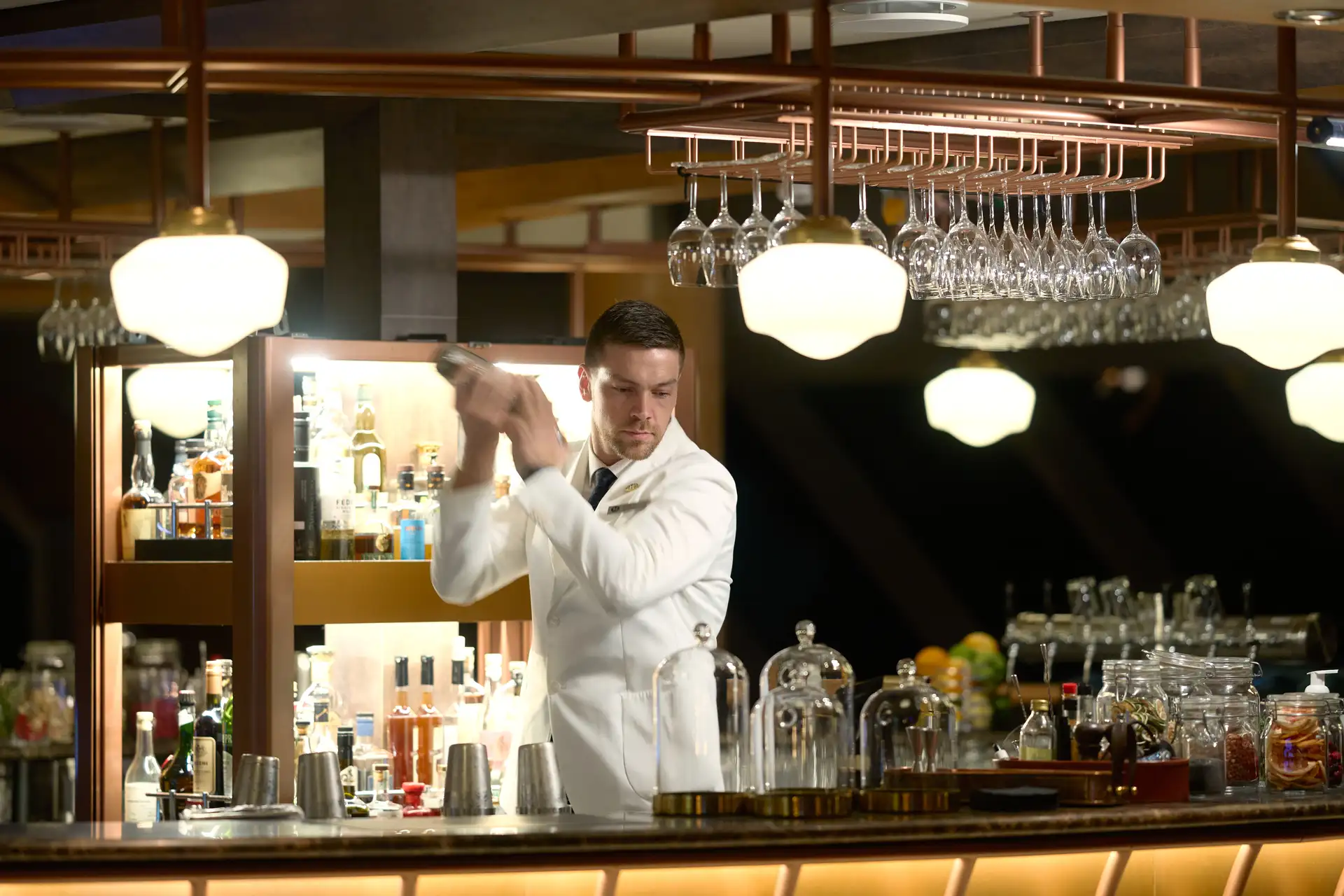
From aquavit and ancient mead to fierce loyalties and ingredient innovations, Norway’s drinking culture is where age-old traditions sit side by side with exciting new ideas.
Protected ciders and a new wave of Norwegian wines jostle for awards on the international stage. Alongside them, craft gins, whiskies and beers reflect the creativity of producers inspired by local landscapes.
Drinks in Norway are shaped by the coast, the climate, the seasons and local craft. Conversations are as likely to open up over a cup of coffee as over a glass of sea-aged wine, and even soft drinks come with a tale to tell. Every sip carries a deep sense of place.
Norway’s long and varied drinking culture encompasses everything from Vikings to sea-aged aquavit and fjord-side vineyards. For centuries, people brewed, distilled, pressed and preserved what the land and climate gave them. Grain, potatoes, honey, apples, berries and herbs all found their way into glasses.
Temperance politics and a drive to conserve potatoes and grain for food during the First World War led to a ban on fortified wine and spirits. Prohibition was lifted in the late 1920s and Vinmonopolet (Norway’s state-owned alcohol monopoly) was established. It’s still the only retail outlet in Norway licensed to sell alcoholic drinks stronger than 4.75%.
With wines, beers and spirits being so heavily regulated in Norway, so you might expect our drinks culture to be rather dull. But nothing could be further from the truth! If anything, this has helped to boost quality and innovation, meaning craft brewers, distillers, cidermakers and even winemakers are thriving like never before.

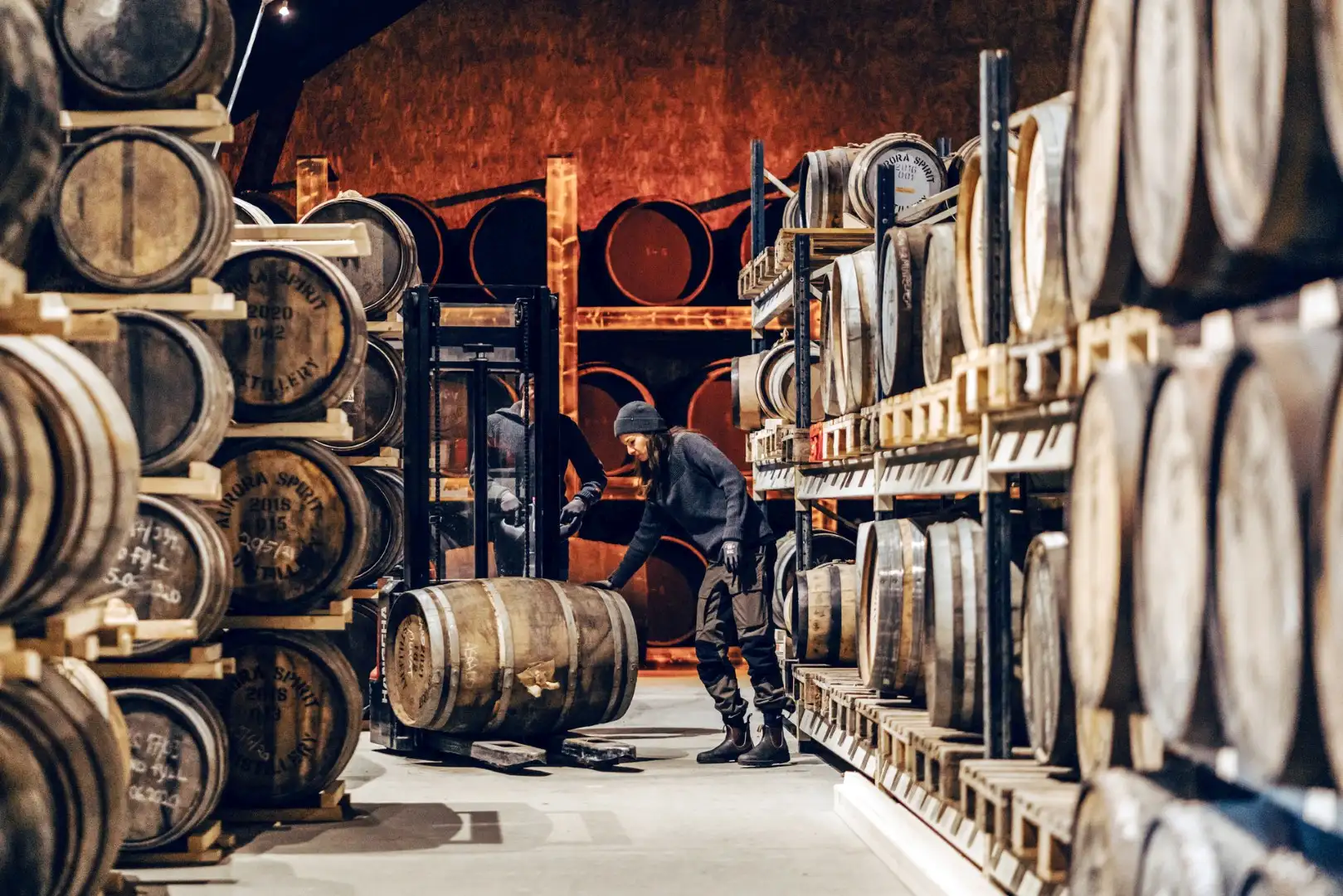
Aquavit is Norway’s national spirit. Its name comes from aqua vitae, meaning “water of life”. It’s been a staple of Norwegian drinking culture since the 16th century when it was a medicinal tonic. Today, Norwegian aquavit, with its notes of caraway, dill and seasoned oak, has Protected Geographical Indication status.
No Norwegian celebration feels complete without a glass or two of aquavit in hand. The go-to brand is Linie, one of the oldest and most famous Norwegian aquavits – every barrel matures on a sea voyage that crosses the Equator twice. The exceptionally refined Gilde Non Plus Extra is saved for extra-special occasions. For a craft aquavit, try Bivrost, made with glacial meltwater in the Aurora Spirit Distillery at 69° north.
But aquavit is only part of the story of spirits in Norway. Craft distilling has seen a real renaissance in recent decades. Alongside aquavit are gins infused with wild botanicals and birch, vodkas prized for their glacial clarity, and Norwegian whiskies shaped by long winters and luminous summers.
Norwegian brewing traditions go back centuries, but they have always reflected their surroundings.
Made from honey, water and yeast, mead – or mjød in Norwegian – has a deep link to Norse mythology and Viking feasts.
The Vikings earned their reputation as heavy drinkers but alcohol held religious and cultural significance too. Mead was especially sacred. Back then, honey was rare, so the Vikings saved mead for feasts and religious ceremonies.
Today, mead is making a comeback in Norway’s craft drinks scene, so you can once again drink traditional mead in Norway.
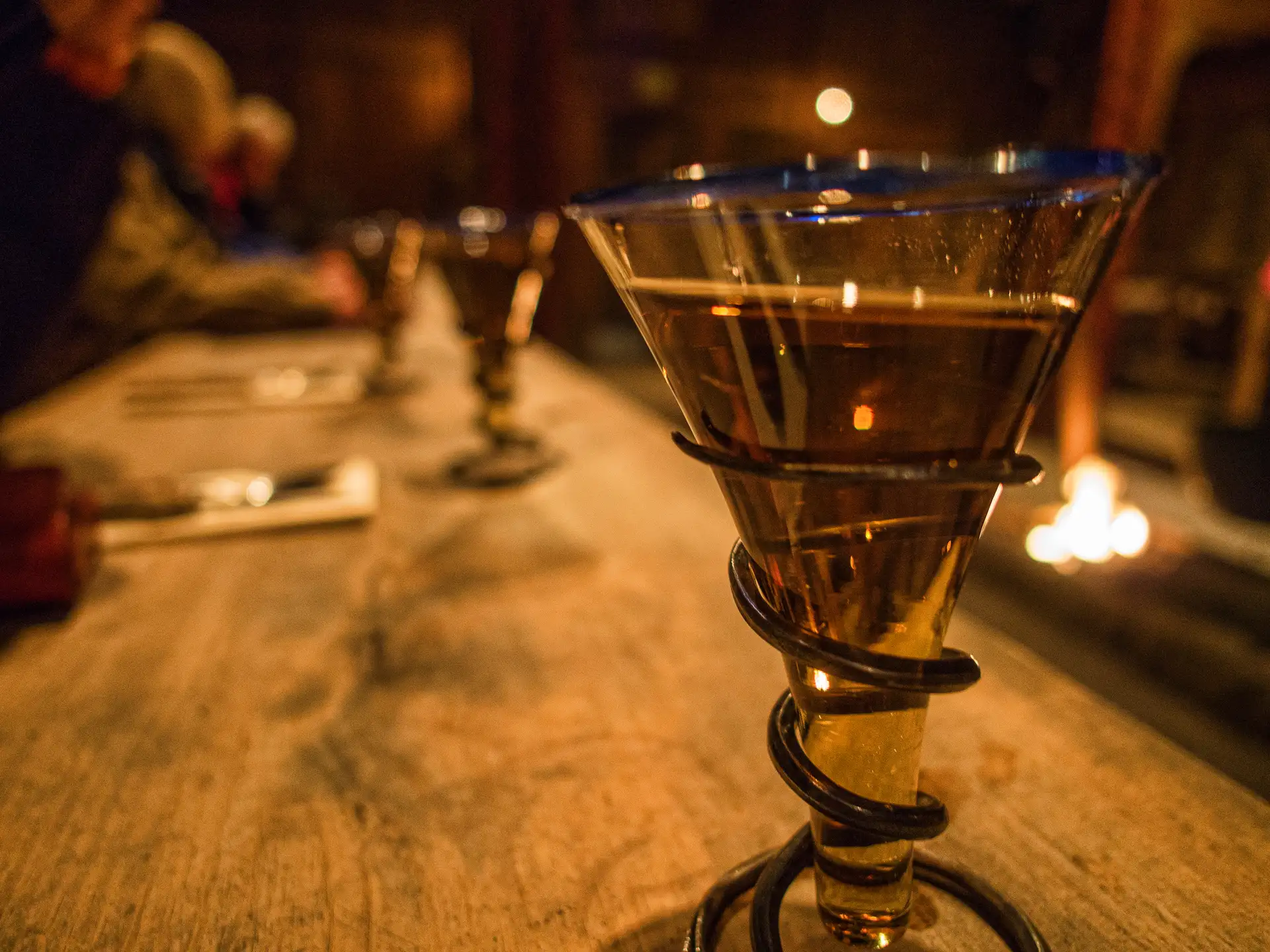

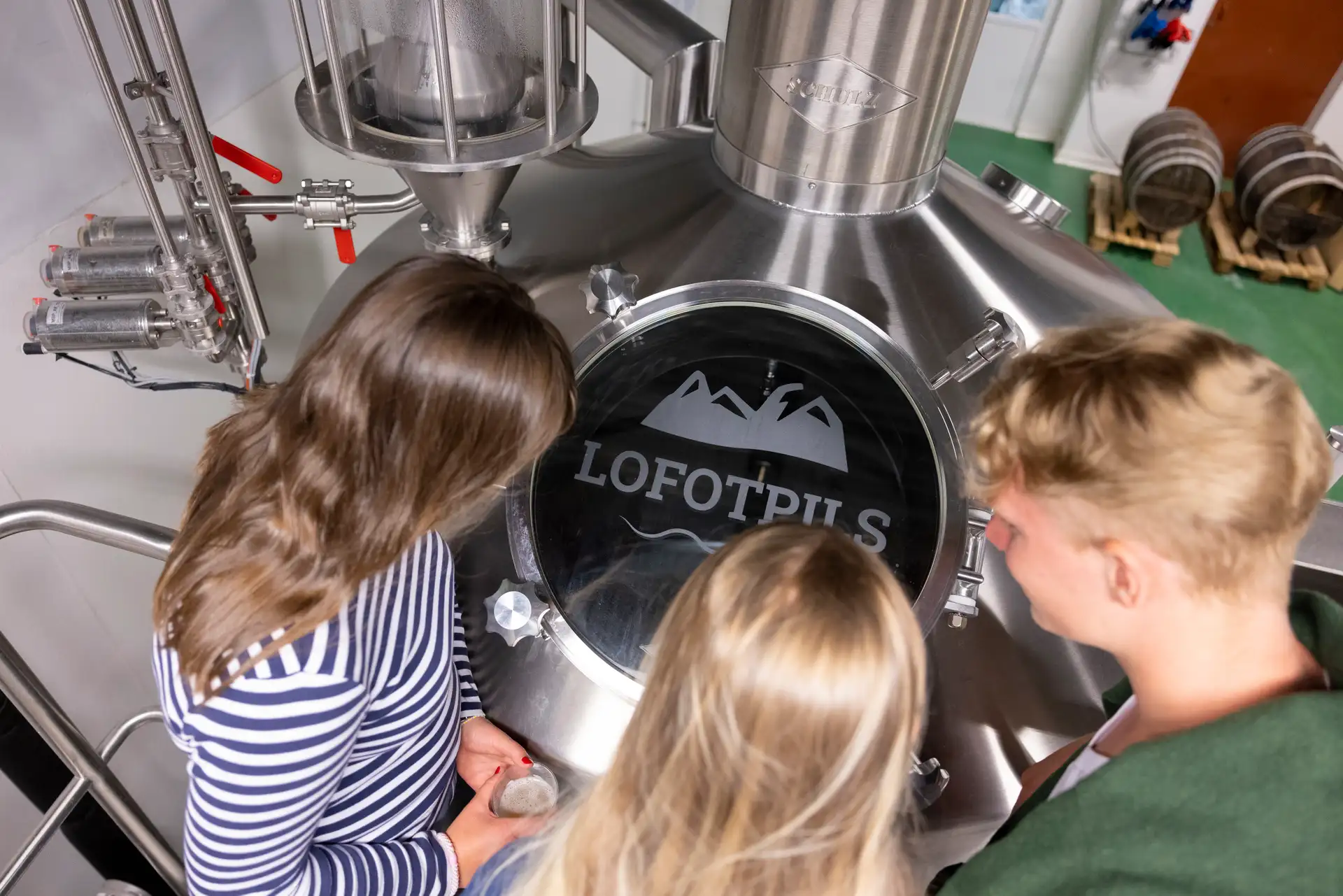
Beer has long been part of life in Norway, from traditional farmhouse ales to modern craft brews.
Norway’s crisp pale lagers and pilsners are prized for their clean character and easy drinkability. There are also wheat beers, amber ales and robust porters.
Traditional kveik-fermented ales – made with ancient Norwegian yeast strains known for their ability to ferment quickly and at high temperatures – echo older brewing customs.
More recently, a wave of craft breweries has brought fresh energy and experimentation to the scene. Some revive old techniques; others push in new directions.
Notable names include Lofotpils in the Lofoten Islands, Bådin in Bodø and Mack Brewery in Tromsø. Each shows a different side of Norwegian brewing, from crisp mountain-water pilsners to northern craft beer and Arctic brewing heritage.
You can try many Norwegian beers on board our ships, and visit some of the breweries on selected excursions.
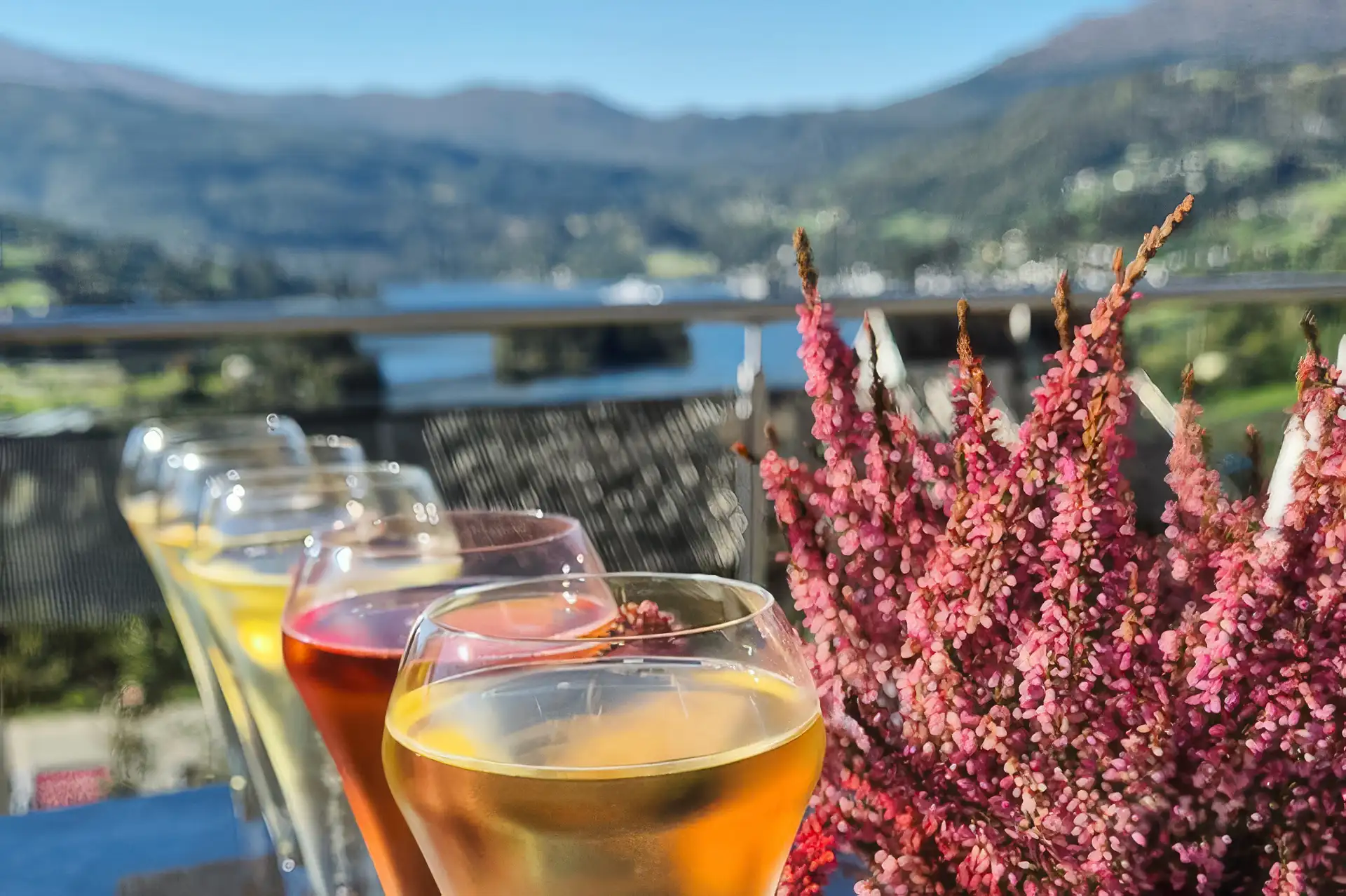
Norwegians talk about apples from Hardanger (the region around Hardangerfjord, Norway’s second-longest fjord) with real pride. Apples grown here to strict standards carry Protected Geographical Indication, a sure sign of their distinctive origin and quality.
The Vikings made an early form of cider in Norway, but Cistercian monks from England first refined the cultivation techniques in Hardangerfjord in the 13th century – and Norway’s cidermaking industry is even more exciting today.
Modern Norwegian cider producers blend traditional methods with a dash of unexpectedness to create fresh new flavors. No wonder Norwegian ciders frequently win international awards.
Norway might not be the first country you think of for wine, but that’s starting to change.
From Sognefjord and the fruit-growing landscapes of Hardanger to sheltered Oslofjord and the rolling countryside of Telemark, vineyards are emerging wherever slopes and long summer days can help vines ripen. Reflected light and warmth from the waters of our fjords helps too.
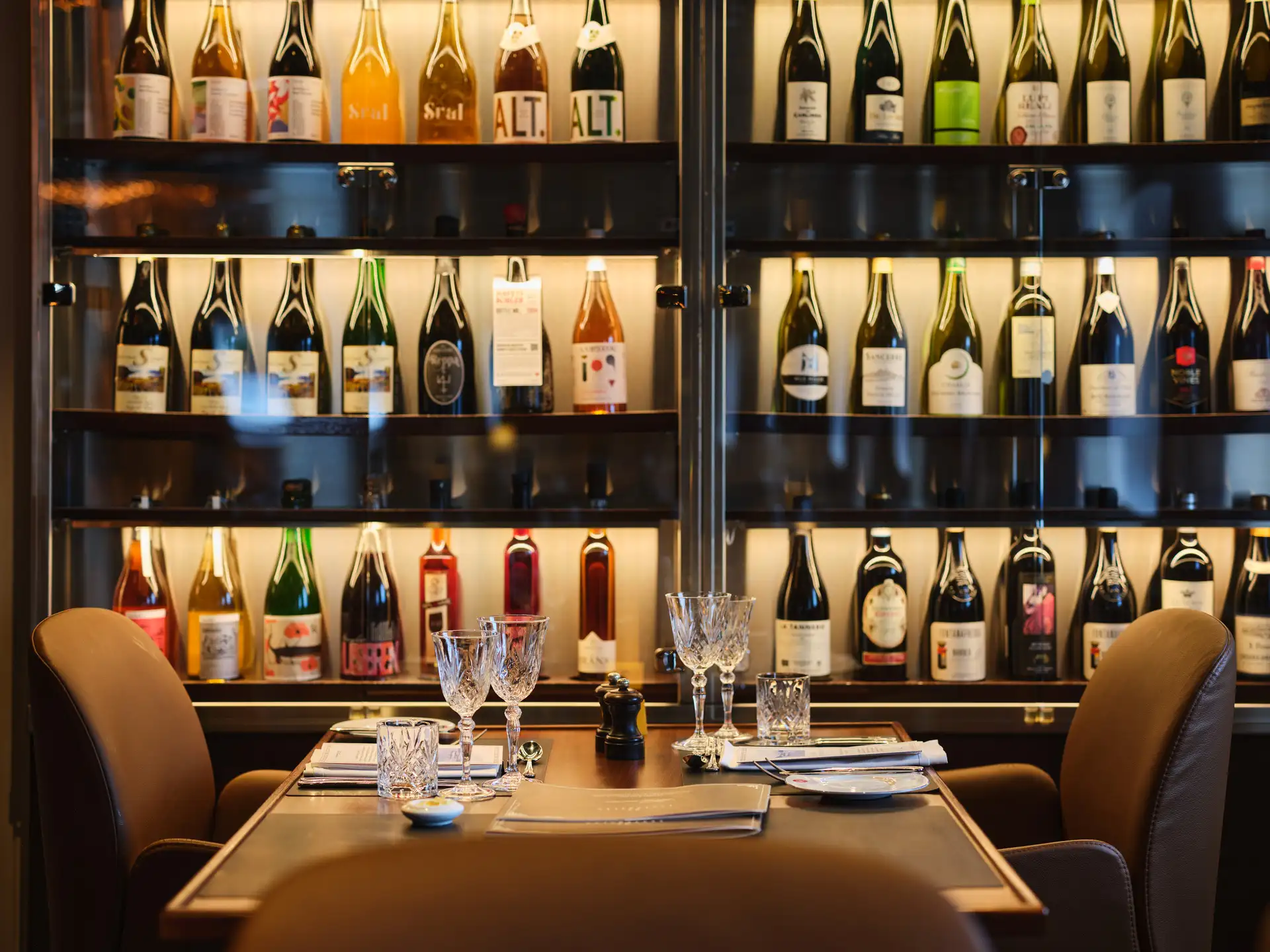
Though still small in scale, Norway’s winemakers are growing in ambition. They’re crafting wines with a unique sense of place and pushing the boundaries of what is possible. There’s even sparkling wine aged on the Arctic Ocean floor.
More traditional in Norway are fruit wines. These can be made from raspberries, rhubarb, plums, apples and other Nordic fruit.
Norway’s drinks culture goes far beyond beer, wine and spirits. We make many alcohol-free options with the same attention to ingredients as alcoholic drinks.
As well as alcohol-free beers, wines, ciders and popular sodas such as Mozell, which is often drunk as a non-alcoholic alternative to Champagne, you'll find a range of sophisticated juices, kombuchas and mocktails.
Made from Nordic ingredients such as apples, herbs, tart lingonberries, blueberries and cloudberries, they are a 0% expression of Norway’s landscapes and seasons, and made even more delicious by the pristine growing conditions and long

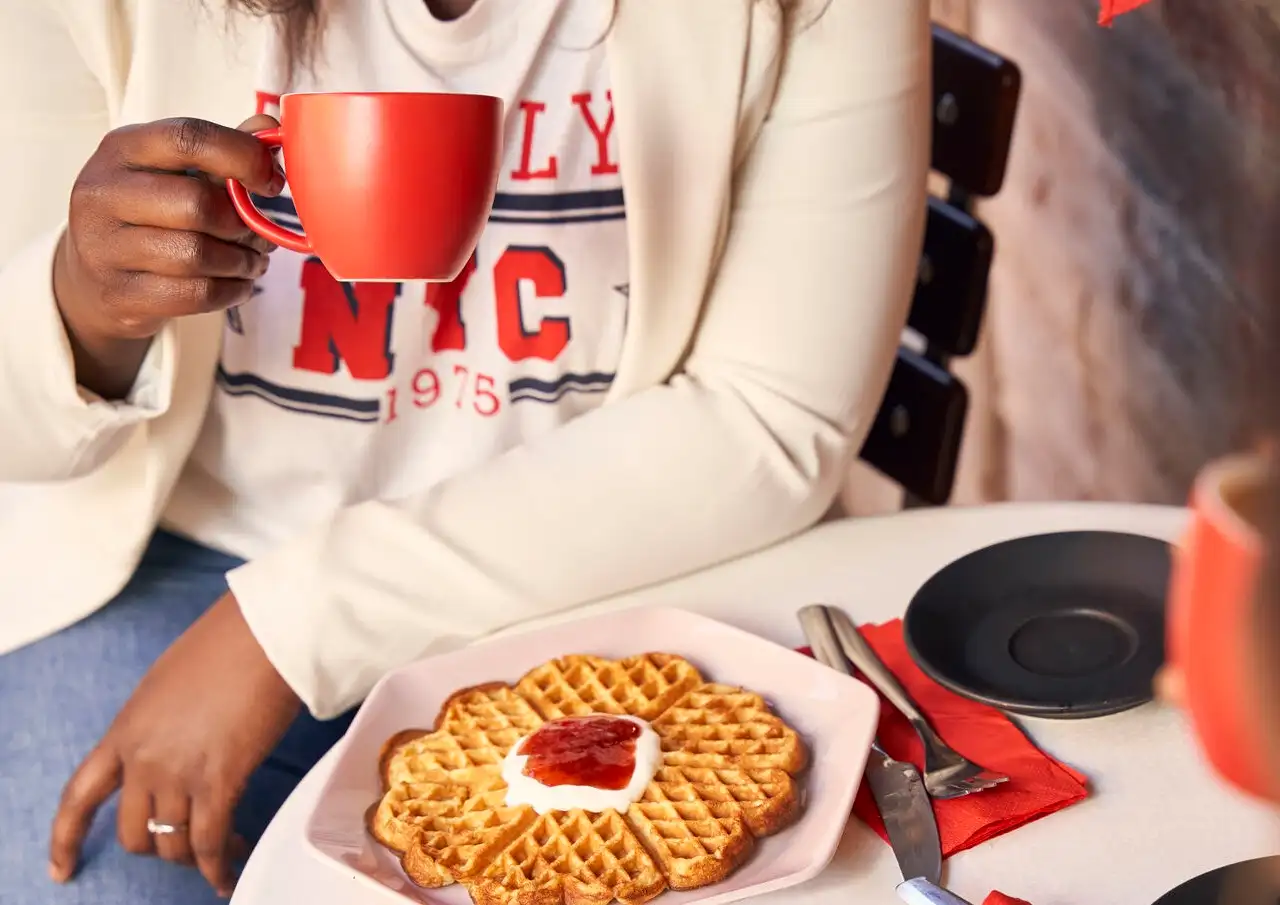
Norwegians are among the world’s biggest coffee drinkers. Kaffe is part of our social fabric. A kaffepause (coffee break) is a real pause in the day – a time for conversation, not a quick caffeine fix.
At home, we welcome friends with a cup and some waffles or cinnamon buns in the cozy ritual known as kaffekos (coffee cozines). Outdoors, we have bålkaffe (bonfire coffee), strong coffee brewed over an open fire and shared on a long hike or ski trip.
So when you lift a steaming cup of coffee to your lips, you’re actually taking part in one of Norway’s most loved daily rituals.
Norway’s modern drinks culture is full of surprises. Norwegian brewers, distillers and bartenders often look at the landscapes around them for inspiration and for ingredients, finding them in the most unexpected places. This deep connection to nature has become a defining feature of modern Norwegian drinks culture.
Birch sap, spruce shoots, Arctic herbs, wild berries, locally foraged botanicals are just some of the ingredients used to capture the character of a particular region or season in a glass.

Seaweed is one of the most distinctive examples. Grown in the cold, clear Norwegian waters of the Norwegian Sea and Arctic Ocean and naturally rich in flavor, seaweed is increasingly used in beer, gin and cocktails. It brings a soft saline note that feels unmistakably coastal.
You can taste how versatile seaweed can be in food and drink on board our ships.
Ask any Norwegian when we know spring has arrived and it’s likely we’ll mention the year’s first utepils (a beer shared outdoors in the sun), which usually happens around Eastertime.
For an alcohol-free Easter celebration, there’s Solo. This fizzy orange drink is popular year-round but especially at Easter, when we love to drink it outdoors, often with an orange and a Kvikk Lunsj chocolate bar.
We also sip it on our Constitution Day, on May 17, which brings plenty of its own drinking traditions, including a Champagne breakfast and aquavit.
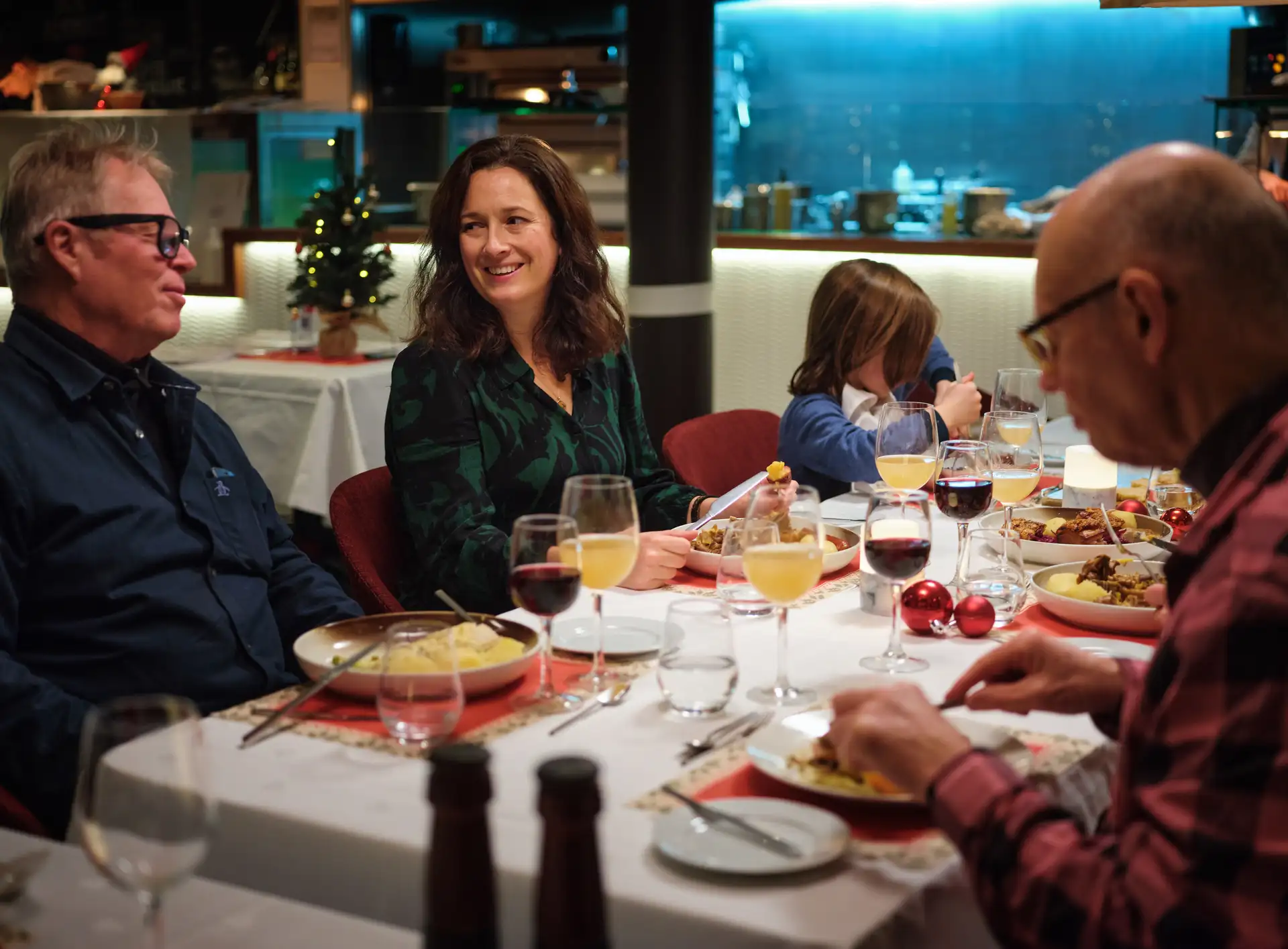
At Christmas, it’s all about julebrus (Christmas soda), which comes in two main varieties: fruity red or golden brown. Different regions of Norway are loyal to local brands and asking a group of Norwegians which one is best is guaranteed to spark a fierce debate. It’s common to pair your Christmas dinner with a glass of julebrus or juleøl (Christmas beer).
For something warmer, try gløgg. Norway’s answer to mulled wine is usually infused with cinnamon, cloves, cardamom and orange then served with raisins and almonds.
Whatever you’re drinking, when you raise your glass, say skål. Our traditional toast comes from the Old Norse word for "bowl", which is what the Vikings used to drink from – and not from skulls, as some tales would have you believe.
Sailing with Hurtigruten is one of the best ways to experience Norway's drinks culture. You can taste Norway in the drinks served in our restaurants and bars, with views of the coast that produced them. Every sip helps tell the story of Norway.
Bergen – Kirkenes – Bergen (Full-trip)
The original Norwegian coastal voyage – connecting fjords, towns & people since 1893
Oslo – Tromsø (Northbound)
All-inclusive Arctic cruise north along the Norwegian coast, with fjords & aurora views
Bergen - Longyearbyen - Bergen (Full-trip)
All-inclusive Arctic cruise to Svalbard & back, with fjords, wildlife & Midnight Sun
Aquavit is widely considered Norway’s national drink. This spirit, flavored with caraway and other herbs, has been part of Norwegian celebrations for centuries. Drink it the Norwegian way – at room temperature from a small, stemmed glass.
Vikings drank beer, ale and mead, a honey-based drink often saved for feasts and ceremonies. Mead had a special place in Norse mythology too, including the famous “Mead of Poetry”.
Drinking alcohol in Norway can be expensive compared with many countries, largely because of taxes and regulated sales. Soft drinks, coffee and alcohol-free options may also cost more than you’re used to, but not to the same extent. Our drinks packages on Original voyages and included drinks on our Signature voyages can help you keep tabs on costs.
At Christmas, Norwegians drink gløgg, a warming spiced drink similar to mulled wine, often served with raisins and almonds. Alcohol-free gløgg is popular too. You’ll also find julebrus, a much-loved Christmas soda, and aquavit served with traditional festive food.
You must be at least 18 years old to buy beer, wine and other drinks up to 22% ABV. For spirits and anything stronger than 22% ABV, you need to be 20 years old. Places selling alcohol are strict about checking ID.
Receive special offers, exciting new itineraries and fascinating articles delivered straight to your inbox.