Popular
Bergen – Kirkenes – Bergen (Full-trip)
The Coastal Express – Roundtrip
The original Norwegian coastal voyage – connecting fjords, towns & people since 1893
- Regular departures
- 12 days
- 34 Stops
- Full board (breakfast, lunch, dinner)
Norway in March brings brighter skies, longer days and a growing sense of movement as we start to welcome spring.

March in Norway is a month of balance. Winter is still very much present – in the snow-dotted landscapes and crisp Arctic air – but there’s a growing sense of momentum as daylight stretches and we spend more time outdoors.
It’s a rewarding time to visit Norway, offering excellent conditions for skiing and dogsledding, and your last chance to see the Northern Lights before spring fully arrives.
As the spring equinox approaches on March 20, daylight hours increase and the sun climbs higher each day.
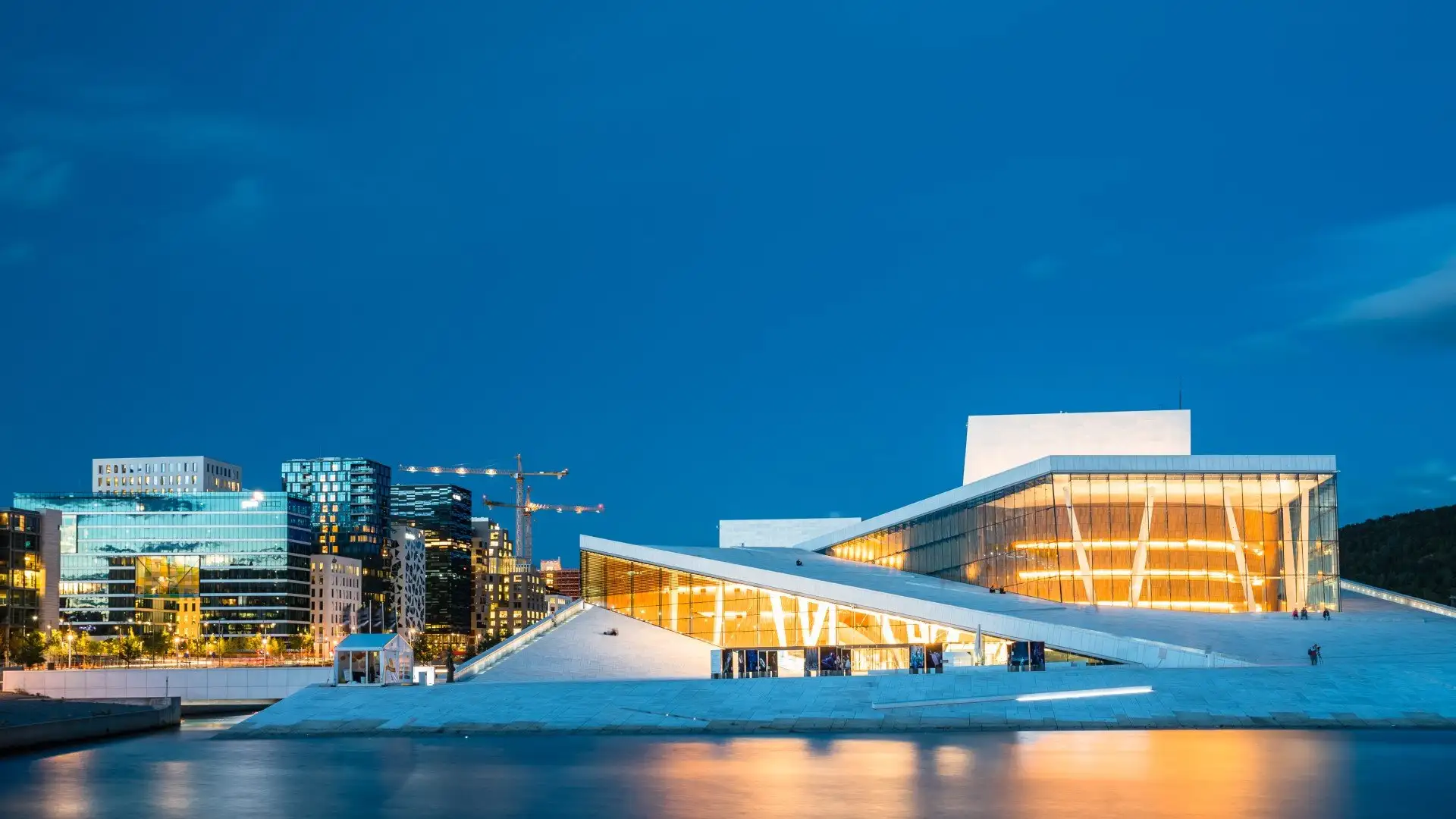
Expect noticeably longer days in the south at this time of year. Oslo in March gets lighter, the sun rises before 7am and doesn’t set until nearly 8pm by the end of the month. Days remain chilly, with average high temperatures of around 43°F (6°C), but are generally dry, offering good opportunities to get outside.

March is a transitional month in the fjords and around Trondheim, with melting snow feeding the waterfalls and fruit trees starting to sprout their colorful blossom. Be prepared for changeable weather – daylight hours are longer, but you can experience all four seasons in one day.
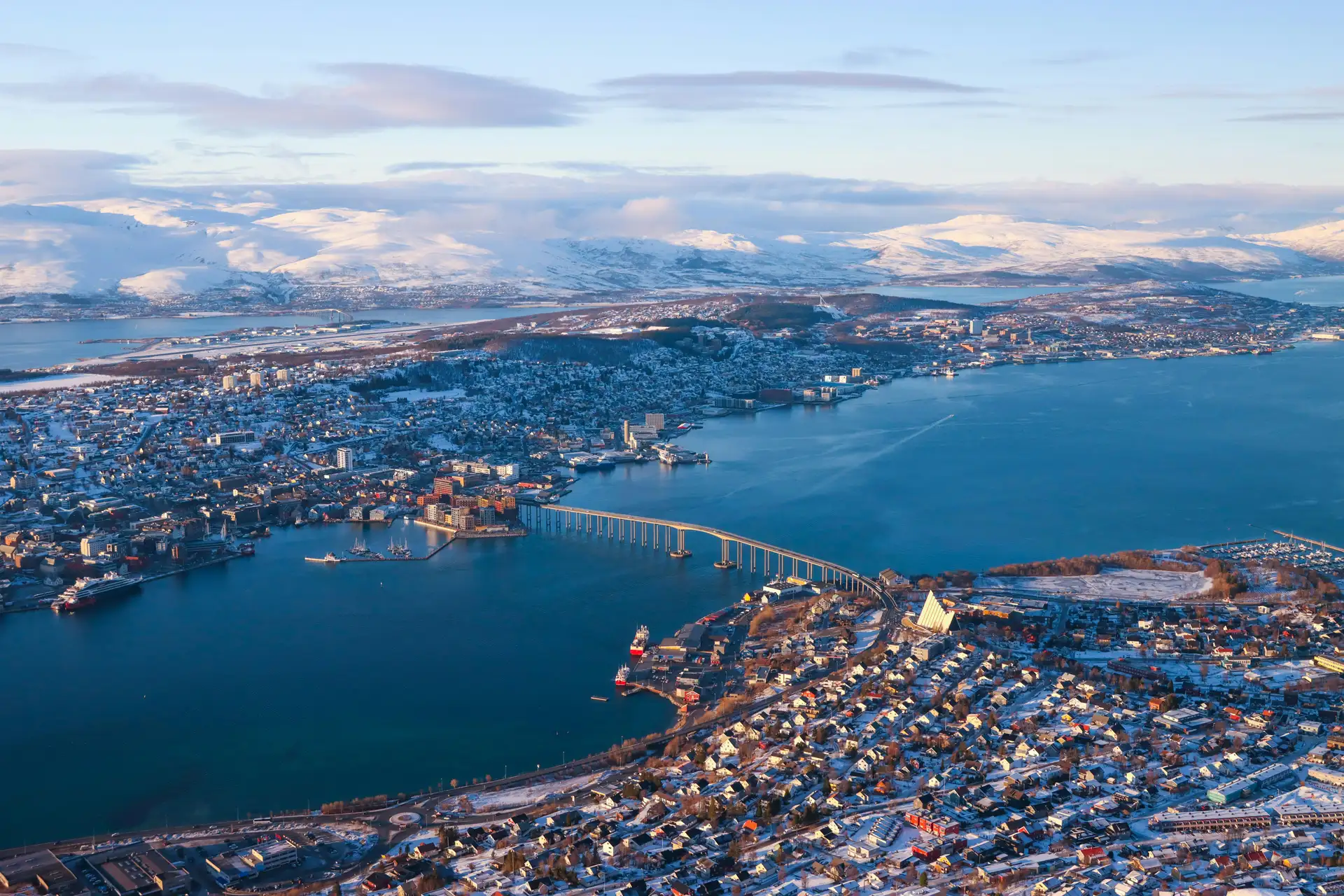
Above the Arctic Circle there’s still plenty of the snow, but sunlight makes its welcome return. Temperatures hover around freezing and nights are still dark enough for Northern Lights viewing. But by the end of the month, cities like Tromsø see nearly 14 hours of daylight – a sign of the approaching Midnight Sun.
Fresh air, flower buds and new shoots. March in Norway blends the lingering magic of winter with the first whispers of spring.
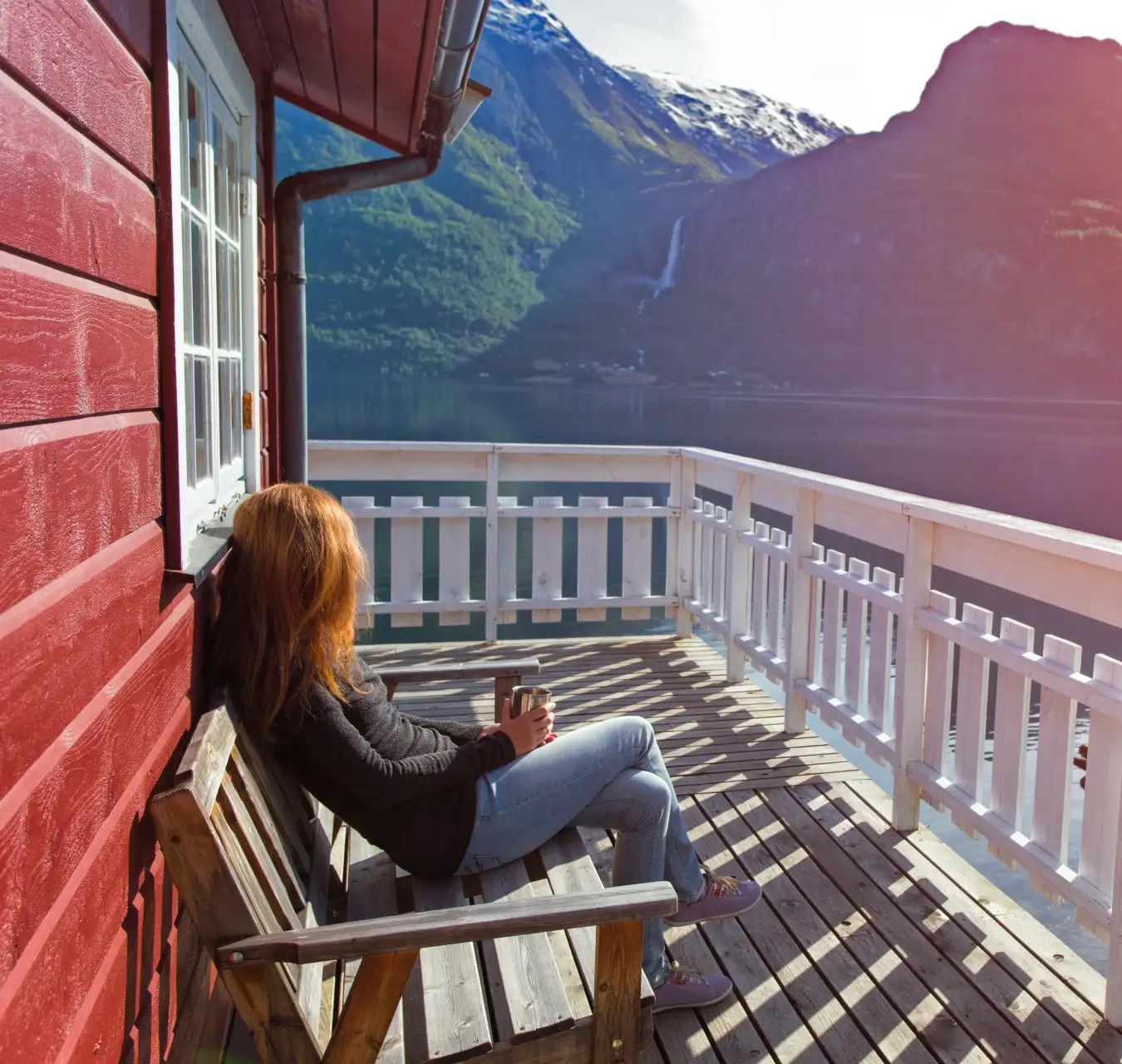
Like much of northern Europe, we welcome the return of the sun with open arms. After the dark winter months, March is one of the first opportunities to go hiking in better conditions, or to cruise the fjords as snowmelt creates hundreds of waterfalls. And yes, it might be chilly, but it’s time for the first utepils of the year – a beer shared outdoors in the sun.

Snow conditions remain good across much of Norway, but more light makes all-day adventures possible. Whether skiing, ski touring, snowshoeing or sledding with huskies, this is the time to enjoy the frozen landscapes before the spring snowmelt gets fully under way.
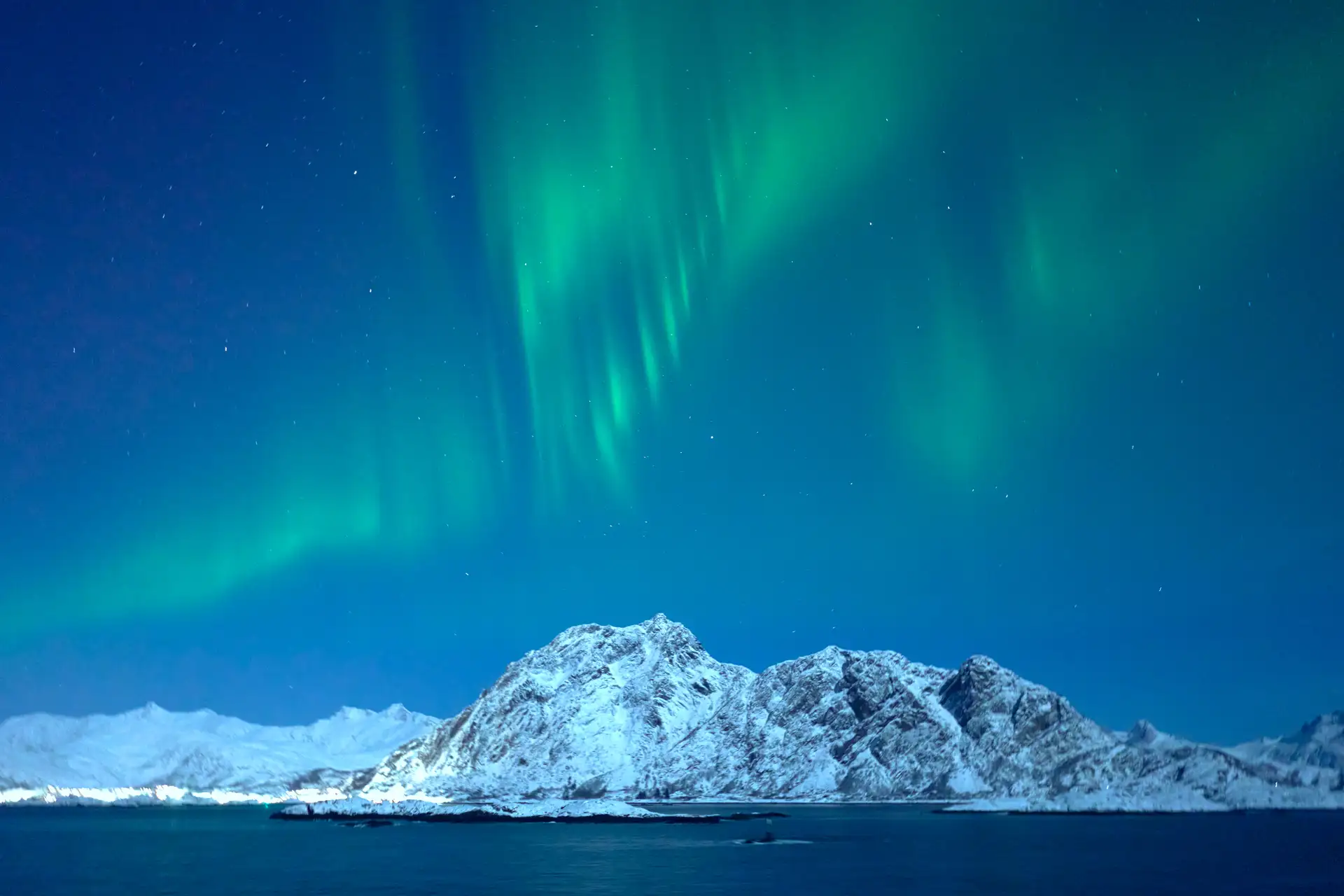
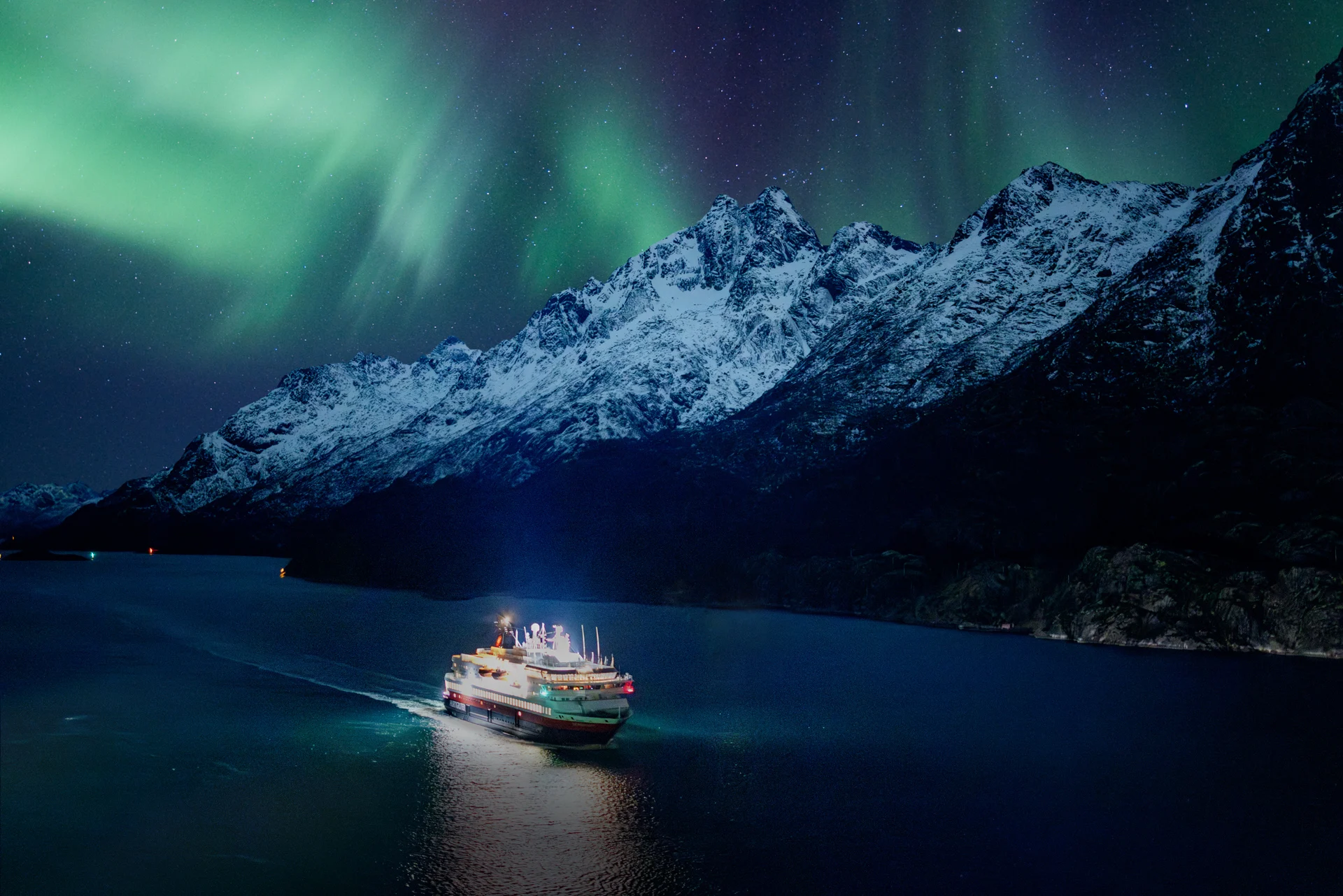
Northern Lights season in Norway runs from late September to late March, making this month one of your last opportunities to see the aurora before the Midnight Sun takes over.
Cruising up into the Arctic Circle offers the best likelihood to see the aurora borealis, thanks to its location under the Auroral Oval. There’s also less light pollution out at sea, meaning stronger and more visible displays.

Tromsø offers the ideal balance of light and dark at this time of year. Nights are still dark enough for Northern Lights viewing, while longer days reveal the surrounding mountains, fjords and coastline in crisp detail. Take the Fjellheisen cable car up to Storsteinen for wide views over the city and sea – a striking contrast between snow-covered peaks and the open fjords below.
Sail to Tromsø on either our North Cape Line, Arctic Line or Arctic Circle Explorer voyages to explore the city, visit the Polar Museum or even go dog sledding.

March is an inviting time to visit Trondheim, where winter slowly begins to soften and the city’s food culture comes into its own. Named one of the world’s top food destinations by Condé Nast Traveler in 2022, the city blends local ingredients with creative, modern cooking. Spend time wandering the charming Bakklandet neighborhood, crossing its old wooden bridge and tasting kanelboller (cinnamon buns) from local bakeries.
We spend a few hours in Trondheim on our Original Norwegian coastal voyage, the Coastal Express. Just enough time to sample the city’s culinary delights.
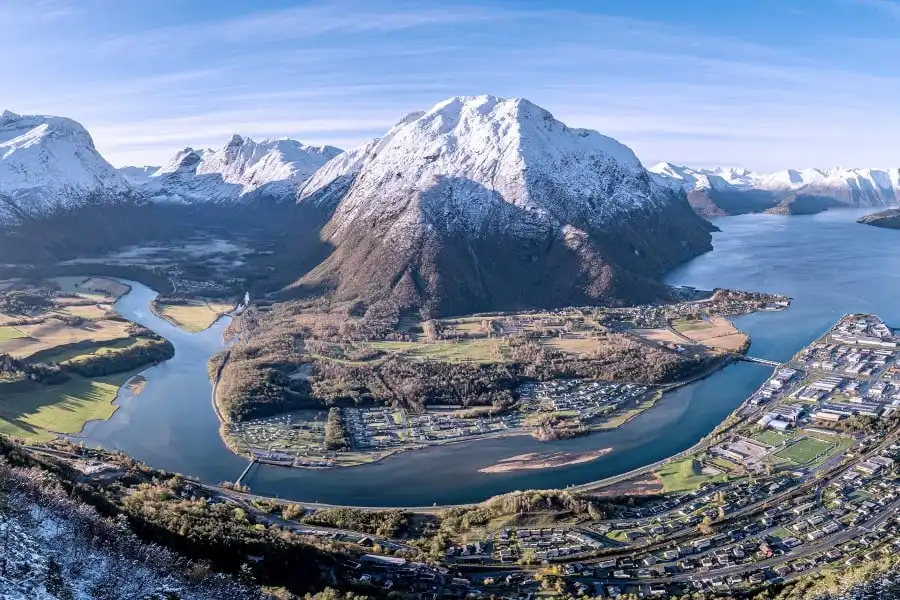
Expect fresh spring energy in Åndalsnes as the town hosts Romsdalsvinter, a winter festival dedicated to life in the mountains. Held in early March, it draws outdoor enthusiasts from across Norway who come to learn, explore and share their love of steep terrain and snowy peaks.
Time your visit with the festival on our March sailings of The North Cape Line (roundtrip and southbound voyages) to join guided ski or snowshoe tours, take part in courses on winter travel and avalanche safety, or listen to talks by mountaineers and outdoor experts.

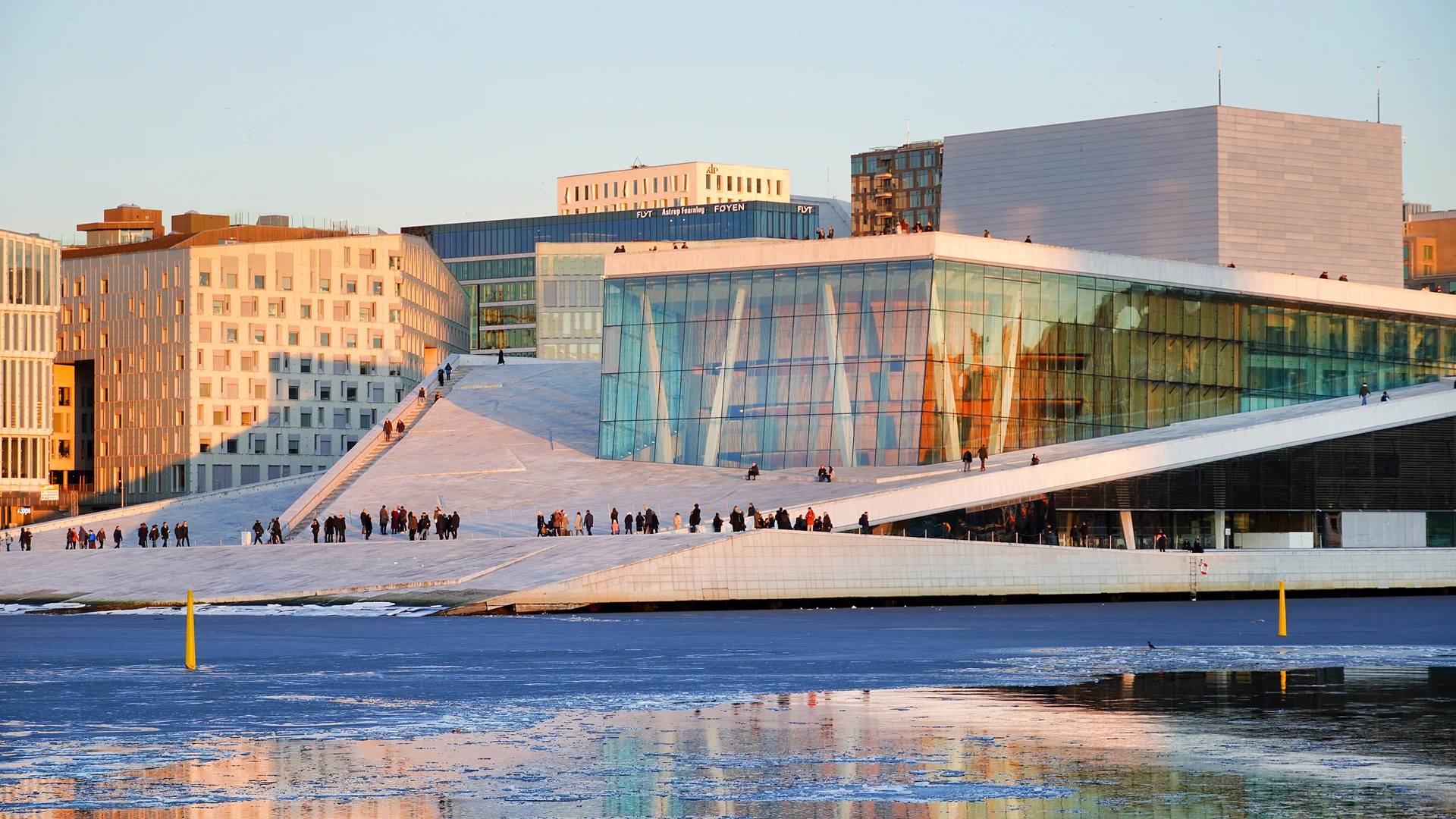
March in Oslo feels brighter and more social. Come mid-month, one of the season’s major highlights returns with the Holmenkollen Ski Festival. This historic event draws athletes and spectators together for a celebratory Nordic weekend of downhill skiing, cross-country skiing and ski jumping. It’s as much a public festival as a sporting event – filled with an atmosphere of shared excitement.
Begin or end your Nordic coastal adventure in the Norwegian capital on our North Cape Line voyage.
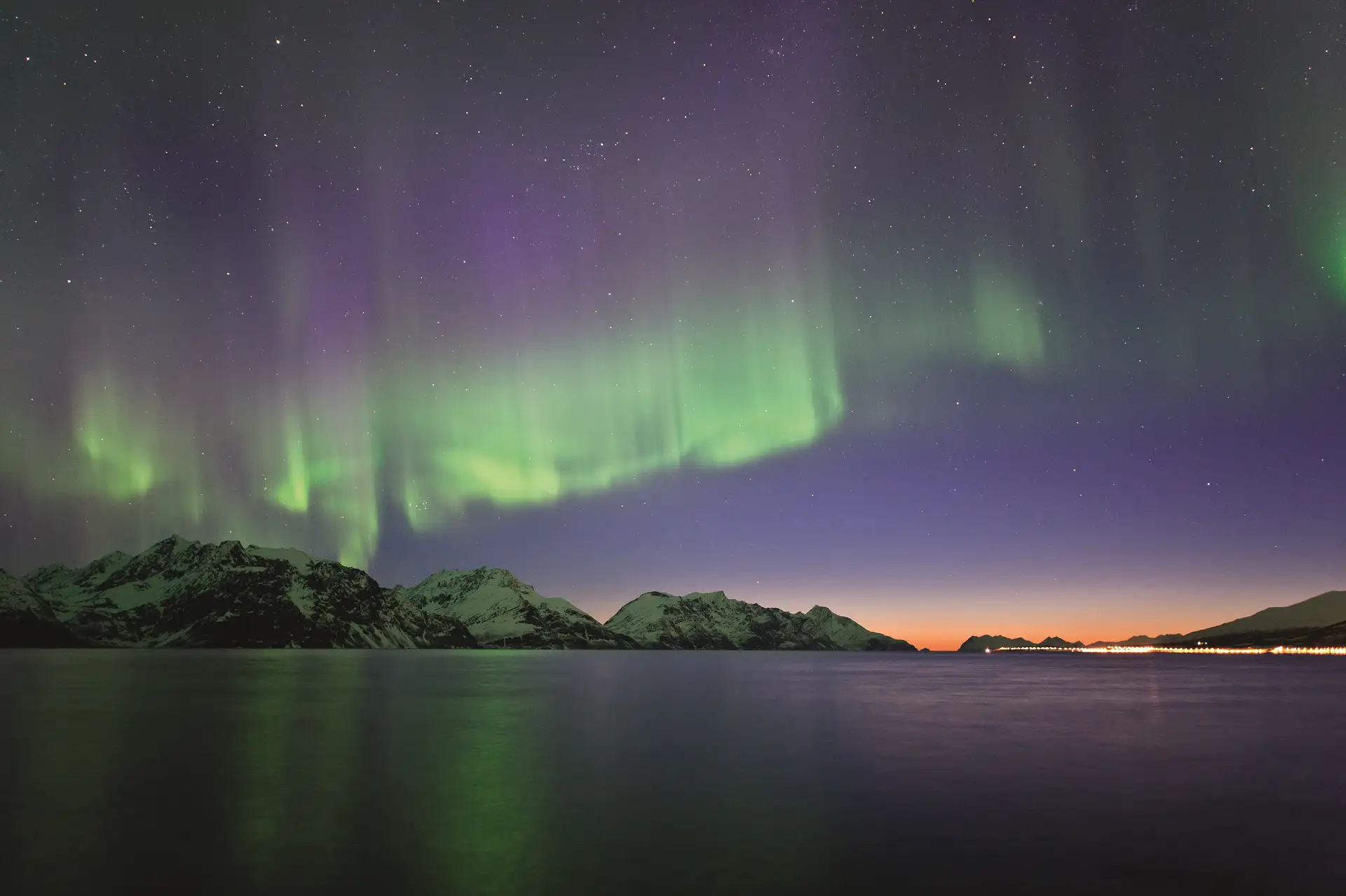
Early spring is often the last chance to experience the Northern Lights dancing across Norway’s northern skies. As the nights slowly grow shorter, auroral activity remains strong above the Arctic Circle, creating beautiful contrasts between the darkness and snow-covered landscapes.
And don’t forget about our Northern Lights Promise. When you sail with Hurtigruten between September and the end of March, we’ll give you a free voyage if the Northern Lights don’t appear on your trip.

Weather on the Norwegian coast can often be changeable but never more so than in early spring. In the south, it’s still cold but with brighter days and the first flowers, such as the snow-white snøklokker (snowdrops) and golden yellow hestehov (coltsfoot, dandelion-like early-spring flowering plant), begin to appear. Journey north and you’re likely to experience colder temperatures and snow.
It’s an ideal time to sail our Coastal Express route if you’re undecided on seeing spring landscapes or snowy scenes – in March, you’re likely to experience both.

In Norway’s far north, the Finnmark Race – Europe’s longest dog sled race – unfolds across 746 miles (1,200 km) of snow and ice, starting and finishing in Alta. Local communities line the trail, cheering on the mushers and their teams of dogs. Time your voyage on the North Cape Line with early March to experience the thrill for yourself.
Or follow in the pawprints of Europe’s toughest mushers and give dog sledding a go. Our excursion in Tromsø lets you glide across pristine snow under the Arctic sky, guided by seasoned mushers.
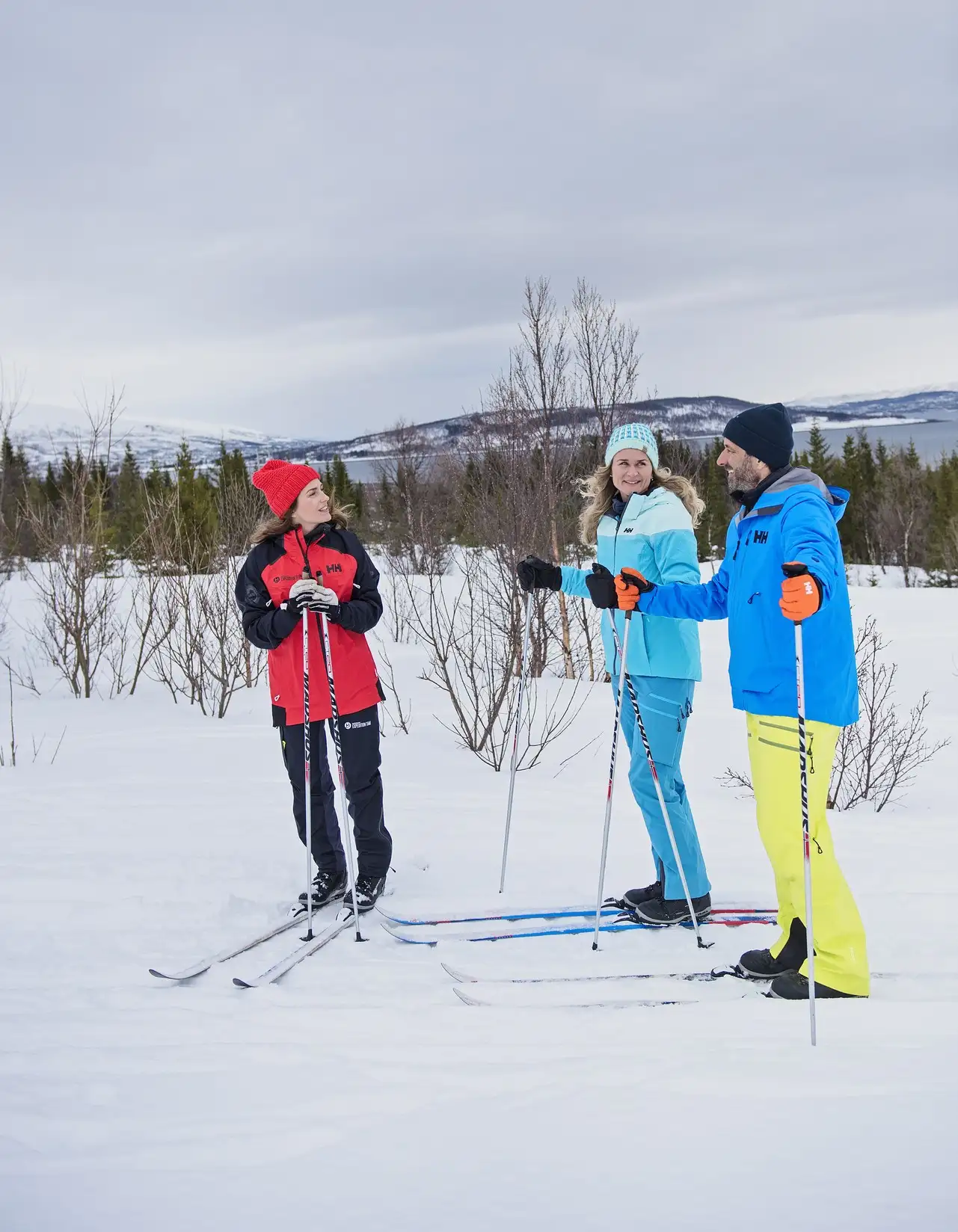
March is a rewarding time to head into Norway’s mountains. There's still plenty of snow, and longer days and brighter light make enjoying winter sports easier.
Ski touring routes remain in excellent condition, often with dry snow underfoot, allowing you to explore valleys and slopes. Whether you’re traversing open terrain or gliding through quiet mountain landscapes, this is a fantastic (and very Norwegian) way to experience the outdoors.
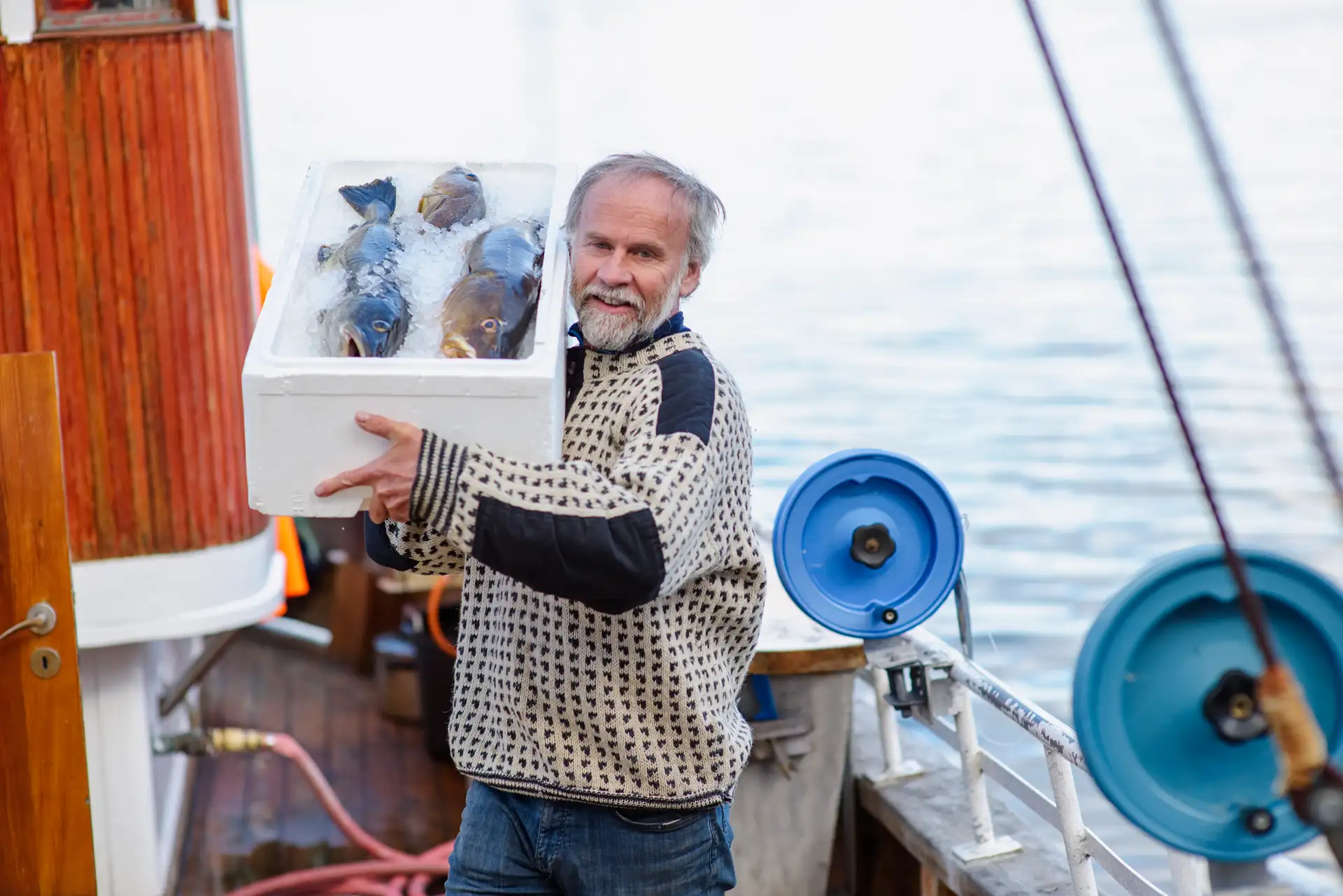
Each February and March, Norway’s northern coast turns its attention to the sea as skrei (Norwegian Arctic cod) gather in the cold waters to spawn. Nowhere is this more keenly felt than around Svolvær in the Lofoten Islands, where fishing traditions stretch back centuries.
The annual World Championship in Cod Fishing in March transforms the town into a lively meeting place for anglers and onlookers alike, all drawn by a shared question rising from the depths of the Vestfjord: who will land the biggest cod?
March brings small but welcome changes to Norway’s winter table. Comforting favorites still feature, but there’s a growing sense of lightness as the season begins to turn.
One much-loved tradition is Våffeldagen (Waffle Day) on March 25, when cafés and homes fill with the scent of freshly baked, heart-shaped waffles. Served warm, they’re traditionally topped with jam or a slice of sweet brunost (brown cheese) and enjoyed together with family or friends.

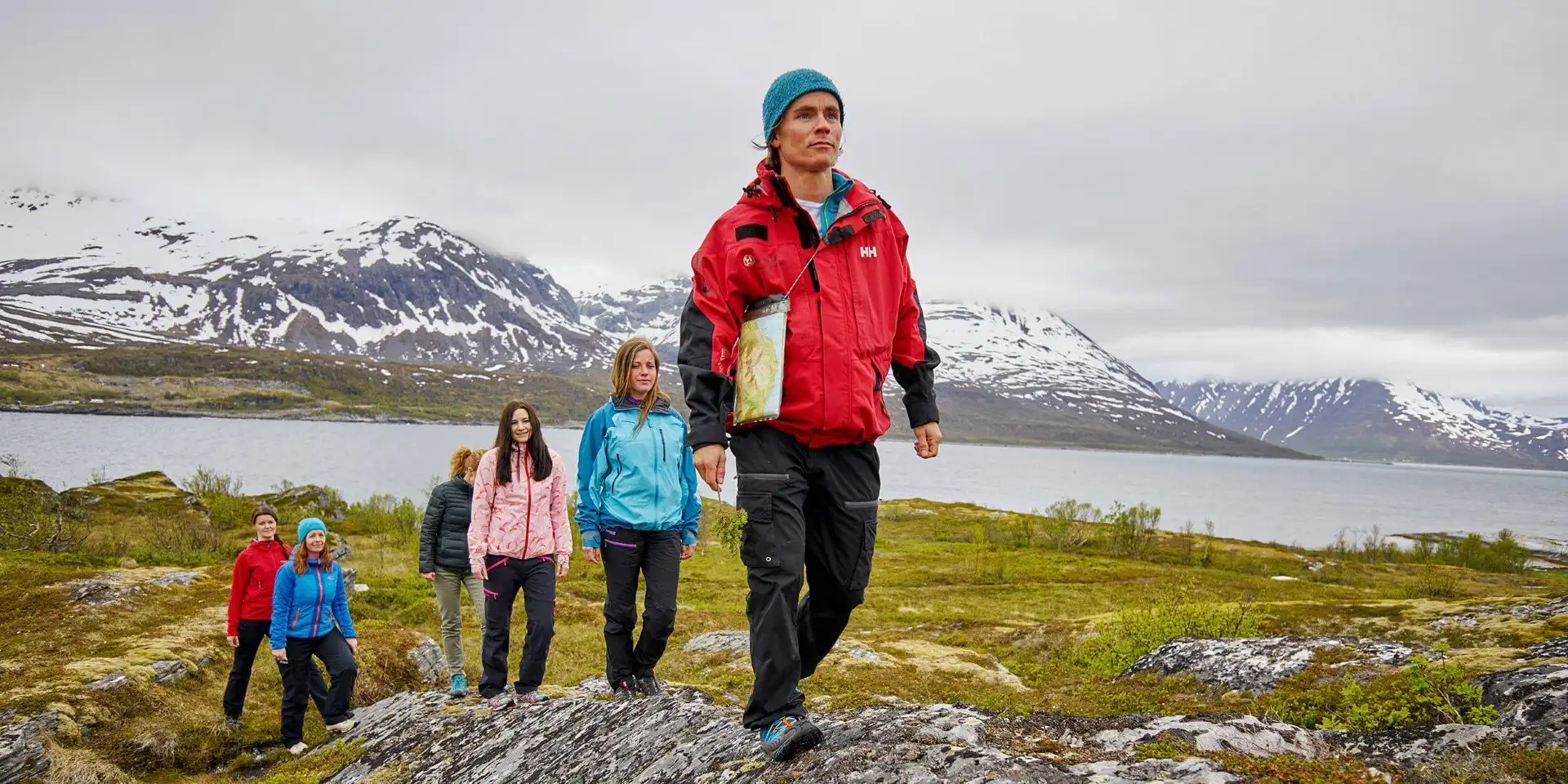
March still calls for warm layers and waterproof outerwear, especially in snowy regions and on the coast. Insulated jackets, thermal base layers and winter boots remain essential, particularly for outdoor activities.
It’s always a good idea to bring gloves and a hat to Norway – the weather can change on a whim during these transitional spring months.
Bergen – Kirkenes – Bergen (Full-trip)
The original Norwegian coastal voyage – connecting fjords, towns & people since 1893
Oslo - Honningsvåg - Oslo (Full-trip)
All-inclusive winter cruise to Norway’s North Cape, chasing the Northern Lights
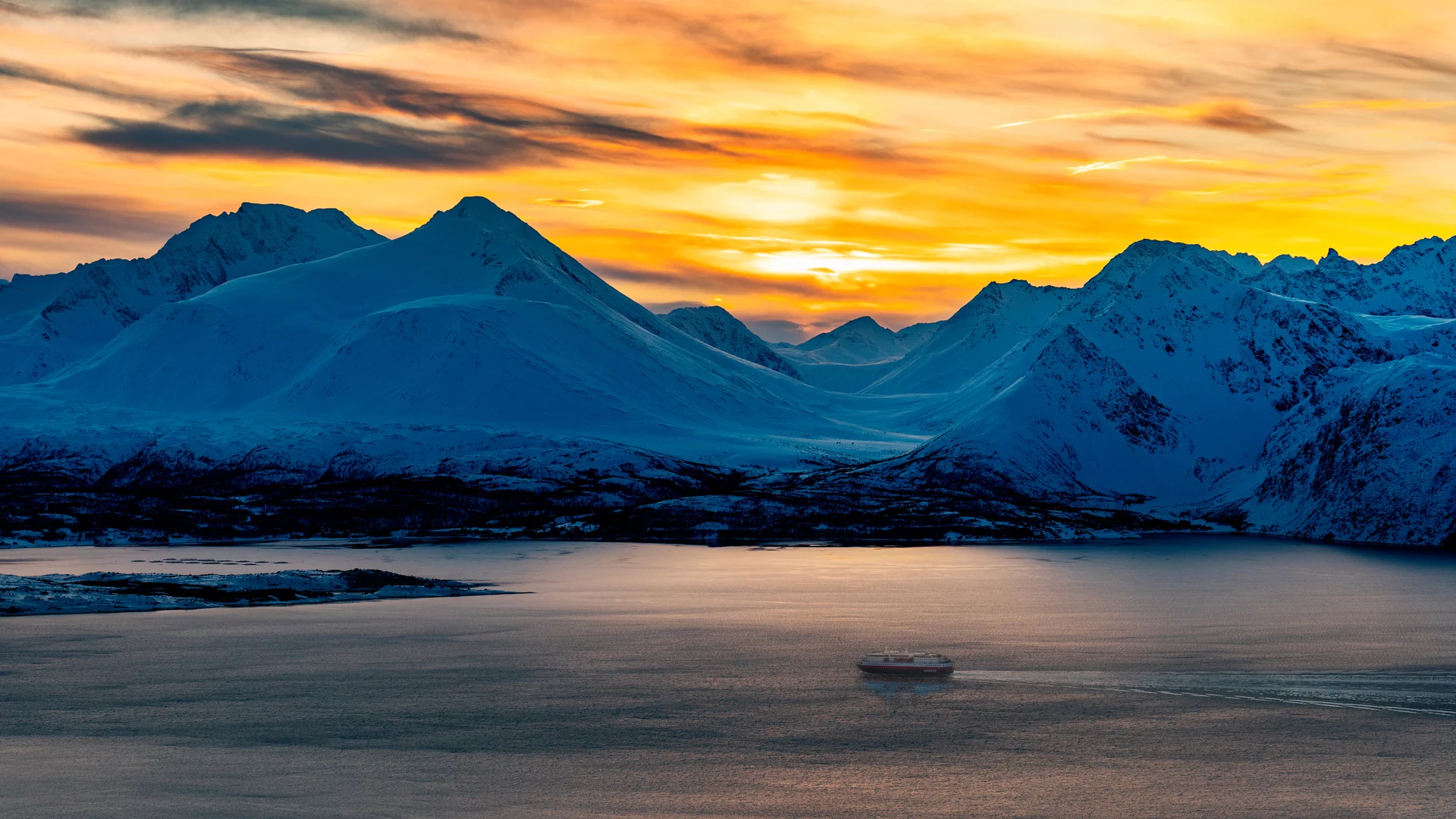
Tromsø - Honningsvåg - Tromsø (Full-trip)
Limited Collection voyage around the far north, chasing the Northern Lights
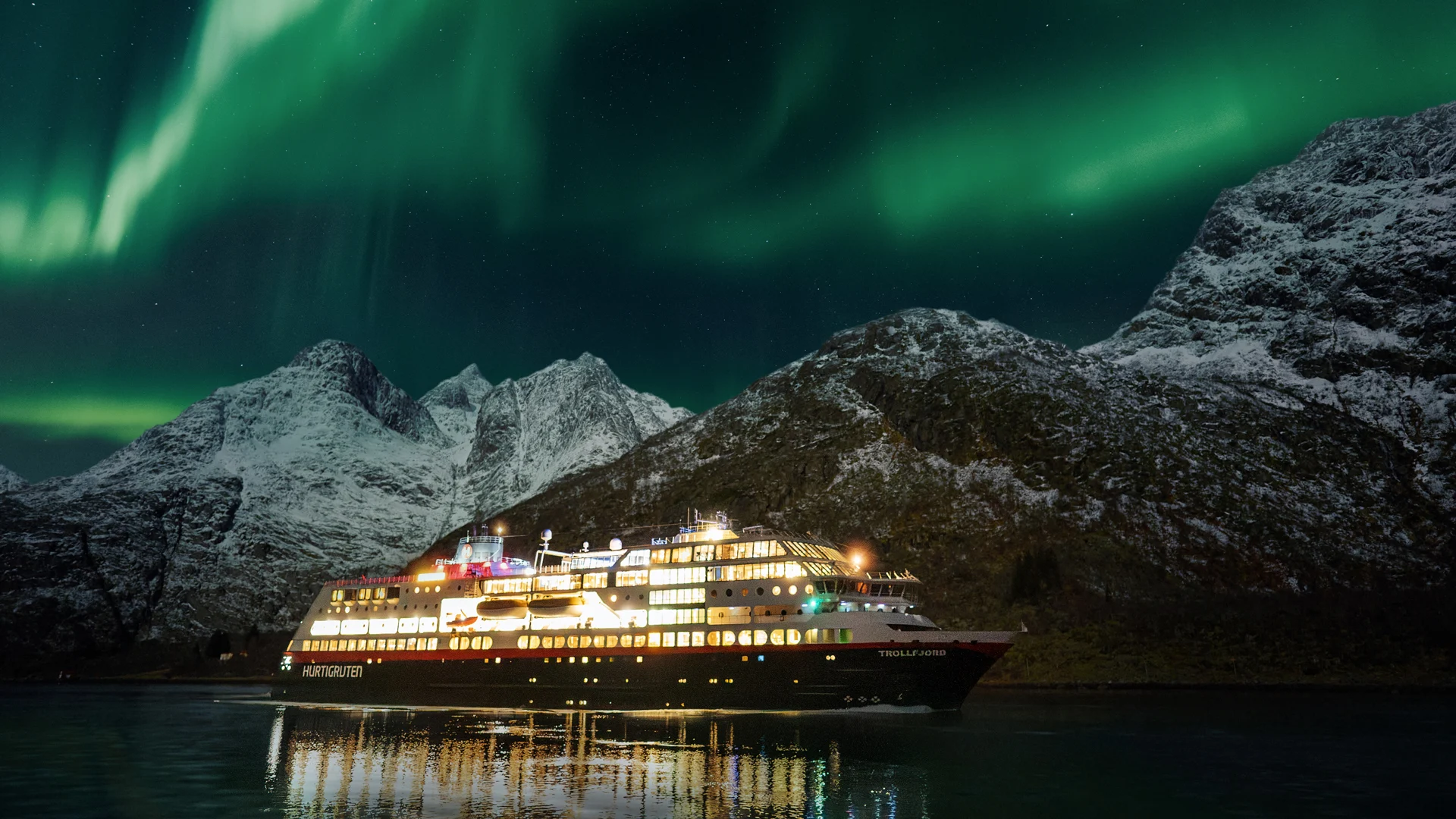
Copenhagen - Tromsø (Northbound)
Sail northbound from Copenhagen to Tromsø, discovering Arctic beauty and chasing the Northern Lights
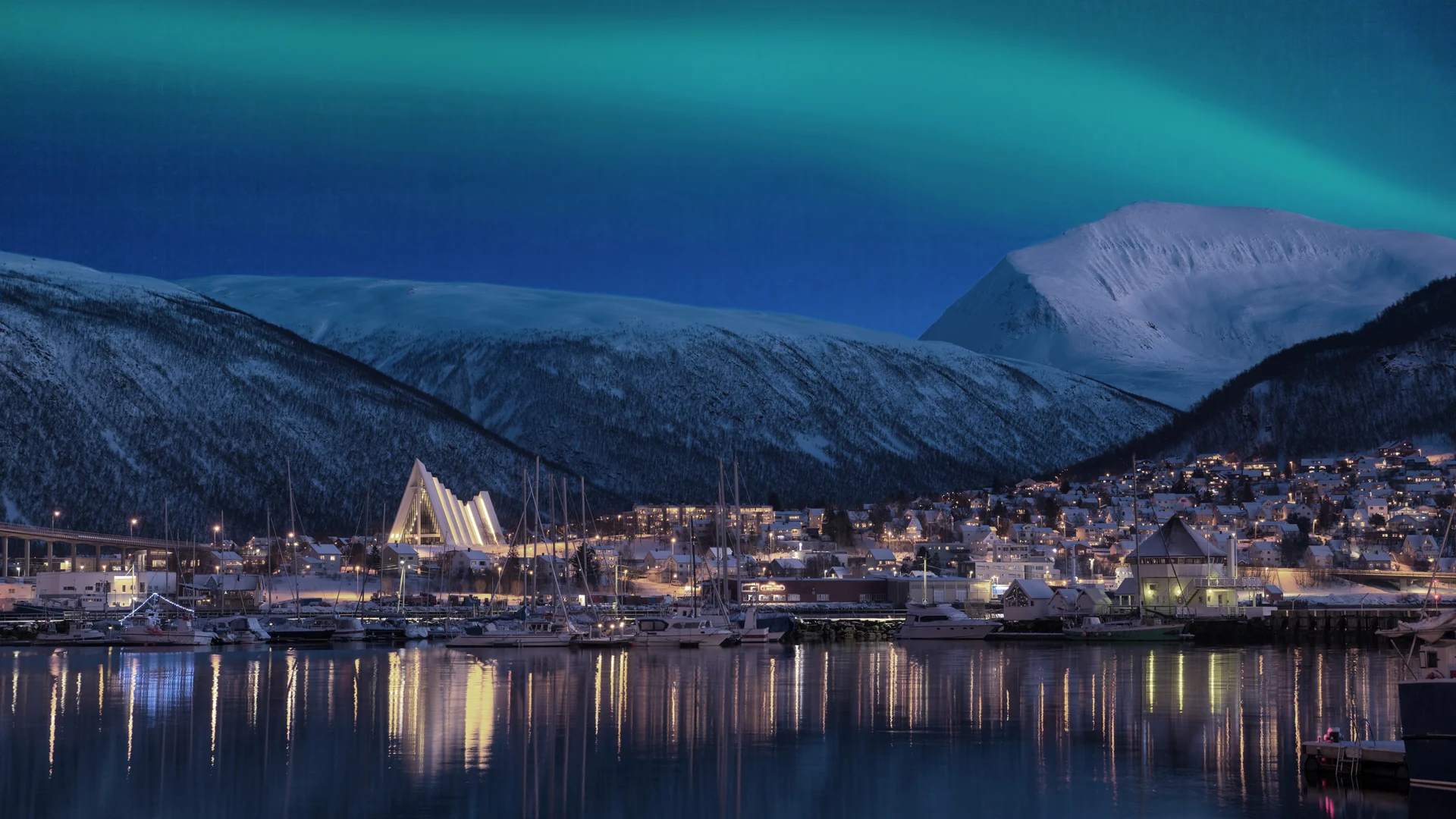
Tromsø - Copenhagen (Southbound)
Sail southbound from Tromsø to Copenhagen, discovering the Northern Lights and Arctic wonders
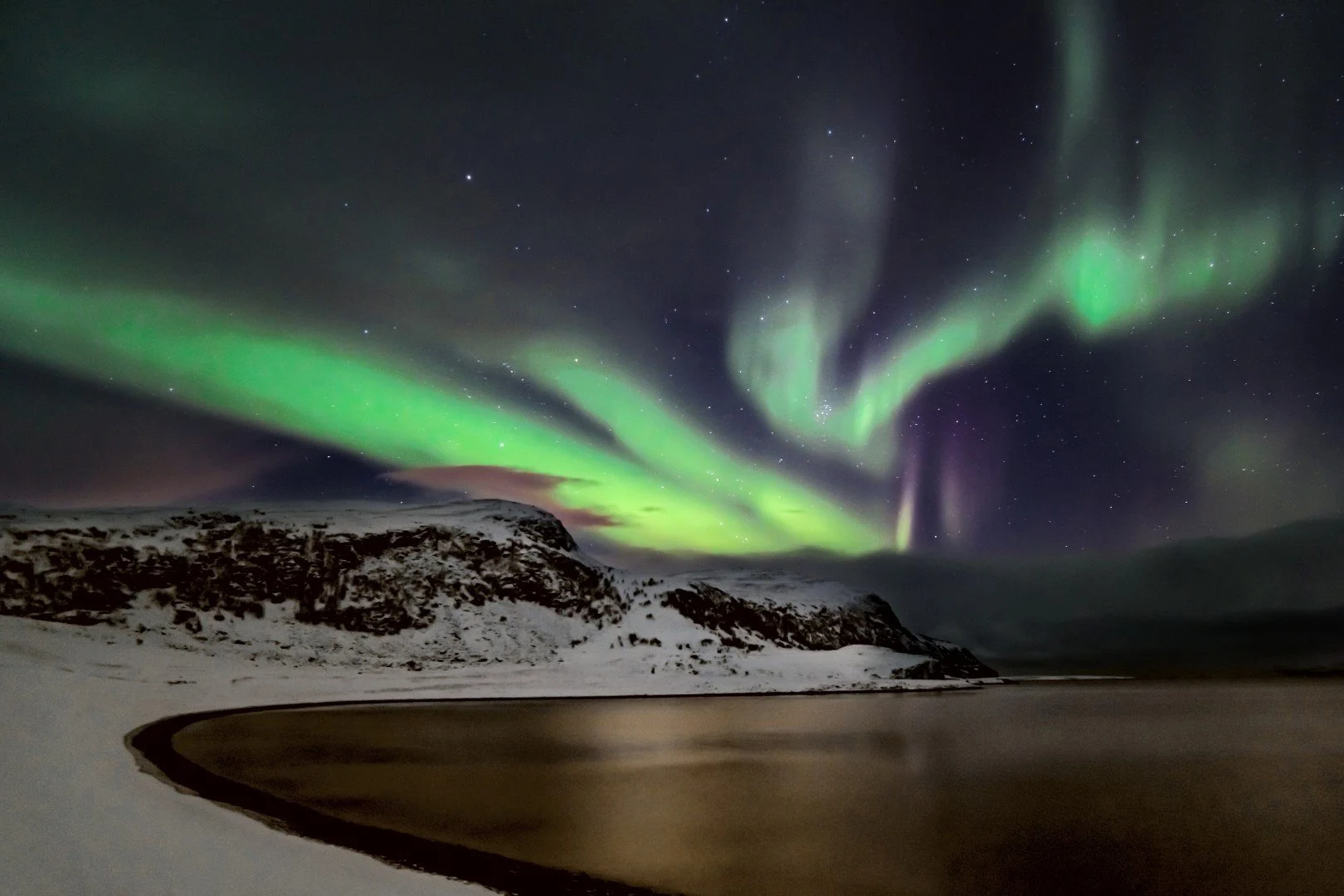
Oslo - Bergen - Kirkenes - Bergen (Full-trip)
Our classic voyage during aurora season, with Norway in a Nutshell & Flåm Railway
Bergen – Kirkenes (Northbound)
The northbound leg of our classic coastal route, from Bergen to Arctic Norway
Kirkenes – Bergen (Southbound)
The southbound leg on our classic coastal voyage, exploring beautiful archipelagos & fjordlands
Of course! It may still be cold but there are fewer crowds than summer, and March has its own pleasures: fresh air, new flower buds and the spring equinox.
The temperatures depend on which region you’re visiting. Oslo has average high temperatures of around 43°F (6°C), while northern Norway is closer to 32°F (0°C). But if you bring the right clothes, you’ll be comfortable in all conditions.
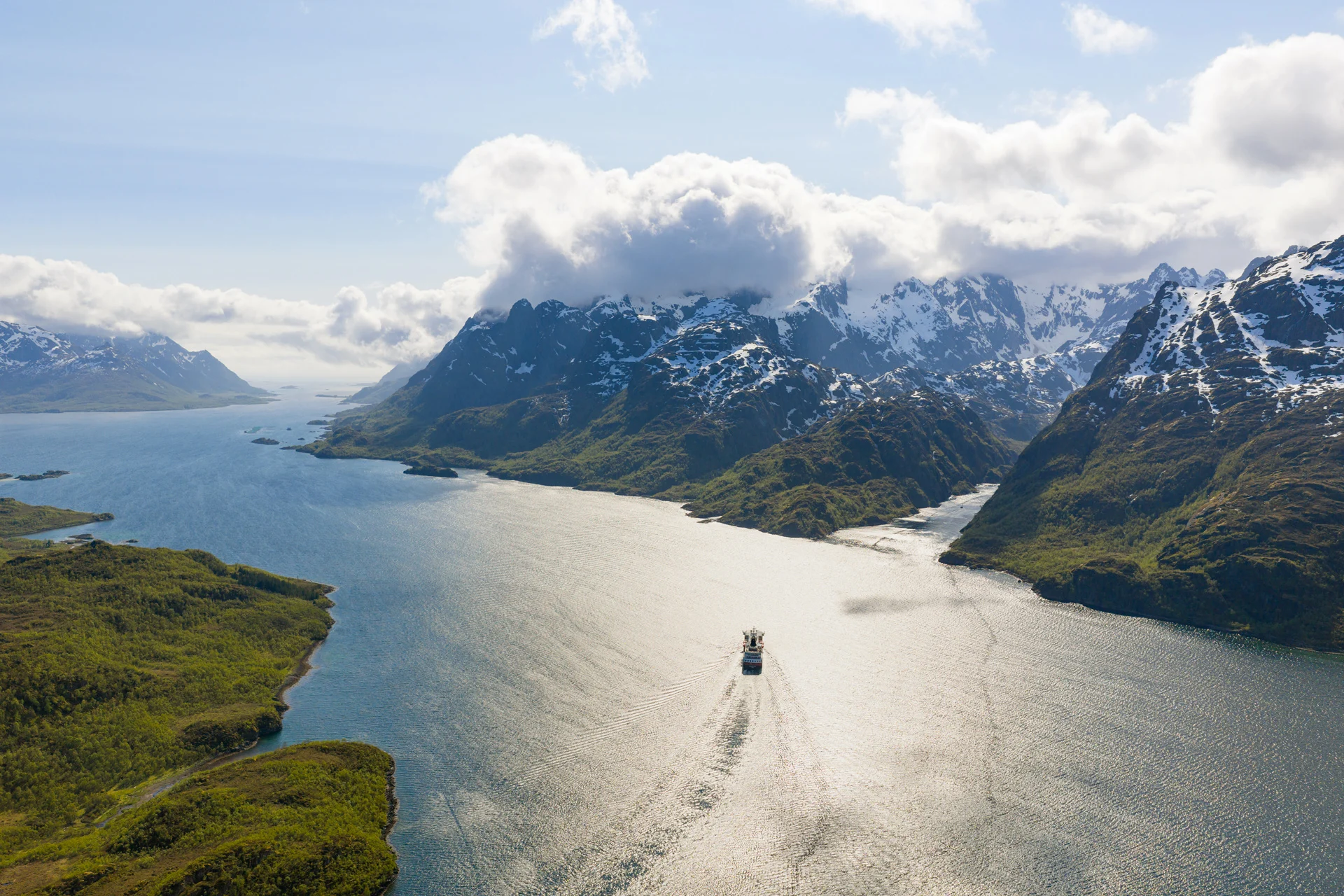
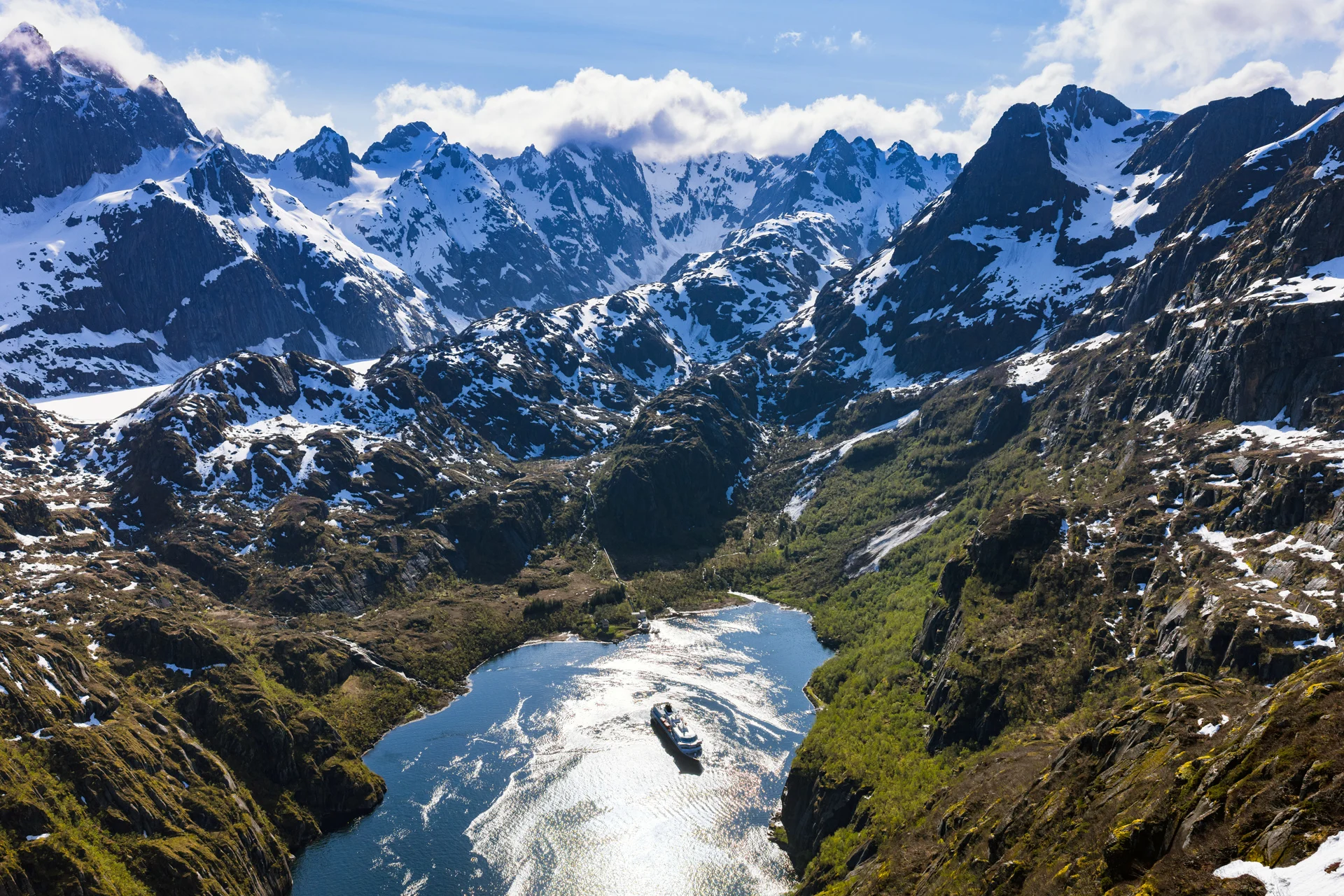
Absolutely. Some northern regions can freeze but generally most fjords are accessible and feature snowy scenery. Our North Cape Line and Coastal Express voyages can access iconic fjords in all seasons, such as Trollfjord, if conditions allow.
Yes, it is possible to see the Northern Lights in March, but this month is towards the end of the season. Your best chances lie in the Arctic Circle in areas with little light pollution. Read more in our guide on the best time and places to see the Northern Lights in Norway.
Practical layers, including insulating base layers and a waterproof outer layer, are essential. Winter boots are still needed in March, as well as gloves and a hat. It’s not full spring just yet!
Receive special offers, exciting new itineraries and fascinating articles delivered straight to your inbox.