Popular
Bergen – Kirkenes – Bergen (Full-trip)
The Coastal Express – Roundtrip
The original Norwegian coastal voyage – connecting fjords, towns & people since 1893
- Regular departures
- 12 days
- 34 Stops
- Full board (breakfast, lunch, dinner)
From immense humpback whales to eye-catching orcas, learn more about the different types of whales in Norway and the Arctic.
Stand along Norway's coastline and perhaps you'll see an iconic scene: red fisherman's cabins, snowcapped mountains, vast skies either lit by the Midnight Sun or hushed by the Polar Night, and – of course – the ocean. But there's another world sitting beneath the waves, filled with fascinating creatures of the deep.
The waters off Norway and Svalbard are some of the richest whale habitats on Earth, and whales have been part of coastal life here for thousands of years. Learn about whales in Norway and the Arctic: which species live here, why they come and how they survive.
If you want to increase your chances of seeing whales on a Hurtigruten voyage, our guide to whale watching in Norway covers where and when.
Whales are a large and diverse group of marine mammals, found in oceans all over the world.
As mammals, whales give birth to live young and need air to breathe, just like us. But because they spend most of the time underwater, whales have a very handy adaptation – a blowhole that helps them inhale and exhale easily at the water's surface.
It's good that they do, because we have a better chance of spotting whales when they're surfacing for air!
There are two types of whales: baleen whales and toothed whales.

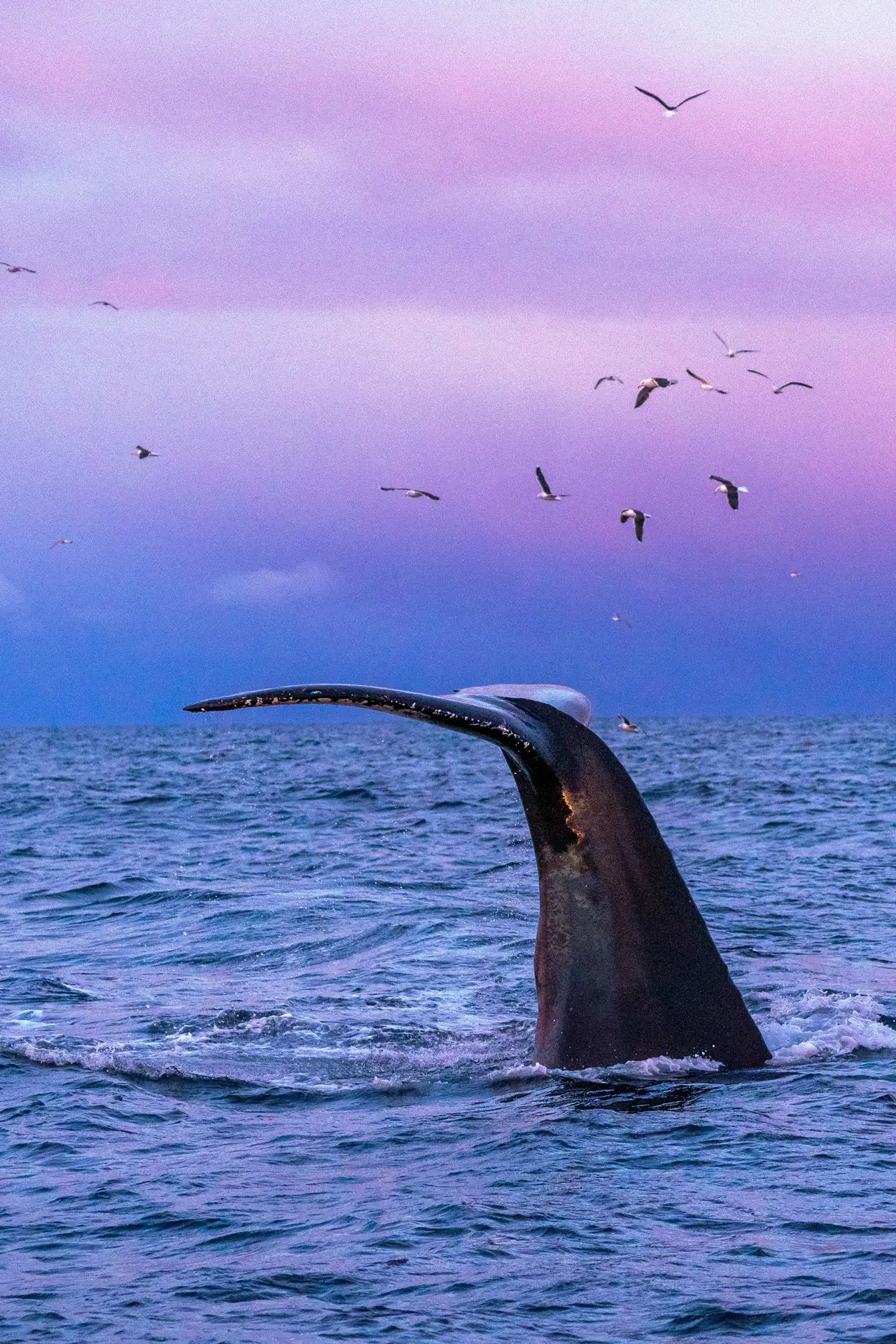
Baleen whales include humpback, minke, fin, bowhead and blue whales. They are characterised by the baleen in their mouth, keratin plates which are used to filter krill and small fish from the water for food.
Toothed whales include orca, narwhal, porpoises and dolphins, as well as pilot, beluga and sperm whales. Orcas and pilot whales are technically part of the dolphin family, but they all fall within the toothed whale category. Toothed whales tend to be smaller than their baleen cousins and hunt prey, such as squid, using echolocation.

Size: Up to 16m long and weighing up to 40 tonnes.
Diet: Krill and small schooling fish such as herring.
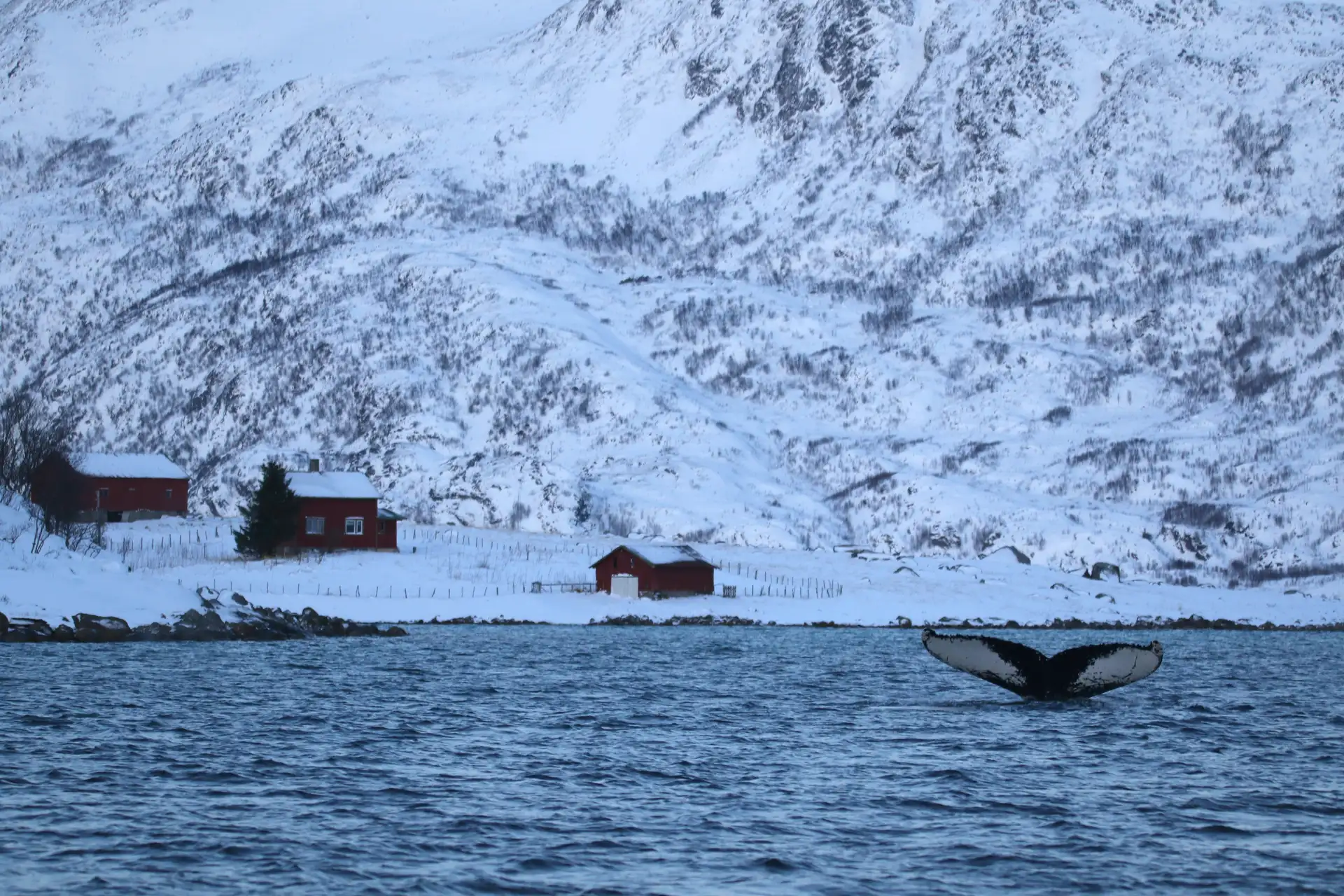
A musical whale with a fondness for making a splash, humpback whales often breach the water or slap their flippers and tail (called fluke) on the surface of the sea, and the males produce complex songs that can travel vast distances.

Size: Typically 16-26 ft long and weighing up to 6 tons.
Diet: Fish, seals, seabirds and other marine mammals.
Also known as killer whales, orcas are highly coordinated hunters that work together in family groups to catch prey. Each pod uses a unique set of calls, and different families can even have distinct dialects.

Size: Up to 56 ft long and weighing up to 57 tons.
Diet: Mainly squid, including giant squid.
Masters of the deep, sperm whales can dive up to 6,562 ft in search of squid. To navigate and hunt, sperm whales produce loud clicking noises, some of the loudest sounds made by any animal.

Size: Typically 23-30 ft long and up to 10 tons.
Diet: Small fish, krill and plankton.
Fast and elusive, minke whales are the smallest member of the baleen whale family. They are among the most abundant baleen whales and are found throughout the world's oceans.

Size: Up to 80 ft long and weighing as much as 80 tons.
Diet: Krill, small fish and squid.
Measuring up to 70 ft long, the fin whale is the second-largest whale in the world, just behind the blue whale. They can communicate at frequencies inaudible to the human ear, with mating sounds that can travel over 20 mi.
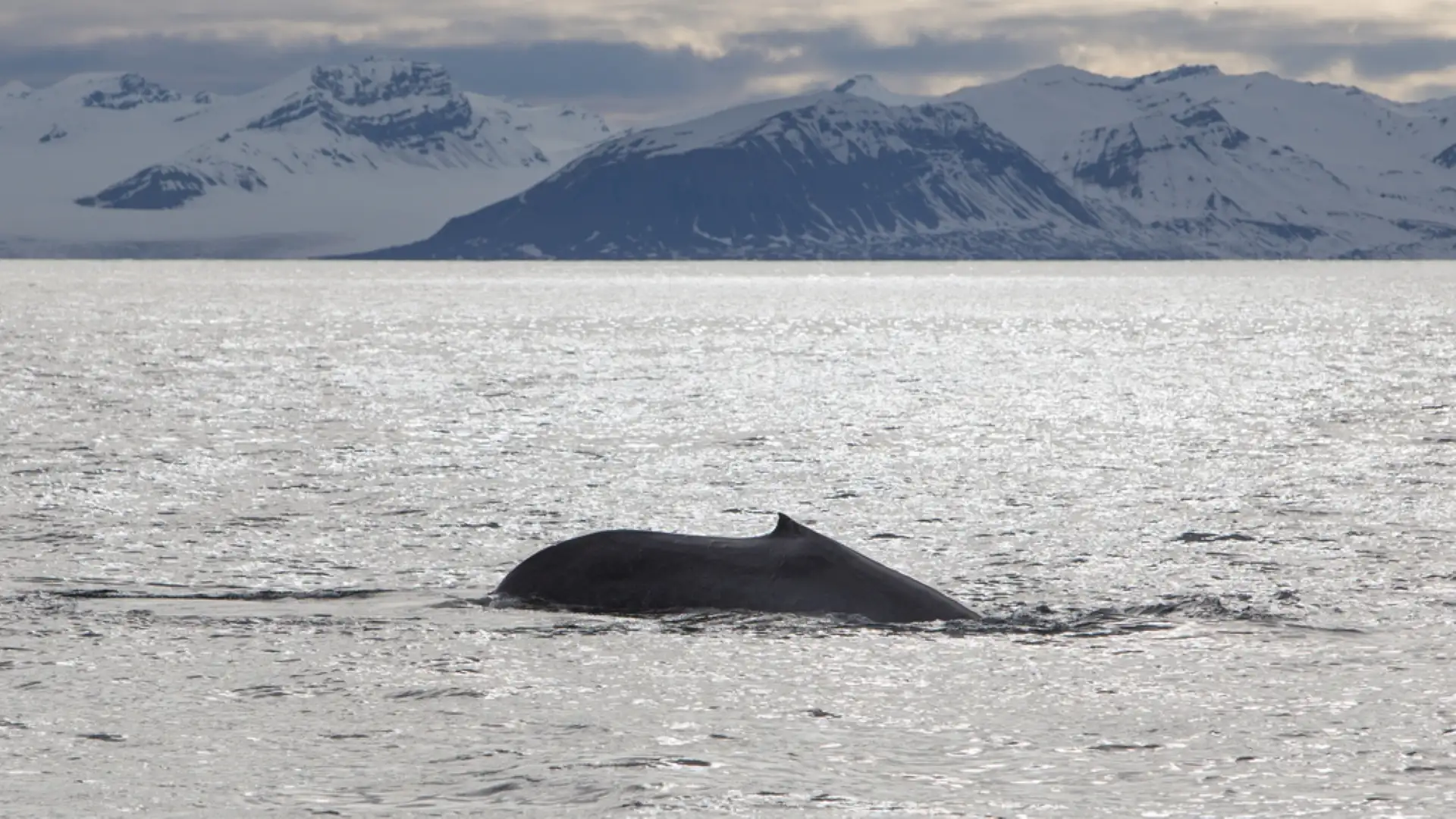
Size: Up to 100 ft long and weighing more than 150 tons.
Diet: Almost exclusively krill.
Reaching lengths of up to around 100 ft long, the blue whale is the largest animal ever known to have lived. Despite their immense size, they feed mainly on tiny krill, gulping mouthfuls of water and filtering it through their baleen plates.

Size: Up to 23 ft long and up to 3 tons.
Diet: Primarily squid.
Like the orca, the pilot whale isn’t a whale at all – it’s a dolphin, distinguishable by their round, bulbous heads and long flippers. Pilot whales are social creatures that can live in pods with up to 100 others.

Size: Typically 11-18ft long and around 1.5 tons.
Diet: Fish, crustaceans and seafloor-dwelling invertebrates.
Nicknamed the ‘canary of the sea’, belugas are famously vocal, making a whole range of chirps, whistles and clicks. They’re smaller than most whales with a rounded forehead and (in adults) a striking white body.

Size: Typically 13-16 ft long, excluding the tusk.
Diet: Halibut, cod, squid and shrimp.
Adapted to life beneath Arctic sea ice, narwhals are exceptional deep divers, sometimes over 6,500 ft. They are famous for their long tusk, which is actually an enlarged tooth with incredible sensory capabilities.
Norway is perfectly positioned to attract many species of whale, some year-round and others according to the season.
Warm water currents from the Gulf Stream meet cold Arctic water creating ideal conditions for plankton and other food sources, such as herring, to thrive. This results in a rich food chain for all marine life, with whales and dolphins sitting at the top.
The northern regions of Norway's coast are home to the highest concentration of whales, notably Alta, Tromsø, Vesterålen and Svalbard. Large schools of Norwegian spring-spawning herring overwinter in the fjords near Alta and Tromsø, attracting orcas and humpback whales.


By Andenes in Vesterålen, the seafloor drops drastically due to a ledge in the continental shelf, meaning sperm whales can dive down to hunt for their favorite prey: giant squid.
Svalbard's waters are a main habitat for Arctic whales, such as belugas and narwhals, as well as drawing other species (including blue whales) during the summer months when krill and other food sources boom.
As you'd expect, whales hunt differently according to species, with similarities within each group (baleen or toothed).
Humpback whales are baleen whales, so they lunge-feed to capture krill or small fish in one gulp or employ a 'bubble-net' feeding technique. Bubble-net feeding is how humpbacks work together as a team to get food: they swim below a school of fish while blowing bubbles, creating a rising 'net' of air that traps their prey just below the surface. Each whale can then swim up and swallow a large quantity of fish in one go.
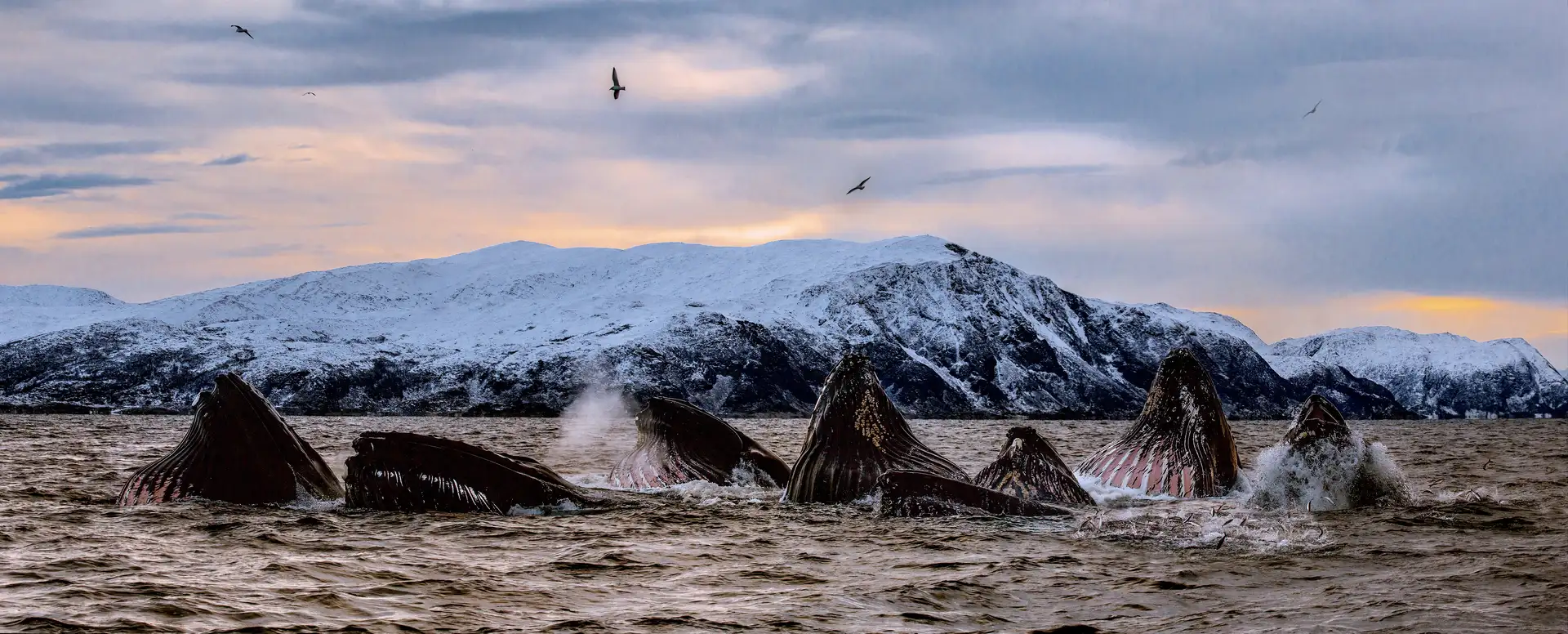
Orcas are toothed whales, so they track and hunt larger prey such as fish, seals and even other whales. Orcas in Norway usually feed on herring, using carousel feeding to herd the herring into a tight ball, before stunning them with tail slaps and scooping up the dazed fish.
Sperm whales, the largest of the toothed whales, use echolocation to hunt squid at depths of up to 6,562 ft
Most whales found in Norway's waters are visitors, making the most of the food sources that our long and bountiful coastline has to offer.
Humpback whales migrate from tropical breeding grounds to northern Norway's rich feeding waters in winter, between November and January, to feast on the herring population. Orcas do the same but tend to swim further into the Norwegian fjords following herring stock.
Fin, minke and even blue whales visit northern Norway (mainly the waters near Svalbard) during the summer months to feed on the increased food supply.
Sperm whales can be found year-round in Andenes but they are still a migratory species. Male sperm whales migrate northwards to feed while the females and their young remain in the whales' tropical breeding grounds.
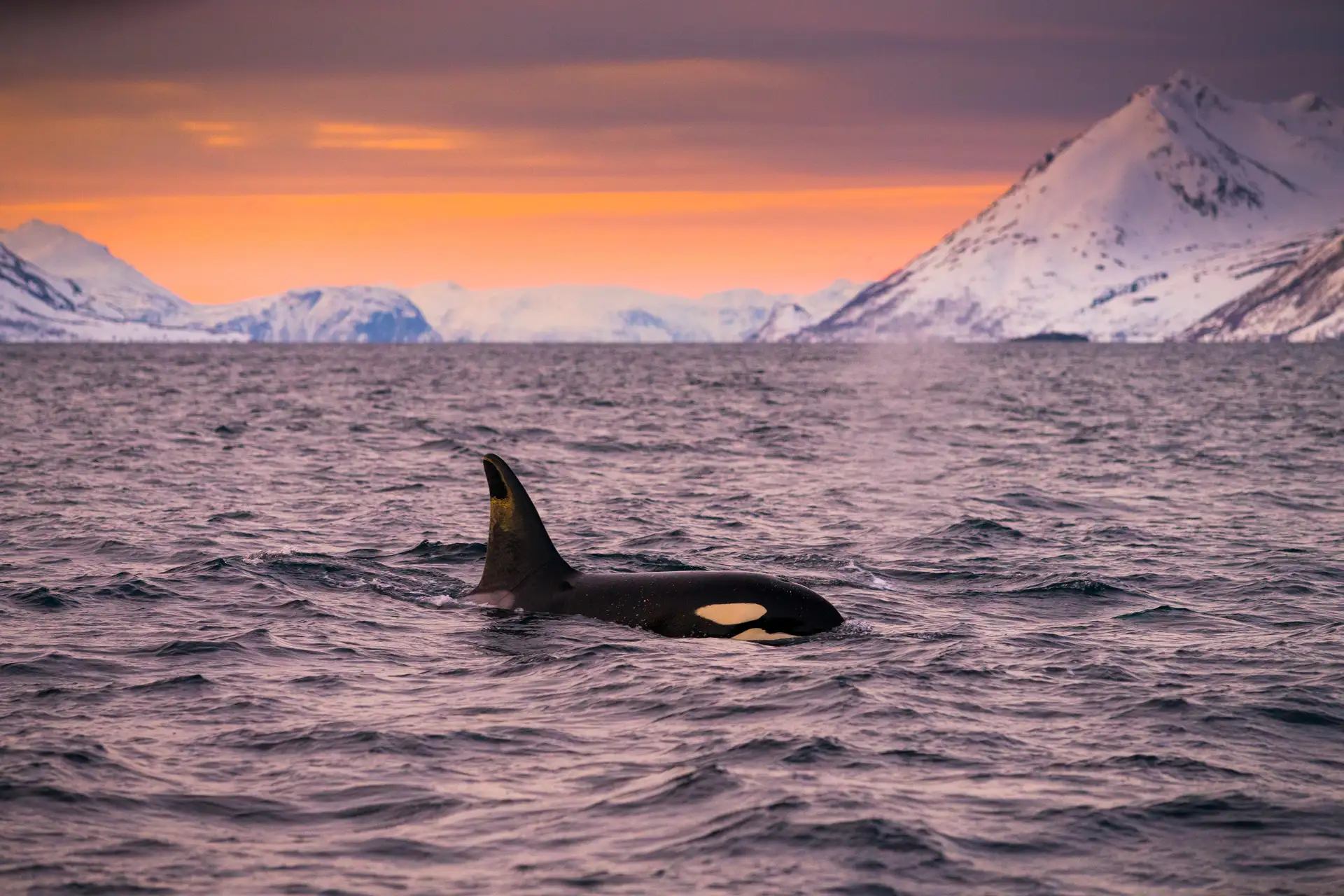
A spray of water in the distance. A flash of grey above the waves. Even the smallest glimpse of a whale can evoke intense excitement. Certain whale behaviors, such as blowing air or spyhopping, bring whales to the surface – and so closer to us.

Whales and dolphins must return to the surface to expel and breathe air. The shape and angle differs by species, with humpback whales producing visible spray up to 4m high.
Sperm whales spray air and water at a 45-degree angle, as their blowhole is located on the front left side of the head.
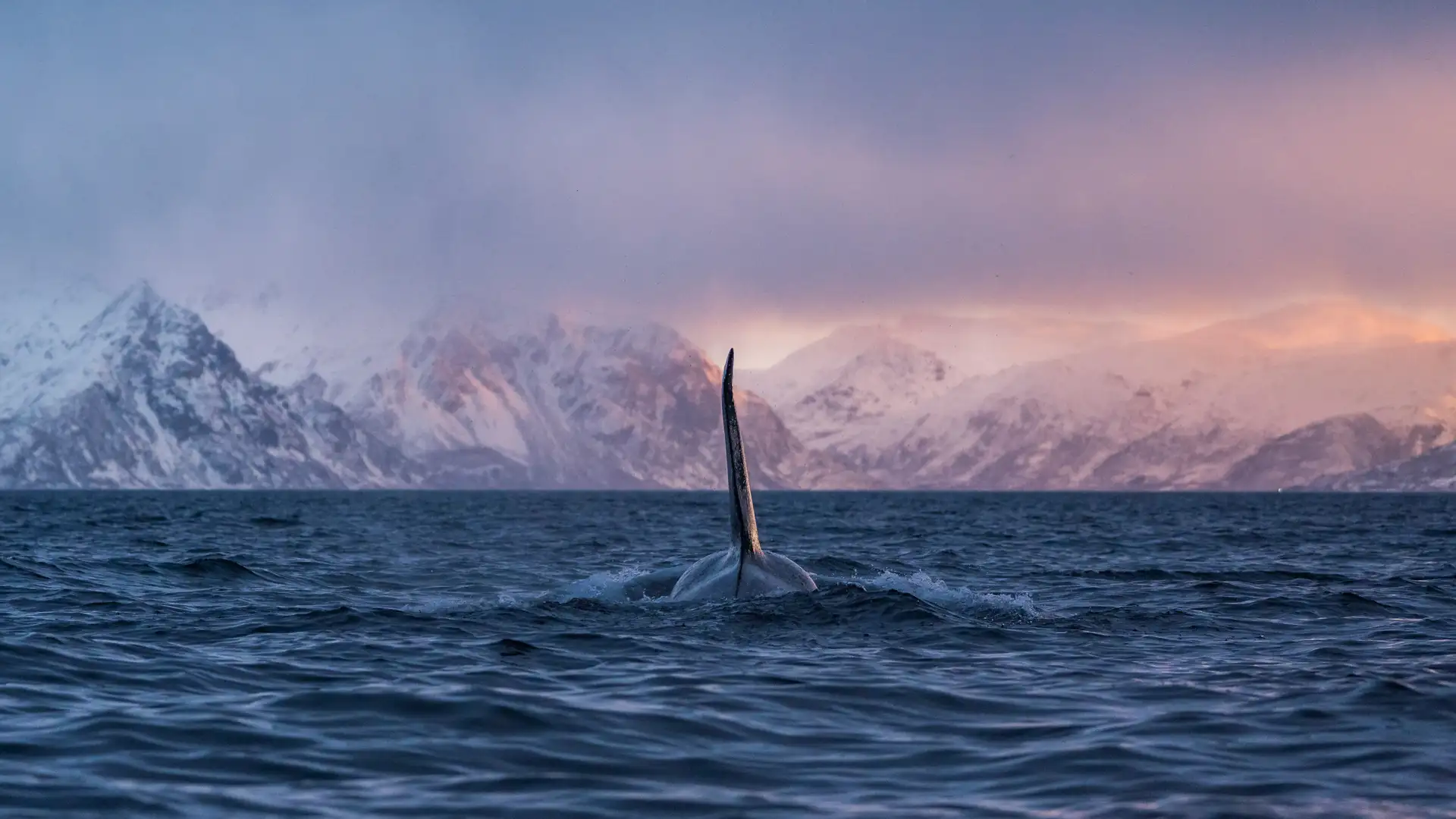
Not every whale has a dorsal fin but the ones that do can be easily distinguished. For example, the tall, straight fin of a male orca versus the small, hooked fin of a minke whale.
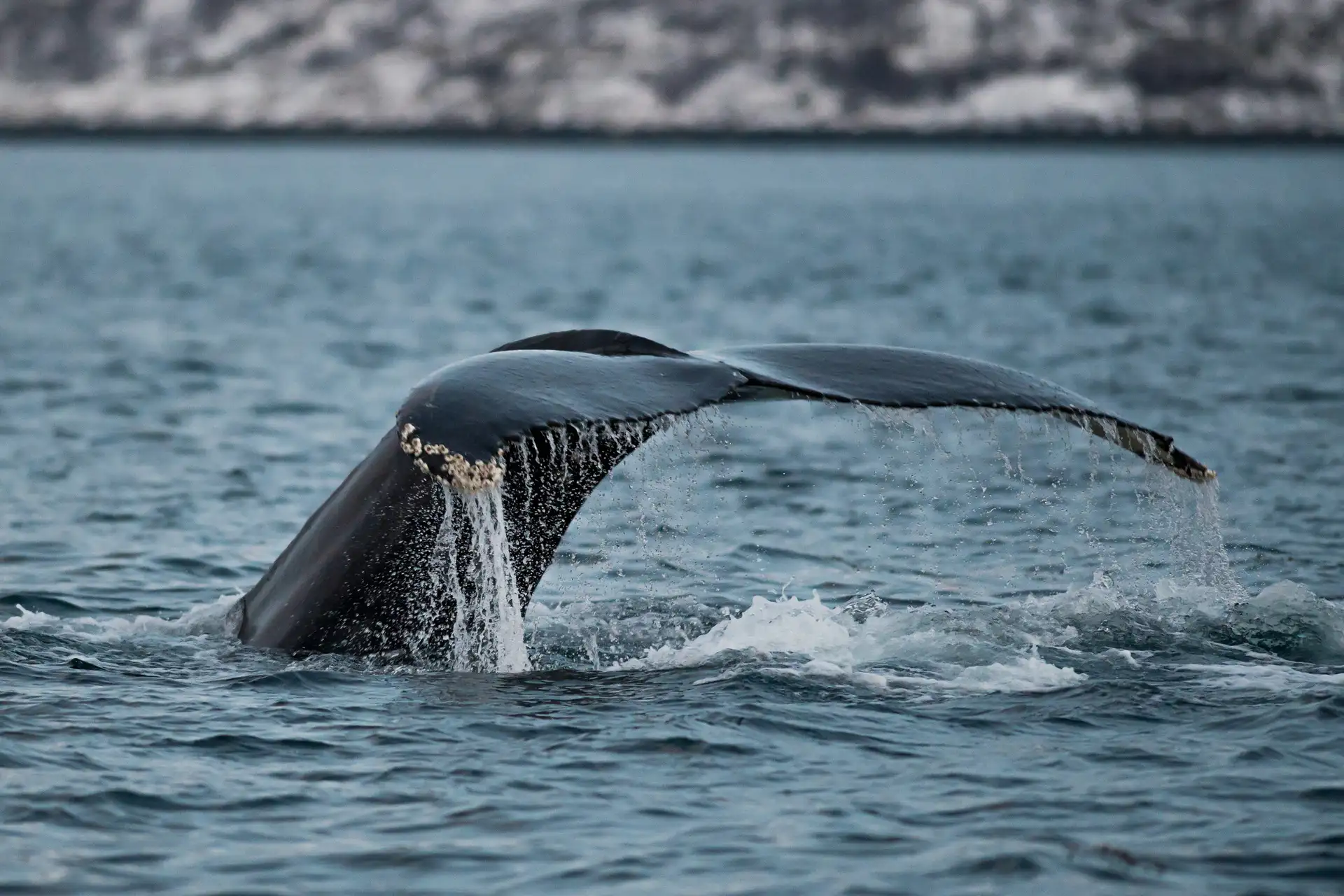
Every whale has a fluke tail designed to help them swim forwards. Humpback tail patterns are unique, like a fingerprint, and are used by researchers to identify individuals.
Other unique whale behaviors include breaching, where humpback whales jump out of the water, and spyhopping, where whales or dolphins poke their head up vertically from the water to spot prey or observe their surroundings.
The Norwegian coastline is one of the best places in the world for whale watching – making our ships top viewing platforms for seeing these majestic animals in the wild.
Bergen – Kirkenes – Bergen (Full-trip)
The original Norwegian coastal voyage – connecting fjords, towns & people since 1893
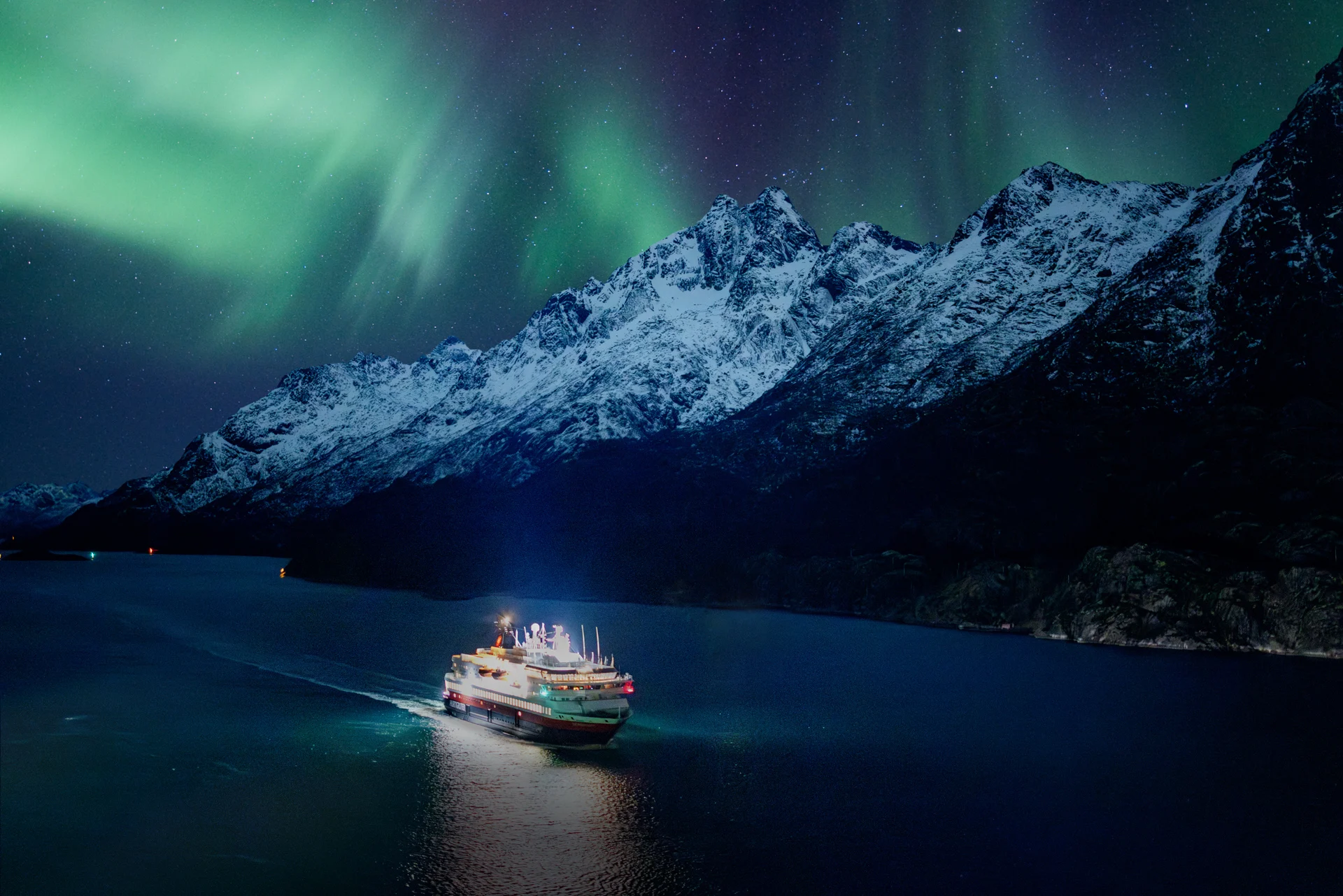
Bergen – Kirkenes (Northbound)
The northbound leg of our classic coastal route, from Bergen to Arctic Norway
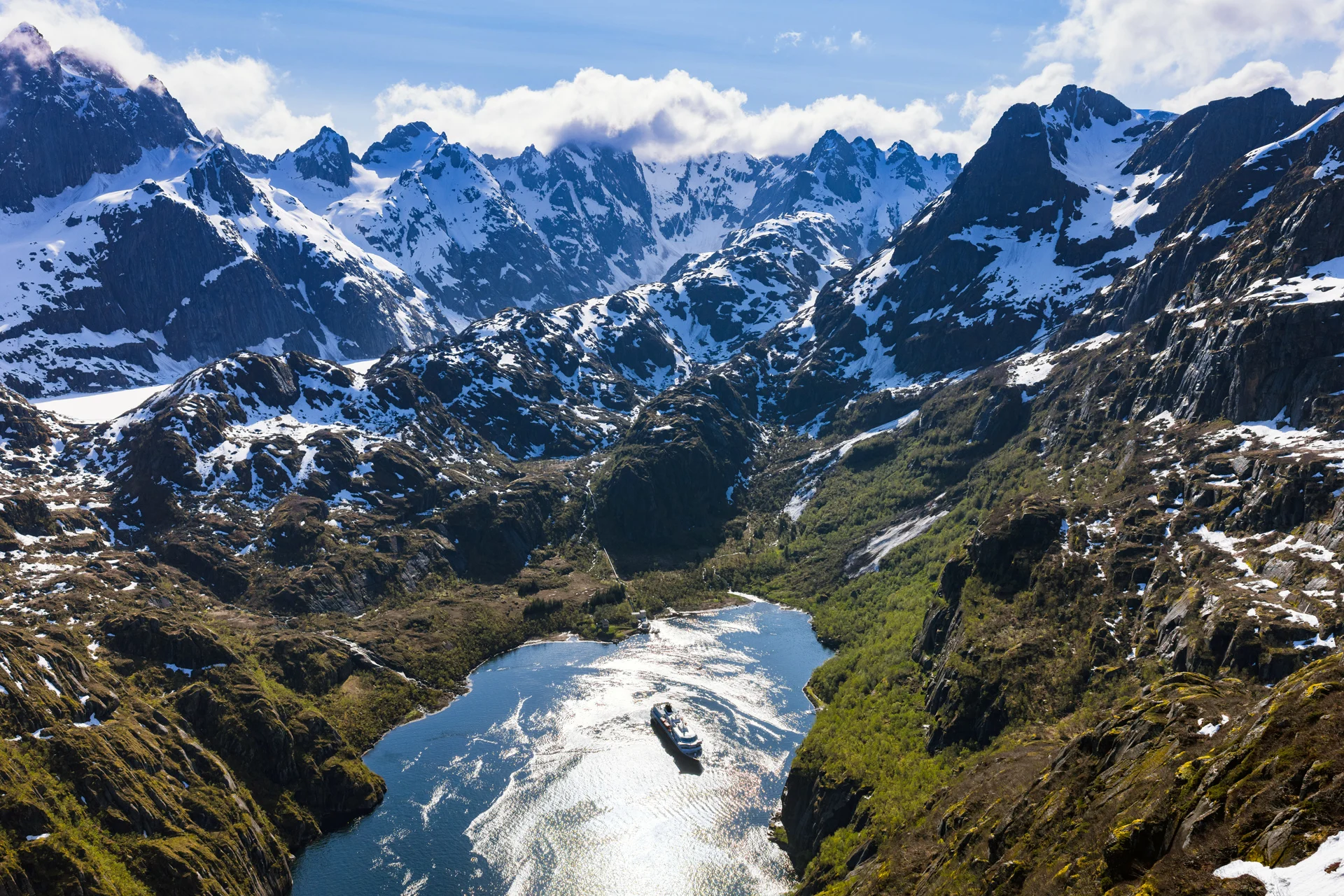
Kirkenes – Bergen (Southbound)
The southbound leg on our classic coastal voyage, exploring beautiful archipelagos & fjordlands
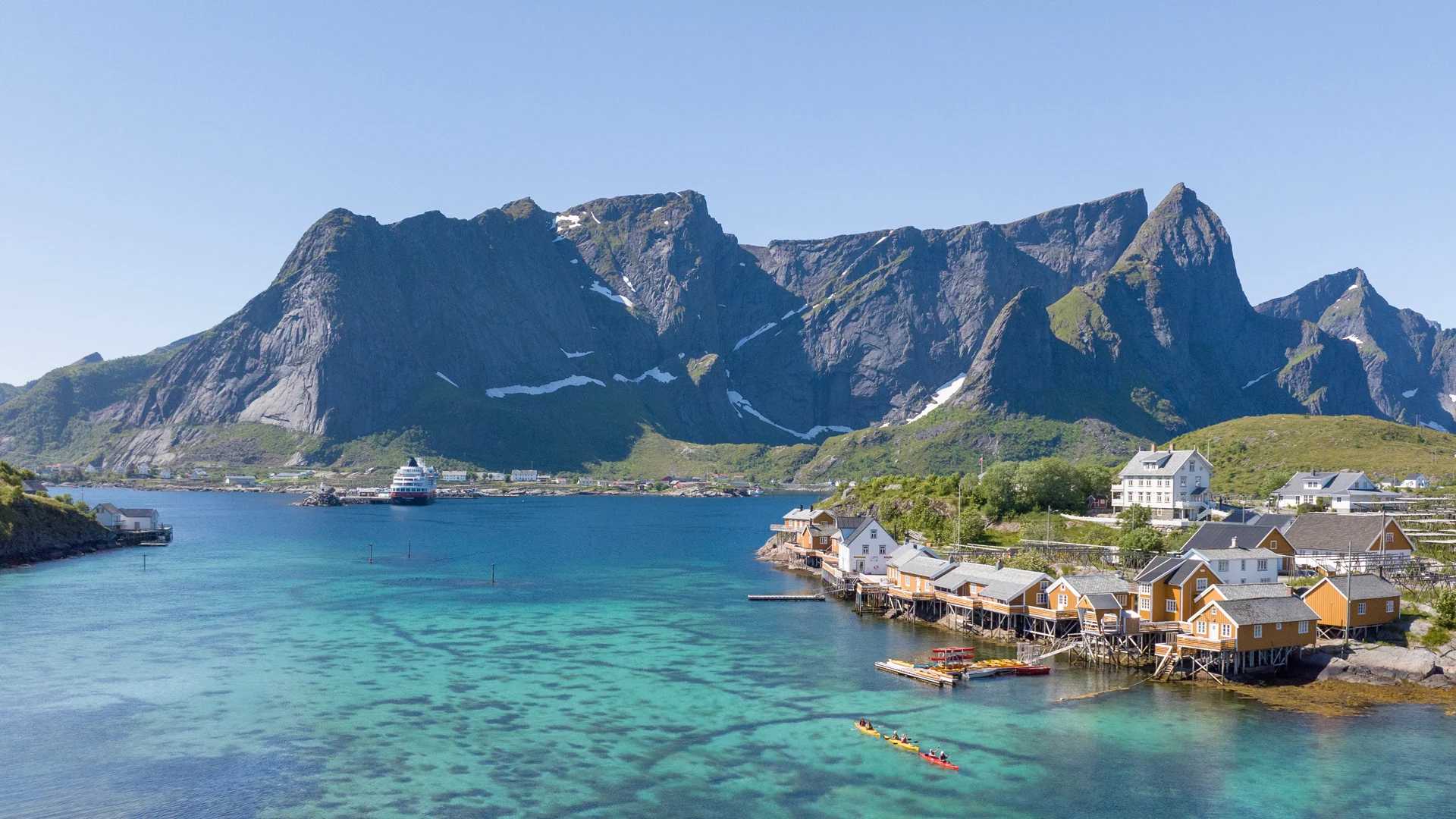
Bergen - Longyearbyen - Bergen (Full-trip)
All-inclusive Arctic cruise to Svalbard & back, with fjords, wildlife & Midnight Sun
For centuries, whales have been woven into Norway's coastal culture, providing inspiration for communities that lived by the sea. Norse folklore and maritime traditions treated whales as omens, good and bad, where whale encounters could influence weather conditions or fishing success.
During the period of industrial whaling in the 1800s, whales were hunted as a source of food and oil. Due to the high concentration of whales in Norway's waters, the country became a significant whaling nation and many whales were killed.
Today, Norway's relationship with whales has shifted toward conservation and science. Researchers monitor whale populations, migration routes and feeding behaviour, using techniques such as photo identification, satellite tagging and acoustic surveys to better understand whales and dolphins.
This research helps scientists track the health of whale populations and the changing marine ecosystems on which they depend.
Yes, whales are mammals just like us. They give birth to and nurse their young.
They’re both! Orcas, sometimes called killer whales, are the largest members of the dolphin family, which falls within the toothed whale category.
The largest of them all: the blue whale! Blue whales have been recorded in the waters surrounding Svalbard.
Lifespan for whales depends on the species and can range anywhere from 40 to over 200 years. The bowhead whale, which can live for over 200 years, is the longest living mammal on Earth.
Humpback whales are famous for their spectacular leaps out of the water, called breaching. Scientists don't know exactly why but assume breaching happens for many reasons, such as communication with other whales, to shake off barnacles and parasites, or simply for fun.
For food. Humpback whales and orcas are two of the whale species that benefit from the increased herring stock available in northern Norway during the winter months.
Technically, yes. The fjords surrounding Andenes in northern Norway are popular spots for whale watching.
Yes. The smallest of the baleen whales, the minke whale, can be seen in the waters of the North Sea. There are also dolphins and porpoises.
Whales employ a fascinating technique for sleeping called unihemispheric slow-wave sleep. A process where one hemisphere (or half) of their brain stays active while the other rests. The active half ensures the whale can breathe and remain aware of their surroundings.
Some of the whales found in Norwegian waters are endangered or at risk. Blue, fin and sperm whales are classed as Endangered, while humpback whales are classed as Vulnerable. The main threats to whale populations are ship collisions, ocean noise pollution, overfishing and climate change.
Receive special offers, exciting new itineraries and fascinating articles delivered straight to your inbox.