Guest Favourite
Bergen – Kirkenes – Bergen (Roundtrip)
The Coastal Express
The original Norwegian coastal voyage – connecting fjords, towns & people since 1893
- Regular departures
- 12 days
- 34 Ports
- Full board (breakfast, lunch, dinner)
From snowy peaks under Northern Lights skies to lush green fjords and waterfalls, learn how Norway changes from season to season. Find out the best time to visit Norway for you.

Some say you really haven’t seen all of Norway until you have experienced each of its seasons. Owing to the country's vast distances, the climate and seasons vary quite a lot between regions.
The entire coastline is warmed by the Gulf Stream, providing most of southern Norway with a temperate climate with dry and cold winters and comfortably warm summers. But while spring is blossoming in the south, winter could still be going strong in the north.
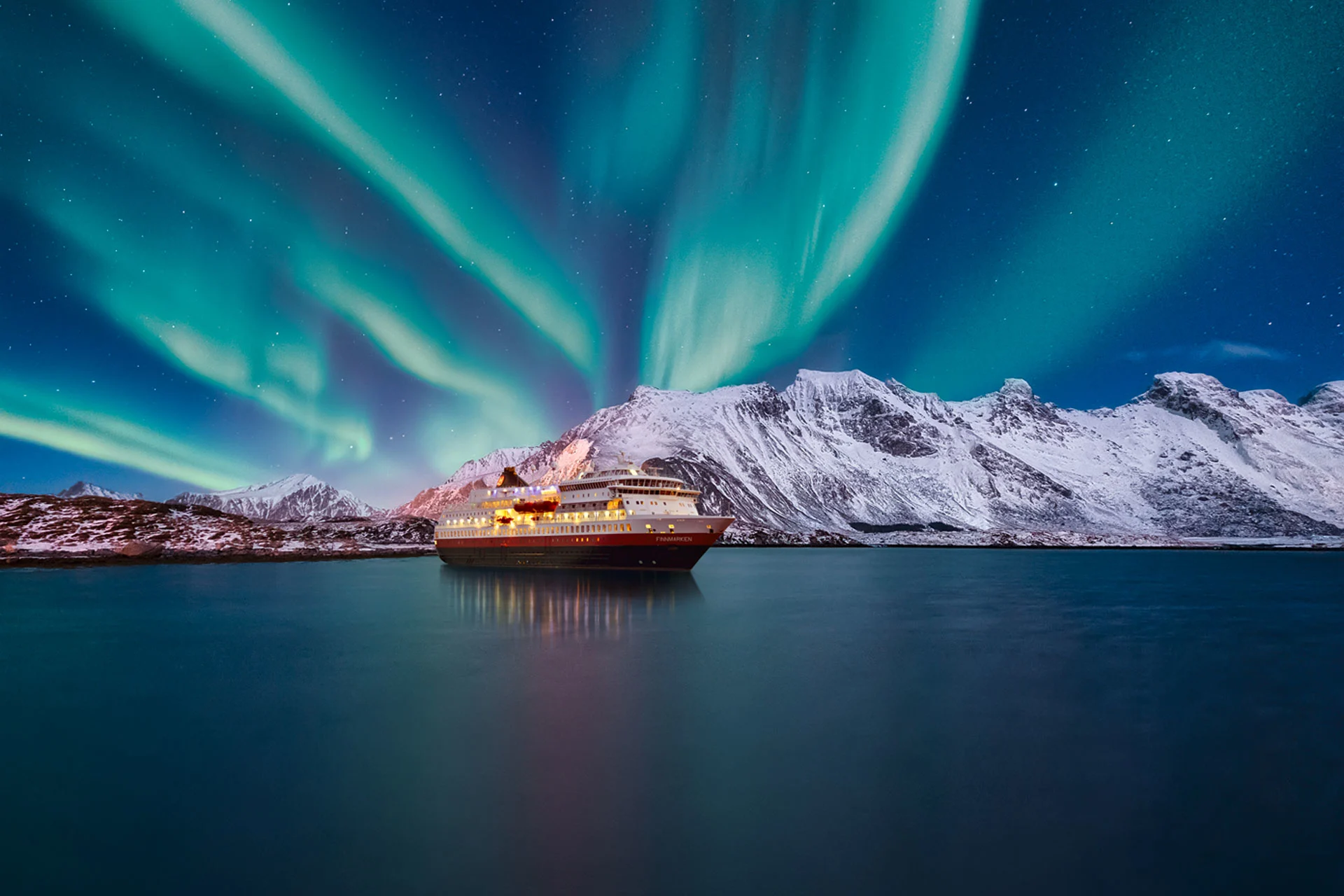
Norway is also extra special in that it has a Northern Lights season that lasts from October through to the end of March.
The best part about choosing when to go to Norway is that our onboard activities, restaurant menus and shore excursions change according to the time of year and where you are – so you always get something different. Each season and month bring new opportunities to experience a Hurtigruten voyage in an entirely different light, both literally and figuratively.

Visiting Norway in spring is like travelling through all four seasons. In the warmer south, admire blossoming fruit trees and hear the birdsong. To the north, you’ll enjoy the best of both sunshine and snow. We Norwegians even have a specific word for the excitement this season makes us feel: vårfølelse, or ‘springfulness’.
Why visit Norway in spring?
Witness waterfalls thunder with fresh meltwater
Enjoy the year’s first local produce and seafood feasts
Join in with Easter and Norway Day celebrations onboard

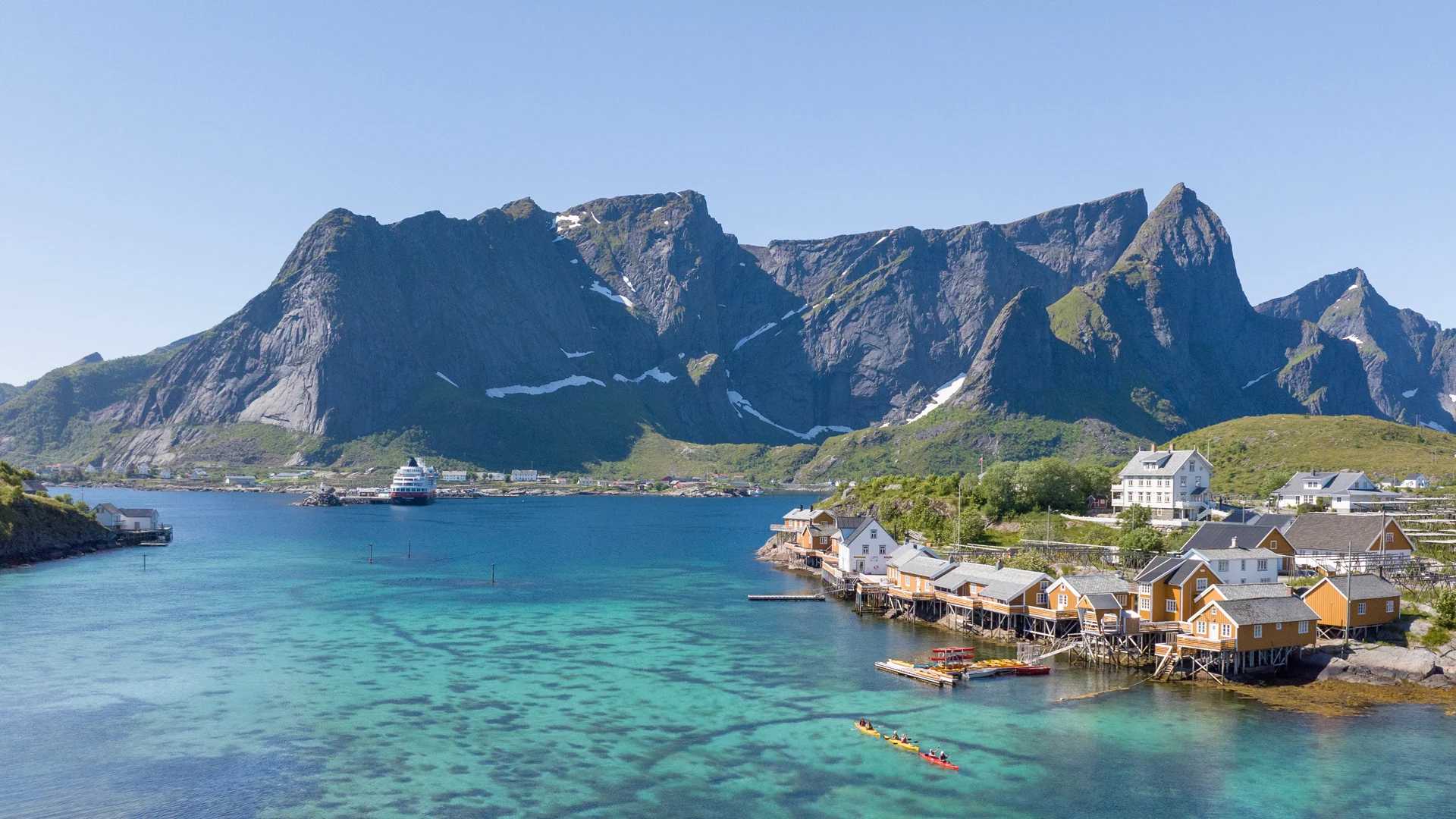
With the longest days of the year and temperatures creeping above 20°C, the summer months are the most popular time to visit Norway. The days at this time of year feel endless – because in the north, they quite literally are. The Midnight Sun never sets above the Arctic Circle. The days are long, golden and full of possibility for outdoor activities.
Why visit Norway in summer?
Go hiking, cycling, kayaking and climbing under the Midnight Sun
Sail into UNESCO-listed Geirangerfjord
Enjoy lush landscapes and mild temperatures

Autumn in Norway is often overlooked. But that’s a mistake. The crowds thin out. The air sharpens. And the coast glows with colour as the leaves turn shades of gold, crimson and copper. The crisp air is ideal for hikes, and we like to pick wild raspberries and cloudberries along the way. It is harvest time too, with many in-season ingredients delivered to our ships as we sail. At night, the aurora borealis reappears among the stars again.
Why visit Norway in autumn?
Explore Trollfjord and the Hjørundfjord without the summer crowds
Don your hiking boots and savour the last of the warm weather
Experience coastal Norway at its most colourful

With blankets of snow coating the mountains and islands, Norway feels wilder and more magical in the winter months. Friluftsliv is as alive as ever as we go skiing, snowmobiling and snowshoeing. Next to the white landscapes, sunsets are more colourful, and twilight lasts for hours before the Northern Lights stream across the night sky.
Why visit Norway in winter?
Immerse yourself in the wild and untamed Norwegian winter scenery
Explore the vast wilderness by snowmobile or dog sled
Experience polar nights above the Arctic Circle
Find out everything you need to know about visiting Norway in each month of the year, including where to go, what to do and what to pack.
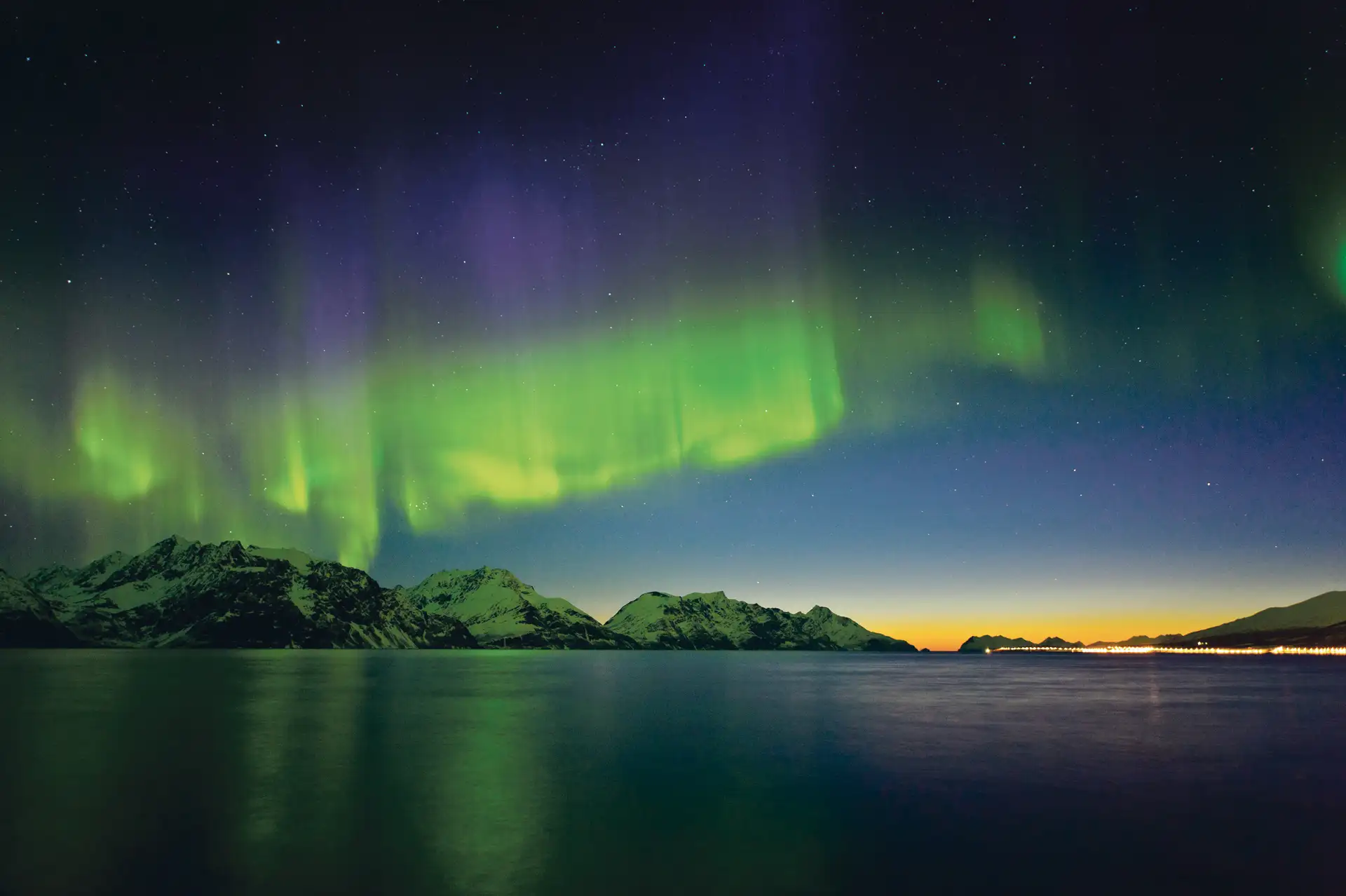
Mesmerising Northern Lights, snow-draped scenery and unforgettable Arctic experiences, this is Norway in January, the heart of winter.

February sits at a turning point of the winter months. The days slowly lengthen, light begins to return, and winter activities reach their peak.

Norway in March brings brighter skies, longer days and a growing sense of movement as we start to welcome spring.

April is a month of transition, as the dark winter nights are replaced by milder weather and never-ending days.

May sees Norway burst into bloom, as the white winter landscape is replaced by the vibrant colours of spring.

The arrival of summer brings a shift along the Norwegian coast in June. Everything feels fresh, alive and ready.

July is when Norway settles into summer. The coast slows down, the days are endless, and the rhythm of life shifts with the season.

August is a time to hike, to sail the fjords, to take a road trip through the mountains and to go cycling along the coast.

September is a great time for travel to Norway. The air is crisp, the light is dramatic, and the summer crowds have gone.

October in Norway offers fewer crowds, bold colours and the first glimpse of the country's winter magic.

November in Norway signals the true start of winter. Days grow shorter, the mountains turn white and the northern skies are alive with aurora.

December in Norway brings Northern Lights, snowy scenery and array of winter activities, which are made even more magical by the cosiness of Christmas.
Bergen – Kirkenes – Bergen (Roundtrip)
The original Norwegian coastal voyage – connecting fjords, towns & people since 1893
Norway is special in that it has something extraordinary to offer in every season. Spring (March–May) brings thundering waterfalls surging with snowmelt and blossoming orchards in Hardangerfjord.
Summer (June–August) is the most popular time to visit, with long golden days, the Midnight Sun above the Arctic Circle, and ideal conditions for hiking, kayaking and fjord sailing. Autumn (September–October) offers quieter crowds, vivid foliage and the return of the Northern Lights.
Winter (November–February) transforms Norway into a snow-draped wilderness, perfect for dog sledding, snowmobiling, and chasing the aurora. Each season and month bring new opportunities to experience a Hurtigruten voyage in an entirely different light.
The best time to see the Northern Lights is when the nights grow long and dark – from late September to early April along the Norwegian coast, especially north of the Arctic Circle.
Sailing with Hurtigruten gives you a significant advantage: our ships can move to find clear skies away from cloud cover and light pollution, while bridge officers alert guests the moment the aurora appears.
And Hurtigruten's Northern Lights Promise means that if you sail for more than 11 days during the season and don't see the aurora at all, you'll receive a free voyage to try again.
Most parts of Norway that experience the Midnight Sun do so from mid-May to mid-July. The exact dates vary by location: in Tromsø it runs from 20 May to 25 July, while at the North Cape it stretches from 13 May to 31 July. In the Svalbard archipelago, the sun can be seen for 24 hours a day from late April to late August – just over four months of constant sunlight.
A Hurtigruten summer cruise sailing north of the Arctic Circle is one of the finest ways to experience this extraordinary phenomenon, watching the sun dip toward the horizon at midnight before rising again without ever disappearing.
The Norwegian coastline is warmed by the Gulf Stream, giving most of southern Norway a temperate climate with dry, cold winters and comfortably warm summers, when temperatures often reach 20°C.
Winter brings short days, sub-zero temperatures and rapidly changing conditions, so layering is always advisable. Before you step ashore, particularly in icy and slippery destinations, make sure to wear suitable shoes and crampons (the latter can be purchased in our onboard shop).
Whatever the weather, Hurtigruten's voyages are designed to make the most of each season, with onboard activities and menus that change with the coastal conditions.
Norway rewards those who take their time. A minimum of 7–12 days allows you to experience a meaningful stretch of the coast, and Hurtigruten's classic Coastal Express roundtrip voyage from Bergen to Kirkenes and back takes 12 days, visiting up to 34 ports.
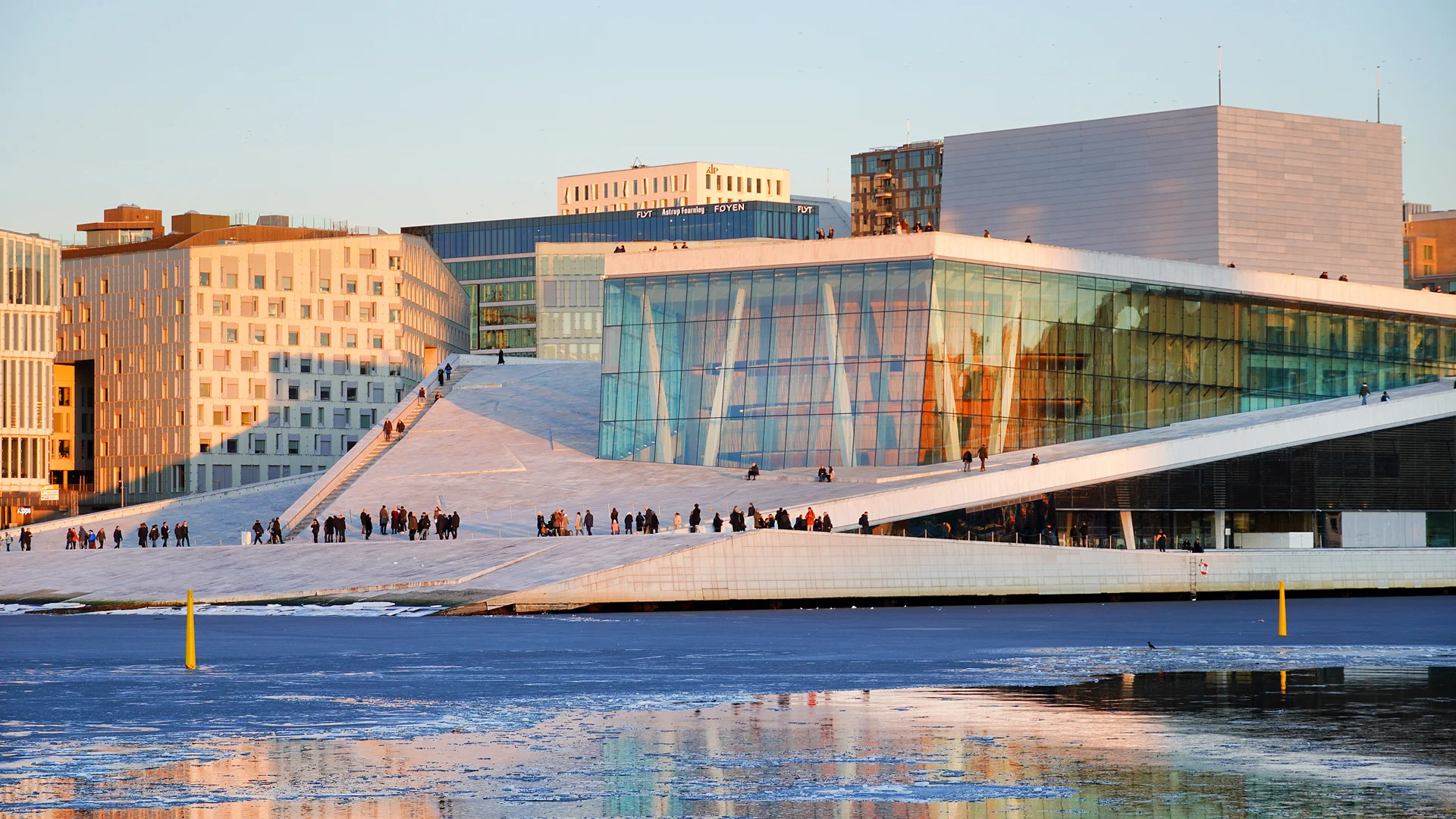
The Best of Norway self-guided tour spans 12 days and combines Oslo, the Flåm Railway, and our coastal voyage. If you want to include Svalbard, the roundtrip Svalbard Line is 15 days. Those short on time can sail a one-way leg of the Coastal Express in 6–7 days, but Norway's vast distances mean the more time you allow, the richer and more varied your experience will be — there is always more to discover.
Receive special offers, exciting new itineraries and fascinating articles delivered straight to your inbox.