Popular
Bergen – Kirkenes – Bergen (Full-trip)
The Coastal Express – Roundtrip
The original Norwegian coastal voyage – connecting fjords, towns & people since 1893
- Regular departures
- 12 days
- 34 Stops
- Full board (breakfast, lunch, dinner)
Hurtigruten is a household name in Norway, loved by locals for generations. The route we founded binds the country together, connecting people and sustaining communities. Take a journey through 130 years of our rich history.
Norway has the second-longest coastline in the world. In the late 19th century, traveling along this vast stretch was a long and difficult journey.
With no single continuous voyage to connect the country, people had to switch between several smaller ships each time.
Where others of the time declined the challenge, one man, Captain Richard With, stepped forward.
Equipped with nautical charts drawn up by experienced local sailor Anders Holte, Captain With carefully prepared a route, schedule, and crew to safely sail the coast not just by day, but also by night.
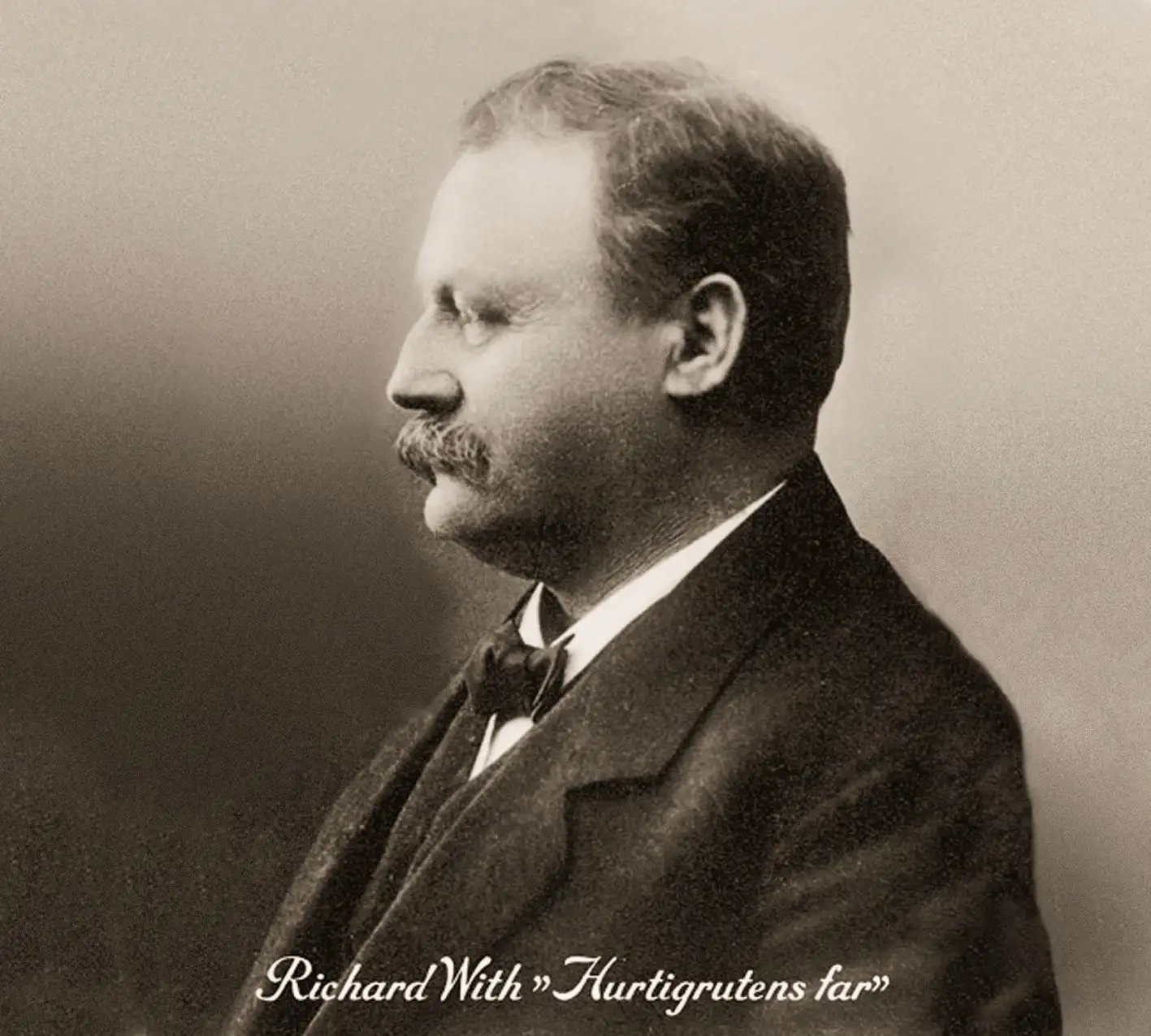
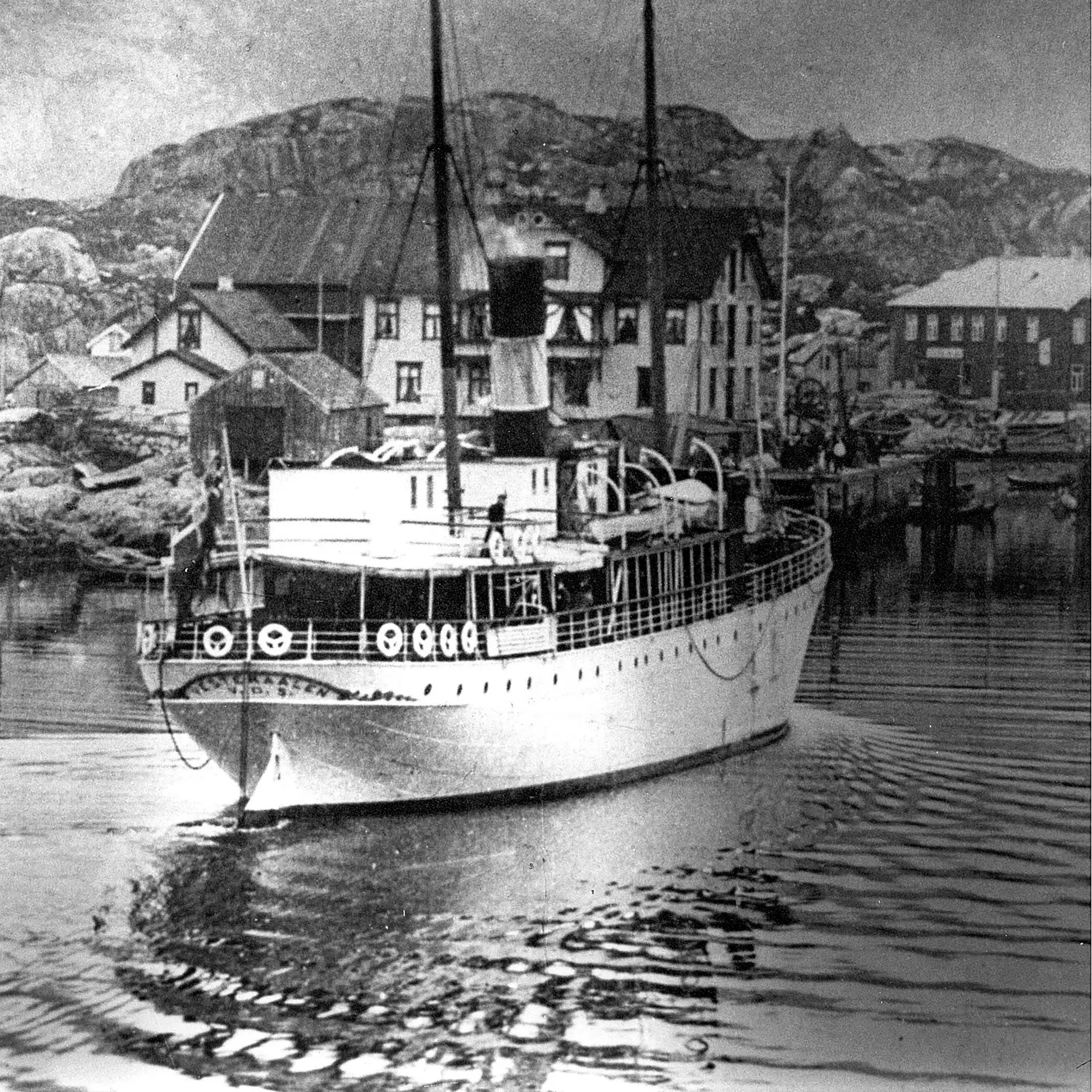
On July 2nd 1893, steamship DS Vesteraalen embarked on the maiden “Hurtigruten" voyage, "the fast (hurtig) route (ruten)".
From Trondheim, it called at nine ports and arrived in Hammerfest three days later, 45 minutes ahead of schedule. This was a momentous occasion for locals all along the coast who waved flags to welcome the ship.
From that moment in 1893, Hurtigruten's service helped to transform life in Norway. People, post, and goods could now easily move up and down Norway in a few days, instead of weeks.
In particular, fish from the north could now be quickly transported south and exported, generating income. Imports, like refrigerators and bananas, could also be brought north, improving the quality of life.
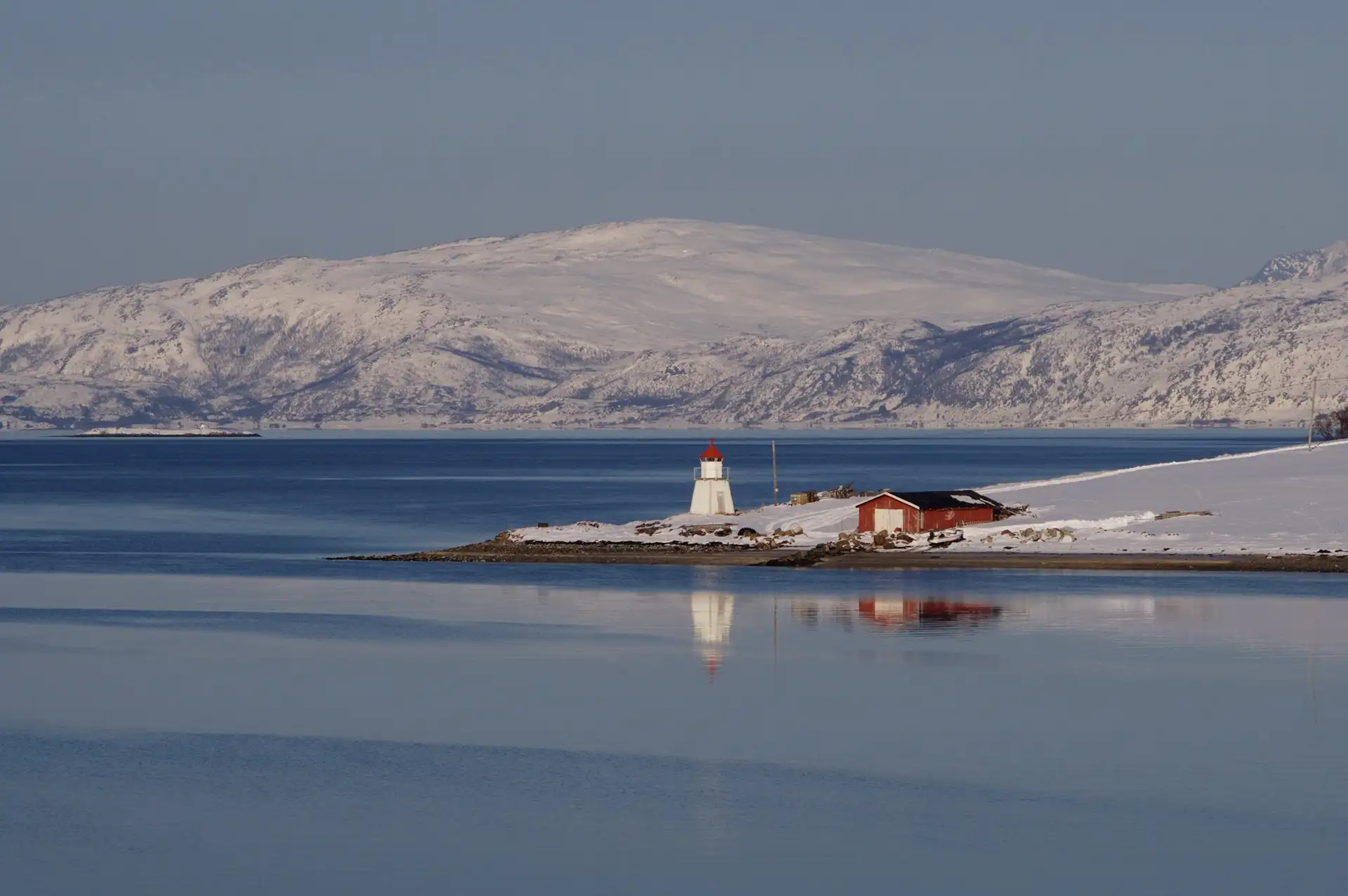
It didn’t take long for the swift yet safe weekly service to increase in frequency. In 1898, our route was extended to Bergen in the south and we began to sail three times a week to meet demand. By 1908, previously isolated ports further north in the Arctic were added, all the way up to Kirkenes near the Finnish border.
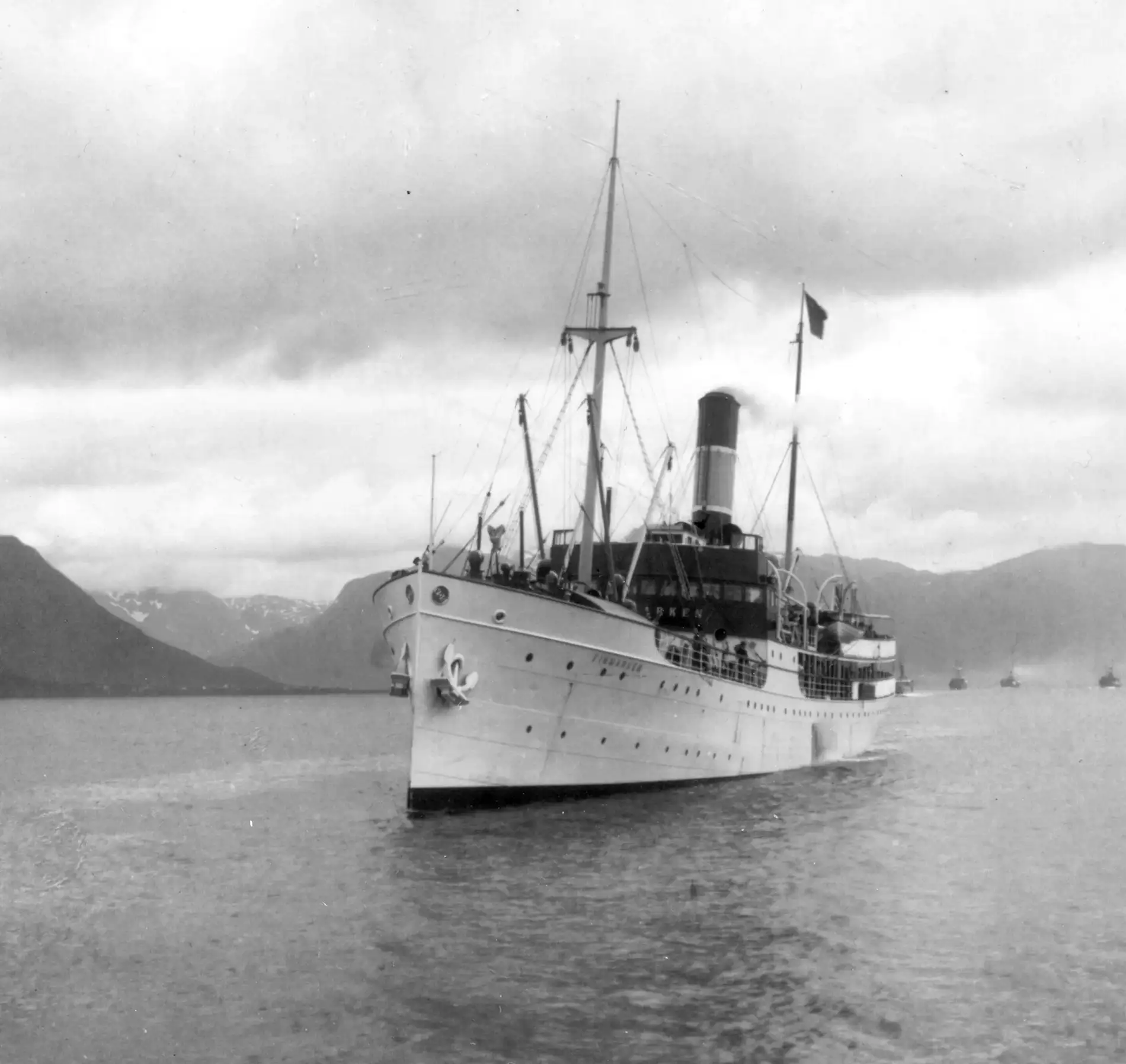
Our ship, DS Finnmarken, is the first to sail through the Risøyrenna channel as we connect ports in Vesterålen to our route. Norway’s King Haakon is on board for the sailing.
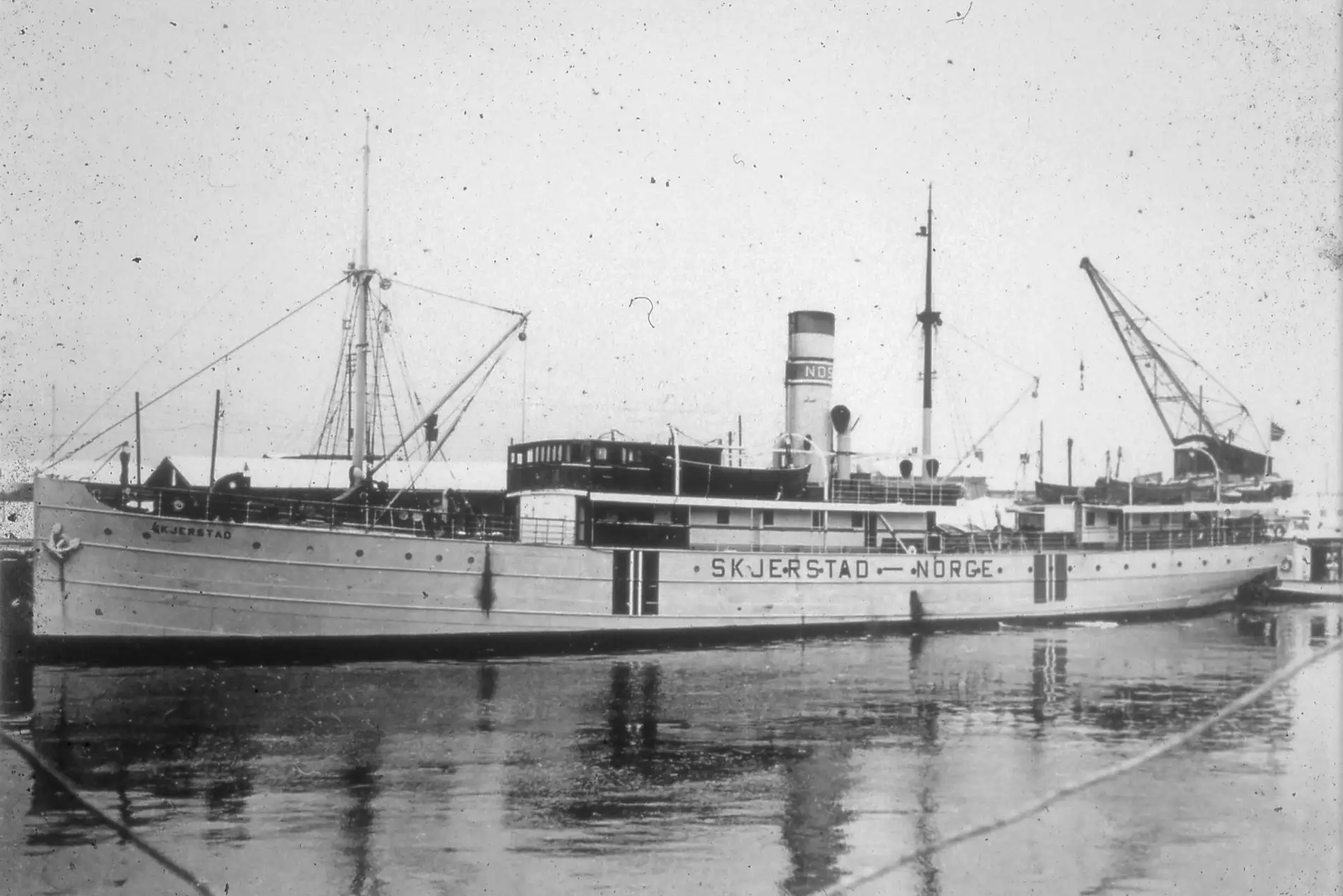
The fleet now has 14 ships and departs each day of the week, every month of the year. More than 230,000 passengers, locals, and tourists alike travel on The Coastal Express annually.
Some 700 lives and 14 ships are lost in World War II. After the end of the war, new Coastal Express ships are given the highest priority by the Norwegian government.
Seven ships are added to the fleet, taking the total annual capacity for the entire fleet to over 500,000 passengers.
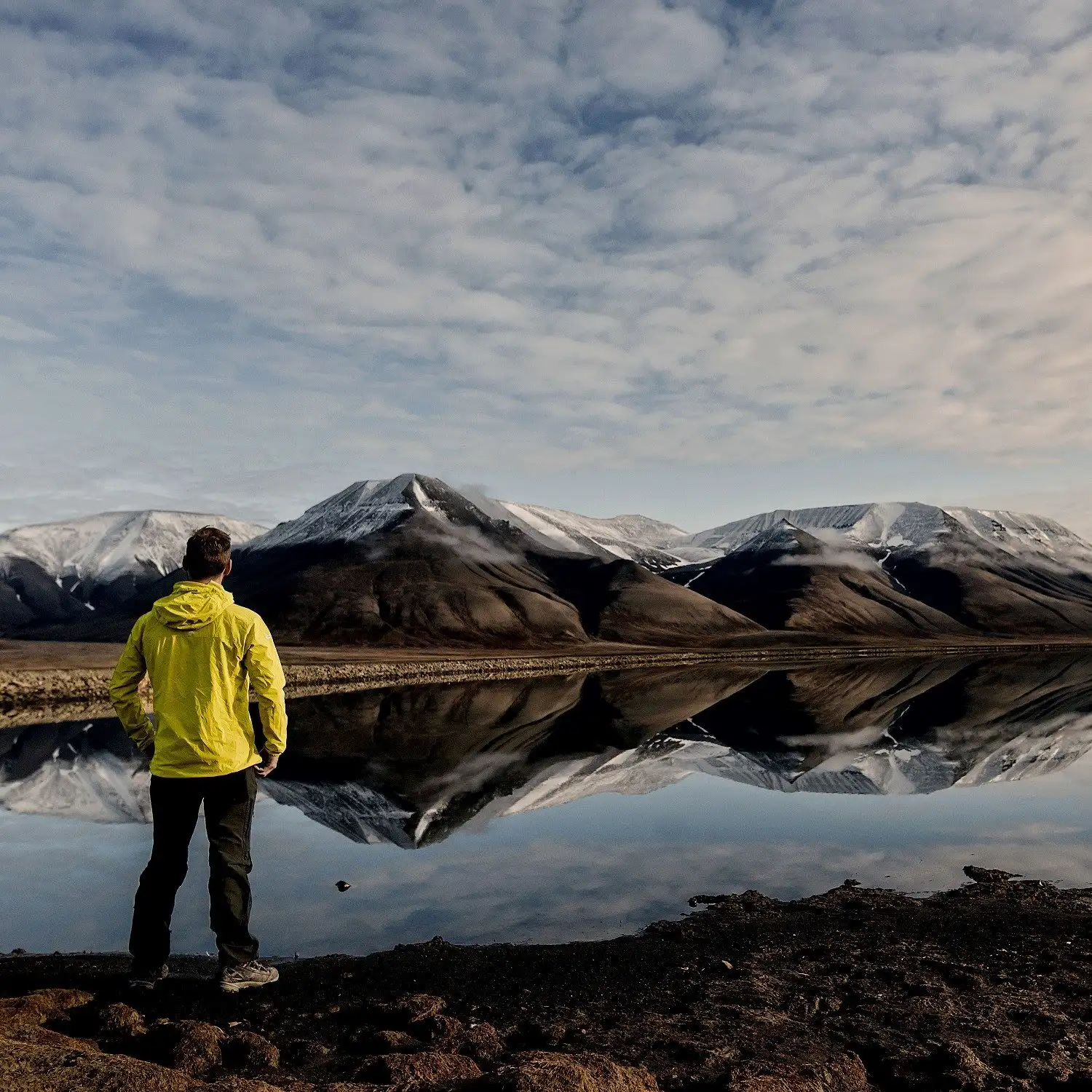
We begin sailing a route to the town of Longyearbyen on the island of Spitsbergen in the Svalbard archipelago. This first version of what is now The Svalbard Line sails every summer until 1982.
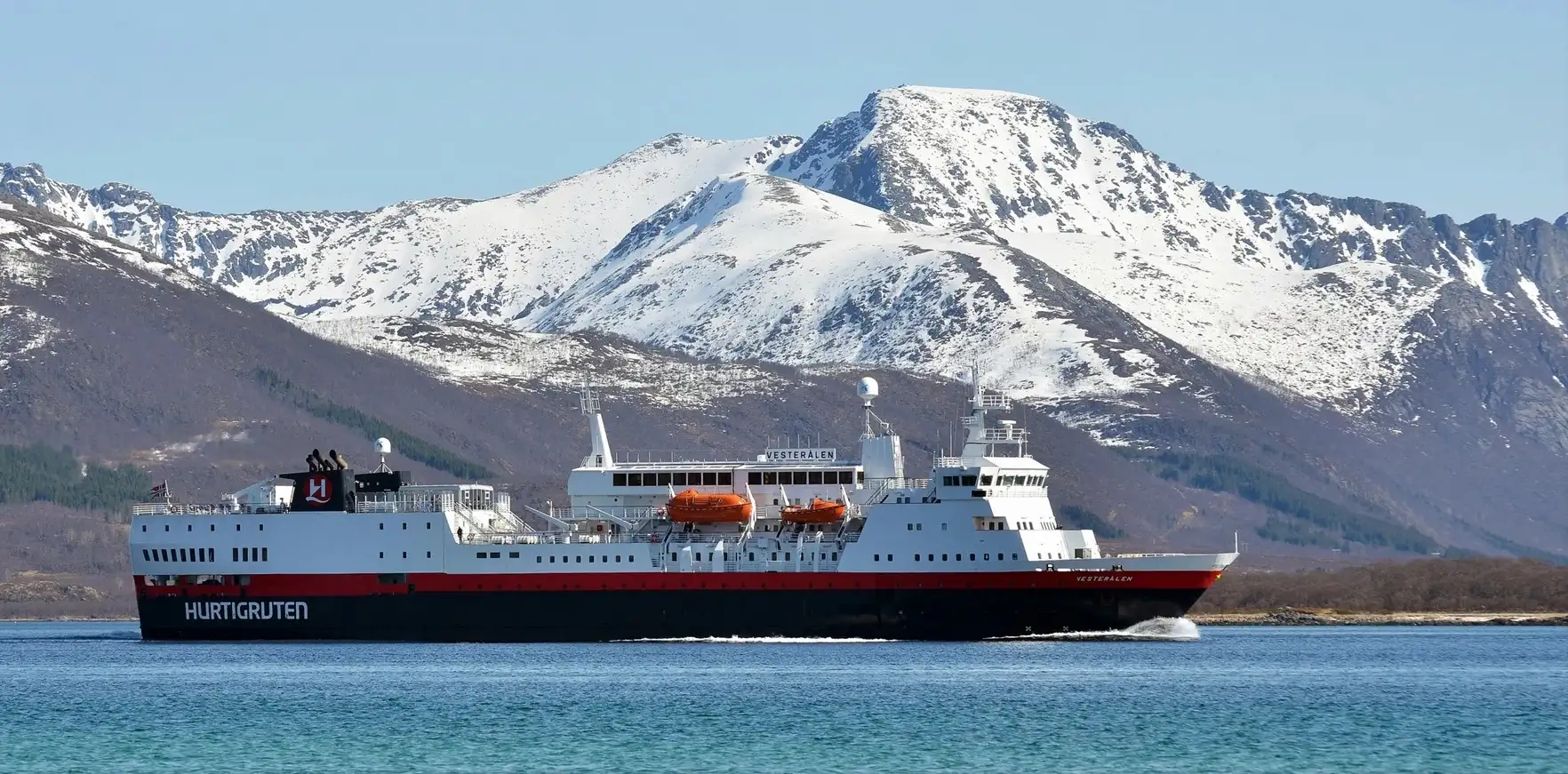
MS Vesterålen joins the fleet. Named after our first ship DS Vesteraalen, it continues the legacy first began 90 years ago.
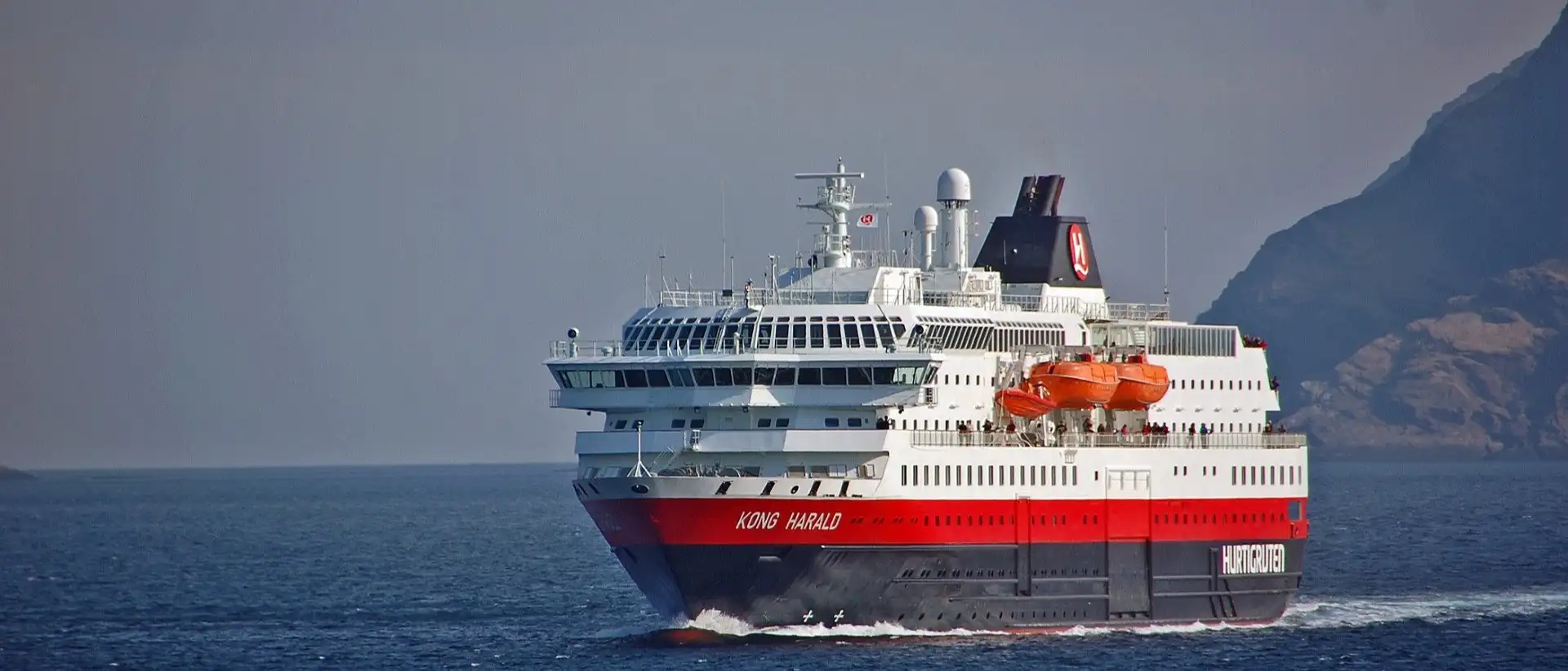
Our centenary and the construction of MS Kong Harald mark the dawn of the modern era.
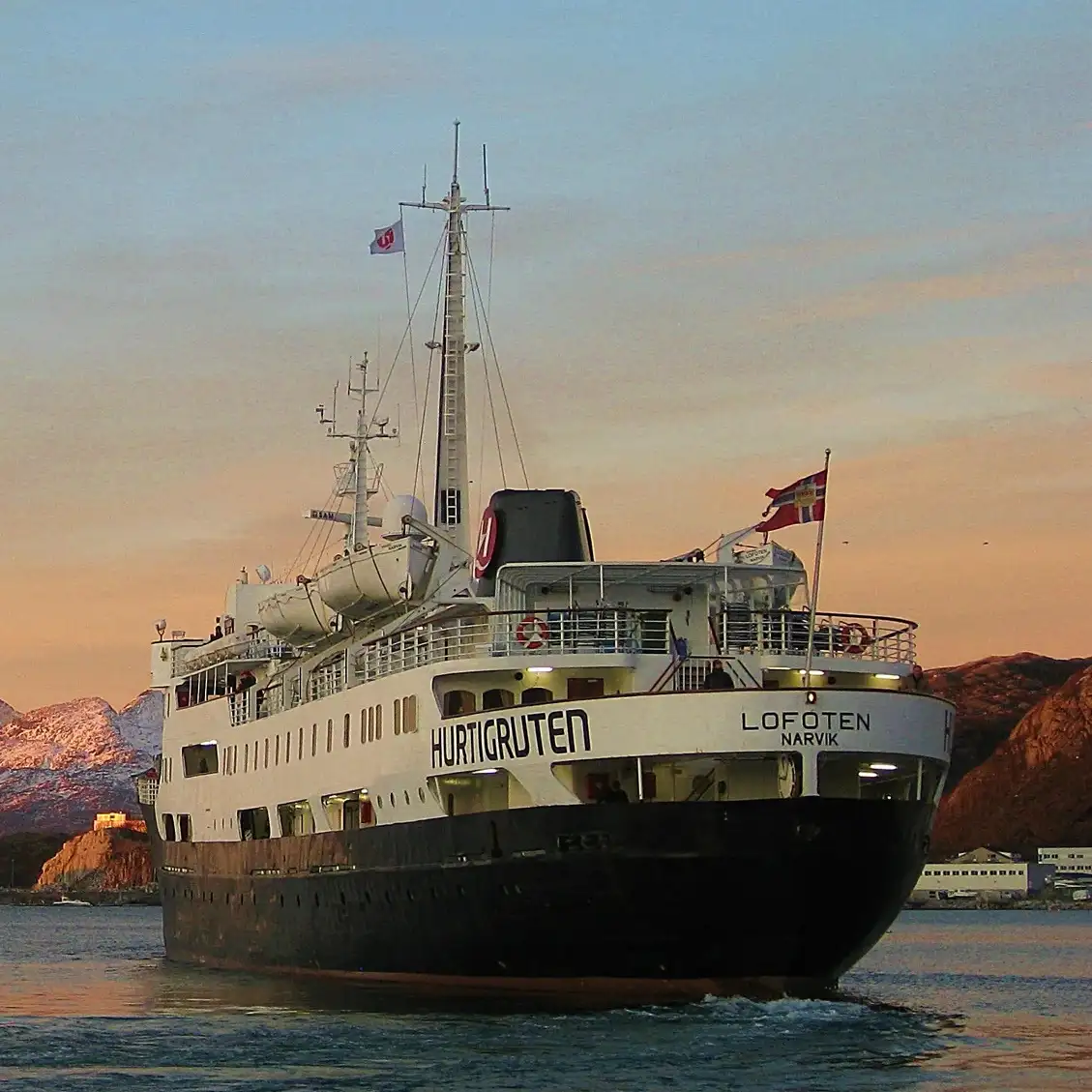
MS Lofoten, built in 1964, is declared a national monument by the Norwegian government, a testament to our continued service along the coast.
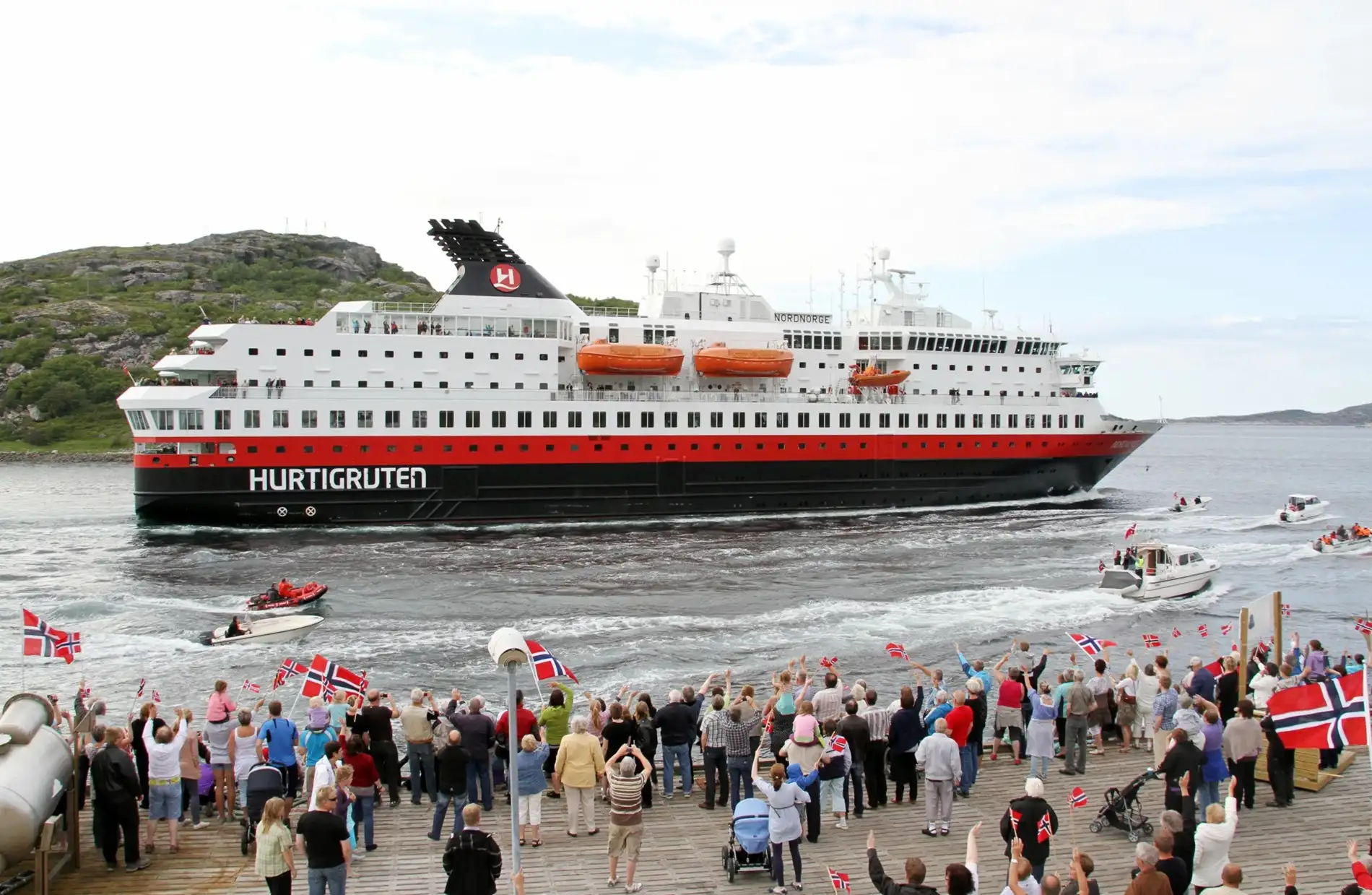
A six-day voyage on MS Nordnorge is filmed live on Norwegian television across 11 cameras. At over 134 hours, it was the world’s longest live broadcast.

The Hurtigruten Foundation is established to reinvest in the communities we visit. We also launch the world’s first Northern Lights Promise for our fall, winter, and spring voyages.
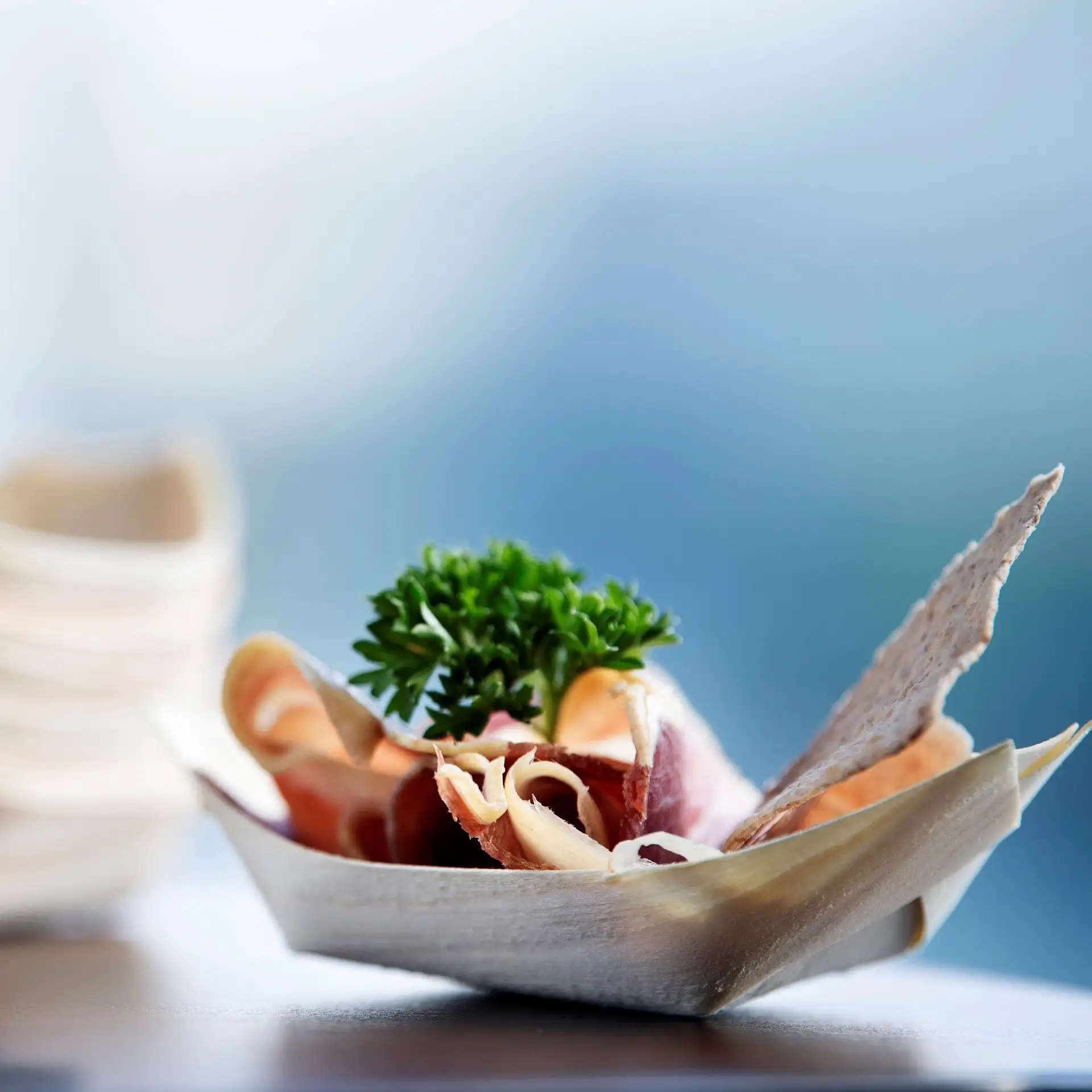
Tons of single-use plastic items are removed from our ships and replaced with alternatives like bamboo. We celebrate our 125-year anniversary with a big, plastic-free party.
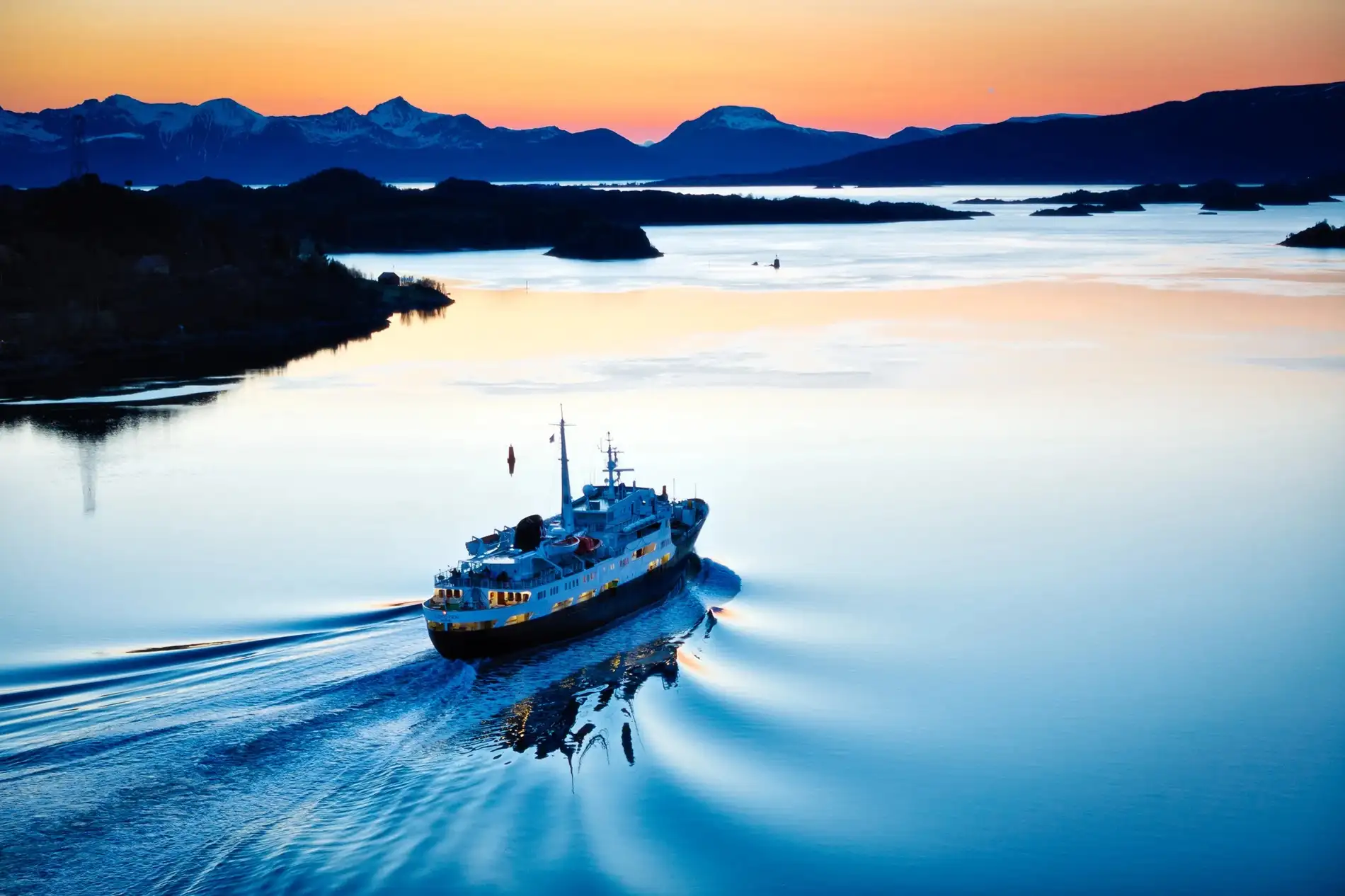
MS Lofoten, our longest-serving ship, retires to become a training vessel. It had crossed the Arctic Circle 3,500 times and sailed a distance equal to 200 times around the equator.
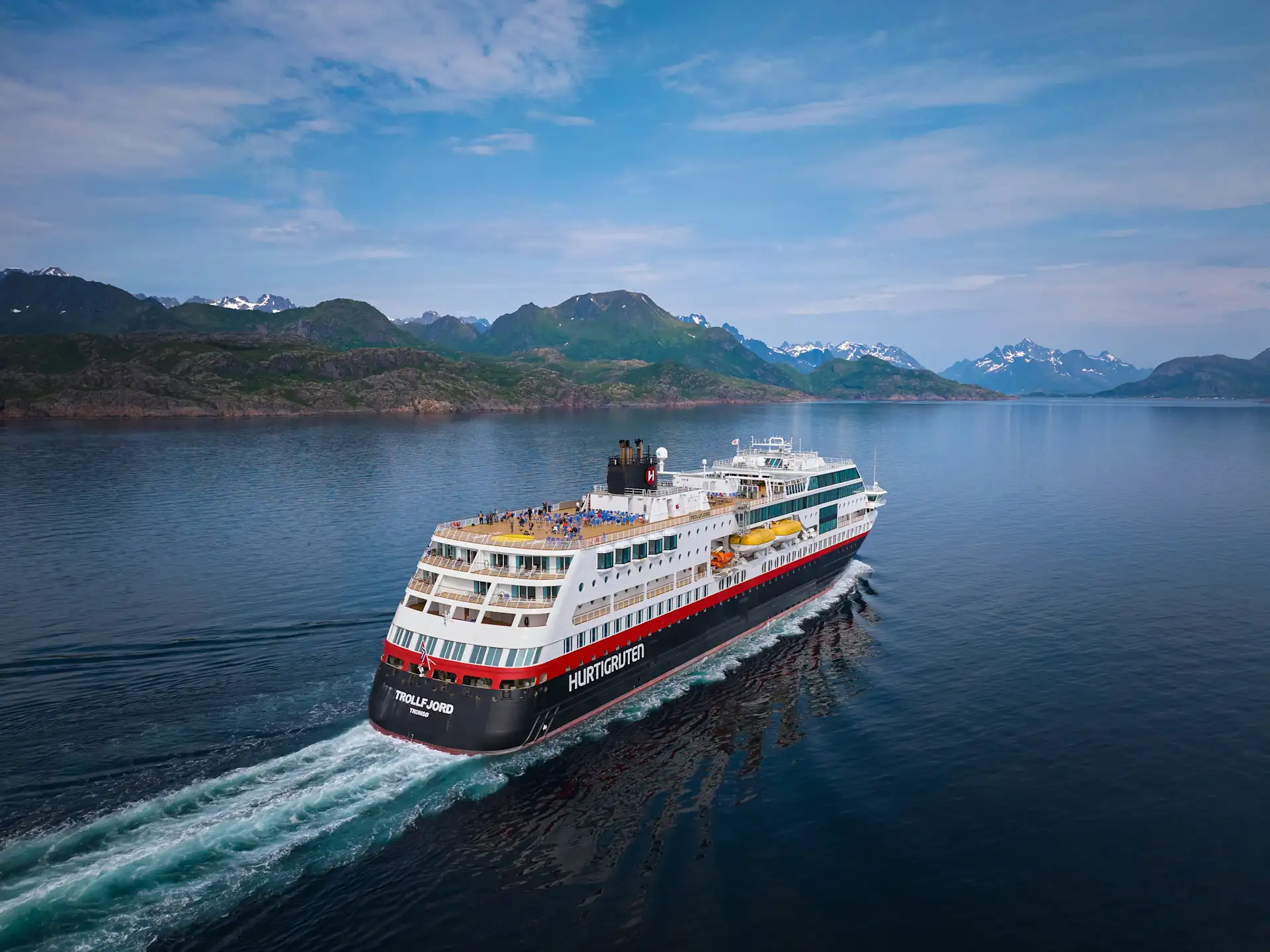
We commemorate the 130-year anniversary of our Original voyages by launching our Signature voyages: The Svalbard Line and The North Cape Line. These premium, award-winning sailings explore special places along the coast often overlooked by non-Norwegian cruise lines.
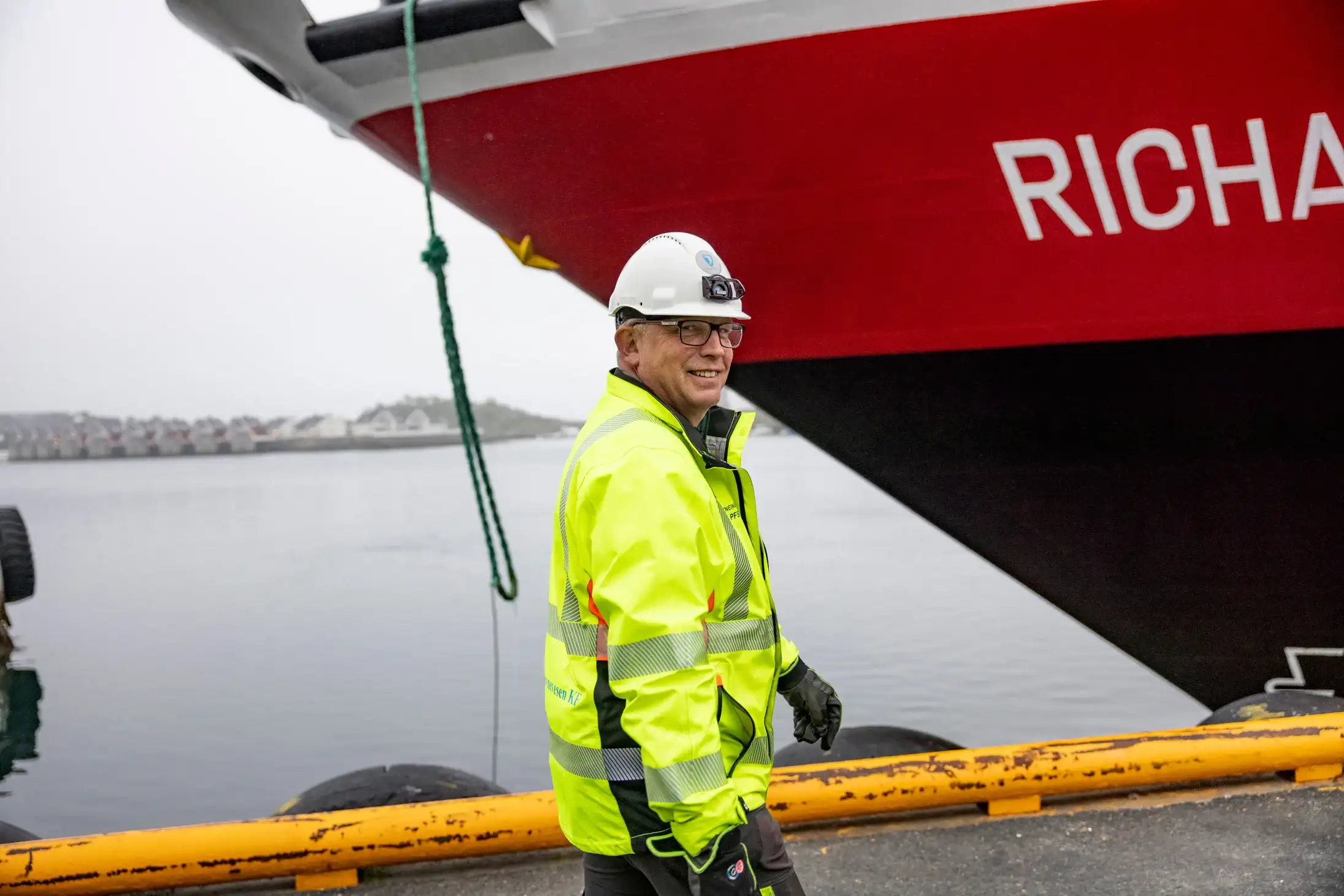
We complete one of Europe’s largest ship upgrade programs, significantly improving the sustainability of our fleet and representing an investment of approximately €150 million (appox. $171.95 million USD). This has reduced emissions, enhanced energy efficiency, and enabled the conversion of four vessels to hybrid-electric propulsion.
Visit our ESG page for further details on our Environmental, Social and Governance initiatives, as well as our long-term ambitions for responsible travel.

Bergen – Kirkenes – Bergen (Full-trip)
The original Norwegian coastal voyage – connecting fjords, towns & people since 1893
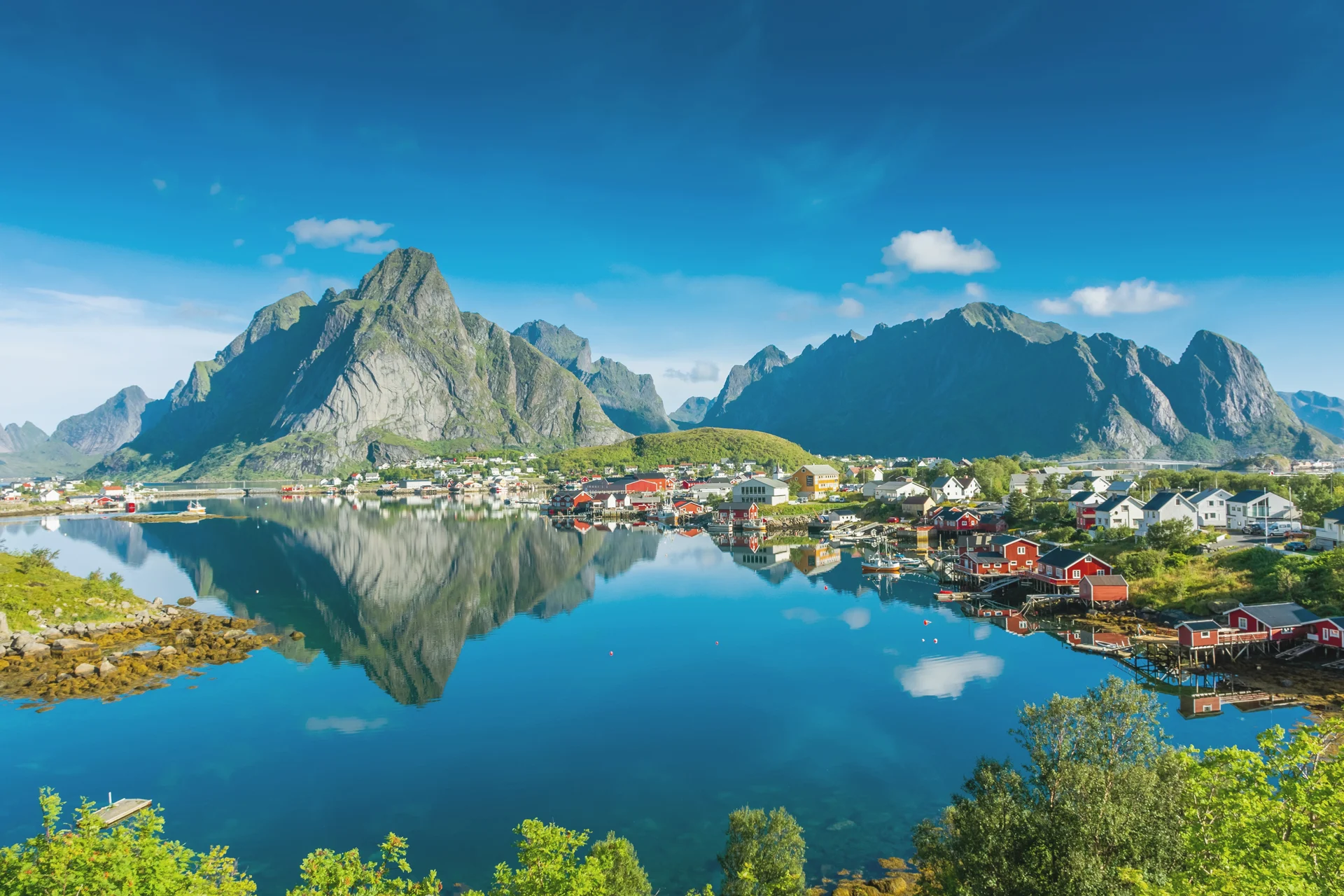
Bergen - Longyearbyen - Bergen (Full-trip)
All-inclusive Arctic cruise to Svalbard & back, with fjords, wildlife & Midnight Sun
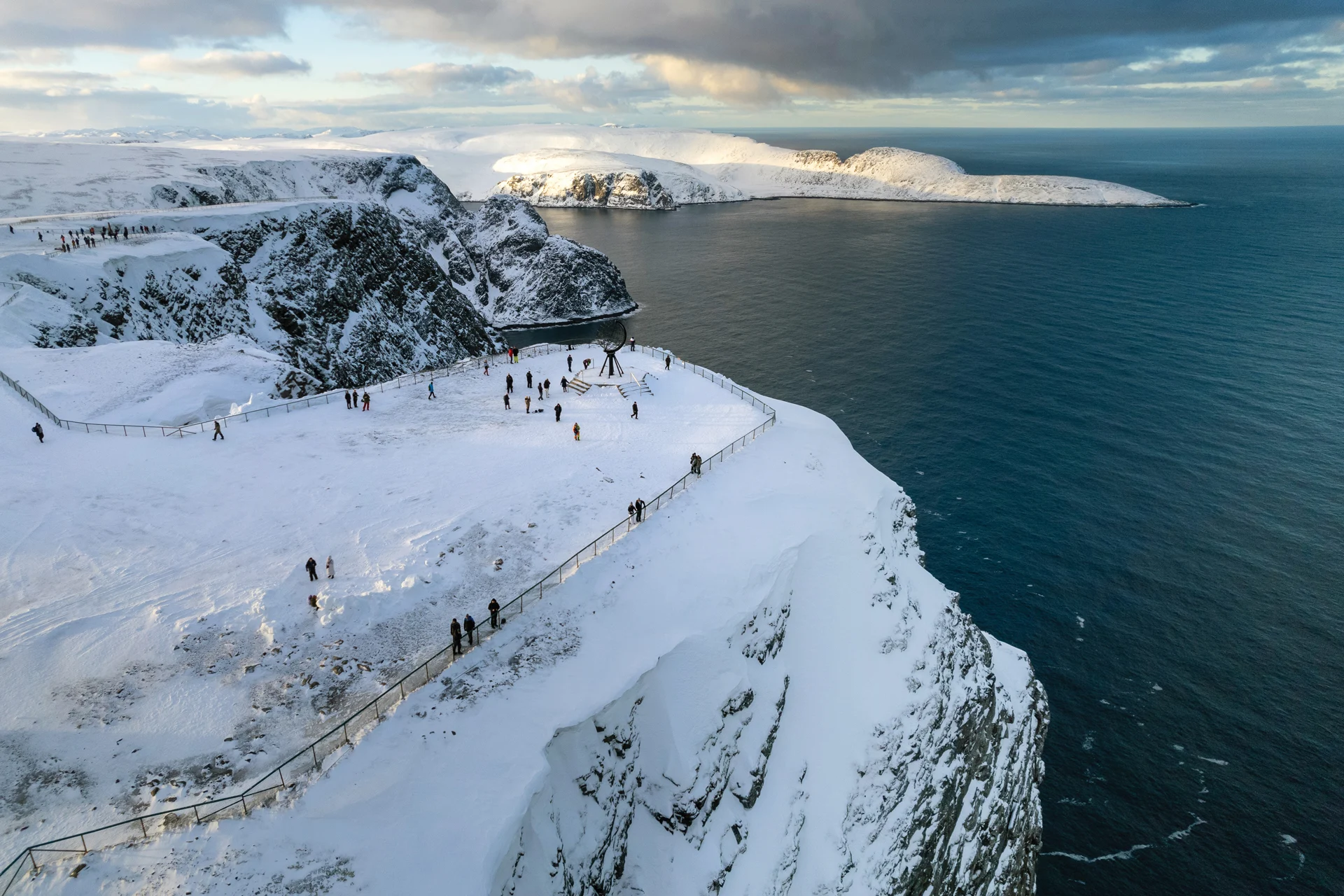
Oslo - Honningsvåg - Oslo (Full-trip)
All-inclusive winter cruise to Norway’s North Cape, chasing the Northern Lights
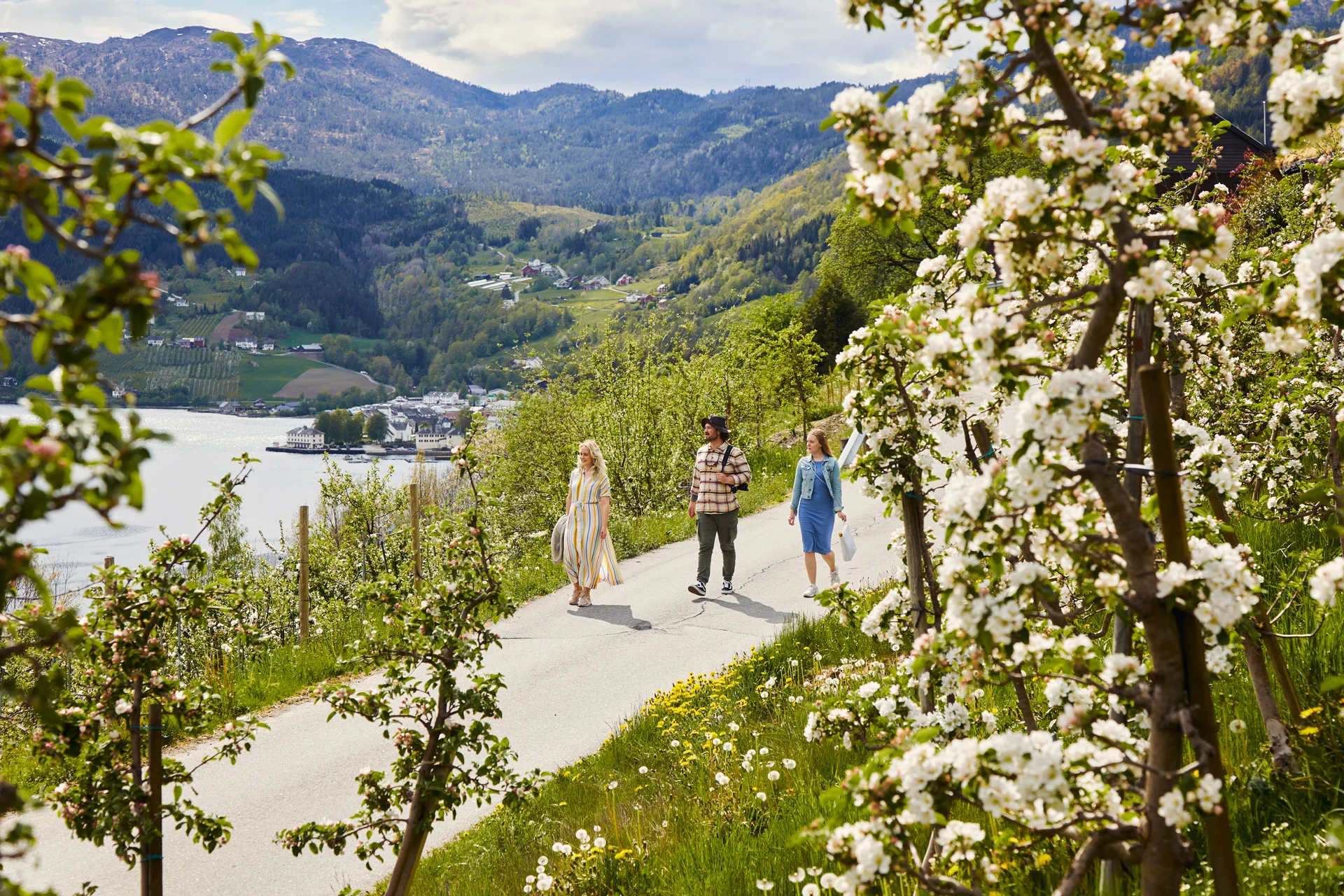
Bergen - Ålesund - Bergen (Full-trip)
Limited Collection voyage around Norway’s iconic Western Fjords
Receive special offers, exciting new itineraries and fascinating articles delivered straight to your inbox.