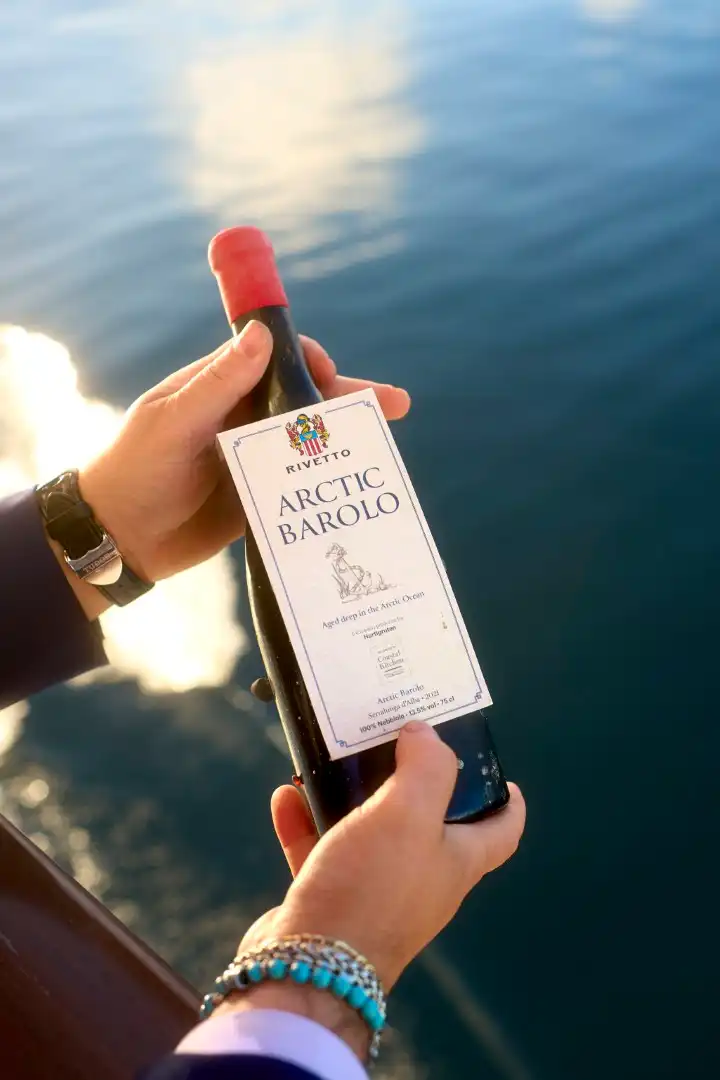
A world first: Arctic Barolo, our Arctic Ocean-aged red wine
What happens when red wine is shaped by two extraordinary landscapes: the sun-drenched slopes of Italy and the Arctic waters of Norway?
Barolo is one of Italy’s great wines. It is from Piedmont, among the world’s best-known wine regions and a place of Alpine foothills traced with neat rows of vines and terracotta-roofed villages. Days here are soaked in sunshine and measured by long lunches flavoured with local truffles and some of Italy’s finest wines – including Barolo.
We wondered what would happen if Barolo’s journey took it somewhere radically different, from a landscape defined by warmth and light to the cold, dark waters of the Arctic Ocean, just off Kirkenes. Arctic Barolo is the answer.
Approximately 3,000km away at 70° North, Norway’s Finnmark coast is lapped by the frigid waters of the Arctic Ocean and lit by the Midnight Sun and the Polar Night. The small town of Kirkenes marks the turning point of our Original Coastal Express route. Now, this remote stretch of north Norway is also where we age our Arctic Barolo underwater wine.
“Taking one of Italy’s great wines and placing it in such conditions might sound bizarre, but that sense of curiosity is exactly what made the project so exciting,” said Tani Gurra, our Front of House & Beverage Director.
How is Arctic Barolo made?
While ageing wines underwater first began attracting commercial interest in the early 2010s, Arctic Barolo is the first red wine in the world to be aged in the cold waters within the Arctic Circle.
For the first batch, we selected a Barolo from Serralunga d’Alba, one of the historic hilltop villages at the heart of Piedmont’s Barolo region. It was produced by Rivetto, a certified organic and biodynamic wine estate whose approach to winemaking was one of the reasons we chose to work together.
Before its Arctic adventure, the Barolo underwent its traditional maturation, including 24 months in large oak casks. The wine then travelled from Rivetto’s wine cellars to the bed of the ocean just off the coast of Kirkenes – where conditions are very different but equally consistent.
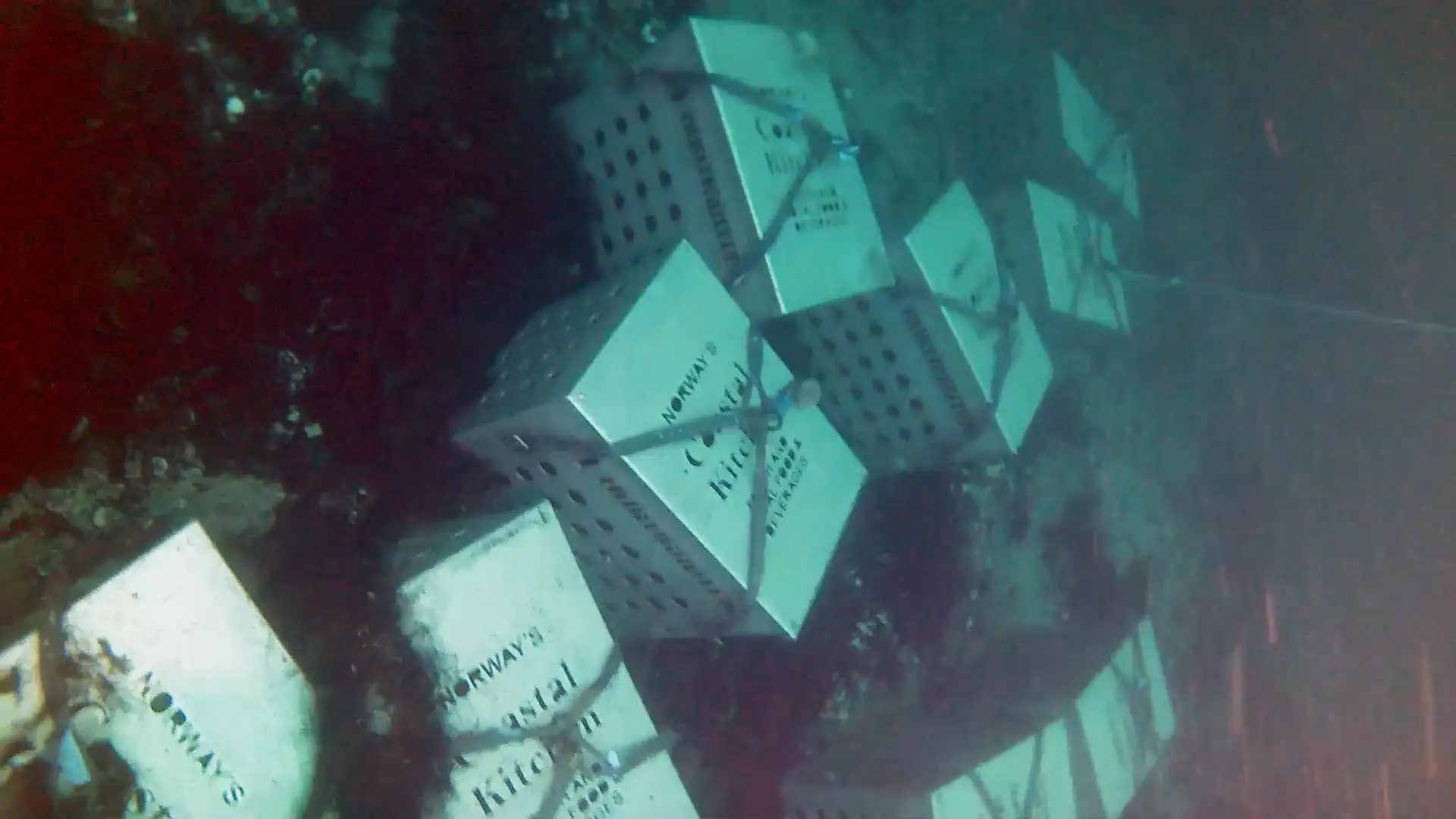
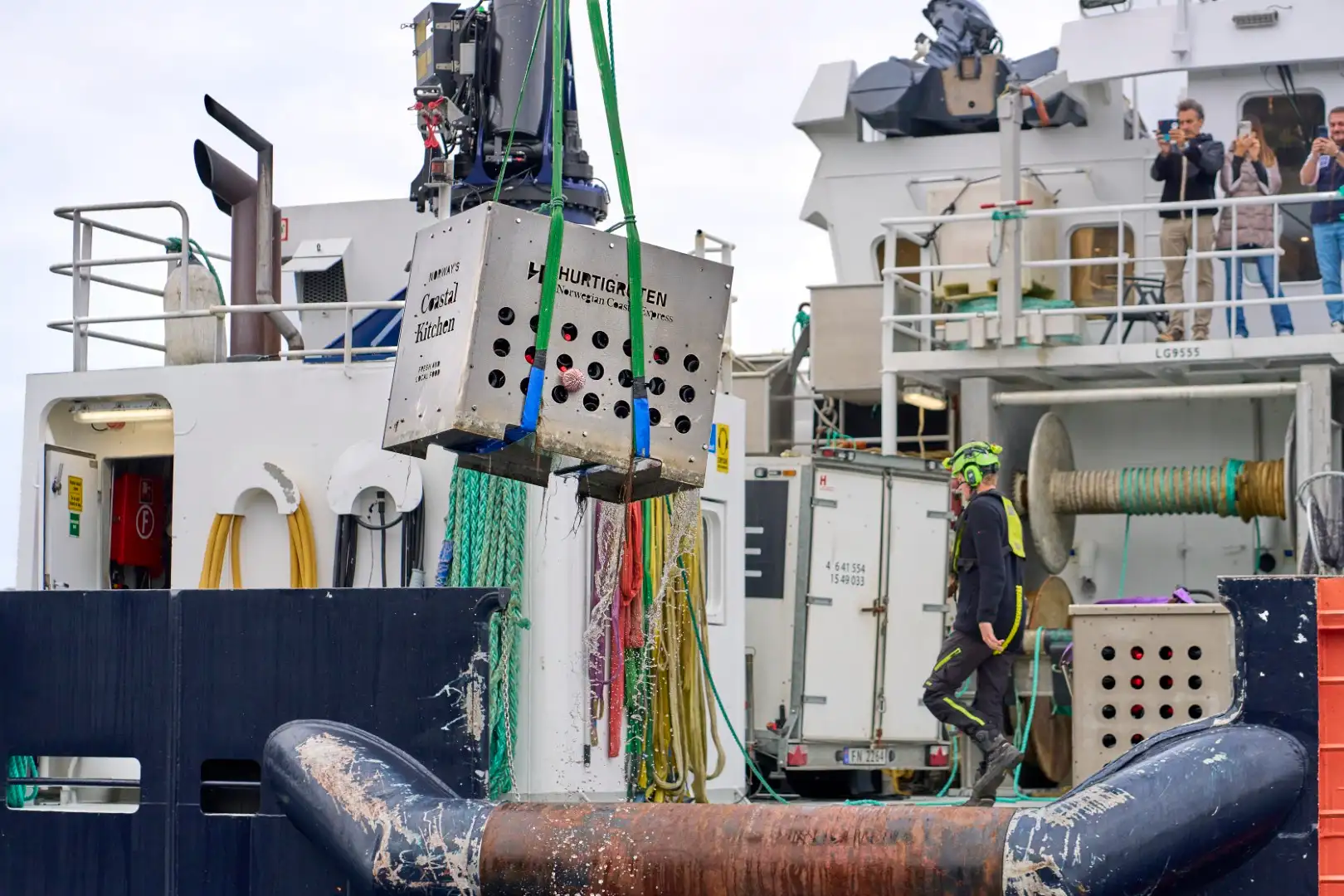
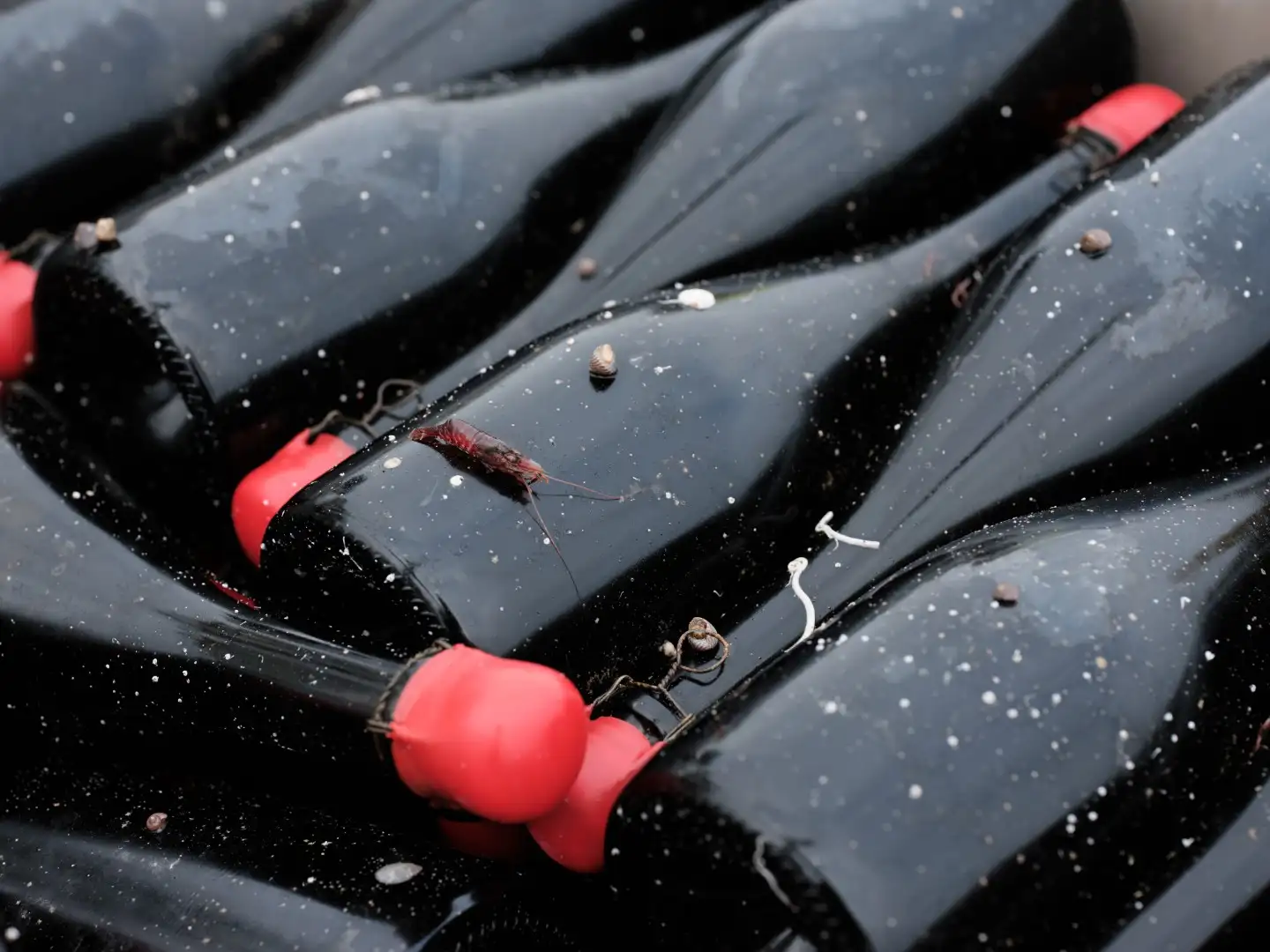
For more than a year, the bottles of Barolo matured 34 metres below the surface. Here, the water is at a near-constant 5-6°C, completely dark and under approximately four bar of pressure – that’s around four times the normal atmospheric pressure of wine cellars at sea level. It’s also full of life. Crabs scuttled around the bottles, shrimp skated past them, and strands of seaweed draped themselves across the wax-covered corks.
What effect might these conditions have on the way the Barolo develops?
“You can create the theory and look at the temperature, darkness and pressure, but until you raise those bottles and pull the first cork, you simply don’t know,” said Tani. “After a year beneath Arctic waters, there was only one thing we really wanted to know: what had happened to the wine?”
The first batch of Arctic Barolo in numbers
1,002
bottles in the first batch
34
metres beneath the surface
2021
the vintage of the first batch of Rivetto Barolo Serralunga
12
months or more spent underwater
70
degrees North off the coast of Kirkenes
What happens when red wine ages beneath the sea?
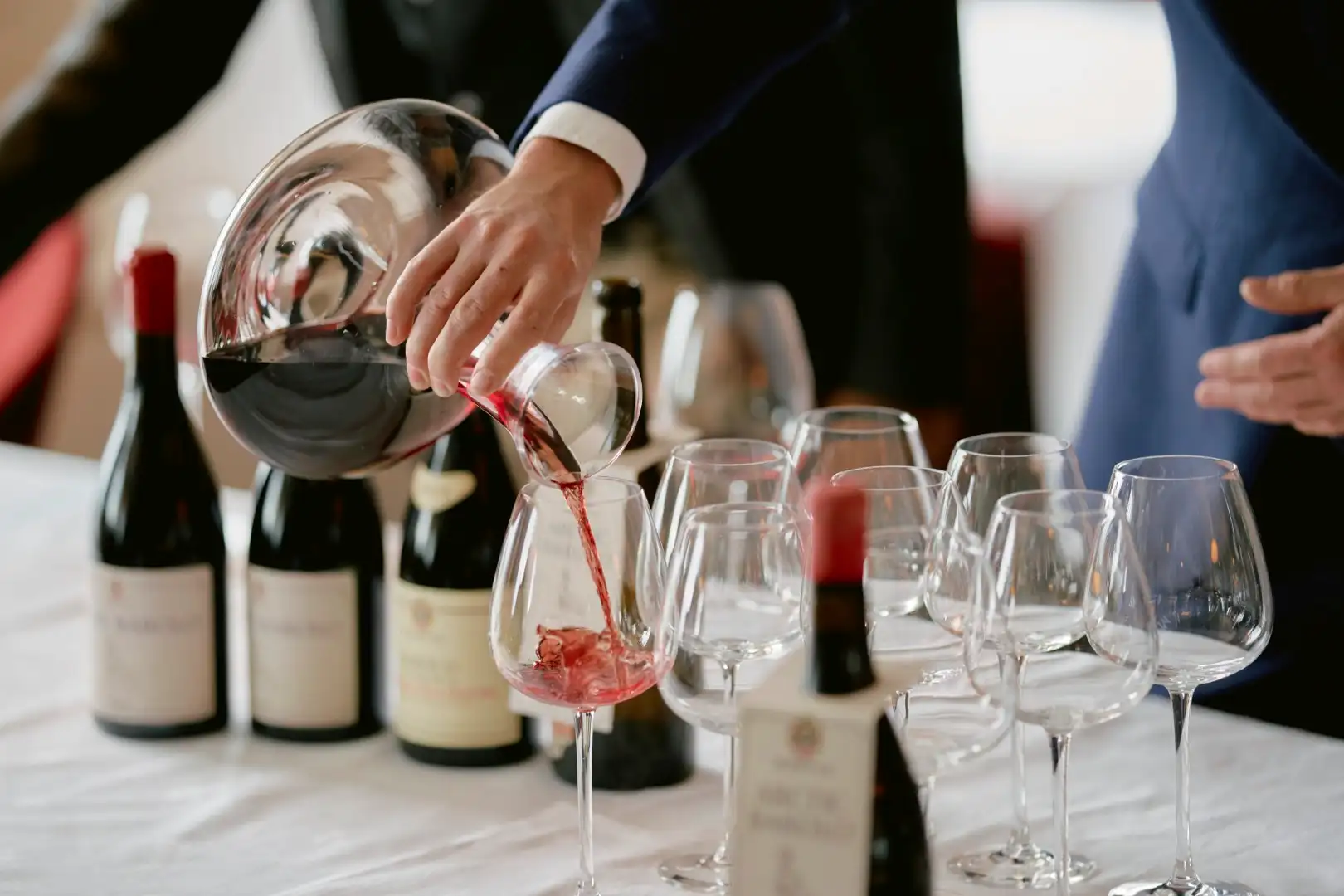
More than a year after disappearing beneath the Arctic waters, the bottles surfaced again, crusted with salt and clusters of tiny barnacles. Waiting above the waves was a bottle of the same vintage that had spent the year ageing on land. Leading wine experts would taste the two side by side, to discover what difference a year beneath the Arctic Ocean had made.
It didn’t take them long to toast the experiment a success.
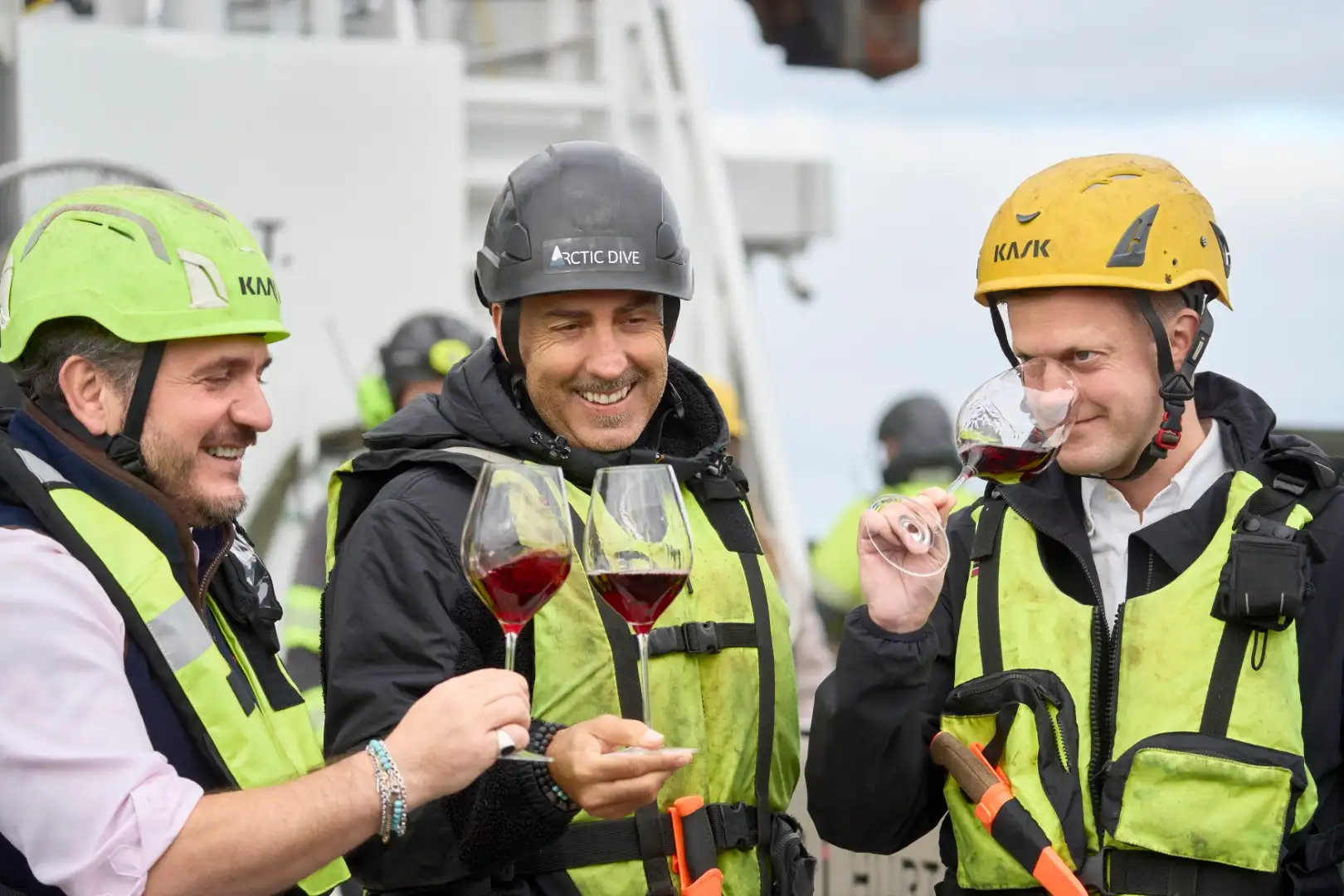
“The difference between the cellar-aged wine and the wine aged beneath Arctic waters was immediately apparent,” said Henrik Jahnsen, President of the Norwegian Sommelier Association.
“The Arctic Barolo showed a brighter, more youthful ruby colour, with a fresher and more precise aromatic profile of wild fruits and flowers. The tannins also felt fresher and crunchier, giving the wine a more youthful expression. I was surprised by how clear the difference was, and impressed by what appears to be a unique and beneficial effect on the wine.”
Those first bottles raised from the Arctic marked only the beginning. Each year, another batch of Barolo makes the journey north from Piedmont to spend more than twelve months beneath the Arctic Ocean before returning to the surface – carrying with it the influence of two extraordinary places.