We Recommend
Oslo - Honningsvåg - Oslo (Full-trip)
The North Cape Line – Roundtrip
All-inclusive winter cruise to Norway’s North Cape, chasing the Northern Lights
- October 2026 - December 2027
- 15 days
- 13 Stops
- All meals & unlimited selected drinks
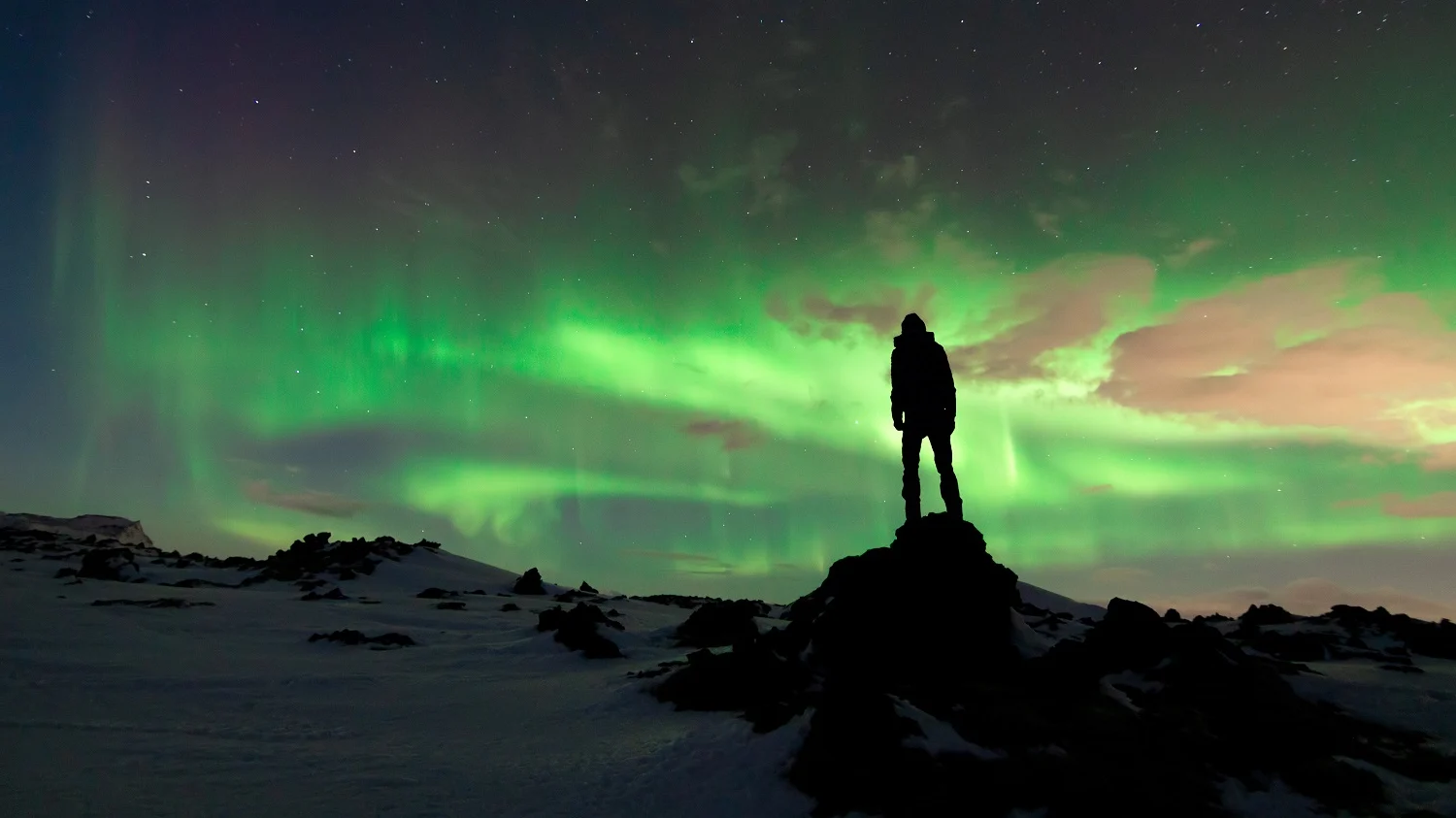
Imagine a land where the sun never rises and the Northern Lights can appear at any time: welcome to the Polar Night in northern Norway.
Norway is a land of extremes. Lush, green fjords and stark mountain plateaus. The roar of a powerful waterfall versus the creaks of a hulking glacier. And perhaps most dramatic, the contrast between summer’s Midnight Sun and winter’s Polar Night.
The Polar Night, or mørketid, is the period during winter when the sun never fully rises above the horizon, bringing starry darkness to Norway’s northern regions for several weeks.
With Hurtigruten, you can sail the Norwegian coast throughout the winter months, chasing the fading light north as it gradually disappears. Join us and embrace the darkness – for fascinating blue light, incredible stargazing and perfect Northern Lights conditions – on a winter cruise like no other.
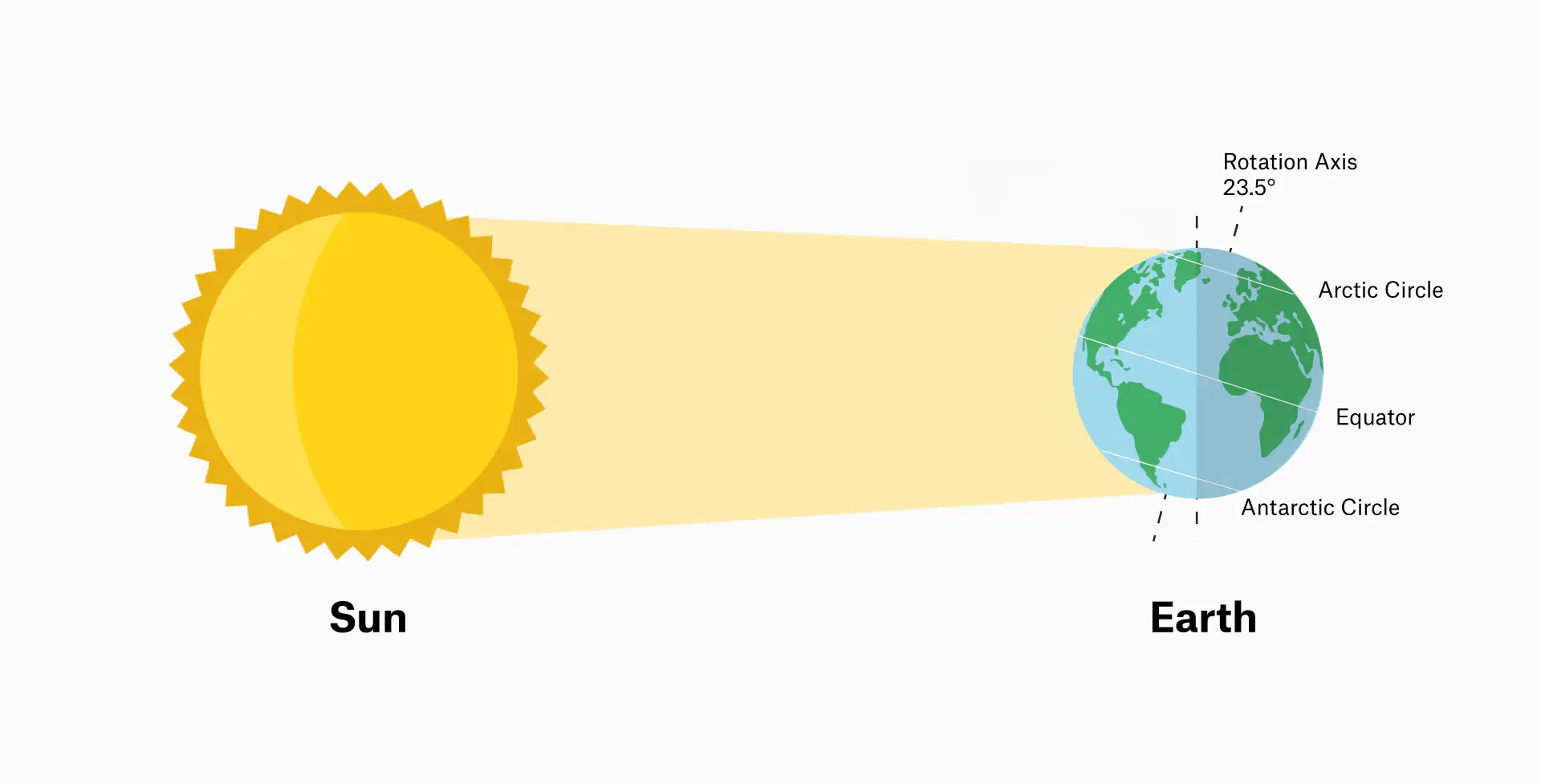
The Polar Night is a natural phenomenon that happens in the polar circles of Earth – that's the Arctic Circle in the northern hemisphere and the Antarctic Circle in the southern hemisphere. Nearly half of Norway’s landmass is above the Arctic Circle, so if you travel to Norway in winter, it’s likely that you’ll experience the Polar Night, or extended darkness, in some way.
The Earth’s tilt means that for part of the year, the northern hemisphere is angled away from the sun, meaning little or no sunlight reaches northern Norway, as well as in many areas in Scandinavia, Greenland and North America. In summer, when the planet tilts towards the sun, this phenomenon becomes Midnight Sun instead.
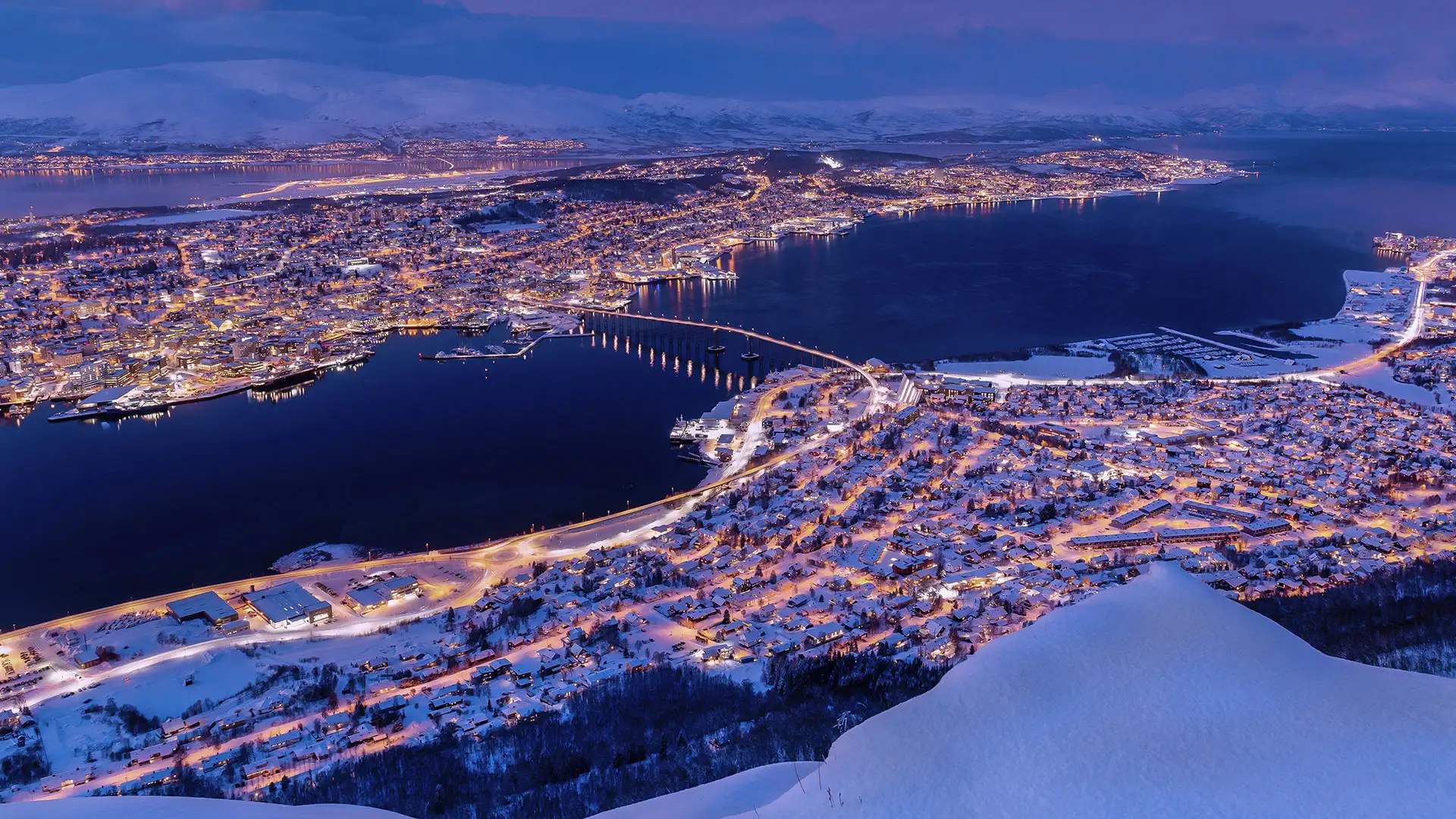
But the Polar Night doesn’t mean weeks of complete darkness. Instead of a blanket blackout, the sky still changes across the day – from starry night to sunset colours to blue light. On clear days, it’s possible to see the sky painted pink and red looking south or deep blue to the north.
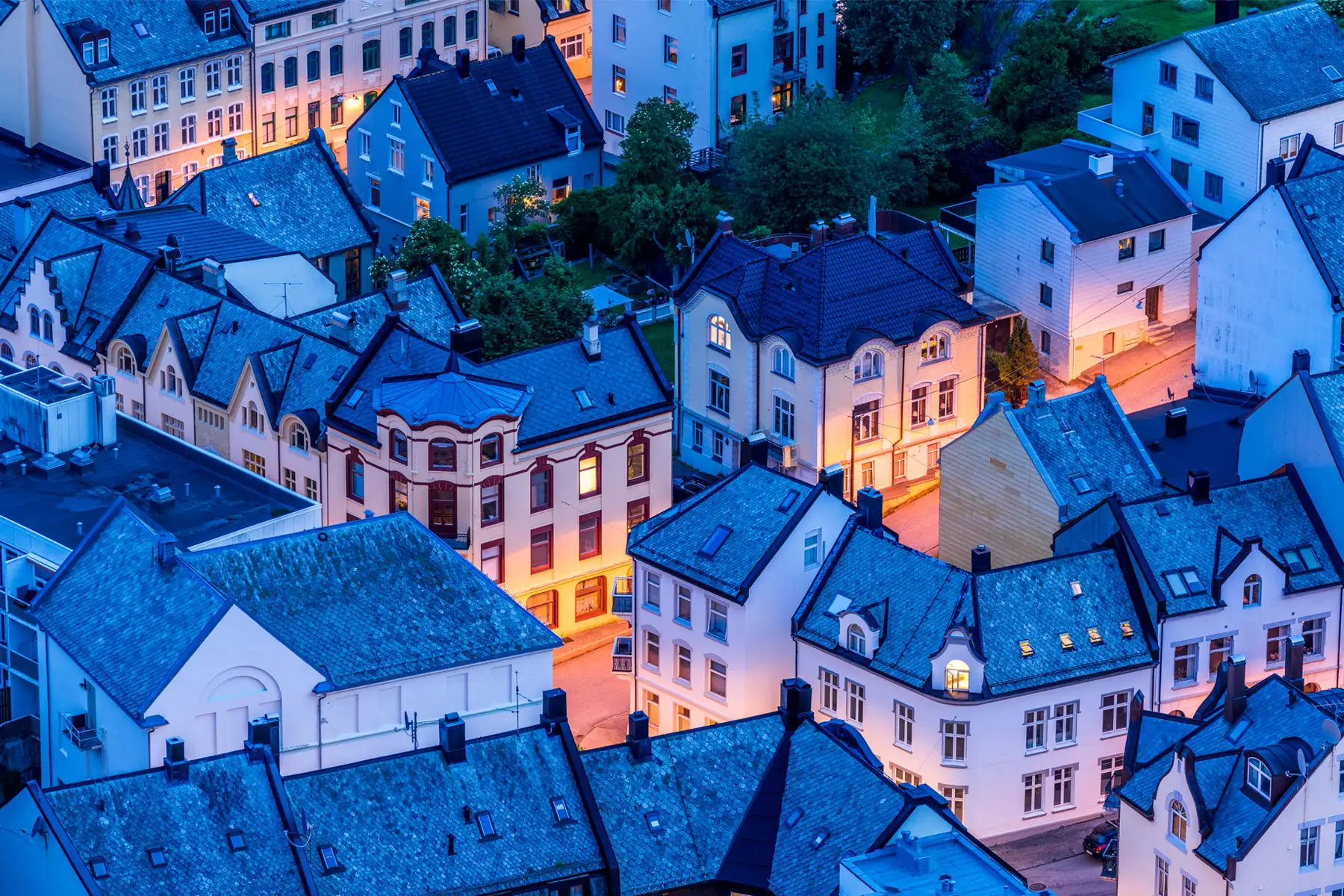
This often happens in the early afternoon and is called the ‘blue hour’, or blåtimen – a riff on the ‘golden hour’ much loved by photographers for its aesthetic glow. The blue hour is equally magical. Fading light reflects off the sea and the snow to create an eerie light that tinges everything in shades of blue.
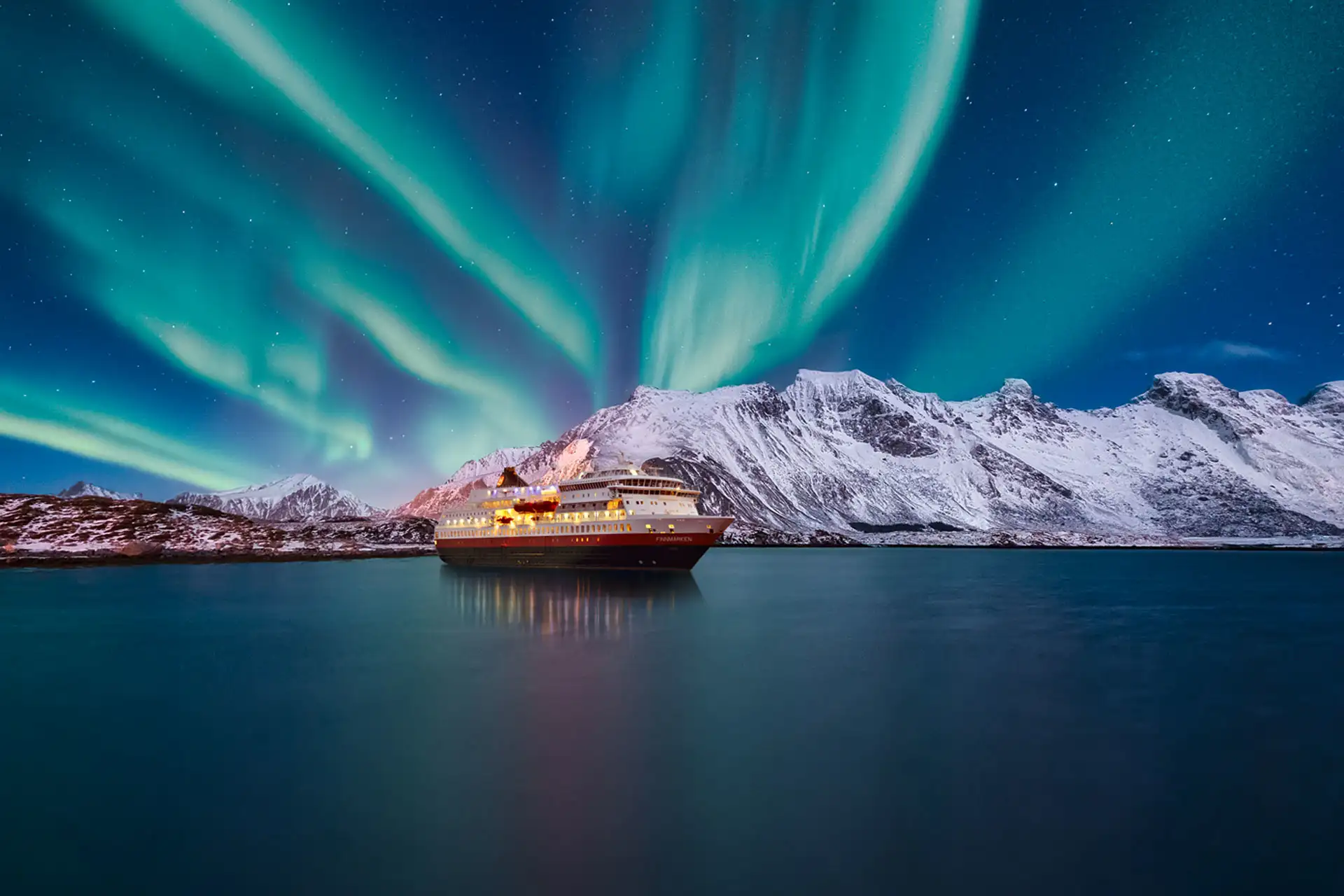
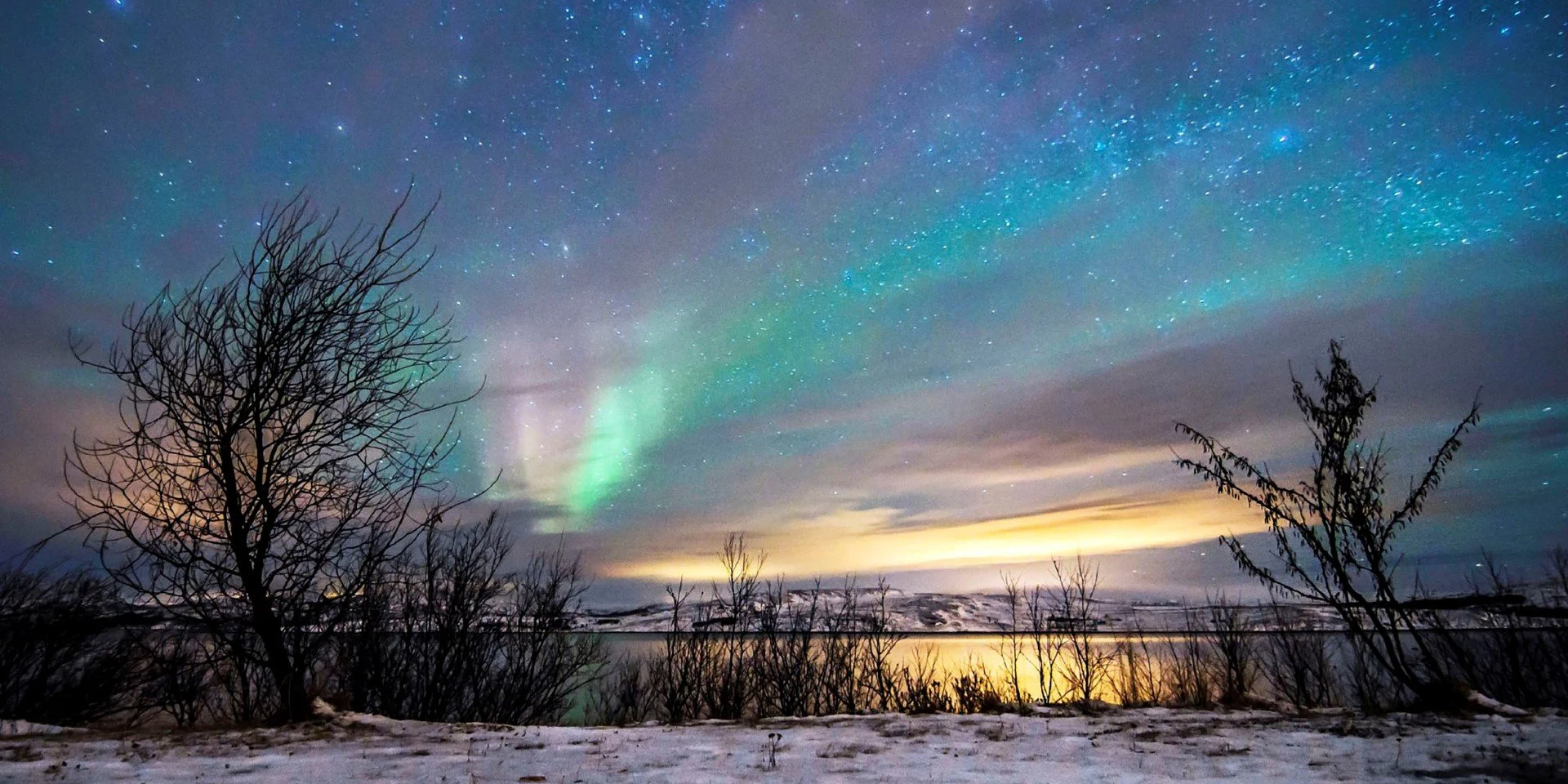
Reduced daylight during the Polar Night means seeing the Northern Lights is highly likely, especially north of the Arctic Circle. Clear, dark skies offer the best conditions, and so, when it’s darker for longer, it’s even possible to see the colours of the aurora during the day.
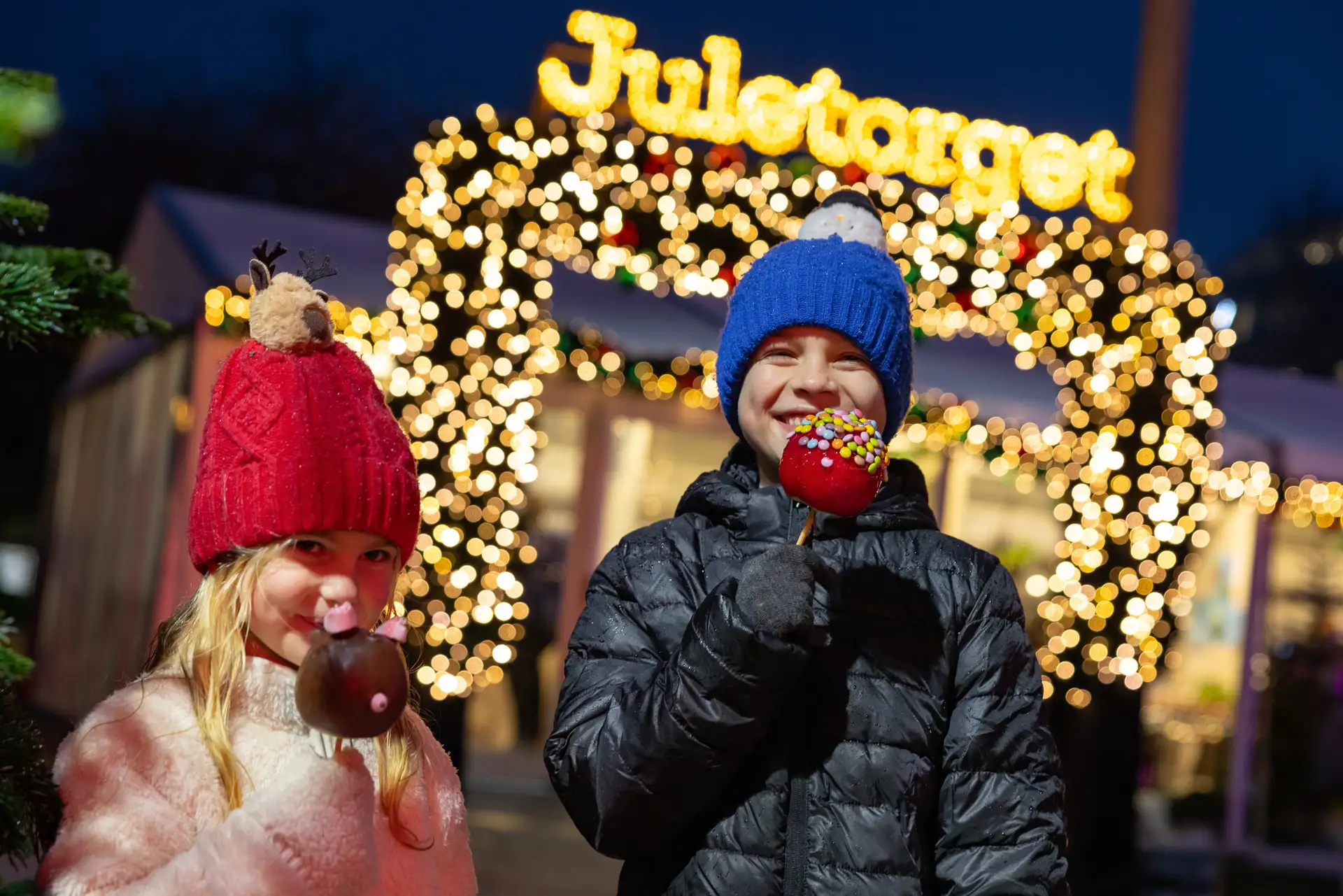
Shorter days mean Norwegians in the north might rest more, but they don’t hibernate. This is the time for koselig experiences (our word for feeling cosy): meeting friends in cafés, playing board games or baking festive treats. And there’s Christmas of course – the celebration is extra special during this period of extended darkness.
The further north you go, the longer the magic lasts. For example, in Svalbard, our most northerly outpost, it’s ‘nighttime’ for almost four months, while in Lofoten, the light fades in early December and returns by early January.
Oslo: there is no true Polar Night in Oslo, but around the winter solstice the days are short, with only about 6 hours of daylight.
Bergen: there is no Polar Night in Bergen but expect roughly 5-6 hours of soft daylight in December and January.
Lofoten: the Polar Night begins on 7th of December and ends by 5th of January
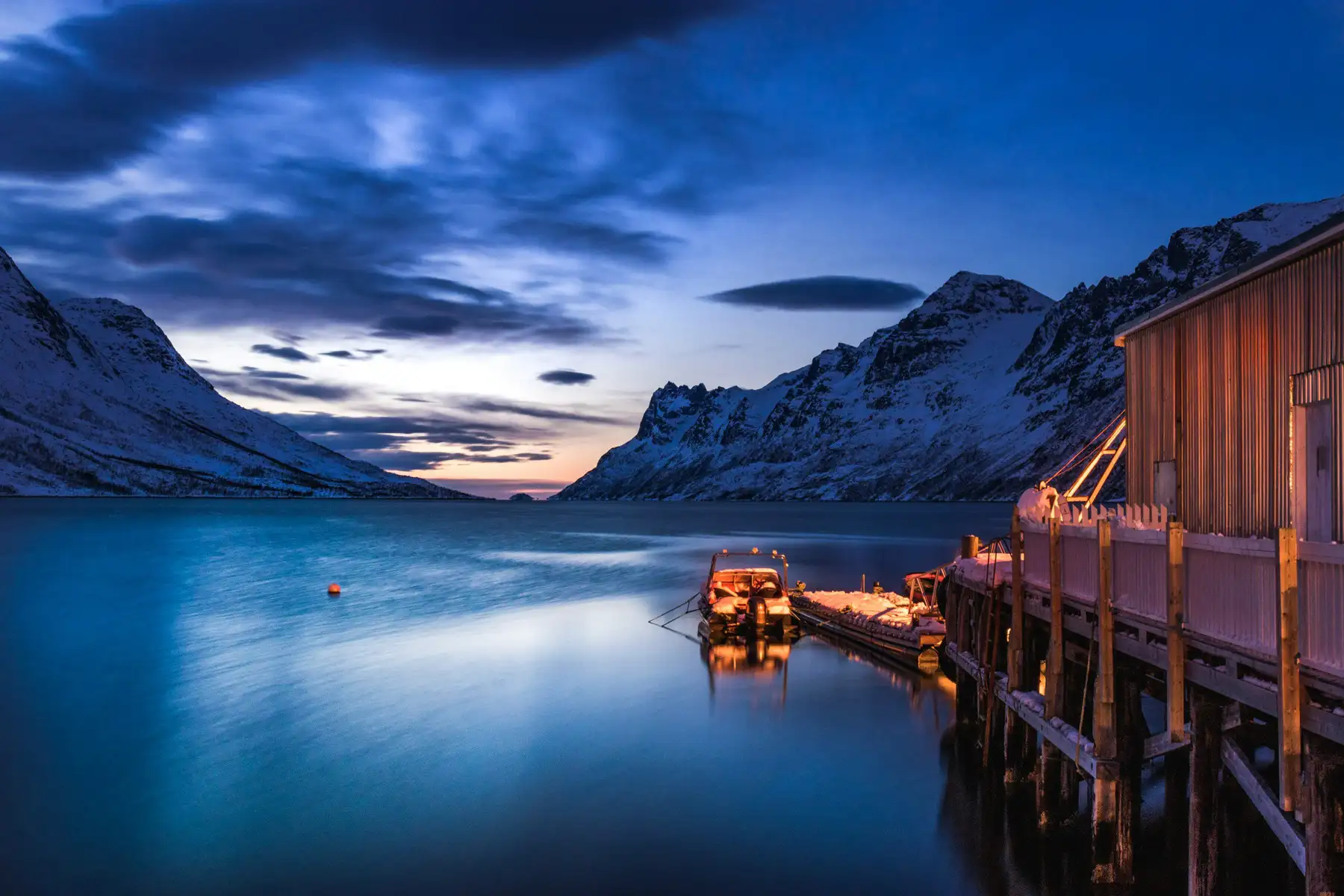
Tromsø: Polar Night lasts from about 27th November to mid-January.
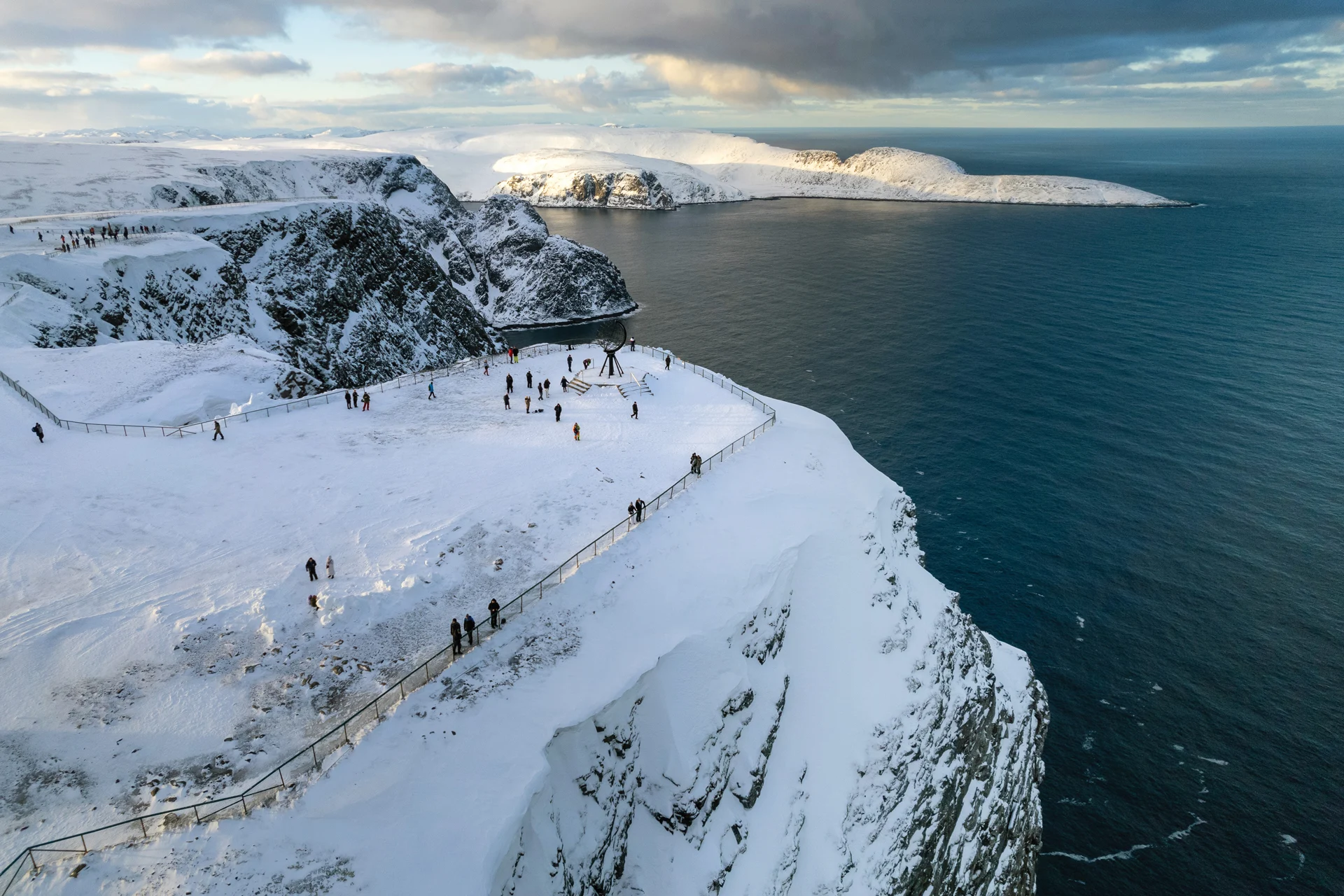
North Cape: mainland Norway’s most northerly point sinks into Polar Night from 20th of November until 22nd of January.
Kirkenes: the Polar Night begins from late November and ends by 21st January.
Longyearbyen (Svalbard): the most extreme Polar Night in Norway, with continuous darkness from late October to mid-February.
At the end of the Polar Night comes Soldagen (Sun Day), a cherished celebration marking the return of the sun. Locals gather to welcome the first rays with tradition, often sharing solboller and hot chocolate. Solboller literally means ‘sun buns’ in English; they are sweet buns flavoured with spices and filled with vanilla custard.
Soldagen is celebrated everywhere in the far north. It’s a joyful, communal festival that highlights how we embrace the rhythm of the seasons – and how important the sun’s return is.
A Norwegian cruise during the Polar Night is a unique experience. It offers something different to cruising our coastline during summer: landscapes bathed in twilight and the opportunity to chase the aurora during the day.
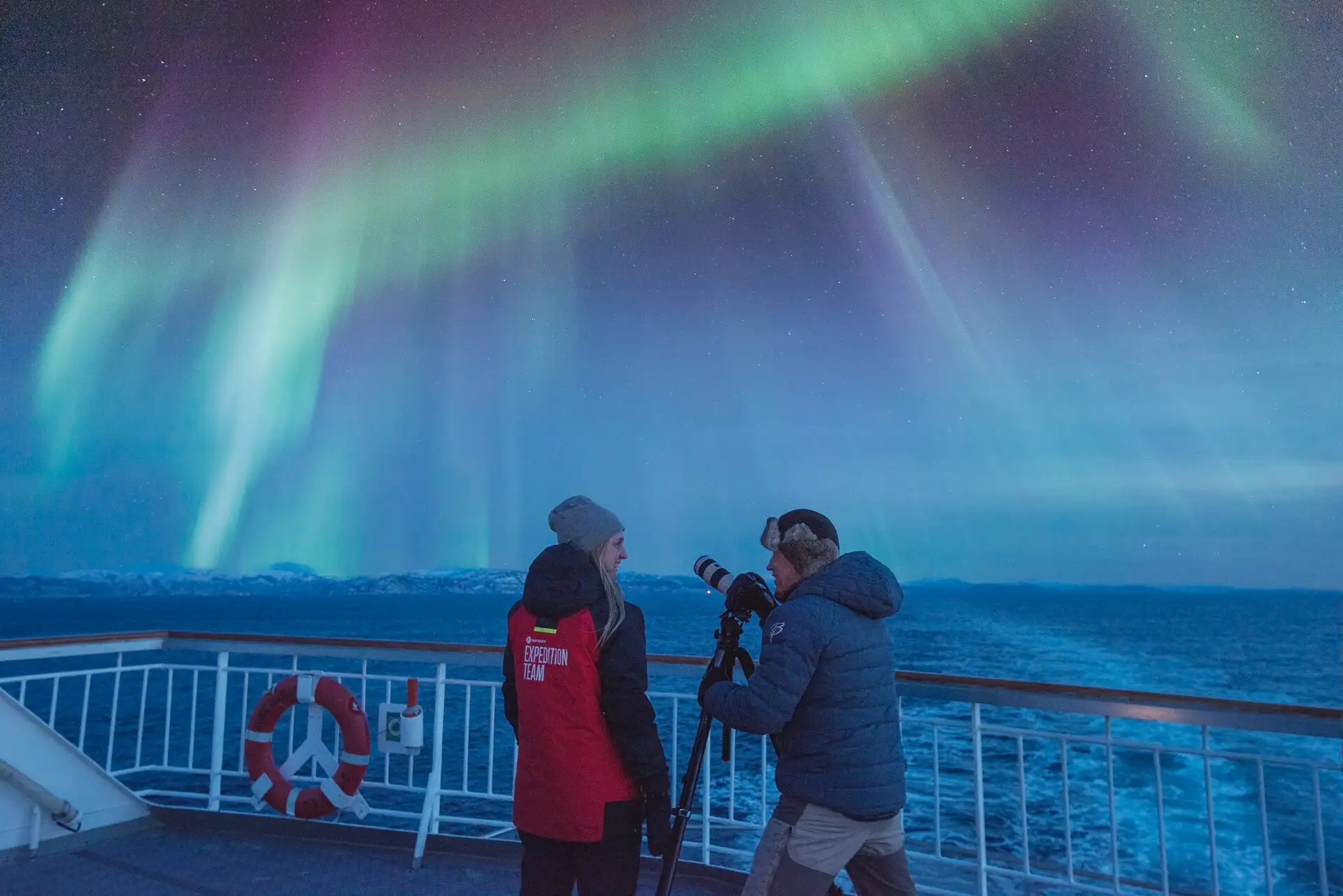
Endless darkness means two things: star visibility improves and it’s easier to see the Northern Lights. Our Astronomy Voyage sails the historic Coastal Express route, following the Polar Night as it settles over the north, with special lectures from an onboard astronomer.
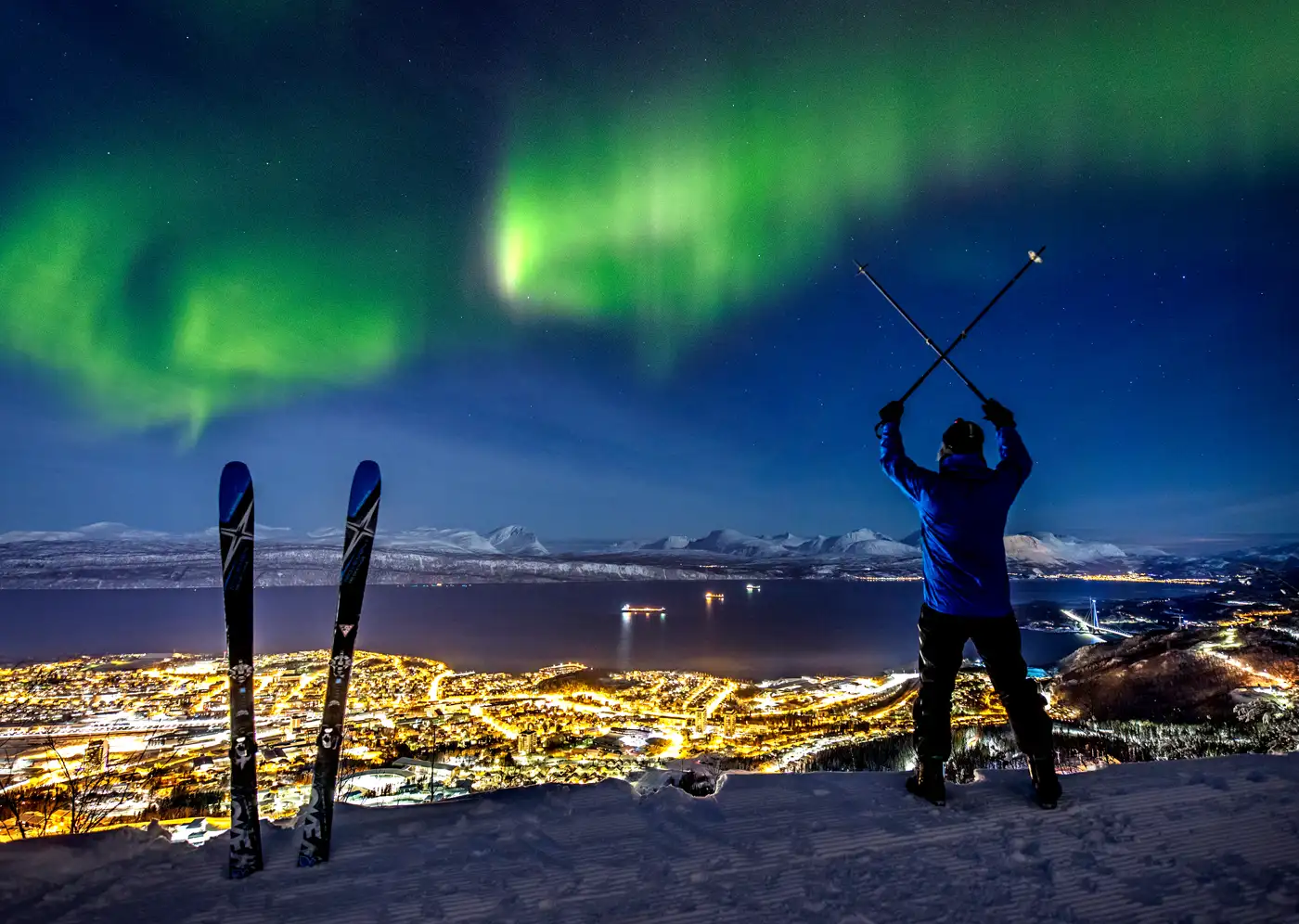
Darkness doesn’t stop Norwegians from hitting the slopes. During the Polar Night, it’s possible to go skiing at resorts where floodlights illuminate the runs. The starry night sky provides a spectacular backdrop for winter sports.

Few experiences show you the best of northern Norway like dog sledding. Join us in Alta or Kirkenes for a winter dog sledding excursion, where you’ll glide over snow covered landscapes under the Polar Night on a sled pulled by huskies.
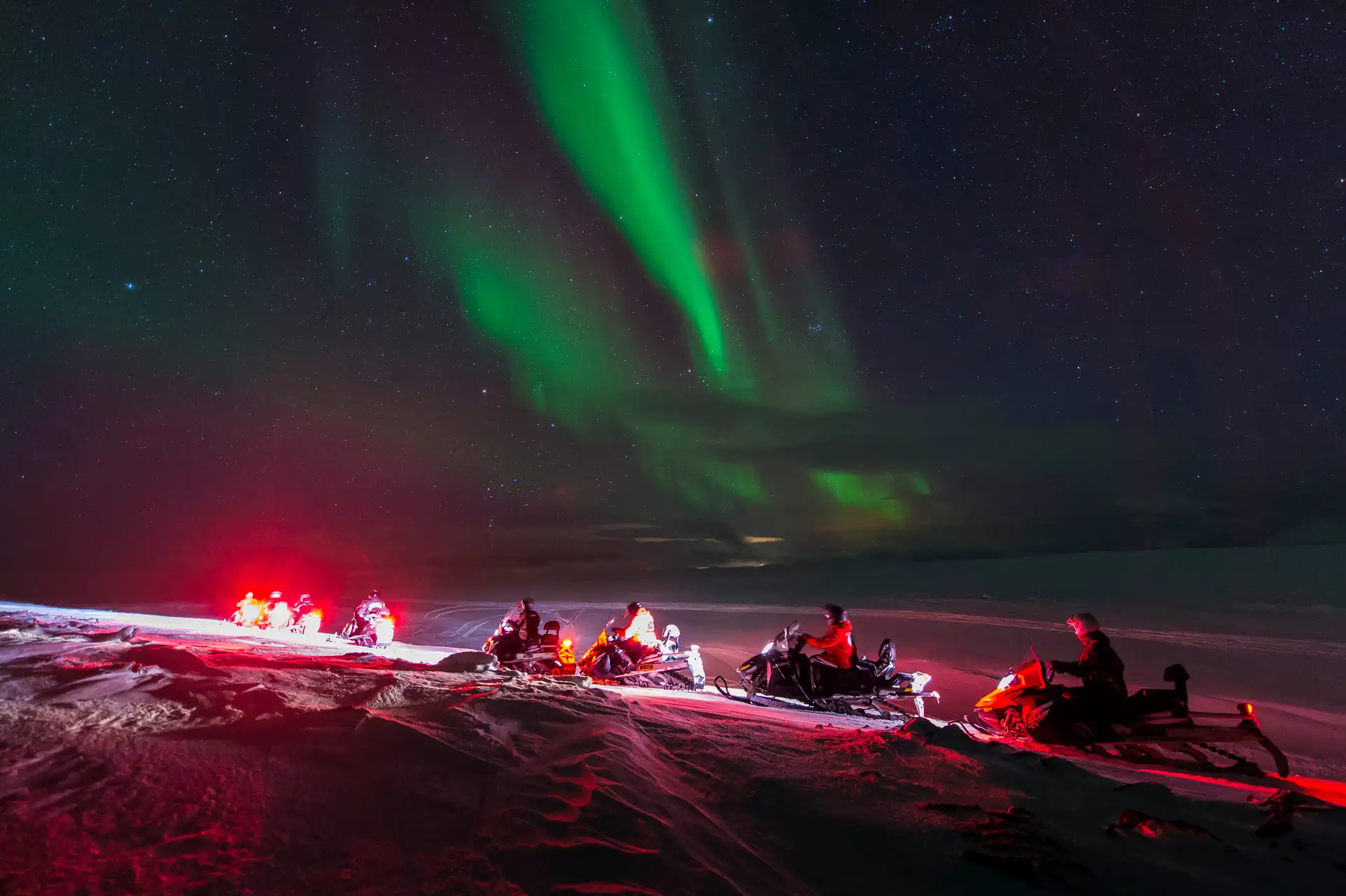
Snowmobiling is a thrilling way to explore Norway’s Arctic landscapes, especially during the Polar Night when stars and even the Northern Lights can light the way. In winter, we offer several snowmobiling excursions – including our guided snowmobile ride through the Finnmark wilderness.

Whale watching is a popular activity year-round in Norway’s wildlife-rich waters. It’s still possible to spot whales during the Polar Night, especially during the light of the blue hour. And winter is the best season for spotting humpback whales and orcas.

The seemingly endless evenings of the Polar Night offer the perfect opportunity for lingering over long meals with loved ones. Onboard, this means sampling seasonal cuisine made with Norwegian produce, such as bidos (reindeer stew) or skrei (Arctic cod), in our restaurants.
Oslo - Honningsvåg - Oslo (Full-trip)
All-inclusive winter cruise to Norway’s North Cape, chasing the Northern Lights
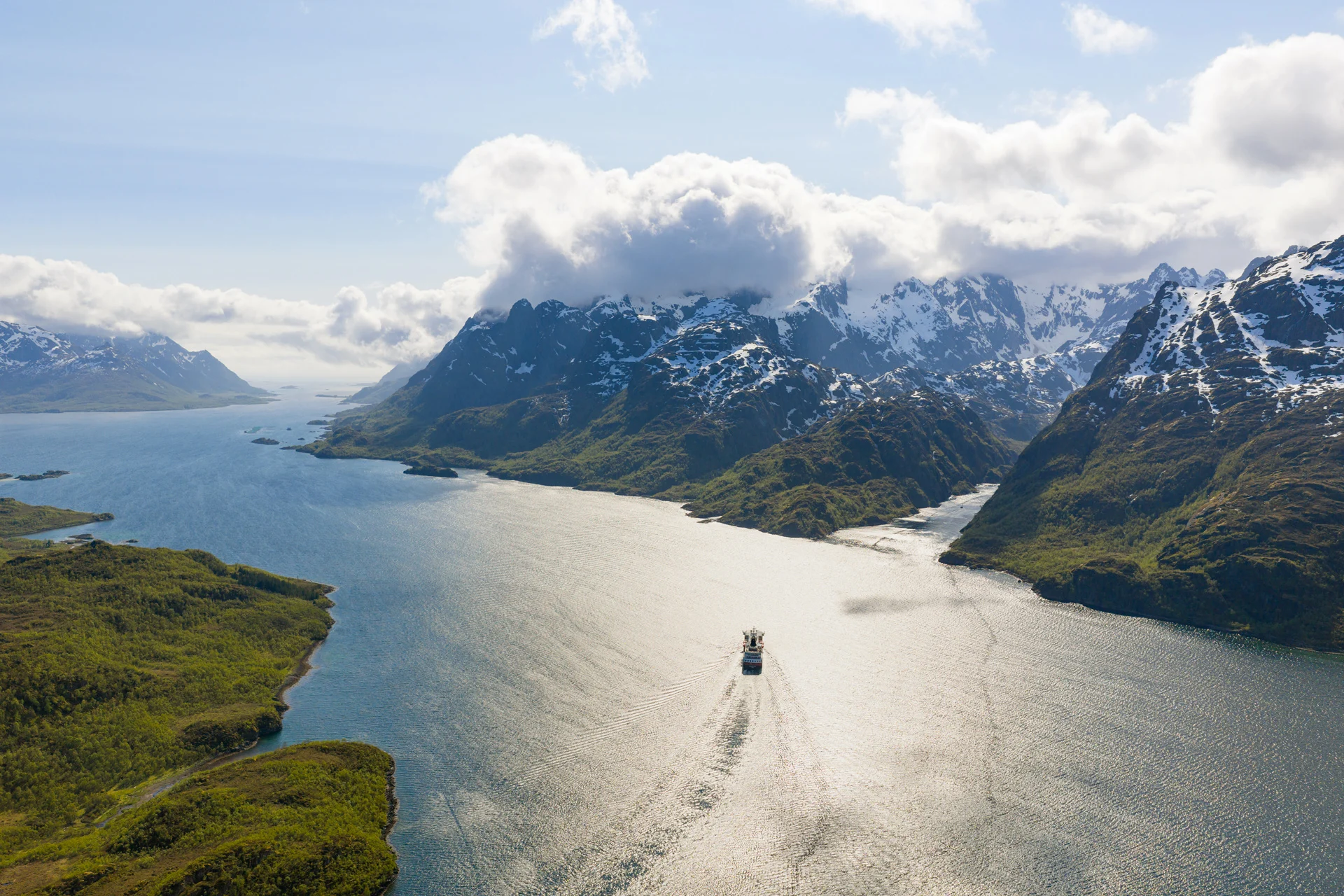
Bergen – Kirkenes – Bergen (Full-trip)
The original Norwegian coastal voyage – connecting fjords, towns & people since 1893
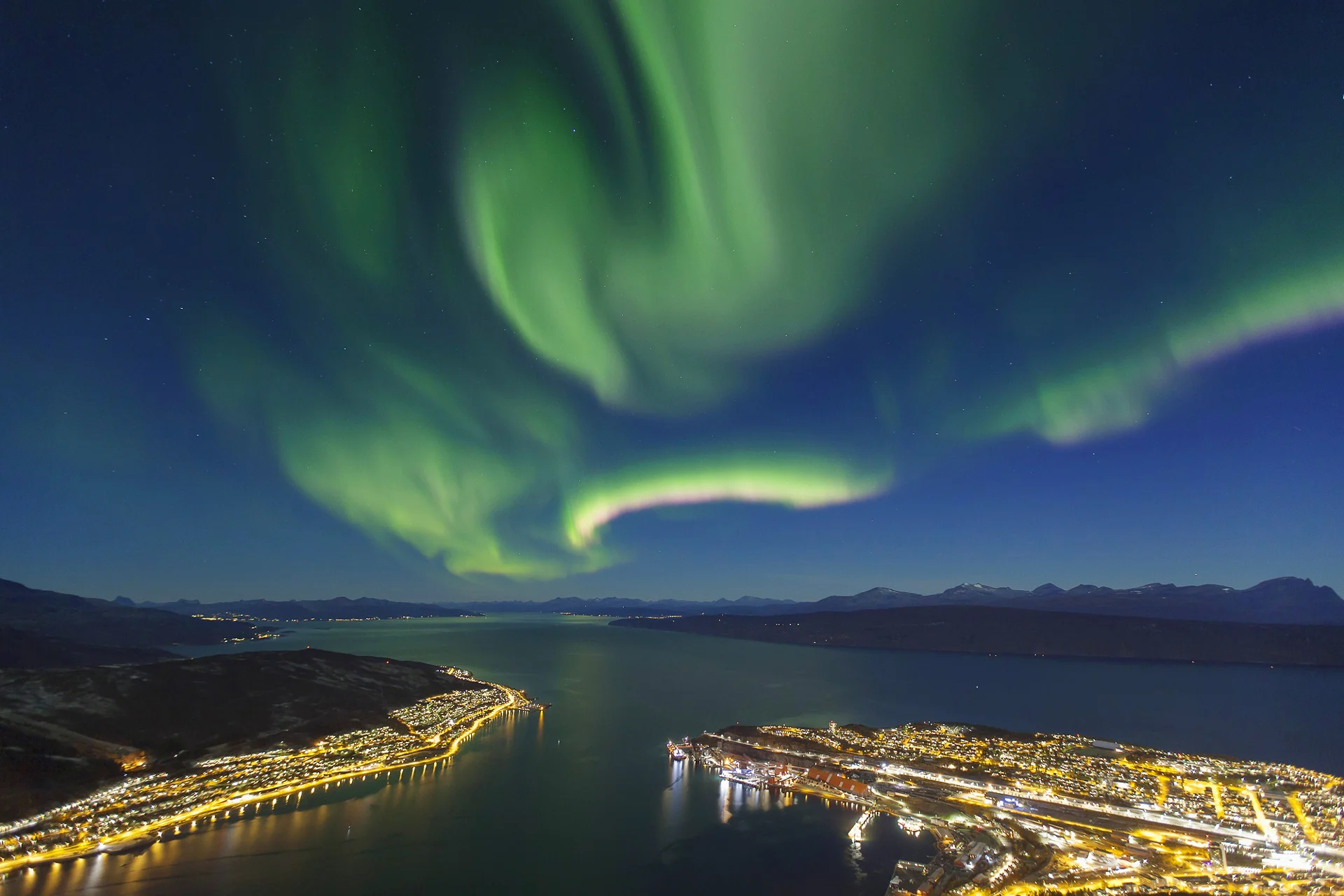
Copenhagen - Tromsø (Northbound)
Sail northbound from Copenhagen to Tromsø, discovering Arctic beauty and chasing the Northern Lights
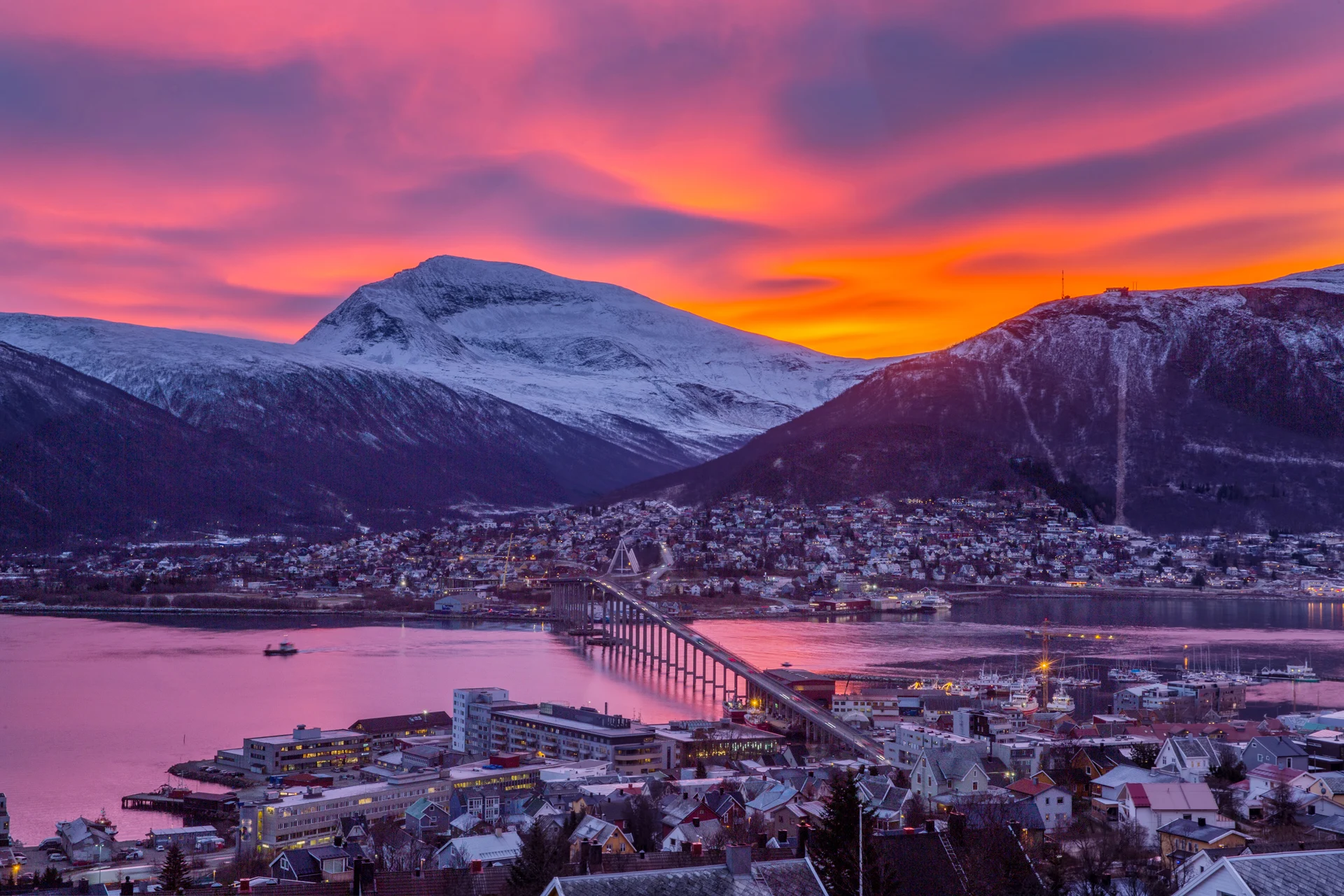
Tromsø - Honningsvåg - Tromsø (Full-trip)
Limited Collection voyage around the far north, chasing the Northern Lights
Despite the name, the Polar Night isn’t total darkness all day. In most places along the Norwegian coast, you’ll experience several hours of blue light or twilight around midday, when the sun’s distant rays reflect on the sea and snow. Visibility is generally good and the blue glow creates incredible photography opportunities. Plus, darker evenings increase your chances of spotting the Northern Lights.
Winter temperatures along the Norwegian coast are milder than many expect, thanks to the Gulf Stream. In places like Tromsø, temperatures typically range from around -5°C to +2°C, while Kirkenes can be colder, often dropping to -10°C or below. Wind chill can make it feel colder, especially at sea, so warm clothing is essential.
Layering is key. Pack thermal base layers, a warm mid-layer (like fleece or wool), and a windproof, insulated outer jacket. Don’t forget a hat, scarf, gloves and warm, waterproof boots with good grip. Thermal socks and hand warmers can make a big difference when spending time on deck. And a camera (or smartphone) is a must for capturing the blue hour and the Northern Lights.
See our full packing guide.
An outside cabin with a window or a suite with larger panoramic views is ideal during the Polar Night. Even in low light, you’ll be able to enjoy the changing colours of the Arctic sky, passing coastal scenery and – if you’re lucky – the Northern Lights from the comfort of your cabin. Interior cabins are more budget-friendly, but you’ll likely spend more time in shared lounge areas to take in the views.
Find your ship to browse our range of cabins.
Winter is an excellent time for wildlife encounters. Along the northern coast, you may spot sea eagles year-round, and late autumn to early winter is the season for orcas and humpback whales. You might also catch glimpses of seals or porpoises. Snowy landscapes can even reveal reindeer along the shoreline in some areas.
For visitors, the Polar Night is often a unique and uplifting experience rather than a challenge. Locals embrace the season with cosy traditions, outdoor activities and social gatherings. That said, reduced daylight can affect energy levels and mood for some people. Staying active, getting outside during twilight hours and enjoying the social atmosphere onboard our voyages can help you make the most of this special time of year.
Receive special offers, exciting new itineraries and fascinating articles delivered straight to your inbox.