We Recommend
Oslo - Honningsvåg - Oslo (Roundtrip)
The North Cape Line – Winter
All-inclusive winter cruise to Norway’s North Cape, chasing the Northern Lights
- October 2026 - December 2027
- 15 days
- 13 Places
- All-inclusive
Professional Aurora Chaser, Tom Kerss, shares his tips on how to photograph the Northern Lights as you sail along Norway’s coast with us.

Imagine standing on the ship deck with an impossibly dark night sky overhead, watching, waiting, for the moment the Northern Lights appear. A distant glow morphs into dancing streaks of green, blue and even pink. The Aurora Borealis fills the sky with an ethereal light.
It’s a once-in-a-lifetime experience that’s both exciting and moving. So, it’s not surprising that most of us want to capture the memory on camera. Northern Lights photography may look tricky, with the challenge of shooting at night, but we have a few helpful tips from our expert to help you hone your skills.
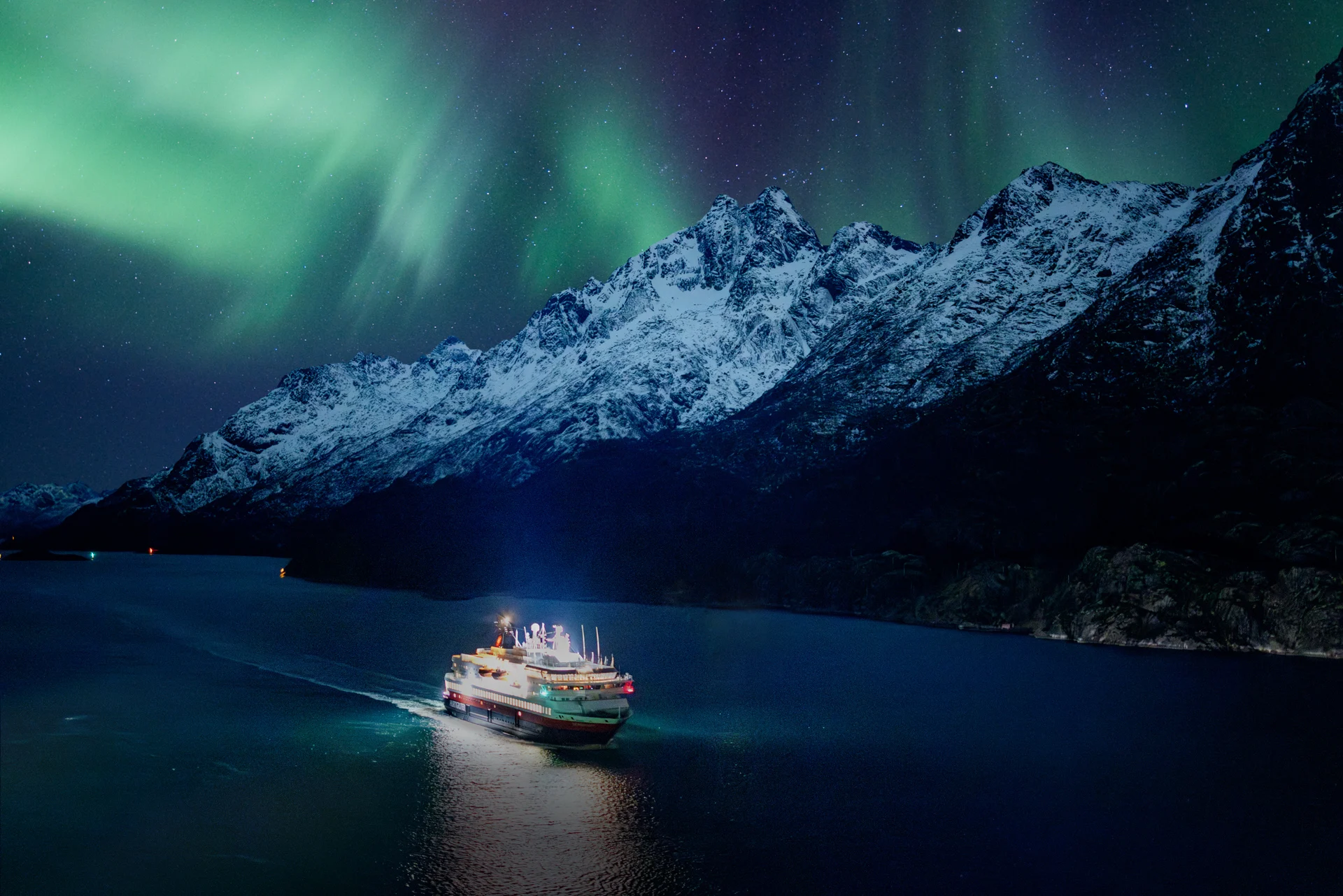
Norway is one of the best places in the world to view and photograph the Northern Lights. On a ship, you gain the added flexibility to move with the weather, making your chances of seeing the Northern Lights much better than on land.
Onboard our Original voyages, the Hurtiguten Photo Programme brings together professional and amateur photographers. Learn new techniques with our free photo course, then share your best photos with fellow guests, take part in contests and geotag your images using Cameralla.
Until then, here are some guidelines on how to photograph the Northern Lights from Tom Kerss, professional Aurora Chaser for Hurtigruten.
Chances are, when you see a spectacular photo of the Northern Lights, it’s been taken with a DSLR or mirrorless camera. Professional cameras offer more control with adjustable features, such as high-resolution sensors, advanced autofocus and improved low-light performance – all of which contribute to crisp, quality images.
If you don’t already own a professional camera, there’s no need to upgrade. Smartphones offer a convenient, and surprisingly adept, solution. “Phones are an amazing option and probably the best option for most people nowadays.” says Tom. “If you have a phone that was made in the last five years or so, the night mode is going to be fantastic for capturing auroras.”
That said, don’t rely on compact or action cameras, like a GoPro for photographing the Northern Lights. These types of cameras have small sensors that perform poorly in low light, resulting in grainy images.
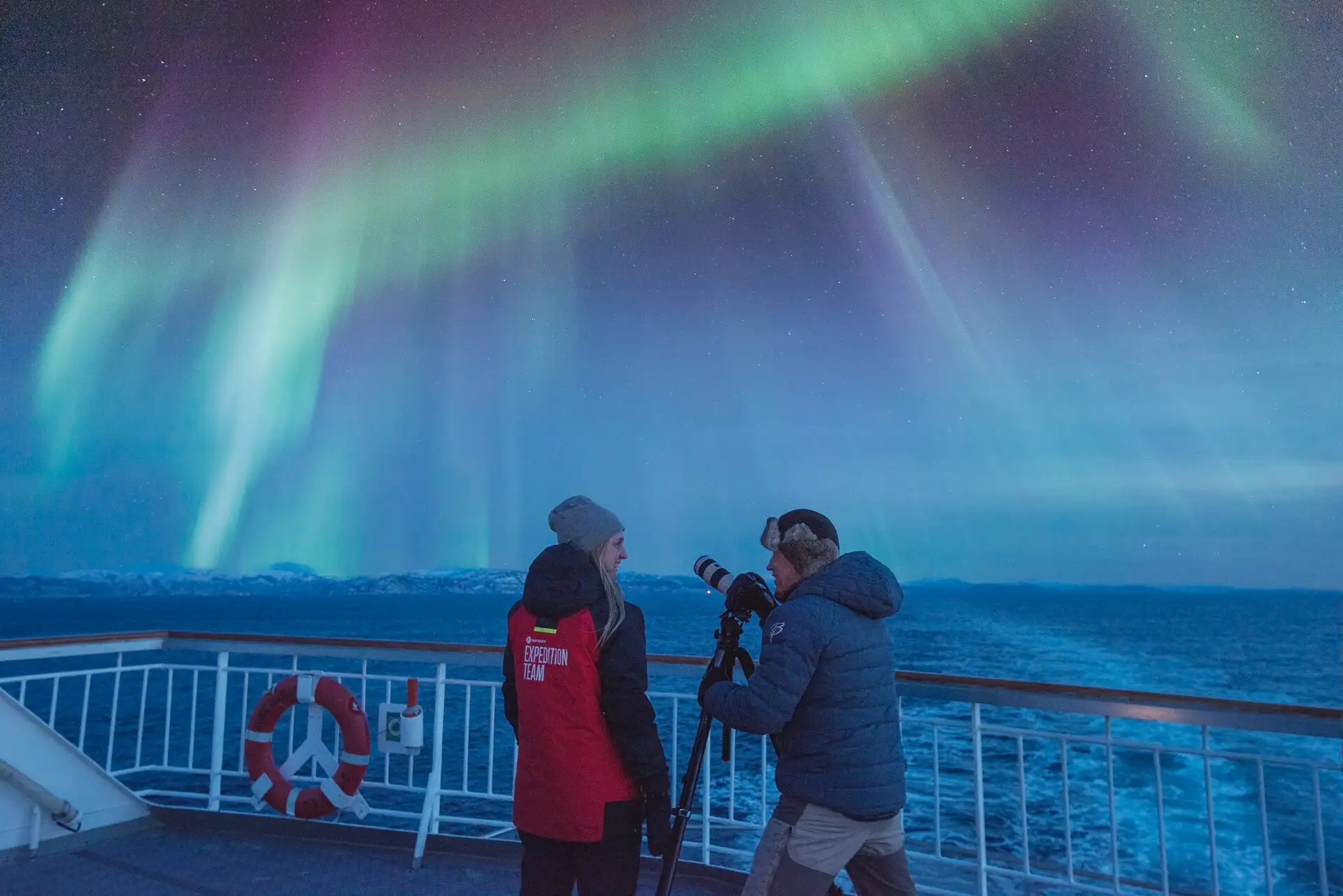
It’s well worth taking the time to learn which are the best camera settings for the Northern Lights and taking some test shots, so you're ready for action. Here are a few technical tips to familiarise yourself with before you go chasing the aurora:
Adjust your manual focus by using a star in the night sky as a marker. Alternatively, set the focus of the lens to infinity.
For a bright and active aurora, try a shutter speed of 5-10 seconds; for slow-moving aurora, 12-20 seconds; for faint aurora, take the shutter speed to 20-25 seconds. But remember: longer exposures mean you will need a tripod to avoid blurry photos.
The best ISO for the Northern Lights will depend on your camera specs. The higher the ISO, the more light you capture. But photos also become grainier with a high ISO, so you'll need to find the right balance. Set your ISO as high as it can go without introducing too much noise into your photo.
A lower f-stop number means a wider lens opening, allowing more light to reach the camera sensor. An aperture between f/2.8 and f/4 is a good starting point, helping you capture a brighter image without relying too heavily on higher ISO settings.
Set your white balance as ‘daylight’ so that the light in your photos isn’t too yellow or blue.
Oslo - Honningsvåg - Oslo (Roundtrip)
All-inclusive winter cruise to Norway’s North Cape, chasing the Northern Lights
Bergen – Kirkenes – Bergen (Roundtrip)
The original Norwegian coastal voyage – connecting fjords, towns & people since 1893
Bergen – Kirkenes (Northbound)
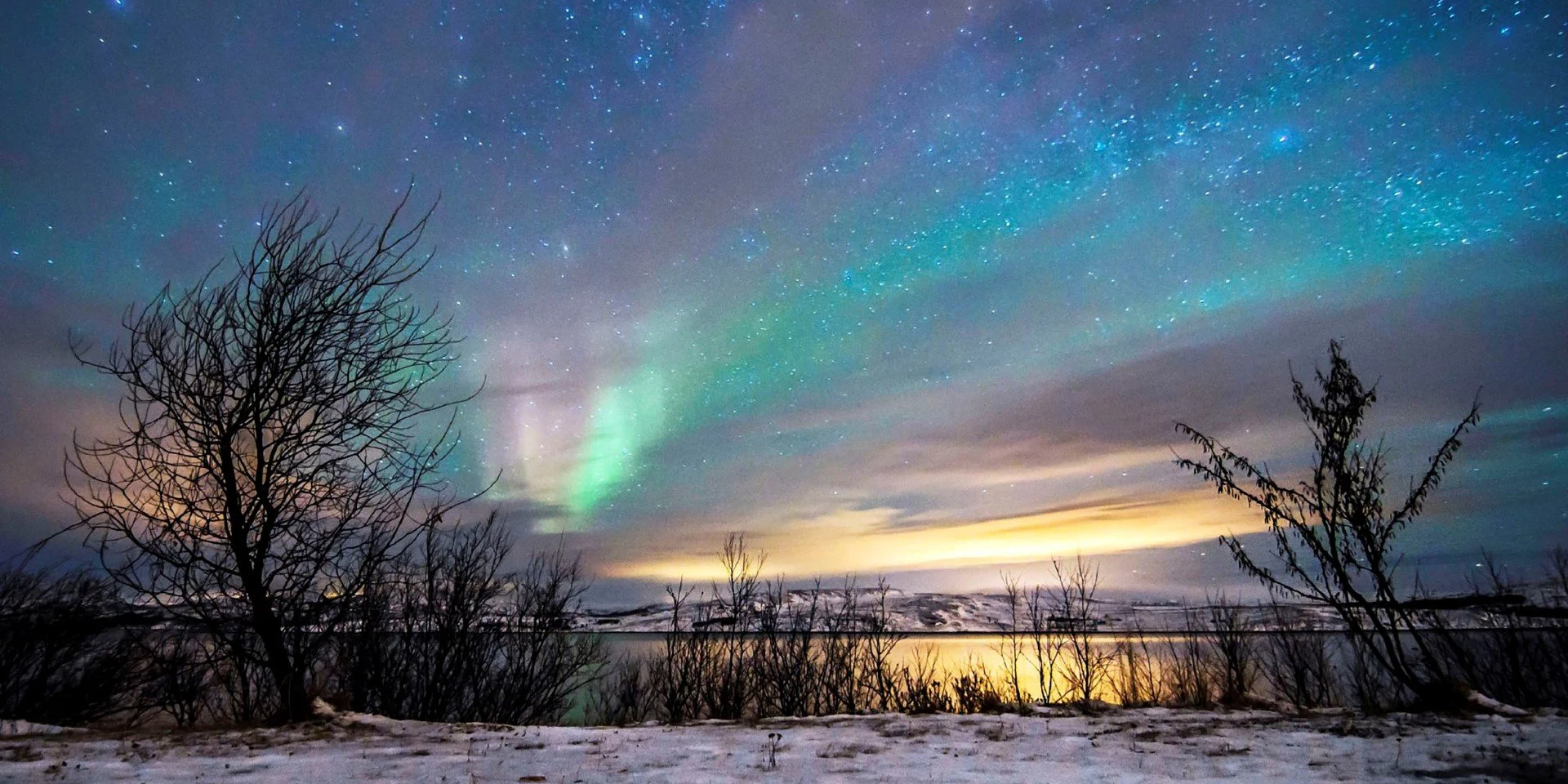
The northbound leg of our classic coastal route, from Bergen to Arctic Norway
Bergen - Kirkenes - Bergen (Roundtrip)
Our classic route during aurora season, with expert astronomer & exclusive excursions
Helsinki - Rovaniemi - Honningsvåg - Oslo (Southbound)
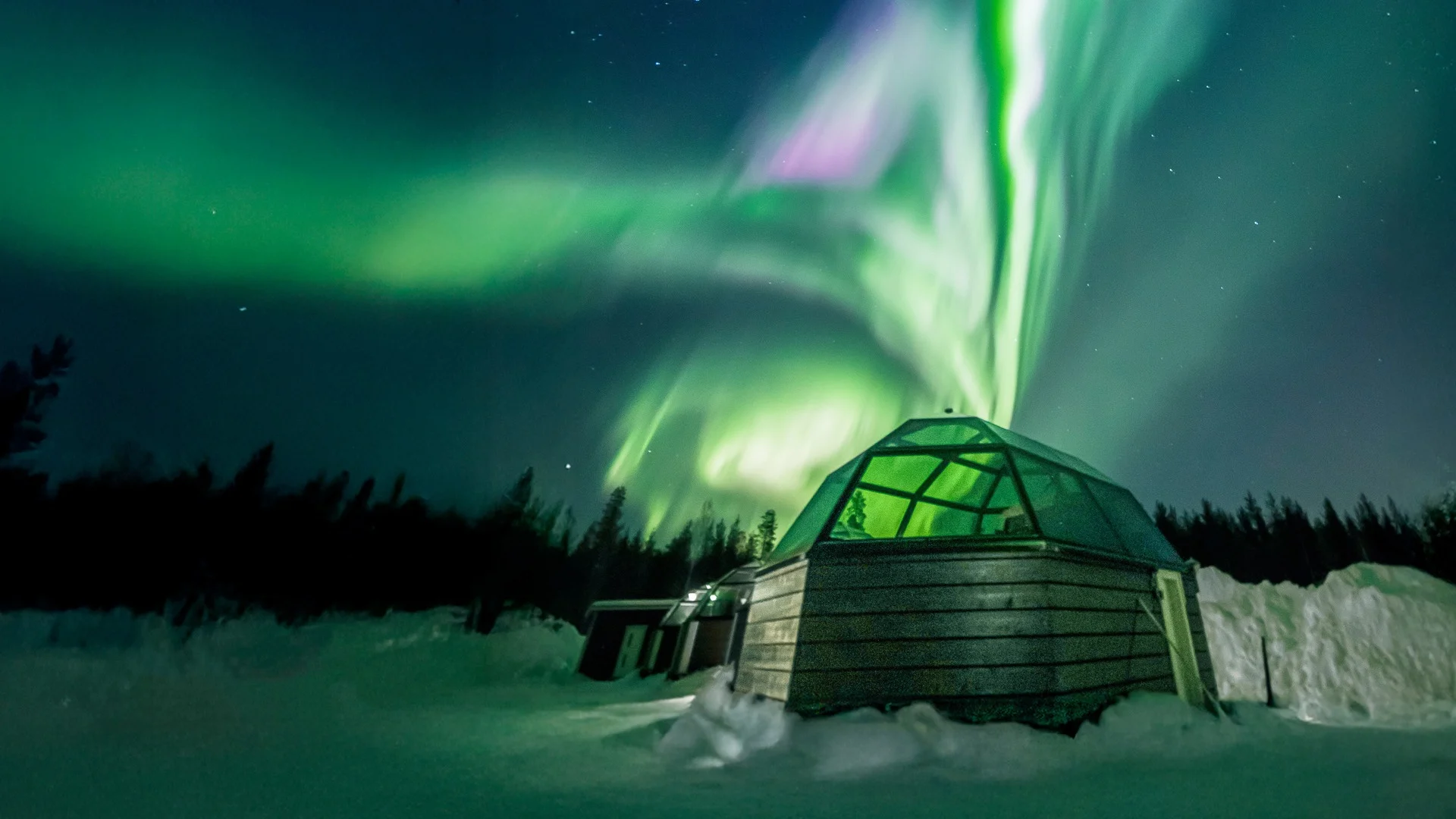
Explore Finnish Lapland, sail Arctic Norway and journey south by rail and sea
Knowing how to photograph the Northern Lights also means knowing how to keep your camera steady. Whether you’re on land or on ship you’re trying to capture images of moving light, so “it’s impossible to hold your camera still for long, no matter how steady you are,” says Tom.
You need to use long exposures to get the right shot, but sway from the waves could result in the aurora looking out of focus or blurry. Using a tripod helps to minimise disturbance from vibrations.
Tom recommends bringing a lightweight, compact tripod for Northern Lights photography. Ensure you’ve tested it with your preferred camera (including tripods for smartphones) and practise using it in the dark – as that’s how you’ll be operating it out in ‘the field’.


By sailing with us, you’re already choosing some of the best conditions for seeing the aurora: far away from big crowds and the light pollution of cities. But there are a few other things you can do to make the most of the dark skies.
Don’t use flash: Make sure your flash doesn’t go off automatically, as it could ruin the view or disrupt someone else’s shot.
Use a red-light: Use the red setting on your headlamp or torch, if you have one, as the colour doesn’t affect our natural night vision.
No front camera: Avoid using your phone’s front camera, even for selfies! The quality doesn’t match the main camera and the screen’s light can affect others’ experience.
And if possible, you should try to avoid the time of a full moon, as its brightness can make the aurora seem dimmer by comparison.
If you don’t have a ‘proper’ camera, your camera runs out of power, or the Northern Lights just take you completely by surprise one night, it’s good to know you can fall back on your iPhone, Android or any other type of smartphone.
“Today’s smartphones are amazing at photography,” says Tom. If you are using a smartphone to photograph the Northern Lights, be sure to check the manual settings.
Switch to night mode
Turn off flash
Shoot in RAW, if available
Bring a smartphone-ready tripod with you and have a power bank on hand too – cold weather can rapidly drain batteries. It’s also a good idea to bring gloves that work while using a touchscreen.
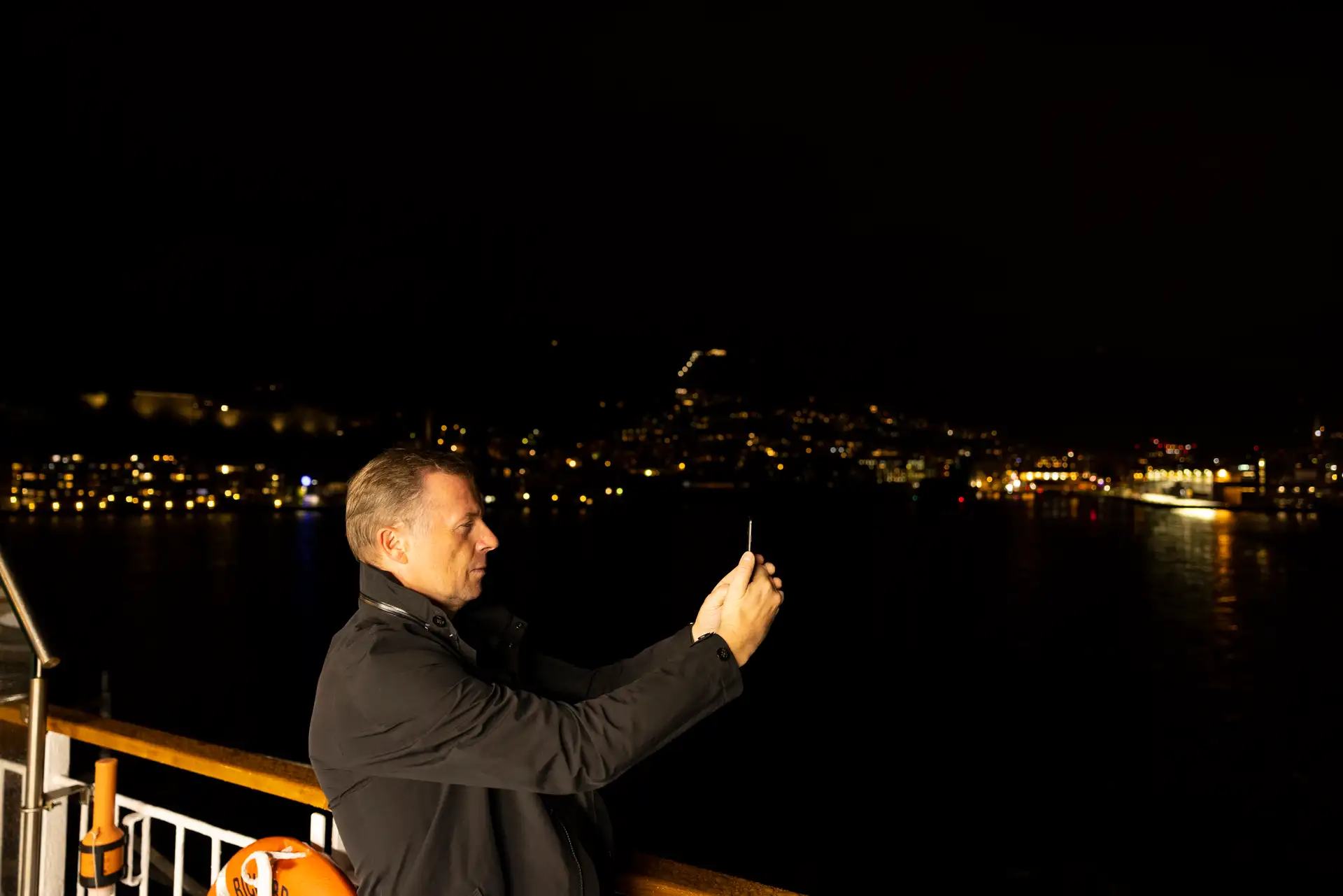

Along the Norwegian coast, the aurora can appear above anywhere, any time. To photograph the Northern Lights make sure you are prepared for lights, camera and action.
Gear and clothing: Keep gear and clothing close by and ready to go. Some aurora chasers even sleep in their clothes and jump into their boots to be on the ship’s deck in a matter of minutes!
Spare batteries: Batteries drain faster in cold weather so don’t forget to have your camera charged, along with a spare set of batteries.
Stay warm: A warm coat, gloves and hat are essential. And a flask with a warm drink and handwarmers can make the experience more comfortable.

On a Hurtigruten ship, you can opt in for aurora sighting wake-up calls, so you can jump out of bed and heading to the top deck at the ideal time. Our Northern Lights cruises offer multiple days of prime opportunities to see the aurora borealis.
And if you sail with us during the Northern Lights season for more than 11 days and the aurora does not appear at least once, our Northern Lights promise gives you a free voyage to try again.
Our last tip on how to photograph the Northern Lights is maybe the most important: remember to step away from the lens for a few minutes and take in the spectacle with your own eyes. There’s really no substitute for seeing the Northern Lights in all their glory without a filter.
As Tom says: “make sure you take time to enjoy the display, to make memories for life.”
Lykke til (good luck)!
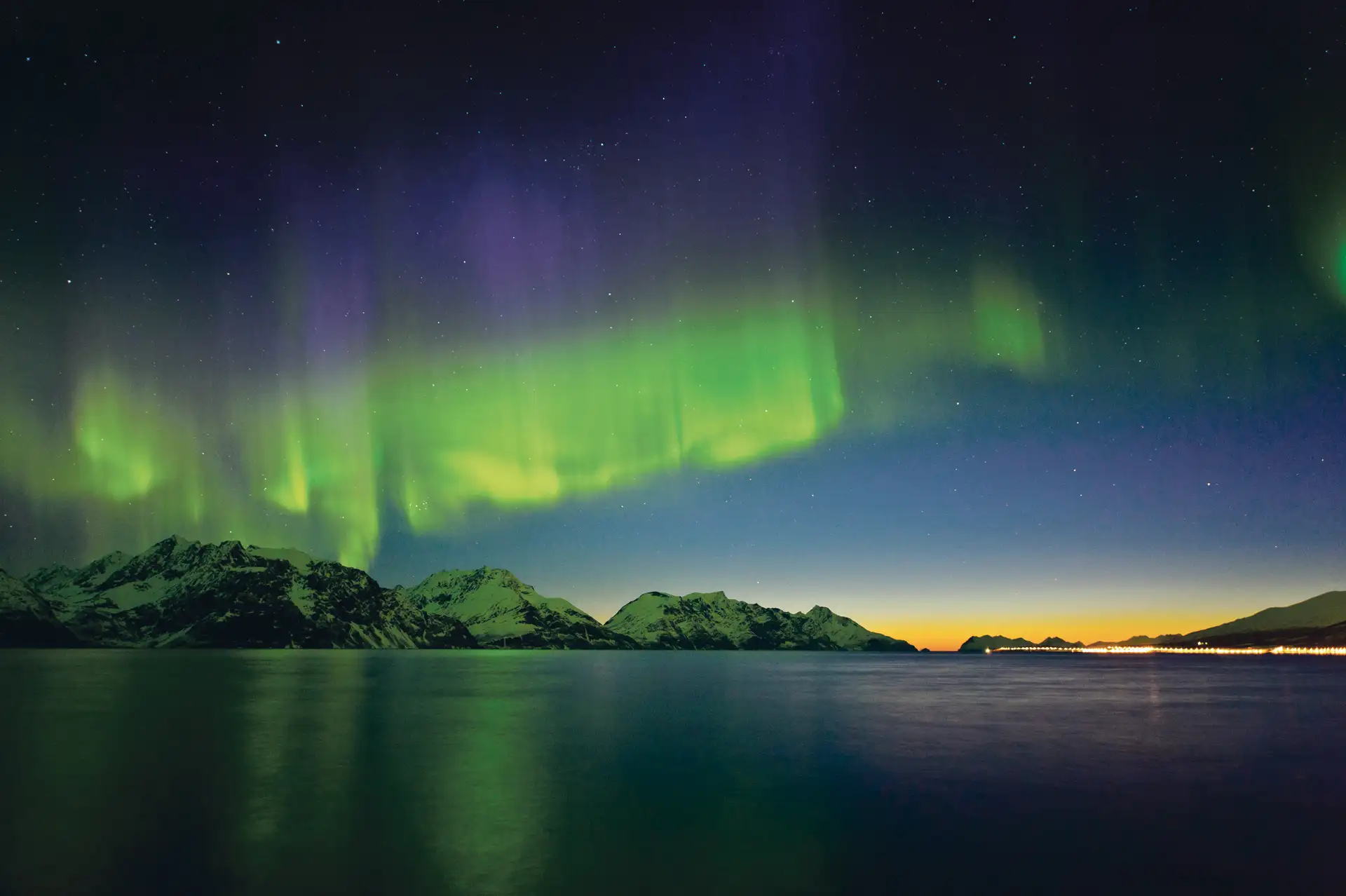
DSLR or mirrorless camera with manual settings
Wide-angle lens (f2.8 or faster)
Tripod (lightweight or compact; essential for longer exposures to prevent camera shake)
Spare batteries (cold drains them fast)
Multiple memory cards
Remote shutter release (or camera timer)
Red torch or headlamp
Warm layers (including gloves you can operate a camera in)
Handwarmers
Flask (for hot drinks)
Smartphone with tripod clamp
Powerbank for your smartphone
The best time to see the Northern Lights in Norway is from October to March. Long, dark nights form the ideal backdrop for seeing the glow of the aurora more easily.
The Northern Lights can appear anywhere in Norway, but Northern Norway (above the Arctic Circle) offers the best and most reliable sightings.
Of the 34 ports that we visit on our famous Coastal Express route, 22 sit within the Arctic Circle. On our 12-day Roundtrip Voyage, you spend no fewer than six nights in the Auroral Zone, an area of consistently active displays. This increases your chances of seeing the Northern Lights multiple times.
Of course! Many smartphone cameras have advanced settings that make taking photos to a near-professional standard possible. Turn off the flash, use night mode and try to shoot images in RAW if possible.
Shoot in manual, using a star or distant object to set your focus. Adjust the shutter speed according to the speed of the aurora (short exposures give sharper detail, longer exposures capture more light) and use a wide-angle, fast lens (low f-number, e.g. f/1.4–f/2.8).
Ideally, yes. A tripod is essential for stability and improves results for longer exposures.
No, learning how to photograph the Northern Lights is more about patience than expensive gear. All you need is a decent camera or smartphone and patience. On our voyages, you can take part in photography courses with the Hurtigruten Photo Programme to help improve your skills – and share photos with other guests. Everyone has to start somewhere!
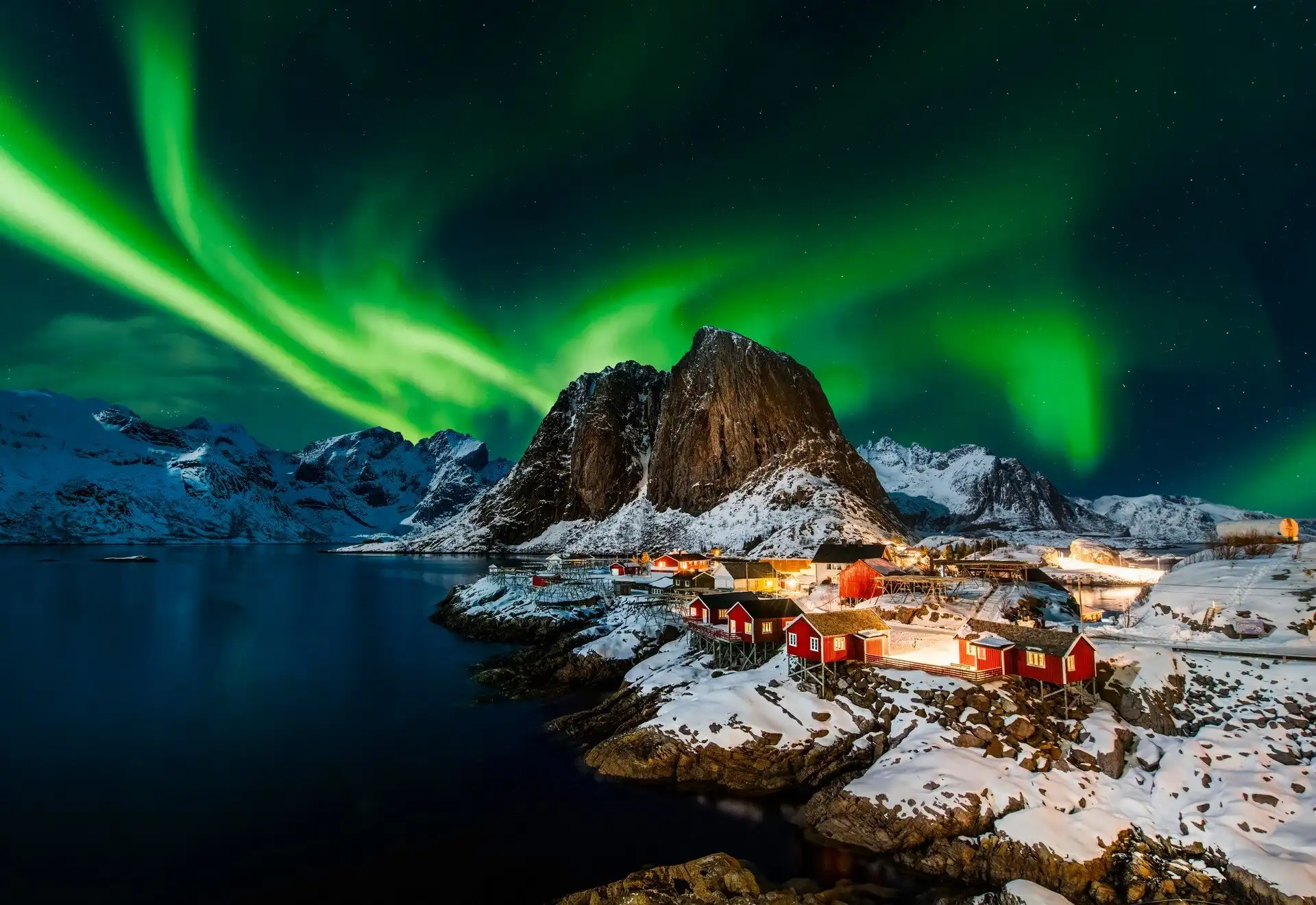
The Solar Maximum is a period of solar activity when sunspots, solar flares, and coronal mass ejections (CMEs) occur frequently, resulting in more chances to see impressive displays. After the current Solar Max, the next one won’t be until 2036.

The Northern Lights are caused by the interaction between charged particles from the sun and the Earth's magnetic field and atmosphere.
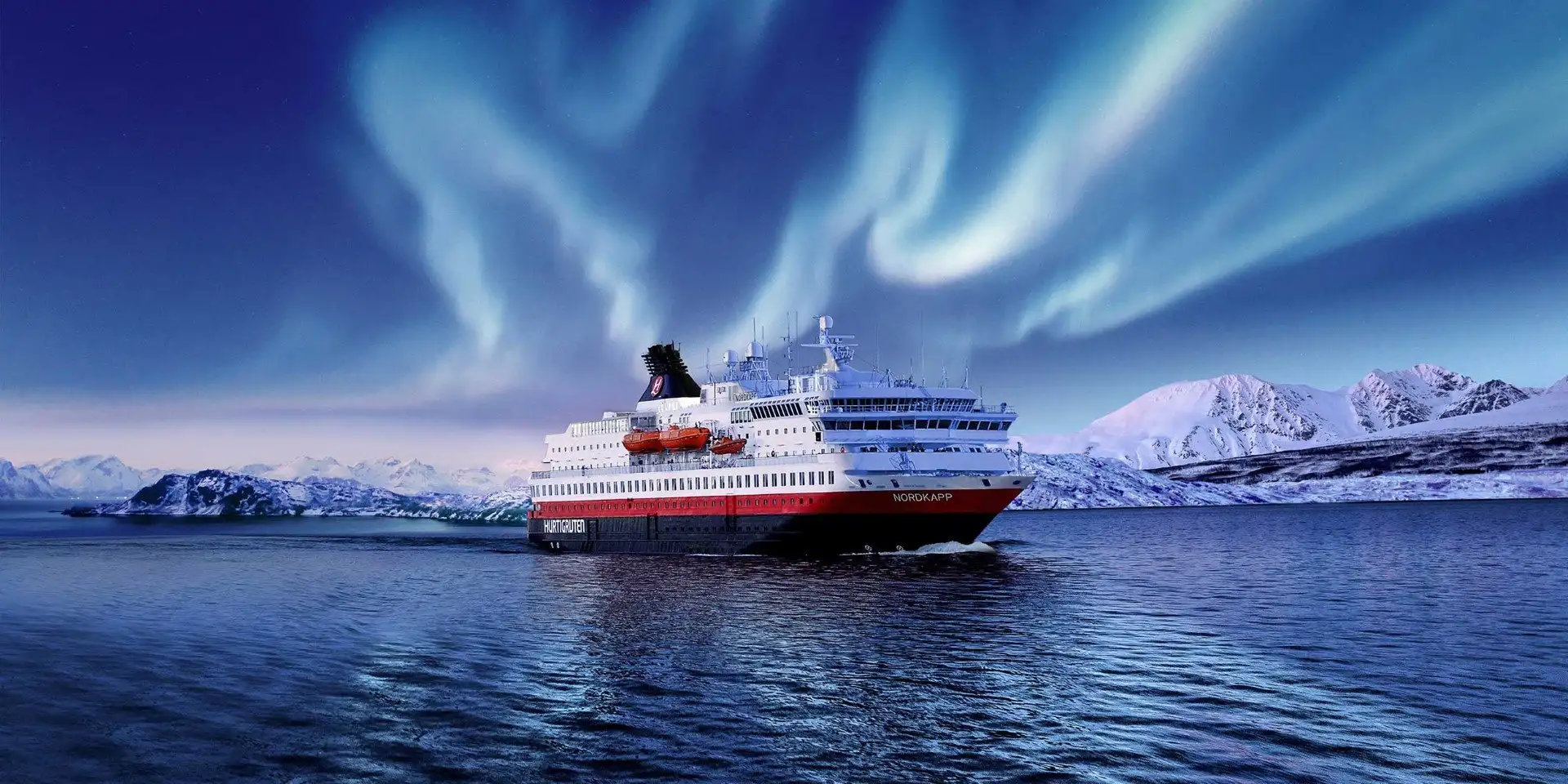
The aurora borealis is one of the world’s most celebrated natural phenomena – and there’s nowhere better to see it than from one of our ships.
Receive special offers, exciting new itineraries and fascinating articles delivered straight to your inbox.