Itinerary

West Fjords to Lofoten

A short Arctic-bound voyage on our historic coastal route, exploring fjords & islands

Day 1

Bergen

Setting a Course for the Coast

Experience historic Bergen and sail north through the sheltered waterways once travelled by Vikings.

Surrounded by seven mountains and opening onto a network of fjords, Bergen has been a meeting place for seafarers, traders and explorers for centuries. Founded in 1070 CE, Norway's second-largest city combines a rich maritime heritage with a vibrant contemporary culture, making it one of Scandinavia's most fascinating destinations. It’s also the perfect place from which to begin your voyage.  If time allows, take the opportunity to explore the historic Bryggen district, a UNESCO World Heritage Site and one of Bergen's most recognisable landmarks. Its colourful wooden wharves date back to the Hanseatic era, when merchants from across northern Europe helped shape the city's fortunes. Today, narrow alleyways and crooked passageways packed with old wooden buildings stow away independent galleries, artisan workshops and cosy cafés.  Just a short walk away is Bergen's famous Fish Market, or Fisketorget, where generations of locals have gathered to buy and sell the freshest seafood from Norway's coast. Here you can sample everything from shrimp and salmon to local delicacies while watching daily life unfold along the harbour.   For a different perspective, ride the Fløibanen funicular to the summit of Mount Fløyen. From the top, panoramic views stretch across the city, surrounding islands and the waterways that have connected coastal communities for generations. On a clear day, you'll gain a sense of the intricate coastline that lies ahead.   Before boarding, you might wish to spend some relaxation time in our comfortable Hurtigruten Guest Lounge at Jektevik Terminal. With complimentary snacks and drinks, you’ll also find free Wi-Fi as well as charger sockets. Luggage lockers are also available here, if you want to do some exploring during the day.   As evening falls, we depart Bergen and sail north through the Hjeltefjord, the historic sea route once travelled by Viking longships heading towards the North Atlantic.   Beyond the city, the landscape quickly changes. The coast becomes a maze of islands, skerries and sheltered waterways, and it's well worth spending time out on deck, watching fishing villages, lighthouses and rocky shorelines drift by. 
Read more
Day 2

Ålesund

Among Fjords and Islands

Explore Art Nouveau Ålesund and nearby fjords

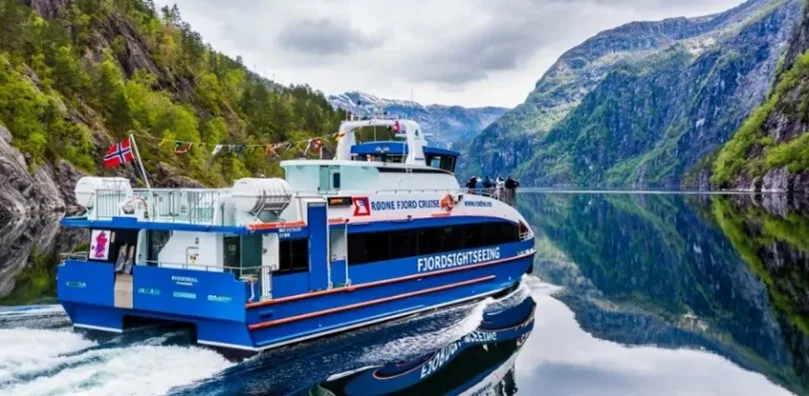
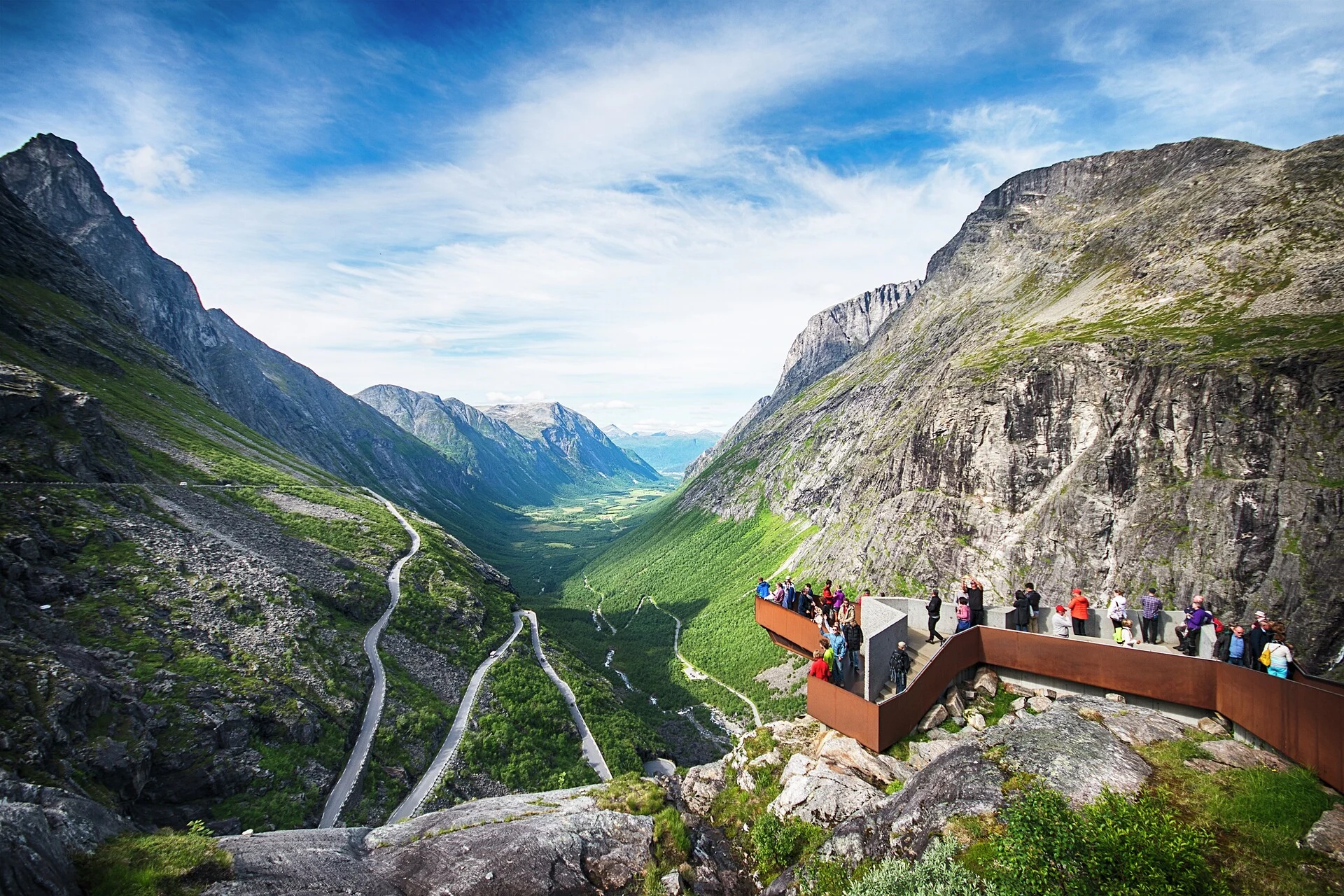
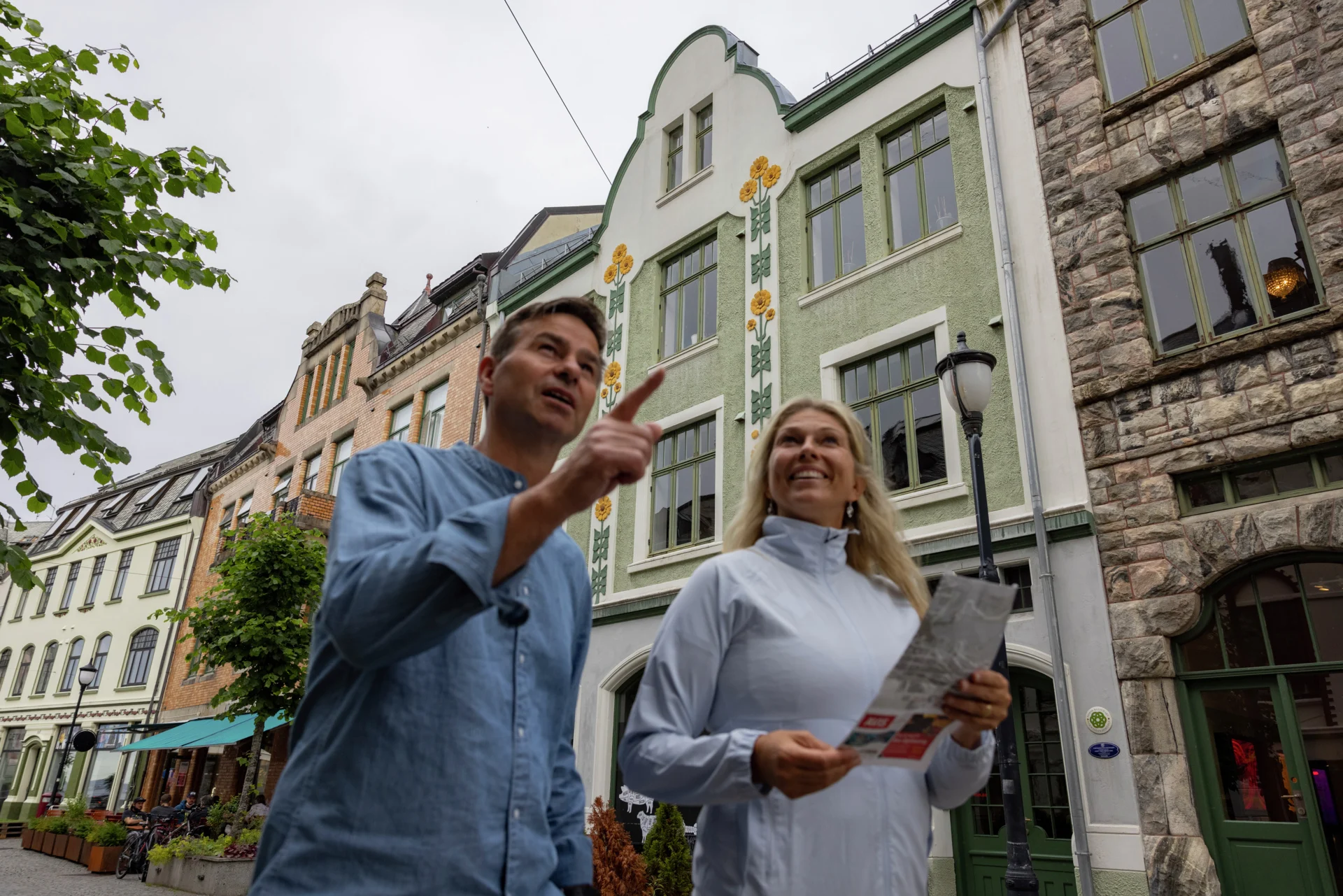
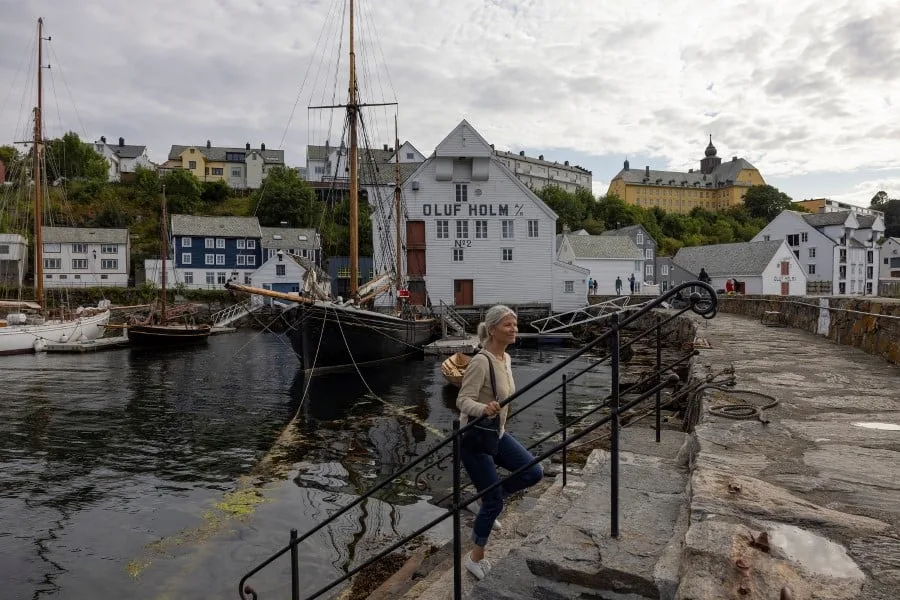
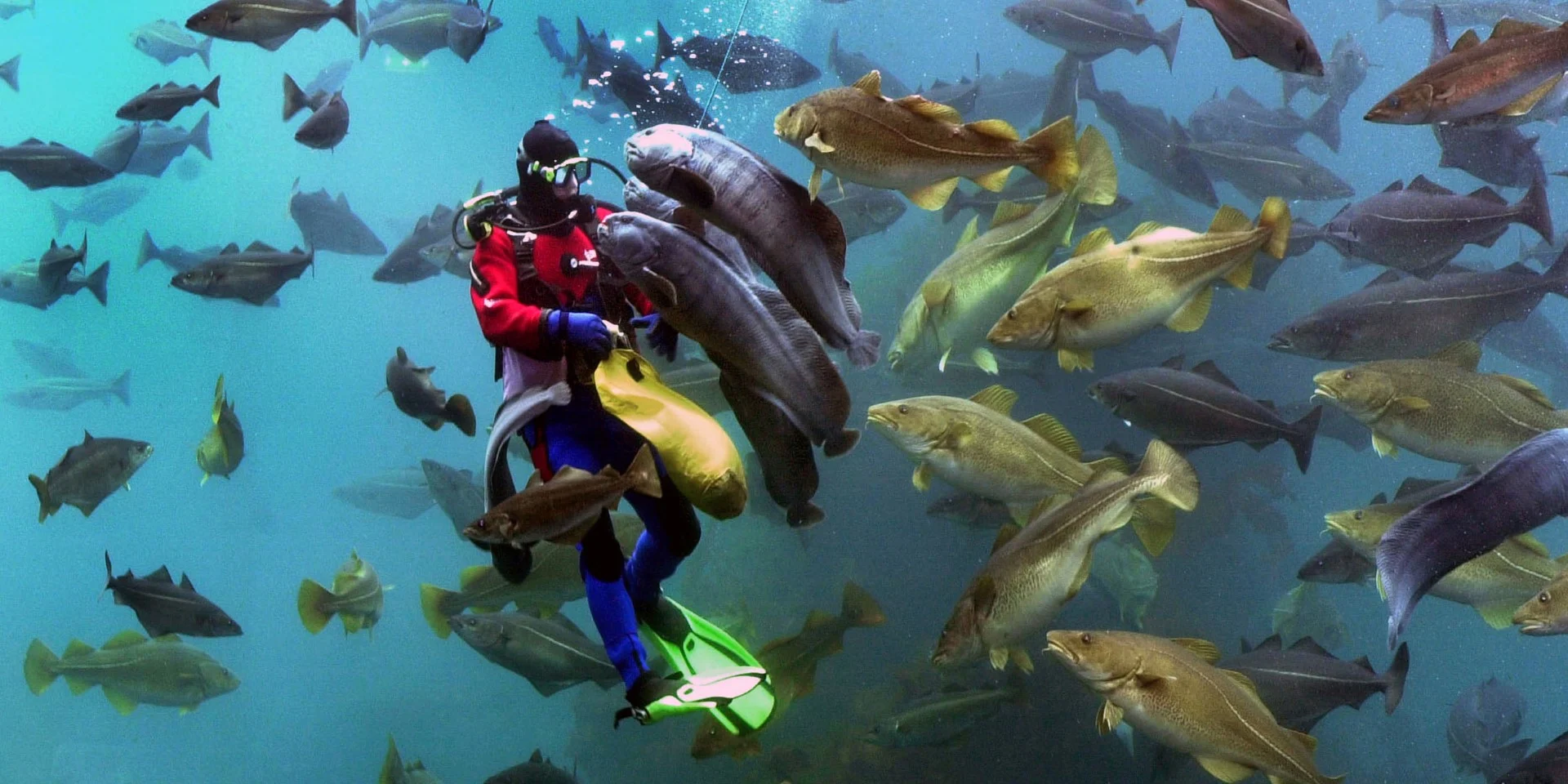
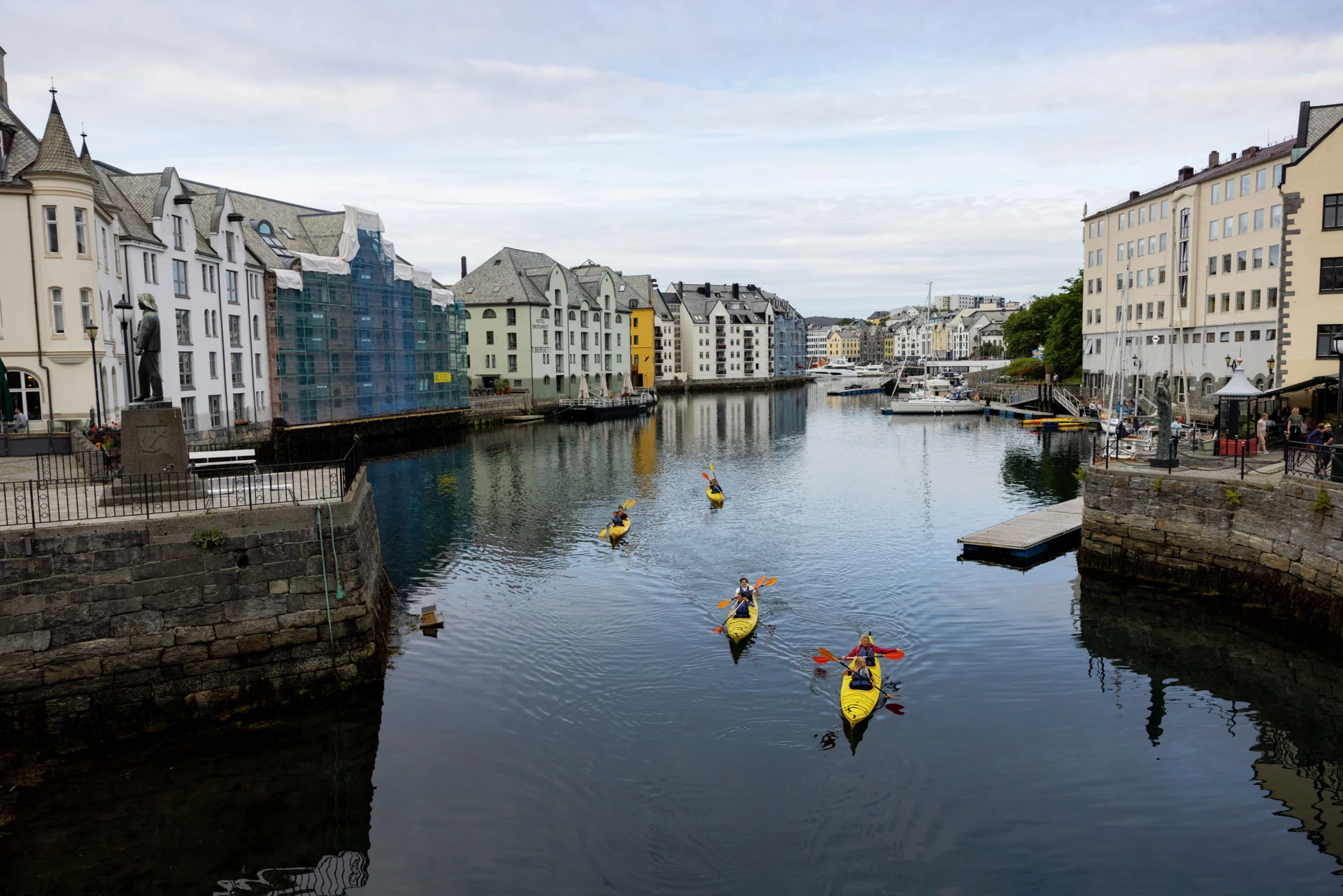
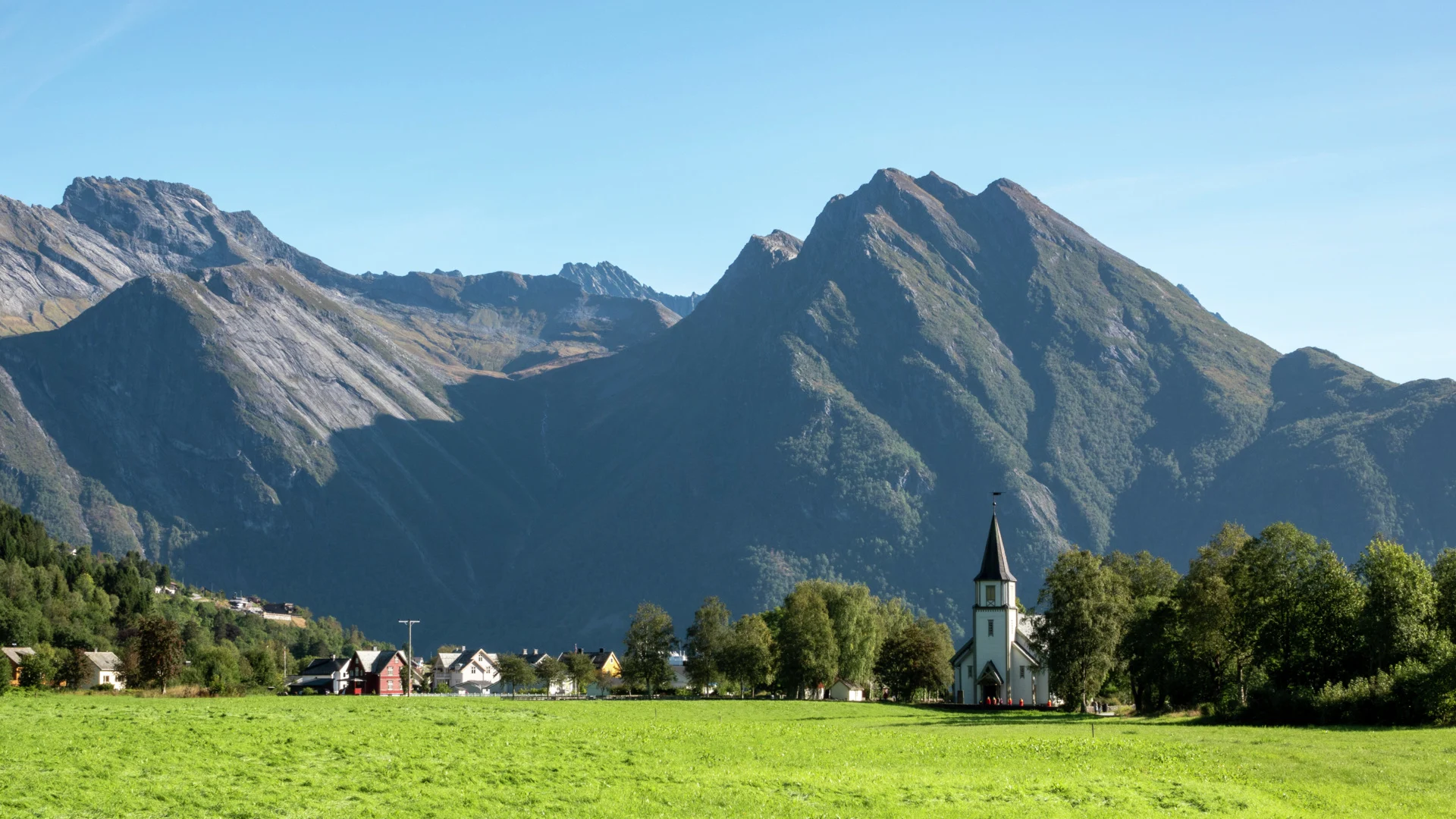
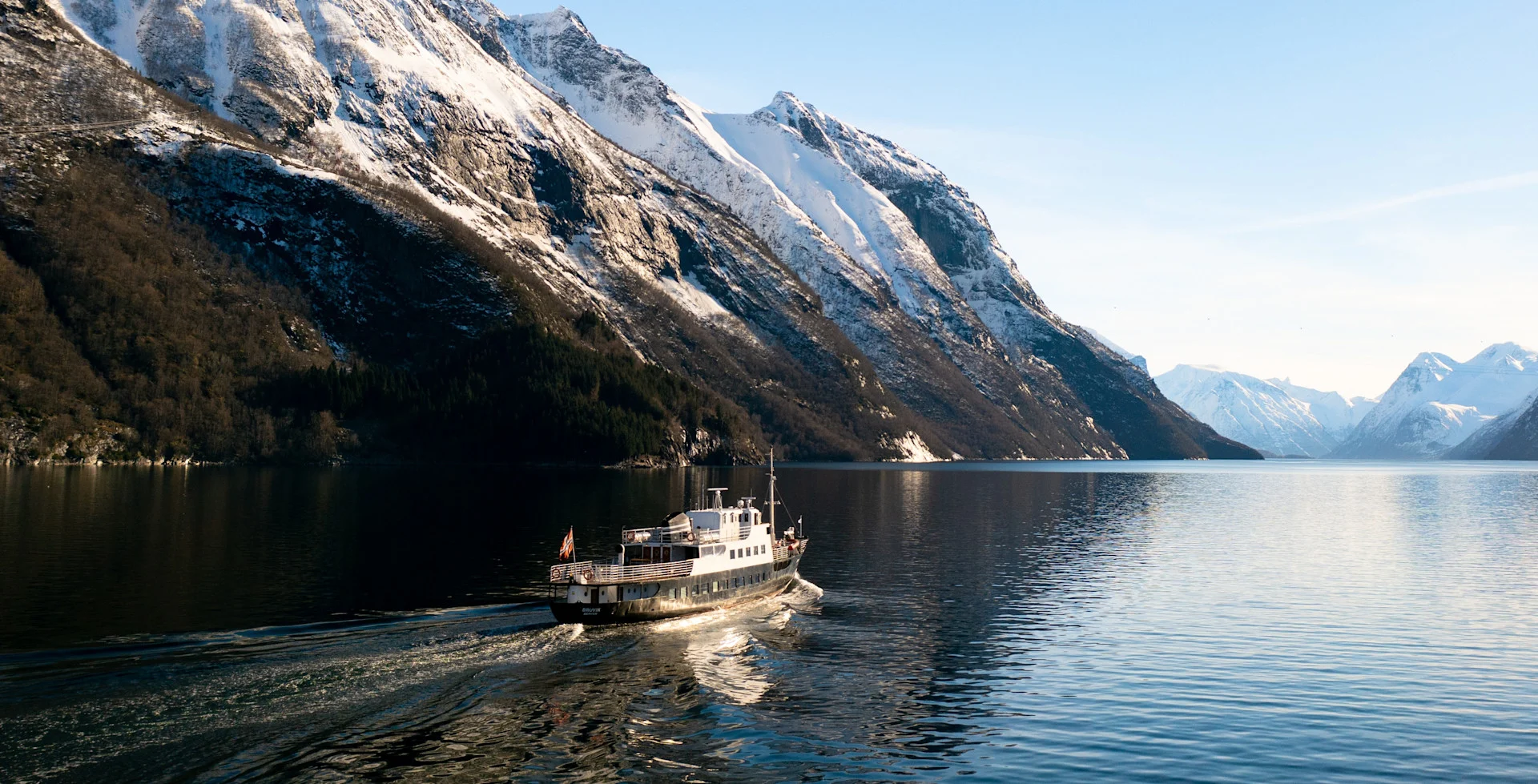
During the night, we call briefly at Florø and Måløy before a short stop at Torvik in the early morning. As the day unfolds, you'll find yourself gazing at some of the most picturesque coastal scenery in Norway. Leaving Nordfjord behind, we sail past the rugged headland of West Cape for our approach to Ålesund.  Ålesund  By mid-morning, we arrive in Ålesund, one of Norway's most distinctive towns. Rebuilt in the Art Nouveau style after a devastating fire in 1904, the town is renowned for its elegant architecture, colourful façades and decorative towers. Stretching across a series of islands, Ålesund has long been an important fishing port and remains deeply connected to the sea.  Please note that, outside of the winter season, we stop at Ålesund twice today: a short visit on arrival, then a return call in the evening. In spring, summer and autumn, in between these stops we sail into the fjords (see below). From October through April, when the fjords are not visited, you will instead have the whole day in Ålesund to explore at your own pace.  If you're looking for a panoramic view, consider climbing the steps to Mount Aksla, where you'll be rewarded with sweeping vistas across the town, surrounding islands and distant mountains. Nature enthusiasts may also enjoy a visit to Atlanterhavsparken, one of Northern Europe's largest saltwater aquariums, showcasing marine life from the Norwegian coast.  Into the fjords  In May and September, we venture into the magnificent Hjørundfjord, a secluded fjord in the dramatic Sunnmøre Alps. Free from the crowds found elsewhere, this peaceful waterway is lined with towering mountains, cascading waterfalls and tiny farms clinging to the hillsides. We also pay a visit to the picturesque village of Urke, where a handful of historic houses and spectacular scenery combine to create one of the most atmospheric stops on the voyage.  In summer, we continue into the UNESCO-listed Geirangerfjord* †, often considered one of the most beautiful fjords in the world. As we navigate deep into this narrow waterway, sheer cliffs rise dramatically from the water while waterfalls tumble from great heights. Keep watch for the famous Seven Sisters waterfall, whose seven streams cascade gracefully down the mountainside.  Old, heritage farms cling improbably to steep slopes, reminders of the generations who once thrived in these remote areas. Viewed from the water, the fjord reveals its full scale and grandeur.  For those wishing to explore further, the optional excursion to the Trollstigen mountain road combines spectacular viewpoints, dramatic engineering and some of the most celebrated scenery in the Norwegian fjords.  *Please note that your ship does not dock at the cruise terminal pier in Geiranger. Instead, guests who are either disembarking or joining the excursion will be transported with tender boats by Geiranger Fjordservice from the ship to shore, or vice versa. Please arrive before 13:45 for the tender boat.  † MS Vesterålen does not visit Geirangerfjord but does visit Hjøjundfjord.  Ålesund and Molde  We then continue north towards Molde. Known as the City of Roses, Molde occupies a beautiful setting overlooking the Romsdalsfjord, with the famous Molde Panorama visible across the water. On a clear evening, you may glimpse the outline of more than 200 mountain peaks, creating one of Norway's most celebrated views. 
Also stopping at:
Molde
Read more
Day 3

Trondheim

The City of Kings

Discover historic Trondheim before sailing past scenic landscapes and the islands of Trøndelag.

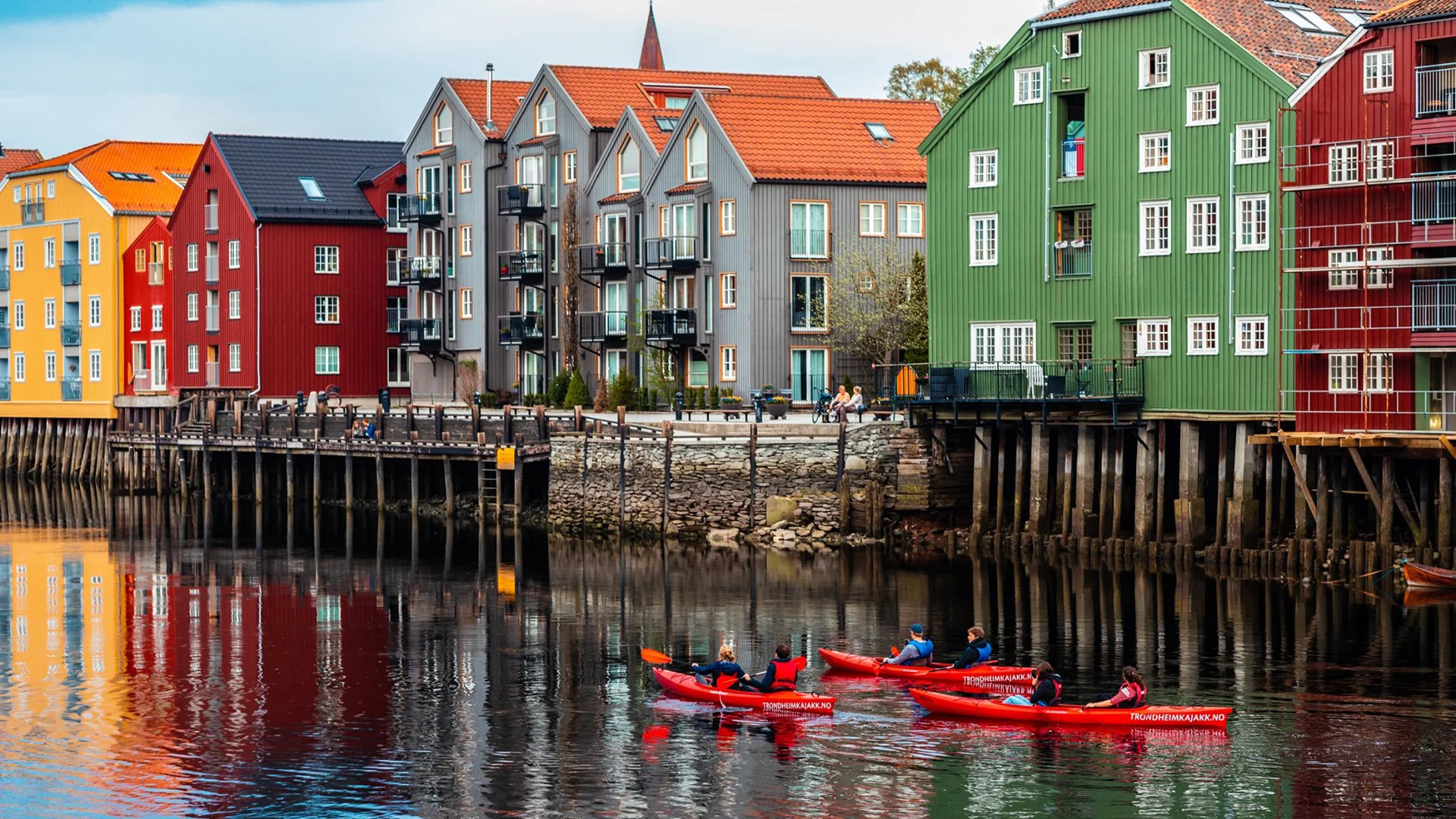
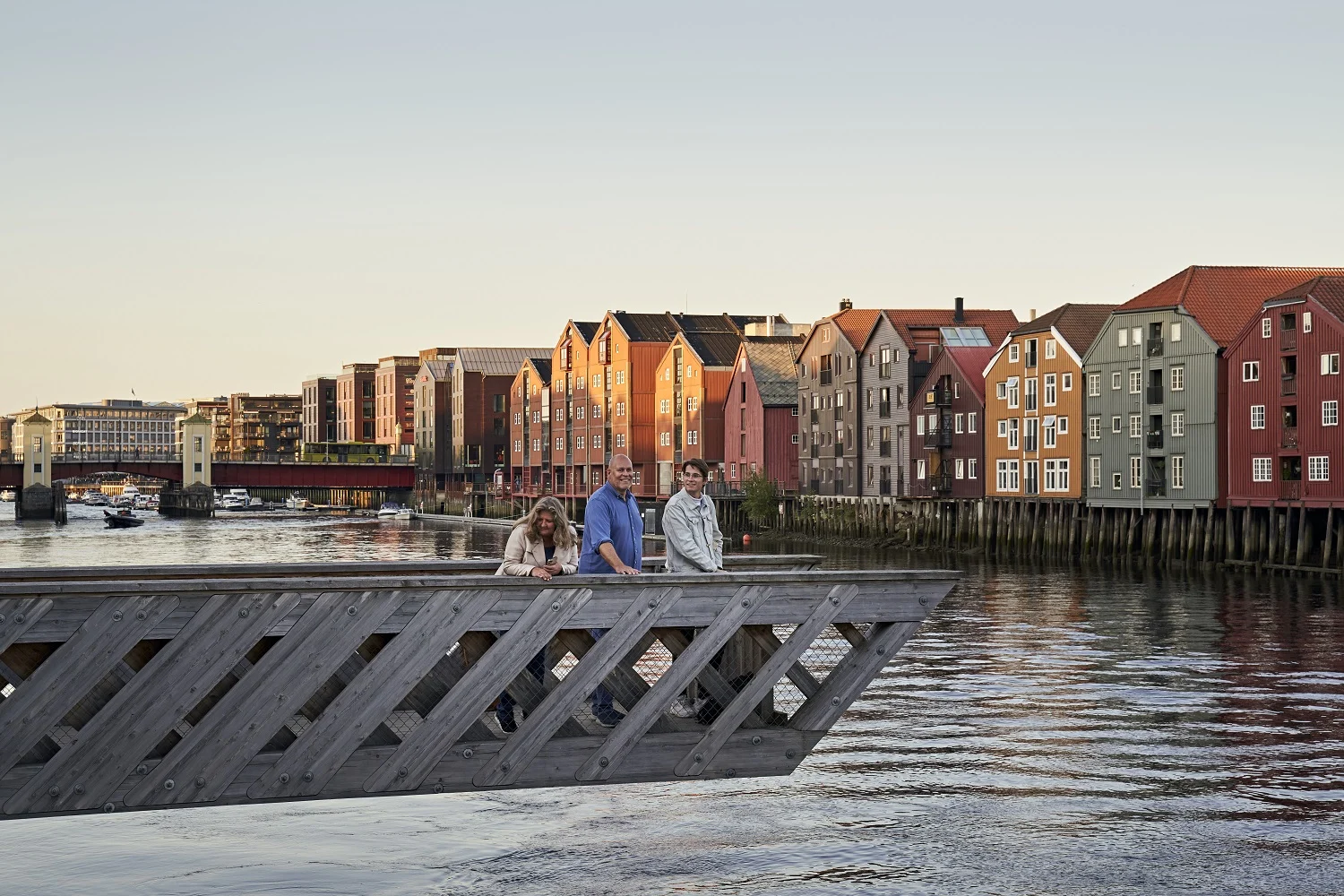
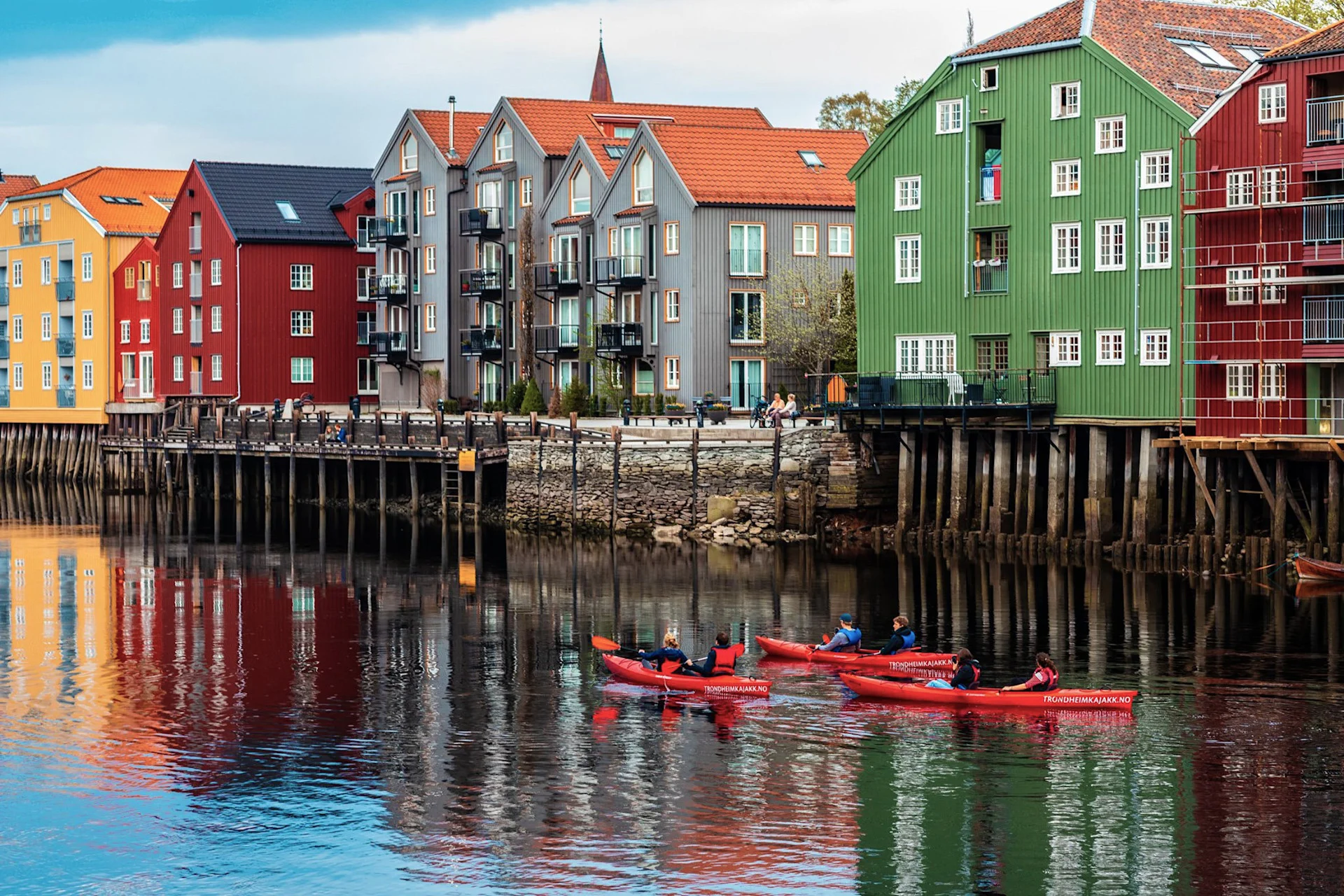
During the night, we call briefly at Kristiansund before continuing north into Trøndelag, a region often described as the historic heart of Norway. Here, the coastline softens into rolling farmland, wooded hills and sheltered fjords. For centuries, this fertile landscape has supported farming communities and trading centres, and is a place rich in history.  Trondheim  Founded in 997 by Viking king Olav Tryggvason, Trondheim was Norway's first capital and remains one of the country's most significant historic cities. Today, medieval heritage sits comfortably alongside a vibrant student population, creating a city that feels somehow both ancient and youthful.  With three hours ashore, there are plenty of opportunities to explore at your own pace. Dominating the city skyline is the magnificent Nidaros Cathedral, traditionally the coronation church of Norwegian monarchs, and sometimes called “Norway’s Notre-Dame”. Built over the burial site of St Olav, the country's patron saint, it has drawn pilgrims from across northern Europe for centuries. Its richly decorated Gothic façade and remarkable interior make it one of Scandinavia's most impressive religious buildings.  Beside the cathedral stands the historic Archbishop's Palace, where you can learn more about Norway's medieval past and view the country's crown regalia.  A short walk away, the elegant Gamle Bybro spans the Nid River and leads into Bakklandet, one of Trondheim's most charming neighbourhoods. Colourful wooden warehouses line the riverbanks, while cobbled streets are home to independent cafés, shops and galleries. For panoramic views of the city and fjord, the climb to Kristiansten Fort is well worth the effort.  Along the Trøndelag coast  Back on board, we continue northwest through the broad Trondheimsfjord before returning to the open coast. Later, we pass the distinctive ochre-red Kjeungskjær Lighthouse, standing alone among reefs and skerries. Built in 1880, it remains one of Norway's most photographed lighthouses.  It's around here that we begin to see a dramatic change in the way the coast looks. The gentle landscapes of the south now start to be replaced by rockier, wilder scenery. For many, this feels like an inflection point in the voyage, as if we are transitioning from one Norway to another.  As evening approaches, we arrive at Rørvik, a lively coastal town at the centre of the Vikna archipelago. Surrounded by thousands of islands and skerries, this region has long been closely connected to the sea. The brief call offers a glimpse of everyday coastal life before we continue on our journey north, with plenty of time to enjoy the passing scenery from the deck. 
Read more
Day 4

Svolvær

Into the Arctic

Cross the Arctic Circle to the Lofoten Islands, where your short coastal voyage comes to an end.

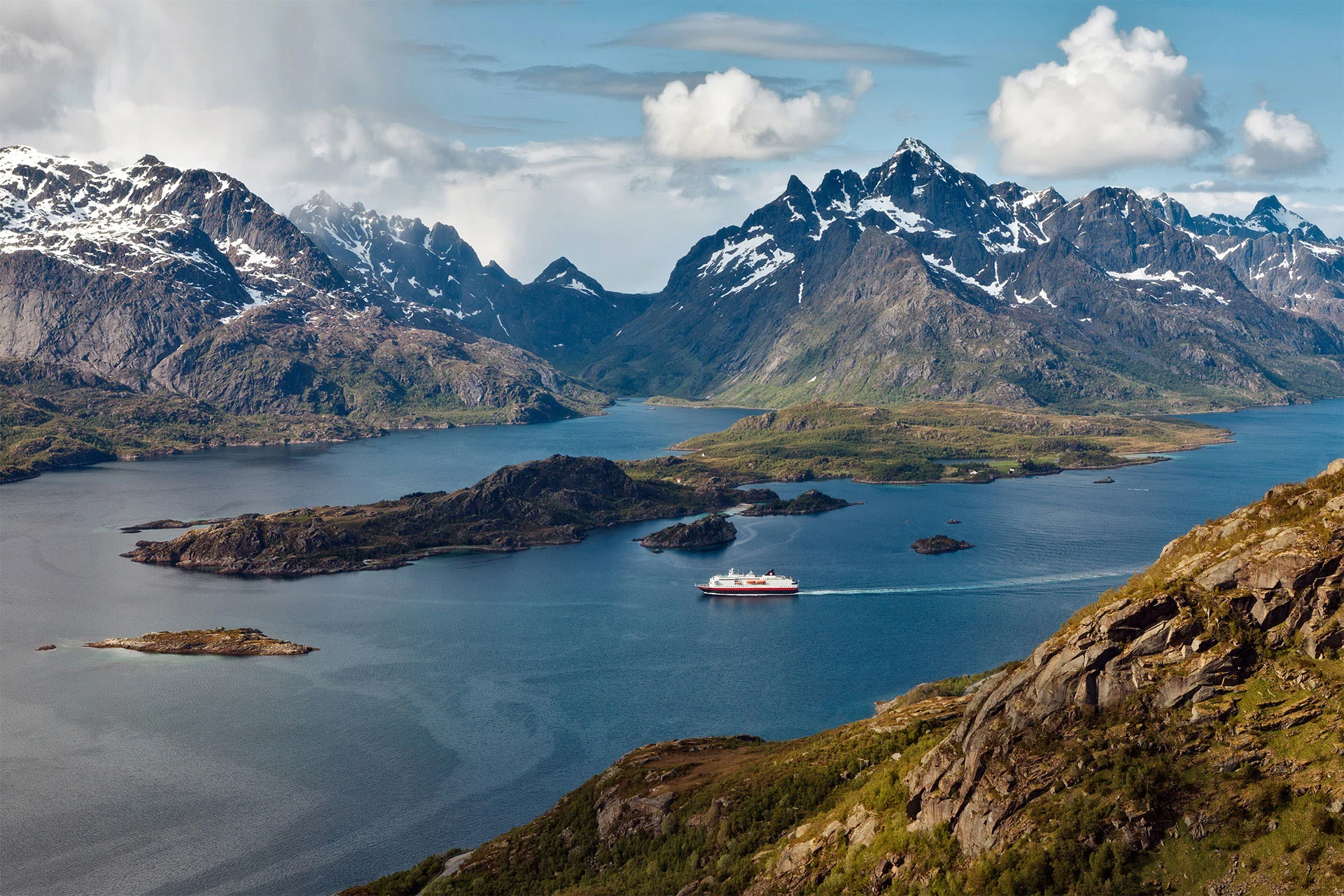
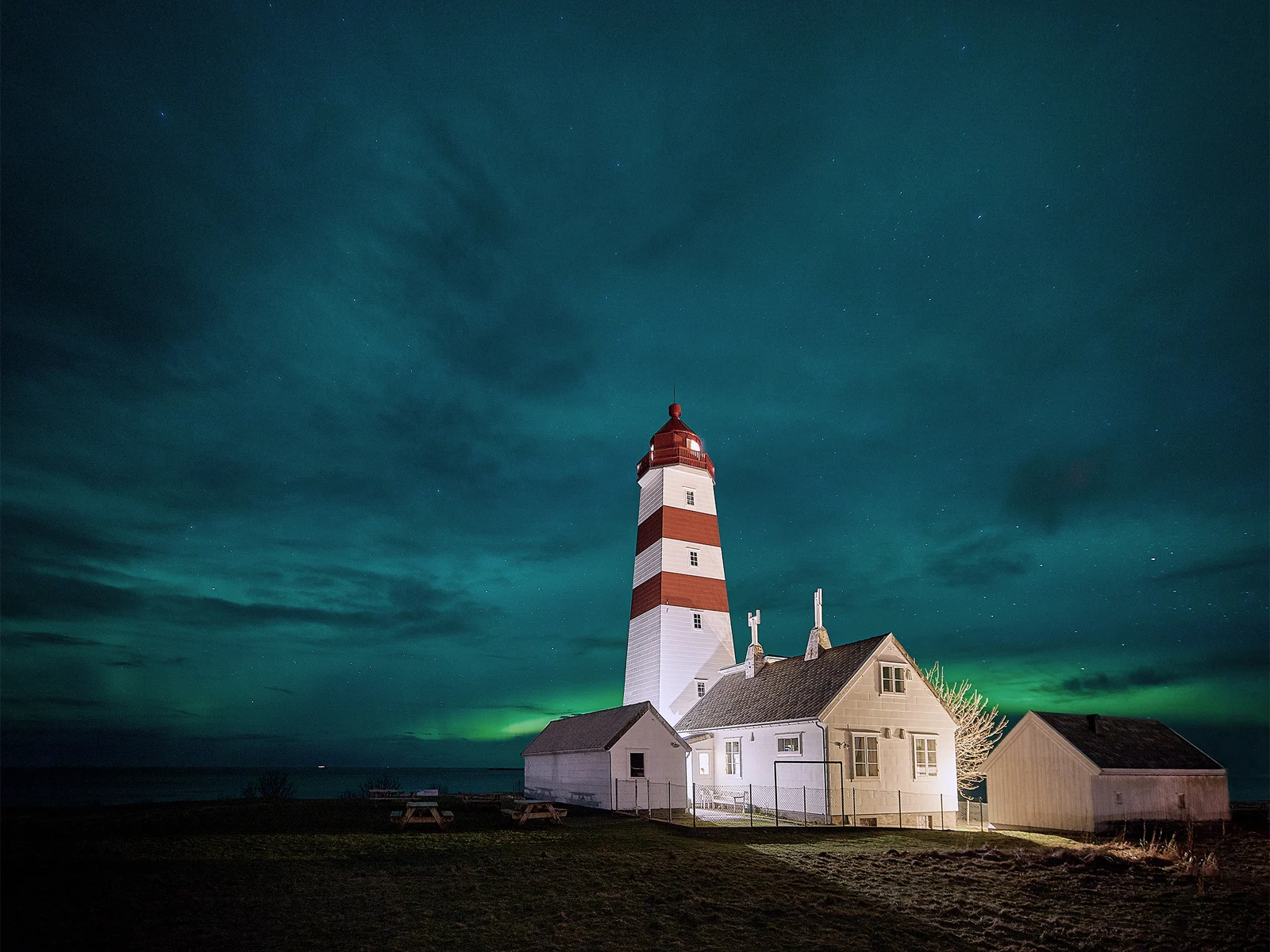
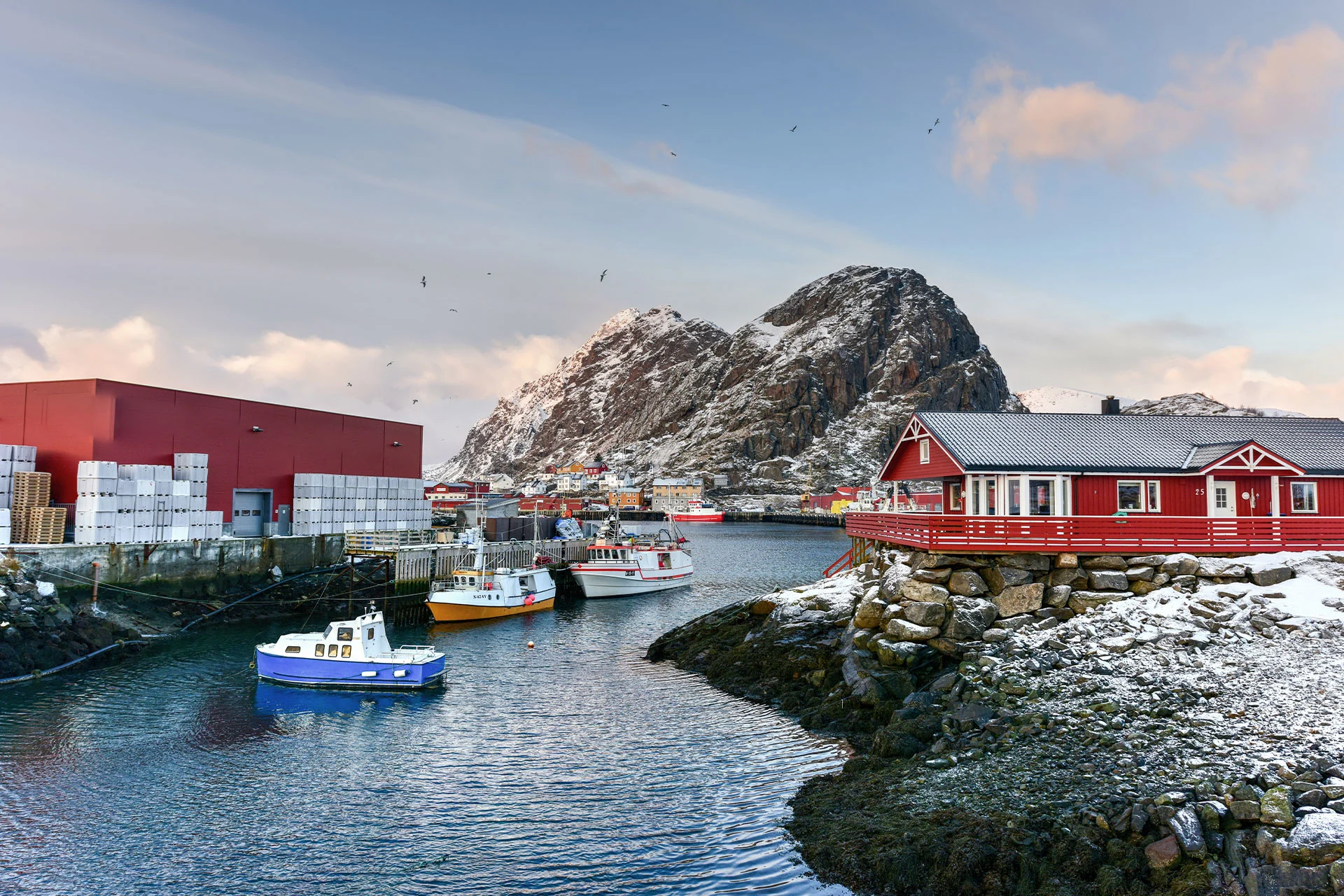
We cross the Arctic Circle early in the morning, marking the moment with a traditional ceremony that’s sure to wake you up! Above the Arctic Circle, you can see the sun 24 hours a day in summer, while in winter, your chances of seeing the Northern Lights greatly improve. Forces of nature At 10am, we call into Ørnes, near to Norway’s second-largest glacier, Svartisen. The pier here is popular for the Love Bench where sweethearts have declared their lasting romance with a padlock. We then sail to Bodø, the second-largest city in Northern Norway, overlooked by the Børvass peaks. Admire fabulous street art or join an optional boat excursion to Saltstraumen, the world’s most powerful maelstrom. Welcome to Lofoten That afternoon, the ship enters the Lofoten archipelago. The 1,000 metre-high Lofoten Wall is a stunning sight that stretches for miles on the horizon. Stamsund is home to one of the largest fishing fleets in the islands and busiest between January and April when Arctic cod, known locally as skrei, swim from the Barents Sea in the north down to Vestfjord to spawn. Come evening, when you see rows of traditional fisherman’s huts on stilts, known as rorbuer, you’ve arrived in the pretty harbour of Svolvær, the main town of the Lofoten Islands and where your voyage with us this time ends.
Read more