Loading...
Norwegian Fjords Cruises
Destination
Travel type
Duration
Departure port
Ships
Year
Season
Offers
All voyages(54)

Bergen – Kirkenes – Bergen (Roundtrip)
The Coastal Express
The original Norwegian coastal voyage – connecting fjords, towns & people since 1893
Regular departures
12 days
34 Places
Full board

Kirkenes – Bergen (Southbound)
The Coastal Express – South
The southbound leg on our classic coastal voyage, exploring beautiful archipelagos & fjordlands
Regular departures
6 days
33 Places
Full board

Bergen – Kirkenes (Northbound)
The Coastal Express – North
The northbound leg of our classic coastal route, from Bergen to Arctic Norway
Regular departures
7 days
34 Places
Full board
Guest Favourite

Bergen - Svalbard - Bergen (Roundtrip)
The Svalbard Line
All-inclusive Arctic cruise to Svalbard & back, with fjords, wildlife & Midnight Sun
June 2026 - September 2027
15 days
14 Places
All-inclusive

Longyearbyen - Bergen (Southbound)
The Svalbard Line - South
All-inclusive cruise from the High Arctic exploring fjords, islands & wildlife
June 2026 - September 2027
8 days
9 Places
All-inclusive
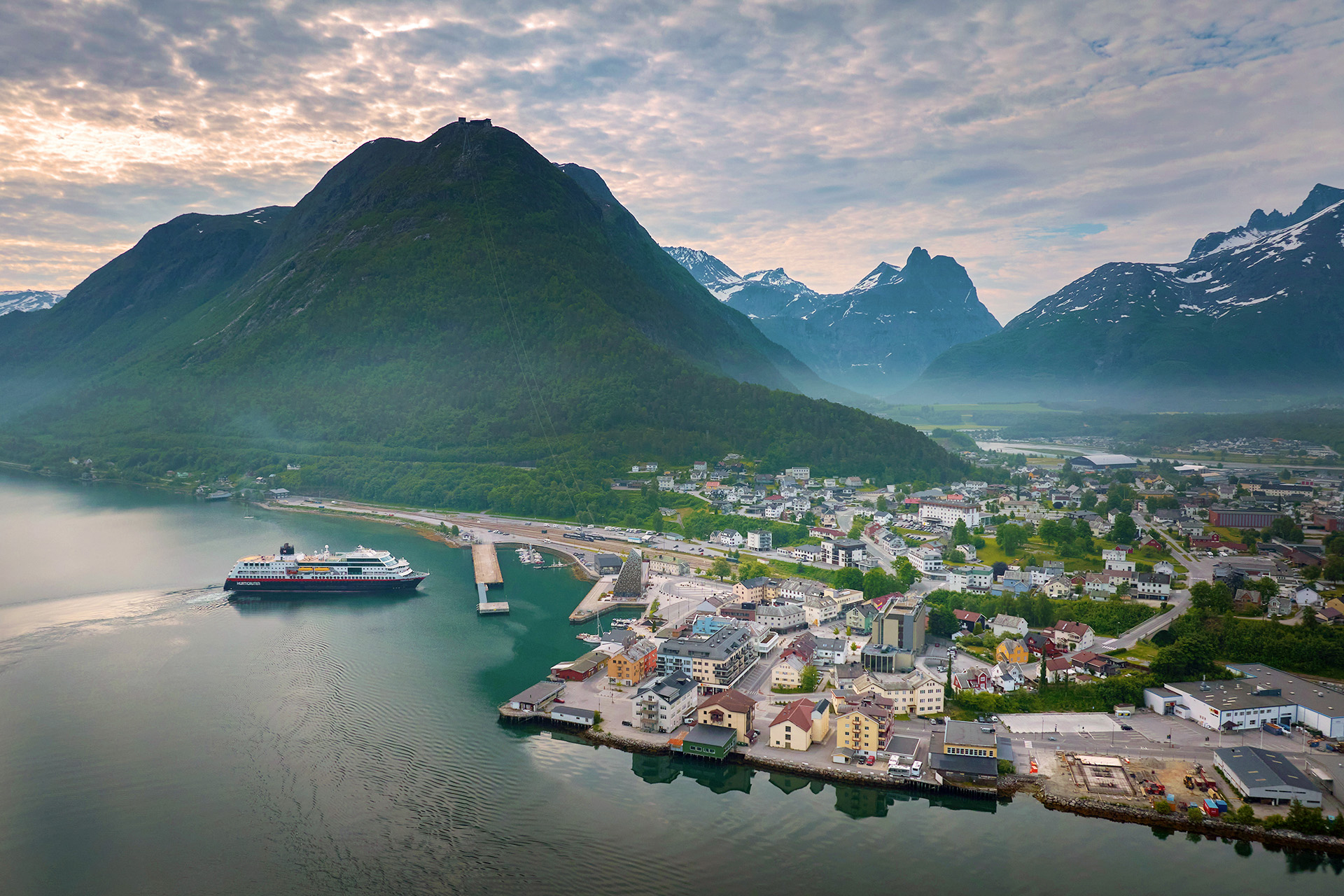
Bergen – Longyearbyen (Northbound)
The Svalbard Line – North
All-inclusive Arctic cruise north to Svalbard, sailing fjords under the Midnight Sun
June 2026 - September 2027
8 days
7 Places
All-inclusive
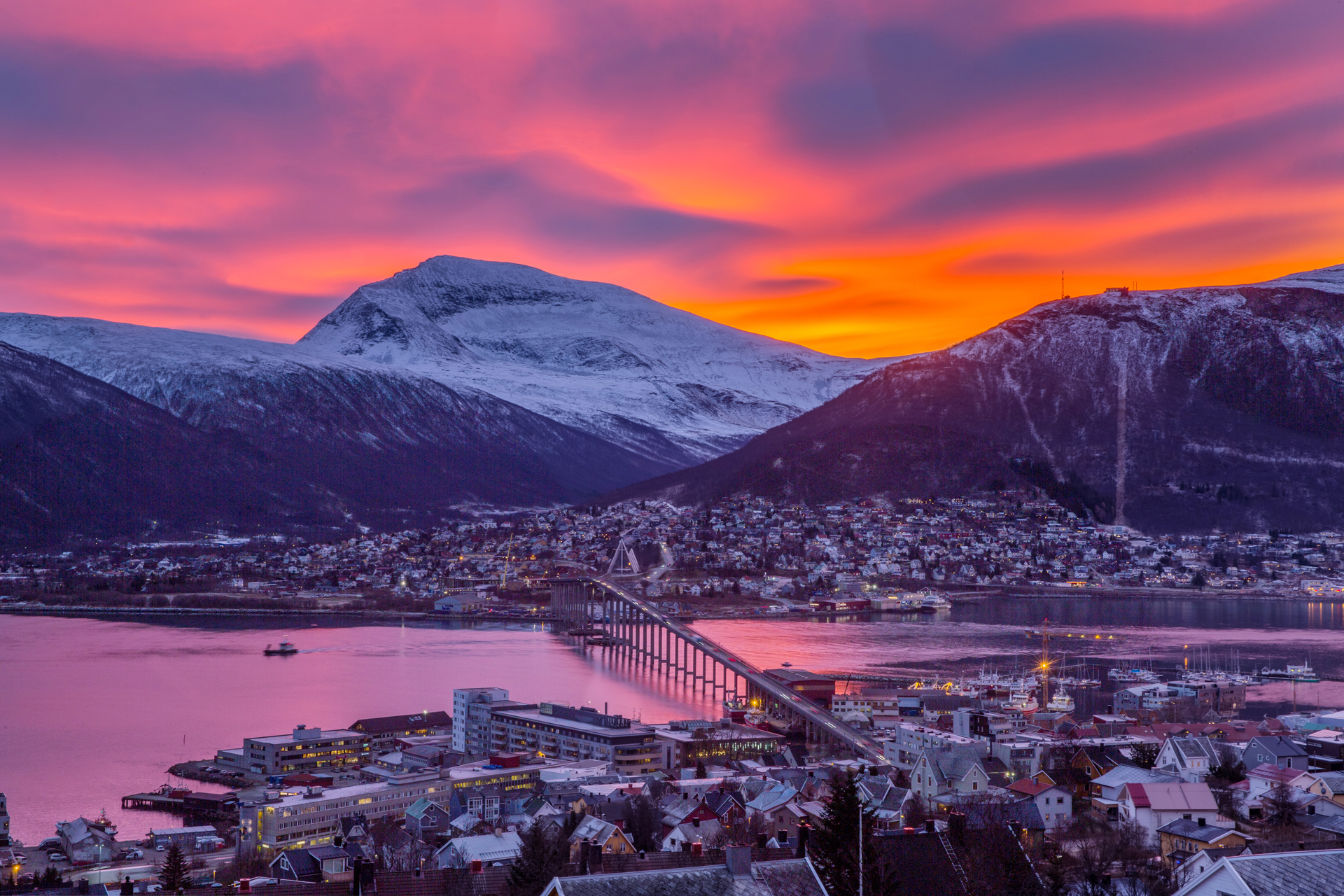
Tromsø - Honningsvåg - Tromsø (Roundtrip)
The Arctic Circle Explorer
Limited Collection voyage around the far north, chasing the Northern Lights
January - April 2028
8 days
7 Places
All-inclusive
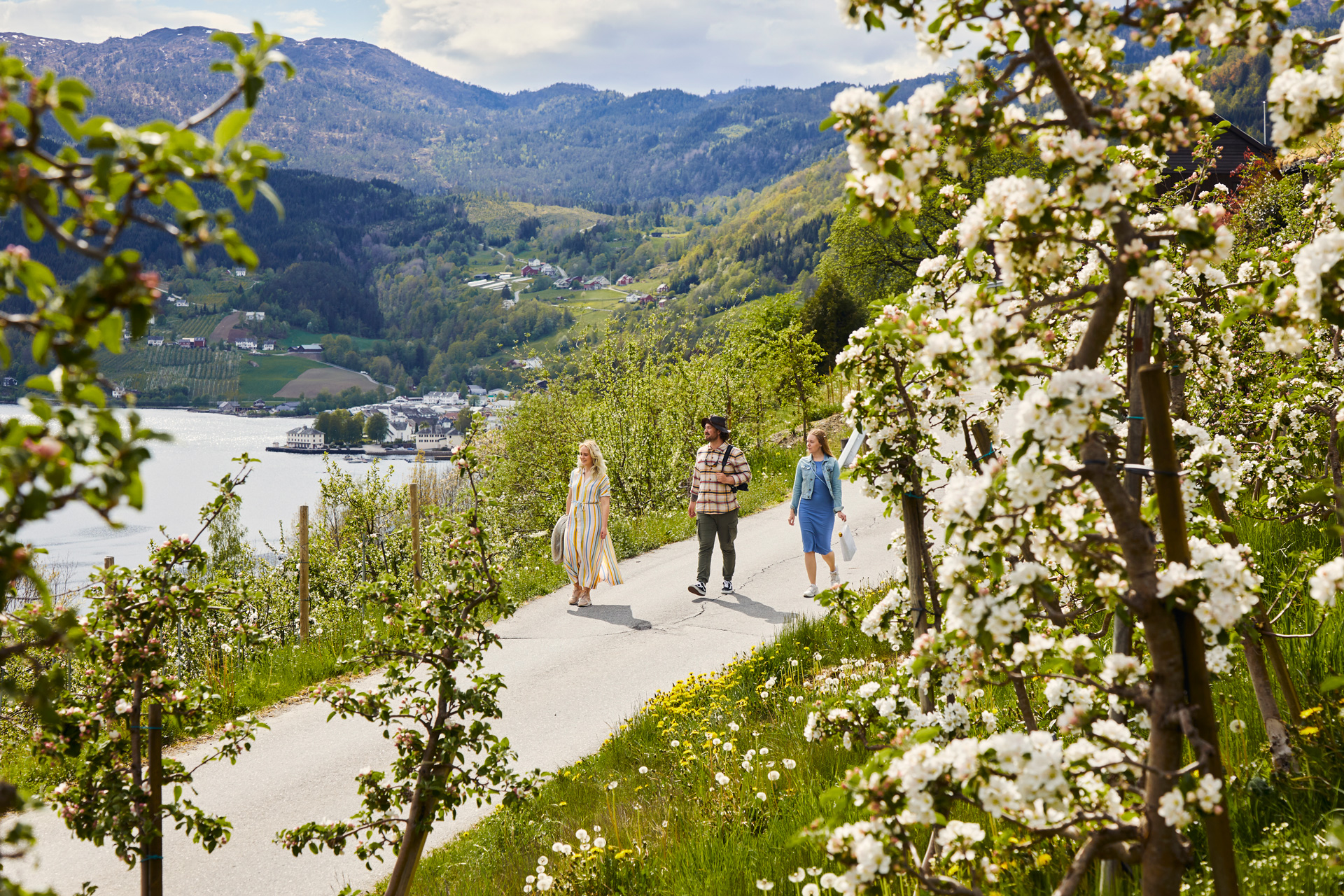
Bergen - Ålesund - Bergen (Roundtrip)
The Inner Fjords Explorer
Limited Collection voyage around Norway’s iconic Western Fjords
April 2027 - May 2028
8 days
6 Places
All-inclusive
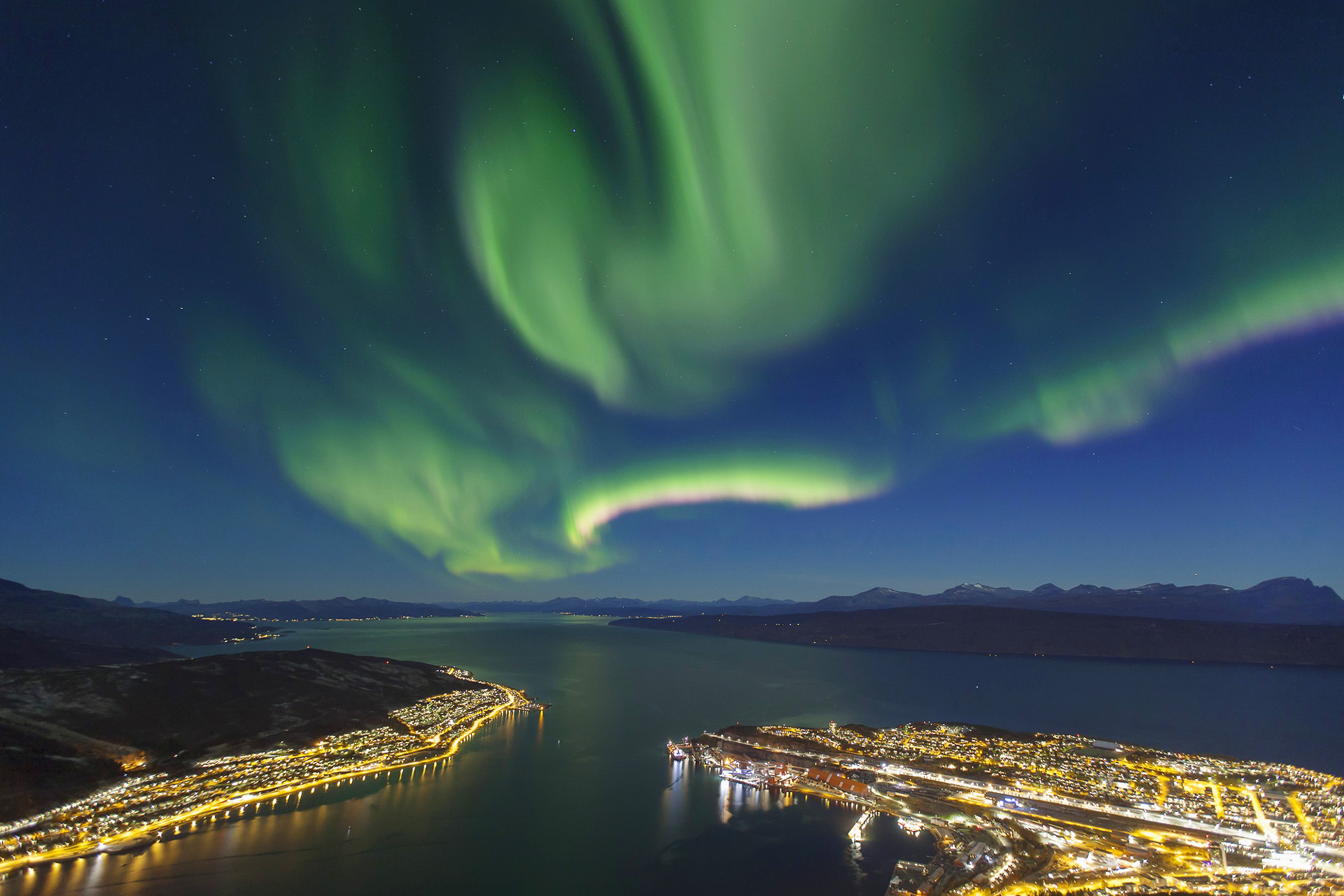
Copenhagen - Tromsø (Northbound)
The Arctic Line - North
Sail northbound from Copenhagen to Tromsø, discovering Arctic beauty and chasing the Northern Lights
December 2027 - March 2028
12 days
8 Places
All-inclusive
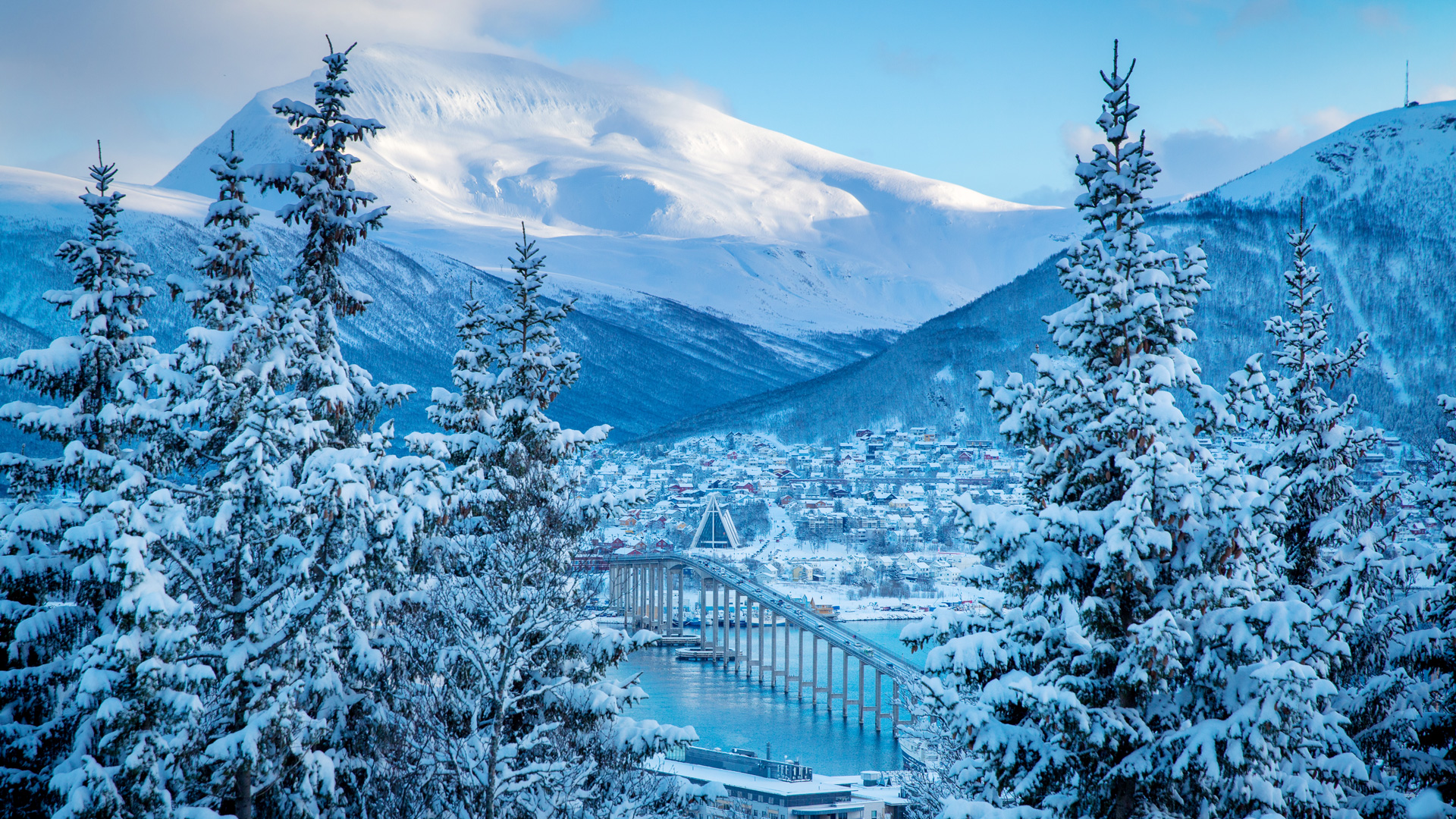
Tromsø - Copenhagen (Southbound)
The Arctic Line - South
Sail southbound from Tromsø to Copenhagen, discovering the Northern Lights and Arctic wonders
January - April 2028
11 days
8 Places
All-inclusive
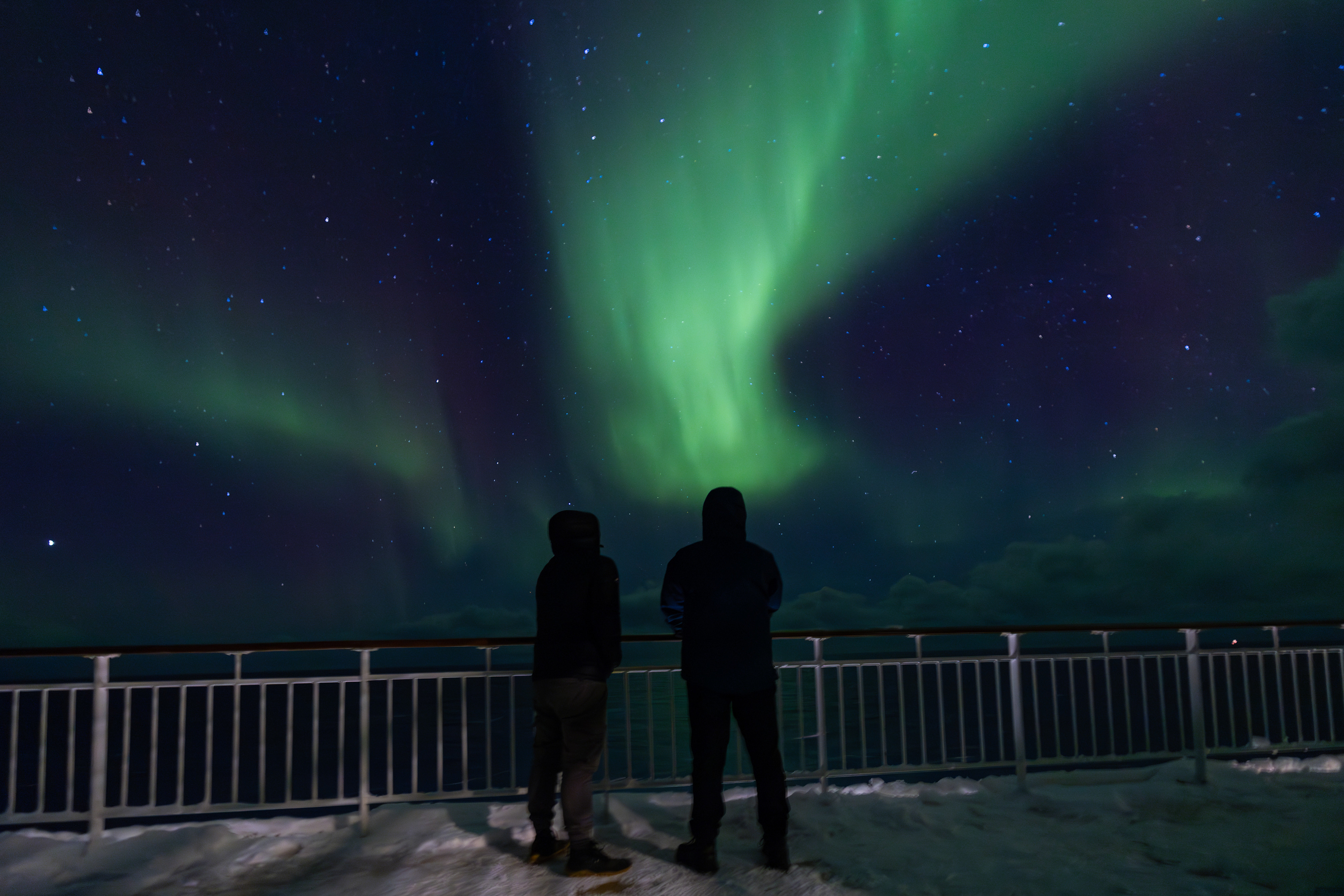
Tromsø – Oslo (Southbound)
The North Cape Line - South
All-inclusive cruise south from Arctic Norway in winter, under the glow of the aurora
October 2026 - December 2027
9 days
8 Places
All-inclusive
We Recommend

Oslo - Honningsvåg - Oslo (Roundtrip)
The North Cape Line – Winter
All-inclusive winter cruise to Norway’s North Cape, chasing the Northern Lights
September 2026 - December 2027
15 days
13 Places
All-inclusive
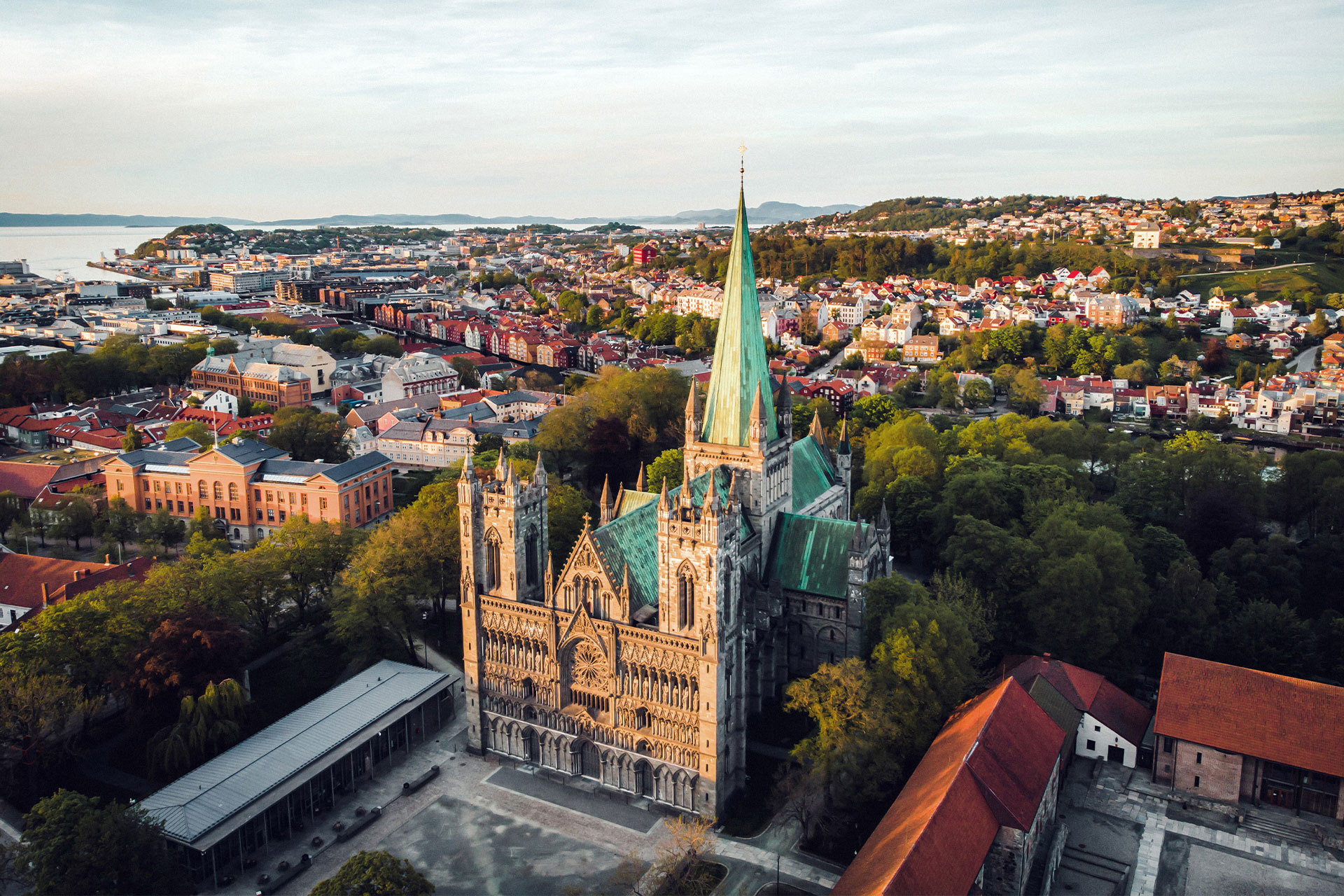
Bergen – Kirkenes – Trondheim (Roundtrip)
The Coastal Express – To the Viking Capital
The original Norwegian coastal voyage, returning via Trondheim – home of Viking kings
Regular departures
11 days
34 Places
Full board
Trending

Oslo – Tromsø (Northbound)
The North Cape Line - North
All-inclusive Arctic cruise north along the Norwegian coast, with fjords & aurora views
September 2026 - December 2027
7 days
7 Places
All-inclusive
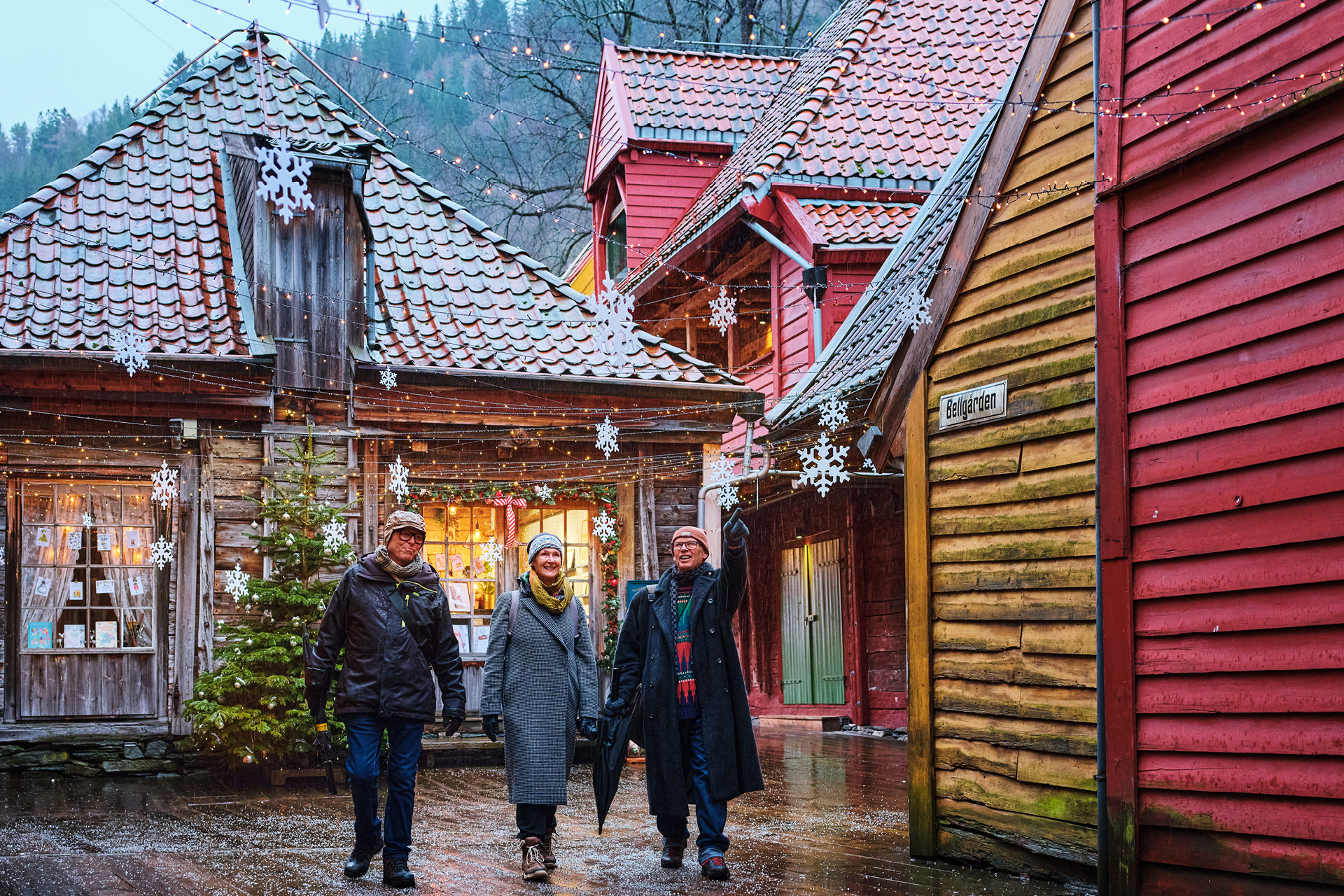
Oslo - Honningsvåg - Copenhagen (Roundtrip)
The North Cape Line Special Christmas Voyage
All-inclusive winter cruise to Norway’s North Cape, chasing the Northern Lights
December 2027
15 days
12 Places
All-inclusive
Guided tour
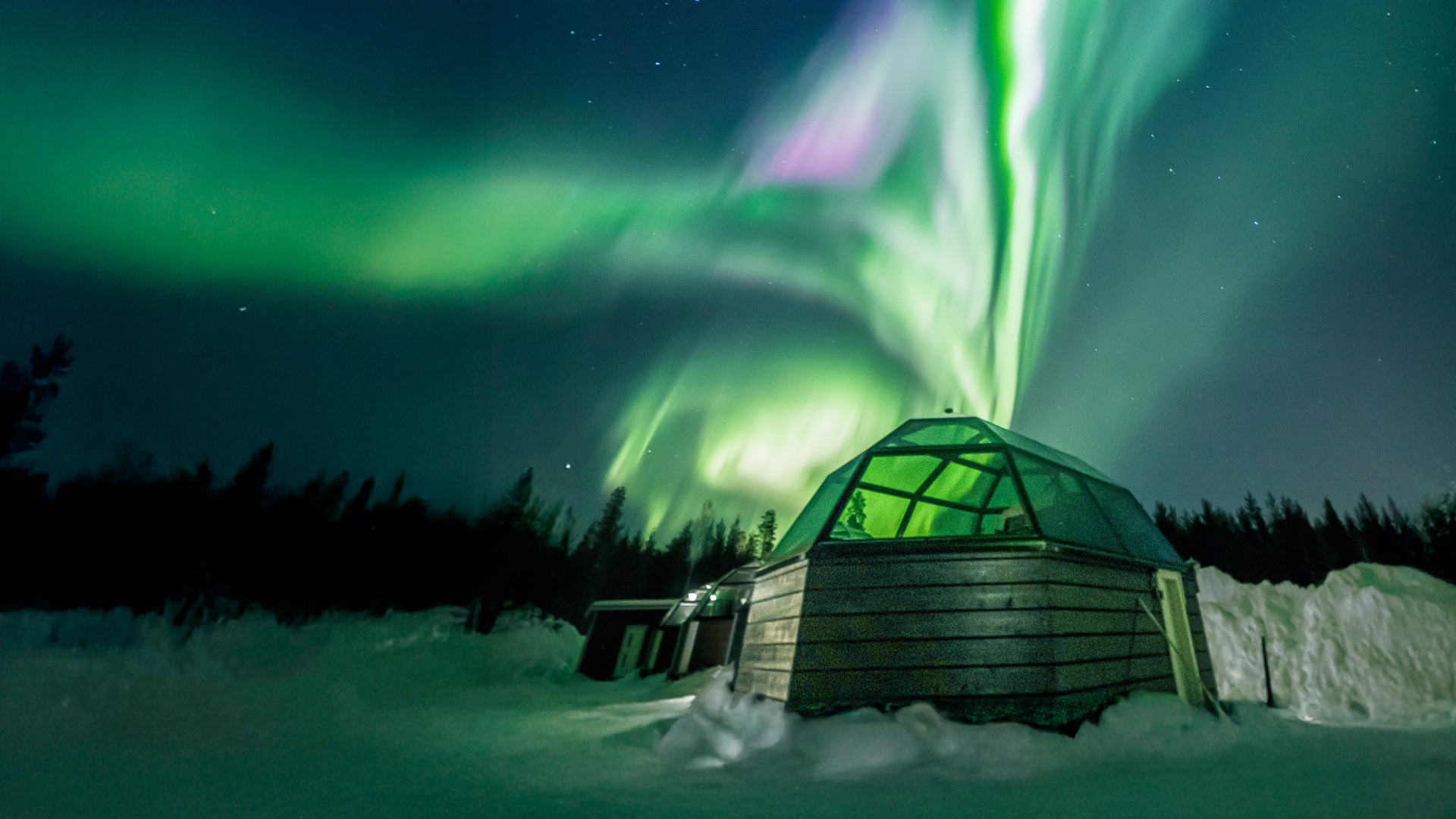
Helsinki - Rovaniemi - Honningsvåg - Oslo (Southbound)
Follow the Northern Lights – Finland to Norway (Autumn 2027–Winter 2028)
Explore Finnish Lapland, sail Arctic Norway and journey south by rail and sea
September 2027 - March 2028
14 days
39 Places
Full board
Guided tour

Oslo - Honningsvåg - Rovaniemi - Helsinki (Northbound)
Follow the Northern Lights – Norway to Finland (Autumn 2027–Winter 2028)
Sail, rail and explore the Arctic with glass igloos, ice fishing and Santa Claus Village
September 2027 - March 2028
16 days
40 Places
Full board
Guided tour

Helsinki - Rovaniemi - Honningsvåg - Oslo (Southbound)
Follow the Northern Lights – Finland to Norway (Autumn 2026–Winter 2027)
Escorted land & sea tour with Flåm Railway, glass igloo & husky safari
December 2026 - March 2027
15 days
39 Places
Full board
Guided tour

Oslo - Honningsvåg - Rovaniemi - Helsinki (Northbound)
Follow the Northern Lights – Norway to Finland (Autumn 2026–Winter 2027)
Escorted land & sea tour with Flåm Railway, glass igloo & aurora experiences
September 2026 - February 2027
17 days
40 Places
Full board
Self-guided tour

Oslo - Trondheim - Bergen - Oslo (Roundtrip)
Sail and Rail Norway
Rail & sea adventure through central Norway on The Coastal Express & Dovre Line
Regular departures
5 days
8 Places
Half board
Guided tour

Helsinki - Oslo (Southbound)
Savour the Northern Lights - Southbound
Escorted land & sea tour with all-inclusive cruise, igloo stay & husky safari
April 2027
15 days
7 Places
Full board
Guided tour

Oslo - Helsinki (Northbound)
Savour the Northern Lights - Northbound
Escorted land & sea tour with igloo stay, husky safari & all-inclusive cruise
March 2027
14 days
7 Places
Full board

Hamburg – Honningsvåg – Hamburg (Roundtrip)
The North Cape Line from Hamburg – Winter
All-inclusive German-speaking cruise to Norway’s far north in aurora season
September 2026 - April 2028
15 days
12 Places
All-inclusive

Hamburg – Honningsvåg – Hamburg (Roundtrip)
The North Cape Line – Summer
All-inclusive German-speaking cruise to Norway’s far north under the Midnight Sun
July 2026 - September 2027
15 days
12 Places
All-inclusive
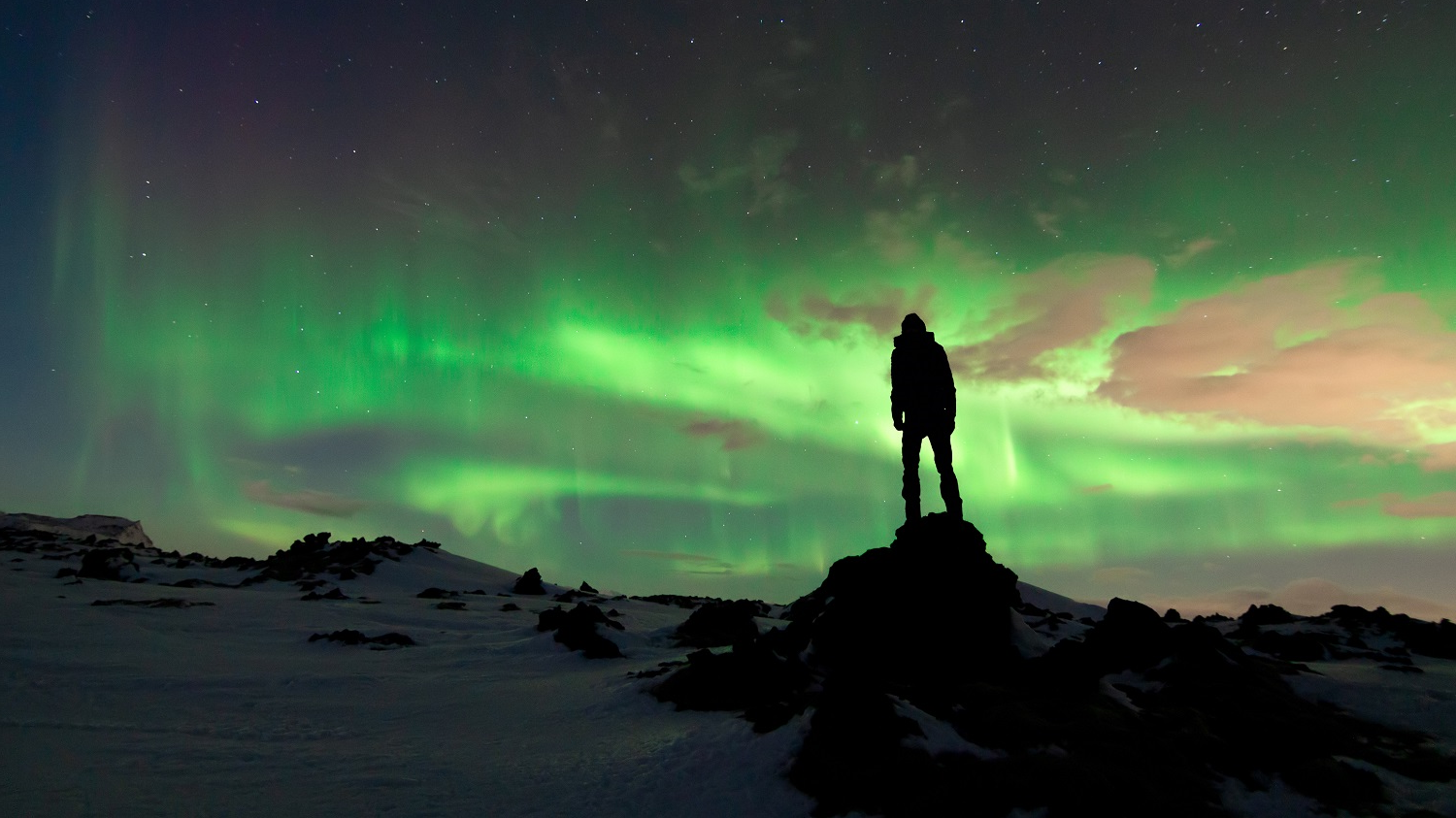
Oslo - Honningsvåg - Oslo (Roundtrip)
Astronomy Cruise on The North Cape Line with Tom Kerss
Our classic all-inclusive winter cruise, with an expert astronomer and exclusive excursions
March 2027
15 days
13 Places
All-inclusive
Guest Favourite

Bergen - Ålesund - Trondheim - Bodø - Tromsø (Northbound)
West Fjords to the Arctic Capital
A short northbound sailing on our classic coastal route, through fjords to the Arctic
Regular departures
5 days
22 Places
No meals included
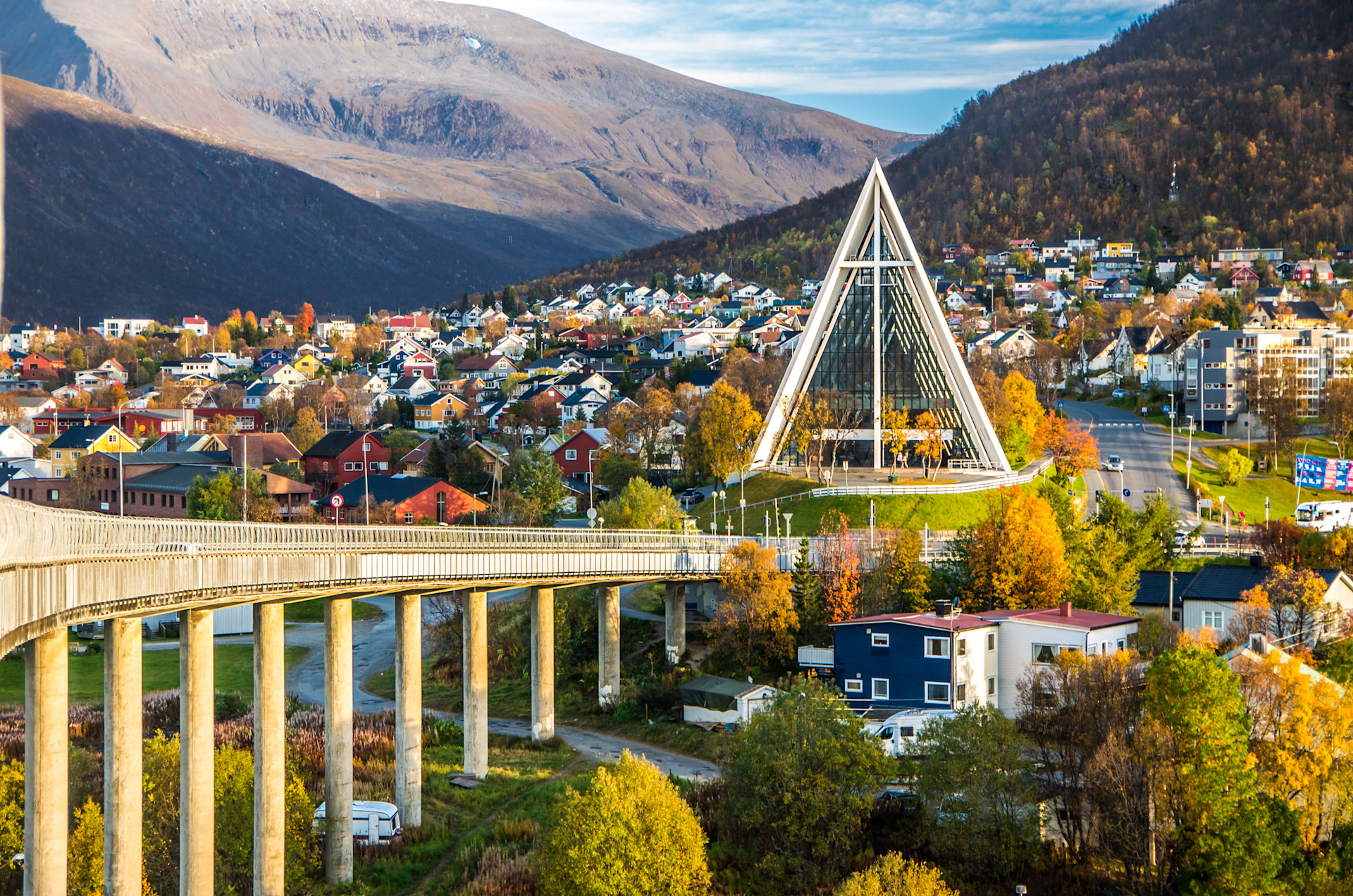
Tromsø - Brønnøysund - Trondheim - Bergen (Southbound)
Arctic Capital to the West Fjords
A short southbound sailing on our classic coastal route, through archipelagos & fjords
Regular departures
4 days
22 Places
No meals included

Bergen - Ålesund - Trondheim - Svolvær (Northbound)
West Fjords to Lofoten
A short Arctic-bound voyage on our historic coastal route, exploring fjords & islands
Regular departures
4 days
16 Places
No meals included

Svolvær - Brønnøysund - Trondheim - Bergen (Southbound)
Lofoten to the West Fjords
A short sailing south experiencing mountains, islands & UNESCO sites
Regular departures
4 days
16 Places
No meals included

Svolvær - Tromsø - Honningsvåg - Kirkenes (Northbound)
Lofoten to the Norwegian Border
A short Arctic voyage exploring Norway's far north & its remote beauty
Regular departures
4 days
19 Places
No meals included
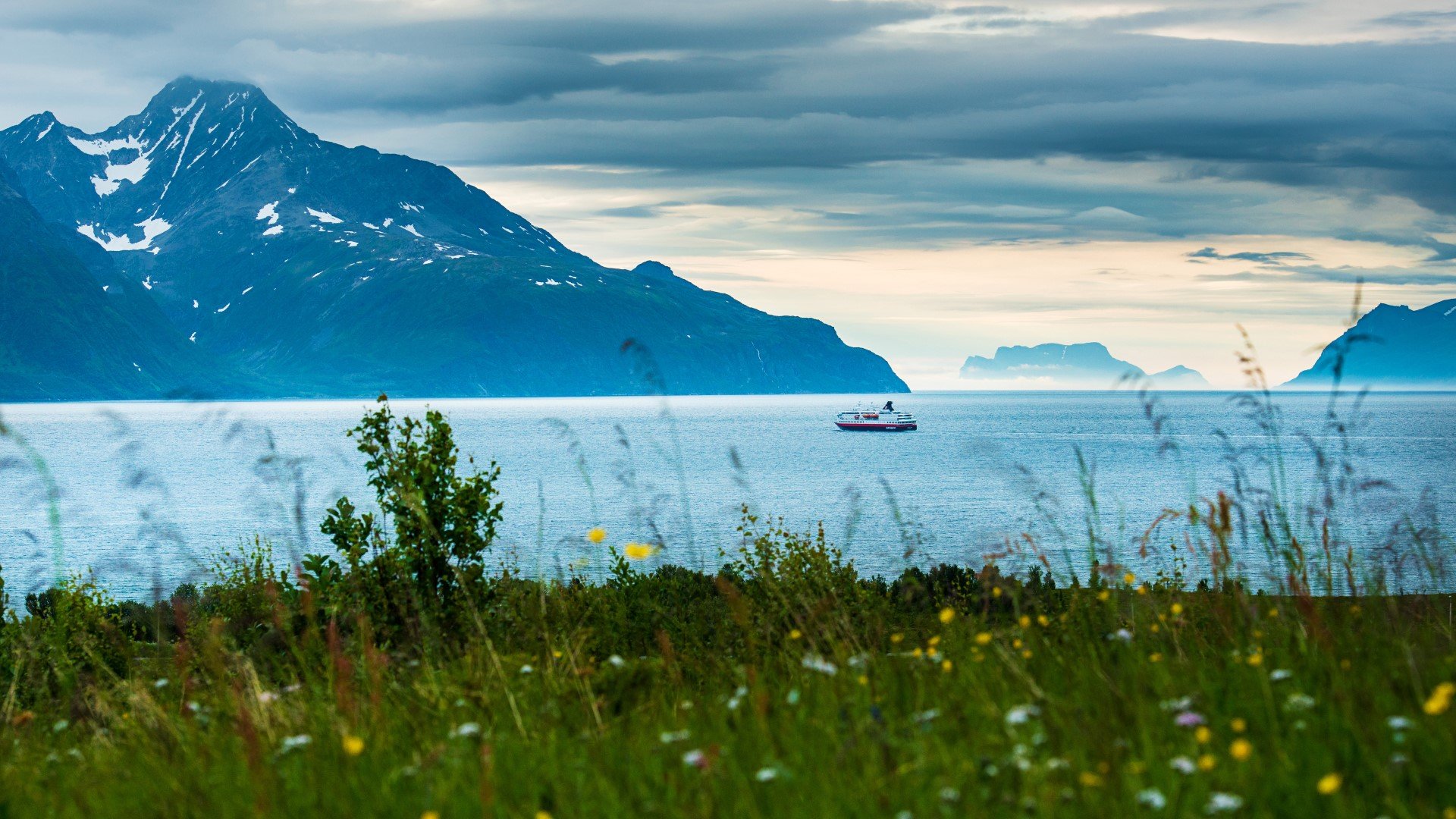
Tromsø - Honningsvåg - Båtsfjord - Kirkenes (Northbound)
Arctic Capital to the Norwegian Border
Tromsø, the North Cape & Norway's eastern edge in one short voyage
Regular departures
3 days
13 Places
No meals included
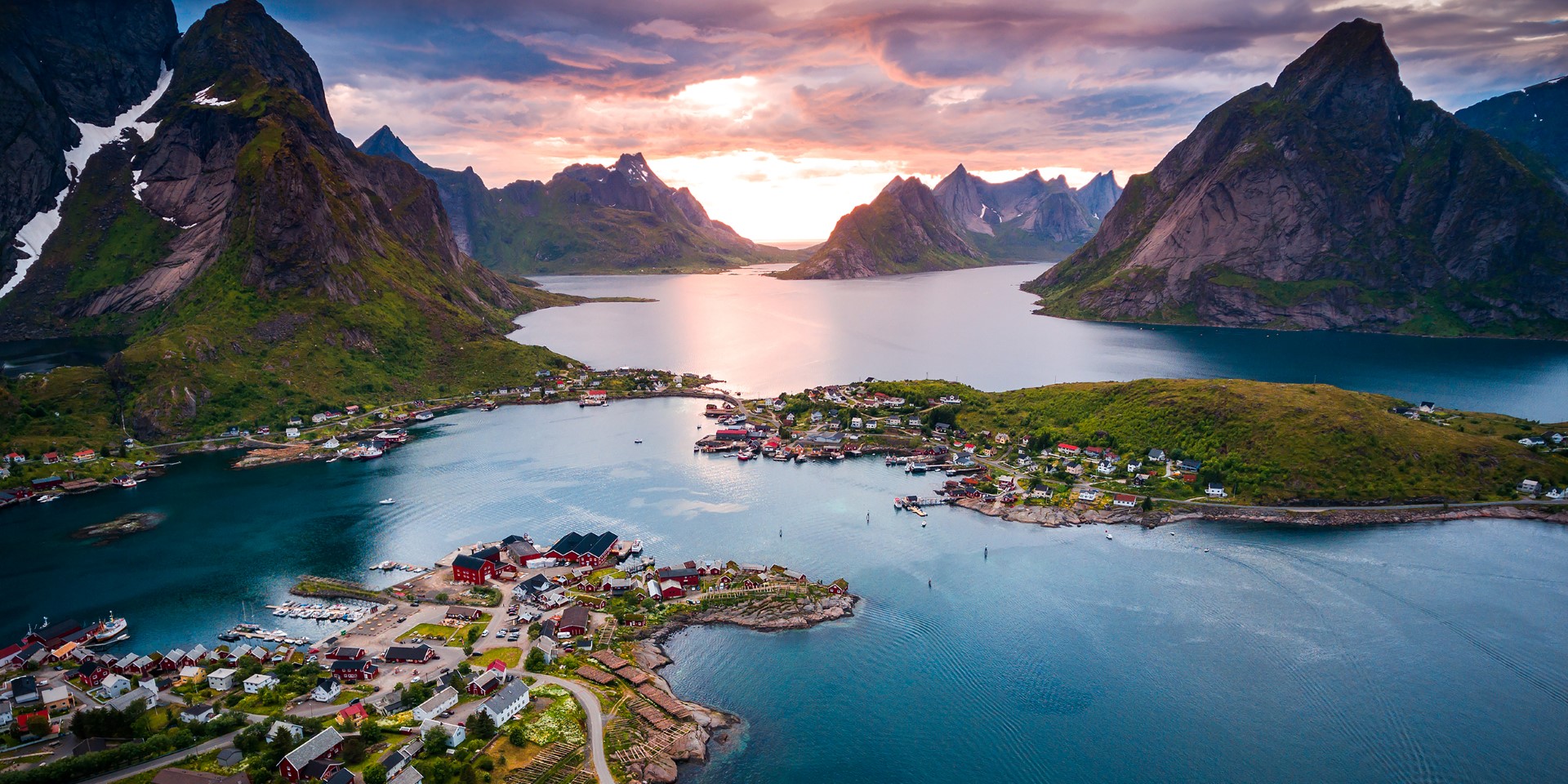
Kirkenes - Hammerfest - Svolvær (Southbound)
Norwegian Border to Lofoten
A short voyage showing the beauty of Lofoten & Norway's north coast
Regular departures
3 days
17 Places
No meals included

Trondheim - Bodø - Tromsø (Northbound)
Viking Capital to the Arctic Capital
A classic short sailing crossing the Arctic Circle between two iconic Norwegian cities
Regular departures
3 days
15 Places
No meals included
Tromsø - Brønnøysund - Trondheim (Southbound)
Arctic Capital to the Viking Capital
From Arctic landscapes to Viking legacy on this short journey down Norway’s coast
Regular departures
3 days
15 Places
No meals included

Bergen - Ålesund - Trondheim (Northbound)
West Fjords to the Viking Capital
A short voyage exploring Art Nouveau gems & UNESCO-listed fjords
Regular departures
3 days
8 Places
No meals included
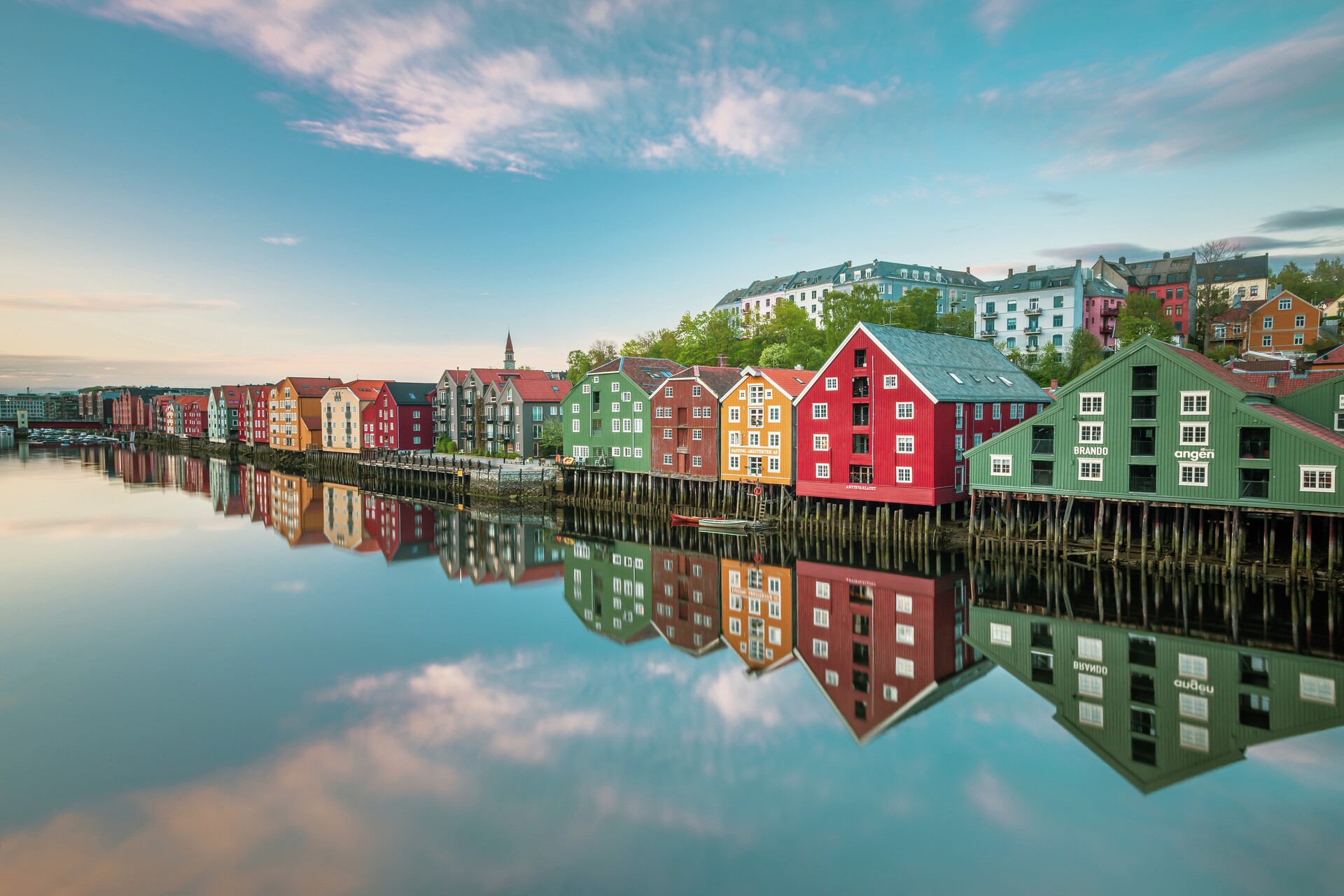
Trondheim - Kristiansund - Bergen (Southbound)
Viking Capital to the West Fjords
A two-day voyage through coastal communities, fjords & UNESCO highlights
Regular departures
2 days
8 Places
No meals included
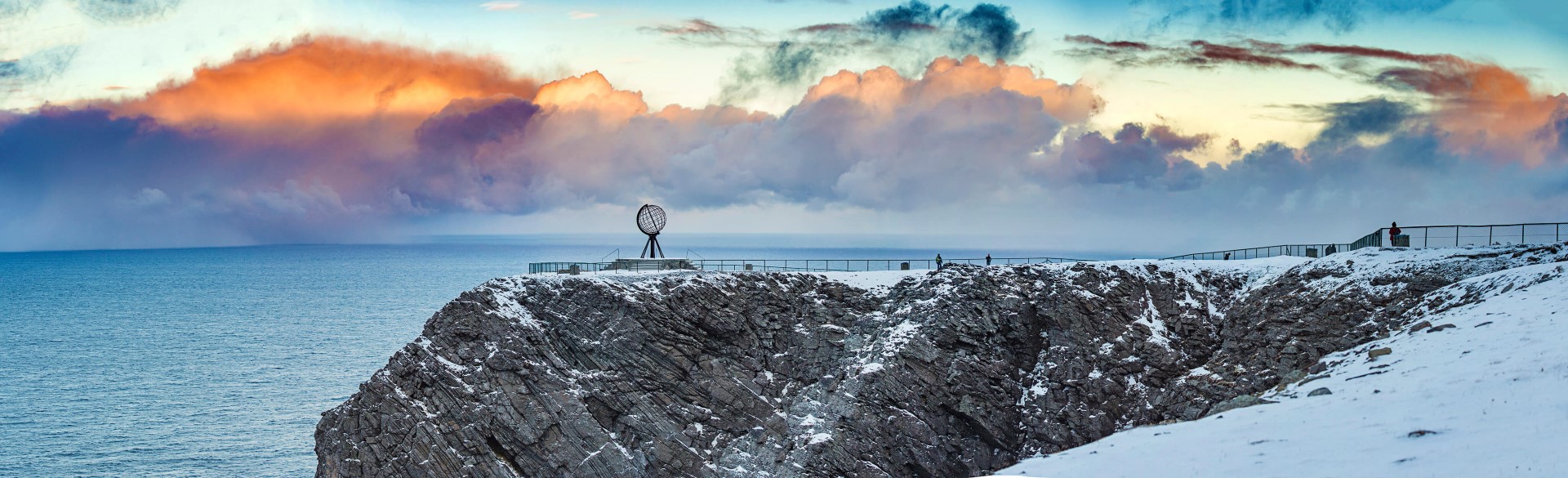
Kirkenes - Hammerfest - Tromsø (Southbound)
Norwegian Border to the Arctic Capital
A two-day sailing showing the best of Norway’s spectacular northern coastline
Regular departures
2 days
12 Places
No meals included
Self-guided tour

Oslo - Kirkenes - Bergen - Flåm - Oslo (Roundtrip)
Best of Norway
Experience Oslo, the Flåm Railway & our classic coastal voyage on one seamless tour
Regular departures
12 days
8 Places
Full board
Guided tour

Bergen - Tromsø (Northbound)
Culinary Voyage
A taste of Norway through fjords & farms on an adventure across land & sea
September 2026
7 days
7 Places
Full board
Guided tour

Helsinki - Kirkenes - Bergen - Reykjavik (Southbound)
Grand Nordic Adventure – Finland, Norway & Iceland
Escorted land & sea tour including fjords, Blue Lagoon & Snowhotel visit
May - September 2027
19 days
8 Places
Full board
Self-guided tour

Oslo - Longyearbyen (Northbound)
Arctic Norway Frontier – Oslo, Fjords & Svalbard with cruise extension
80° North via one iconic train journey and two extraordinary sea voyages
May - August 2027
18 days
5 Places
Full board
Self-guided tour

Oslo – Longyearbyen (Northbound)
Arctic Norway Frontier – Oslo, Fjords & Svalbard
Classic train ride & all-inclusive cruise taking in Norway & Svalbard
May - September 2027
13 days
5 Places
Full board
Self-guided tour

Oslo - Bergen - Kirkenes - Bergen (Roundtrip)
Complete Norway - Rail and Fjord Adventure
A year-round cruise on our classic route, including Norway in a Nutshell and Flåm Railway
Regular departures
16 days
38 Places
Full board
Guided tour
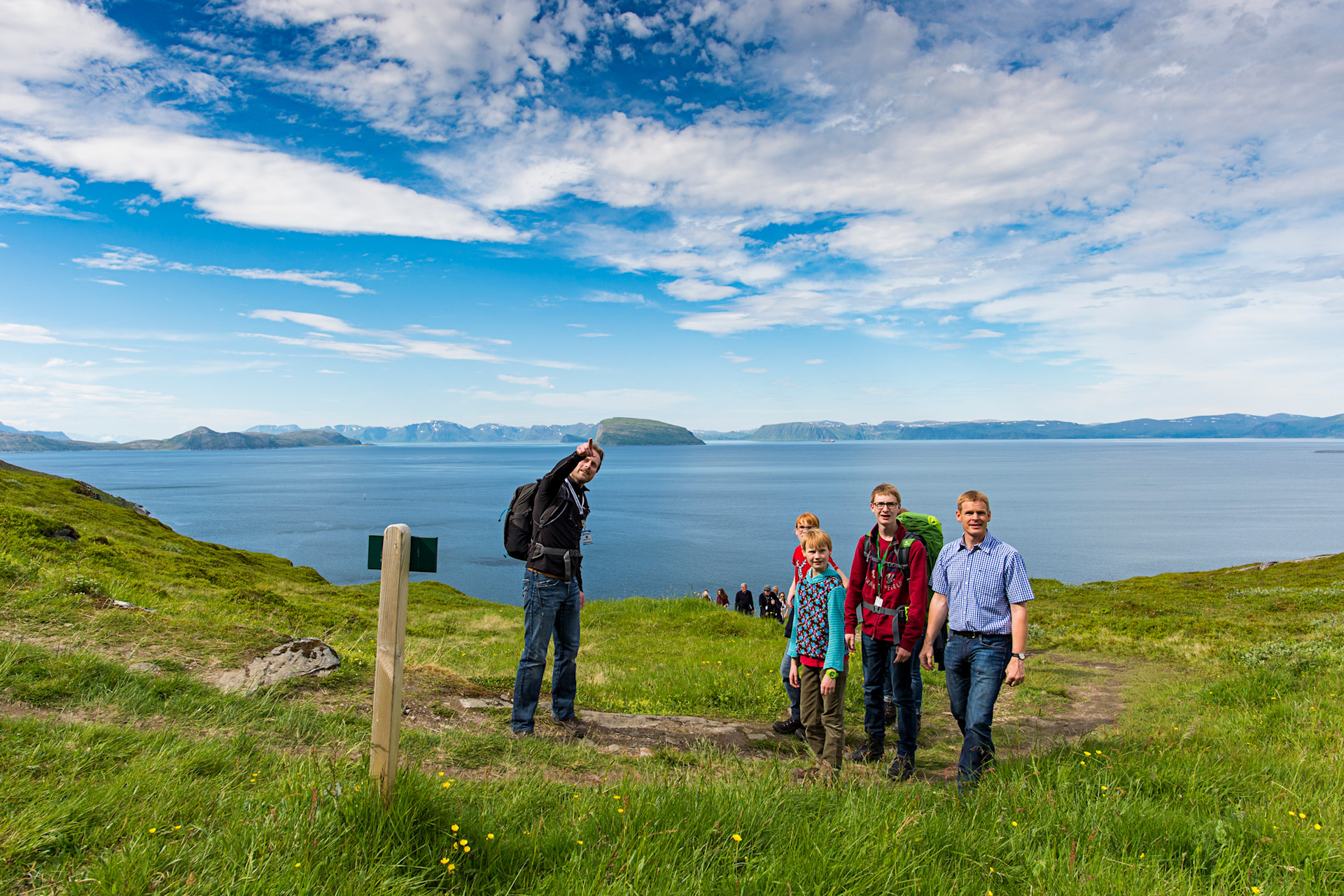
Oslo - Kirkenes - Bergen (Southbound)
Norway’s Capital & Coast
Escorted tour along the length of Norway, encompassing Oslo, the fjords & the Arctic
Regular departures
10 days
8 Places
Full board
Self-guided tour
Oslo-Kirkenes-Bergen-Oslo (Southbound)
Discover Norway with Summer Snowhotel Stay
Self-guided journey combining Arctic highlights, scenic cruising and urban exploration
Regular departures
10 days
34 Places
Full board
Self-guided tour

Oslo-Kirkenes-Bergen-Oslo (Southbound)
Discover Norway with Summer Arctic Cabin Adventure
Self-guided journey combining Arctic highlights, scenic cruising and urban exploration
Regular departures
10 days
Full board
Self-guided tour
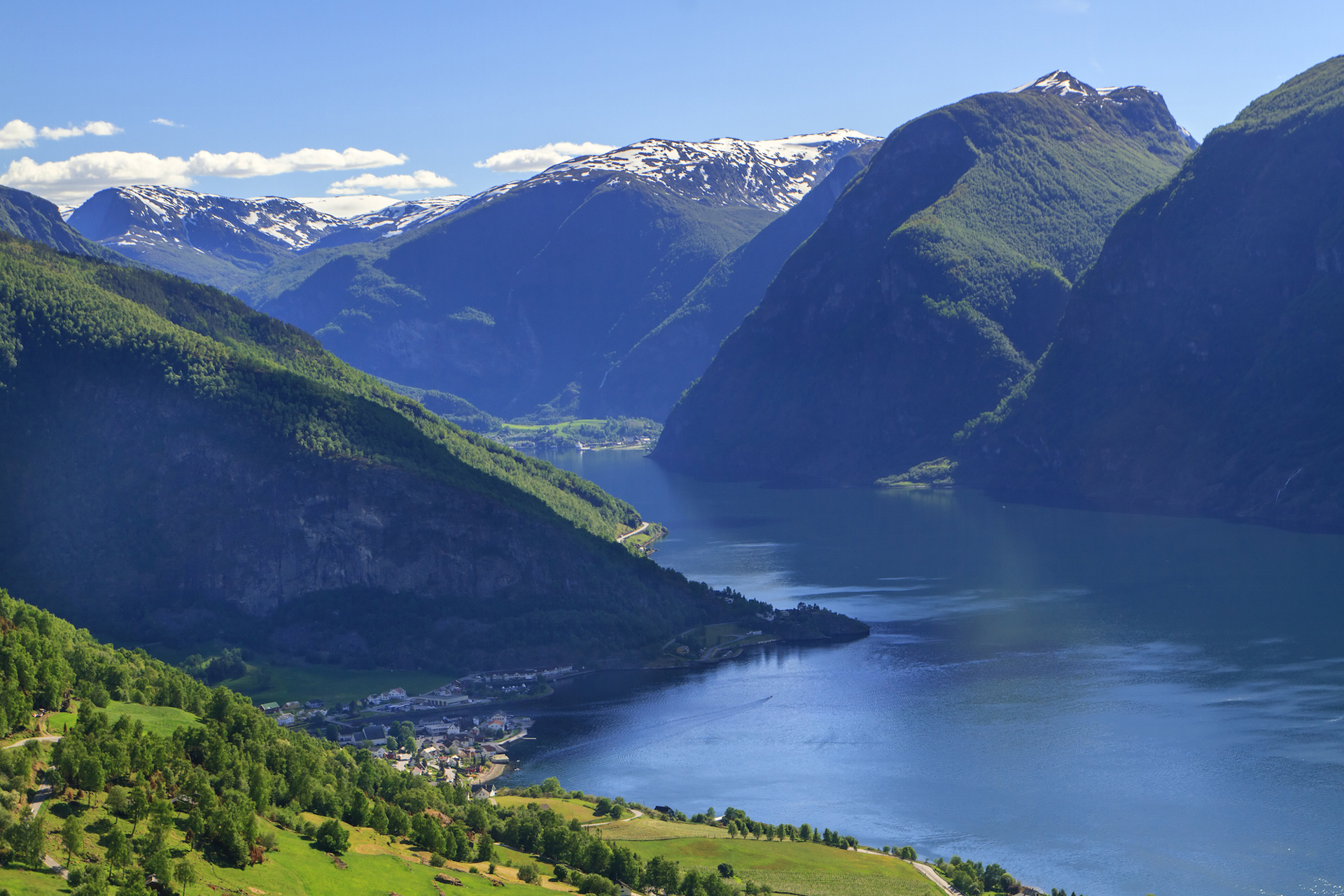
Longyearbyen - Bergen (Southbound)
Arctic Norway Frontier - Svalbard, Fjords & Oslo
Svalbard wildlife, all-inclusive cruise and scenic rail
May - September 2027
13 days
5 Places
Full board

Stockholm - Kirkenes - Bergen (Roundtrip)
Follow the Midnight Sun – Norway, Sweden, & Finland
Escorted coastal tour by train & ship, with guided city tours & husky safari
May - July 2027
15 days
40 Places
Full board
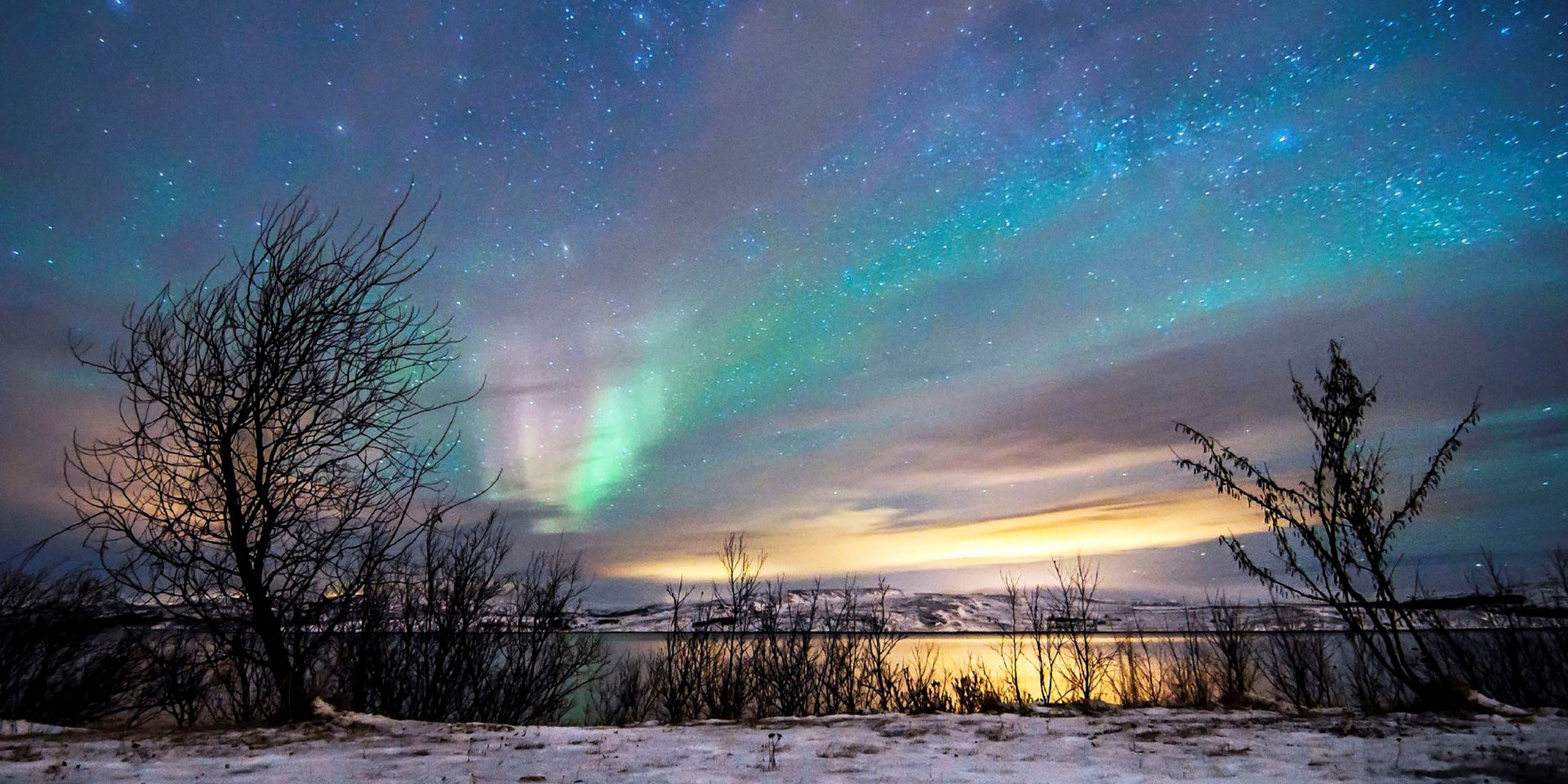
Bergen - Kirkenes - Bergen (Roundtrip)
Astronomy Voyage
Our classic route during aurora season, with expert astronomer & exclusive excursions
October 2026 - March 2027
12 days
34 Places
Full board
Guided tour
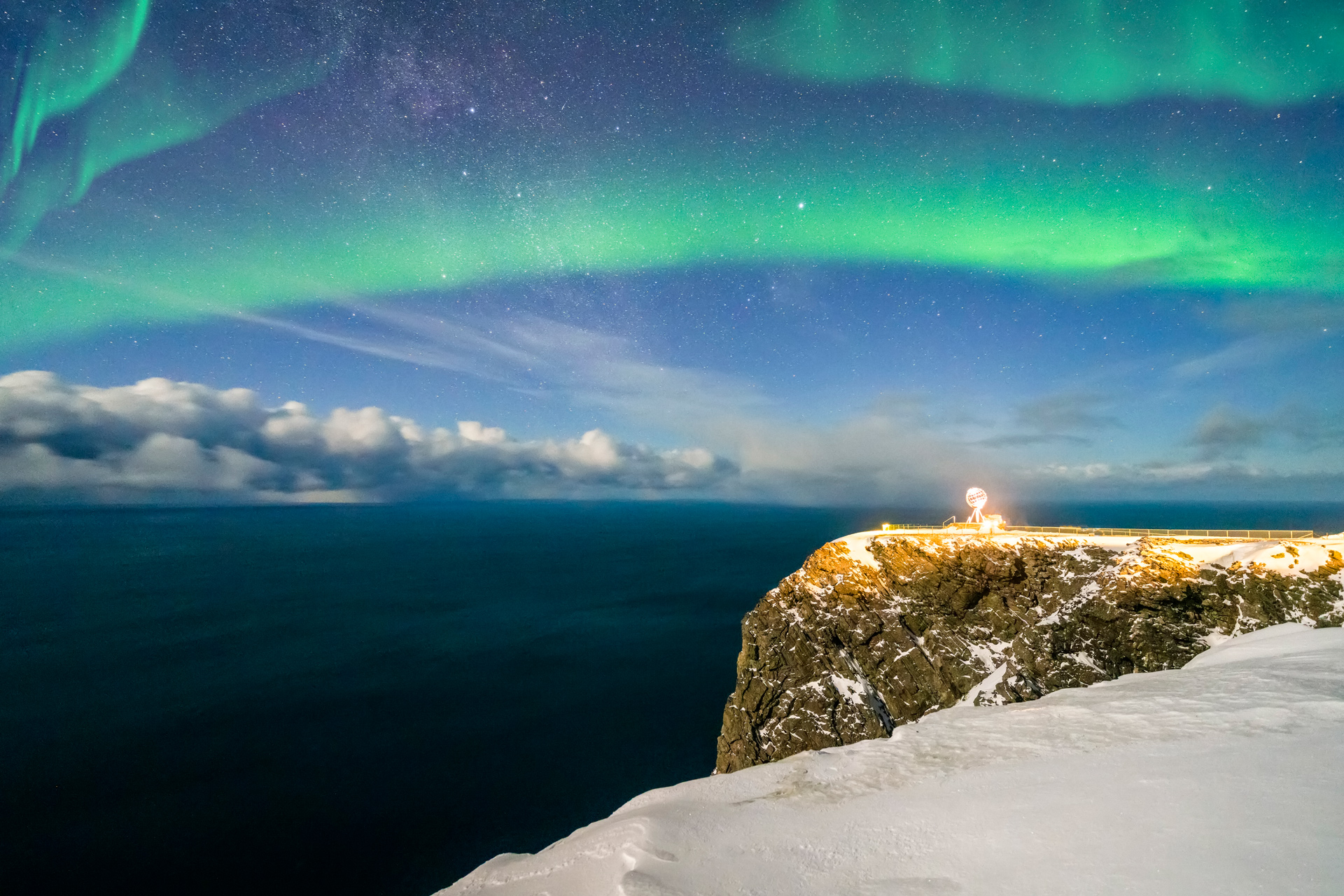
Kirkenes - Bergen (Southbound)
A Nordic winter journey – Finnish Lapland, Norway and Oslo
Explore the Nordics by sled, sea and rail
December 2026
13 days
12 Places
Full board
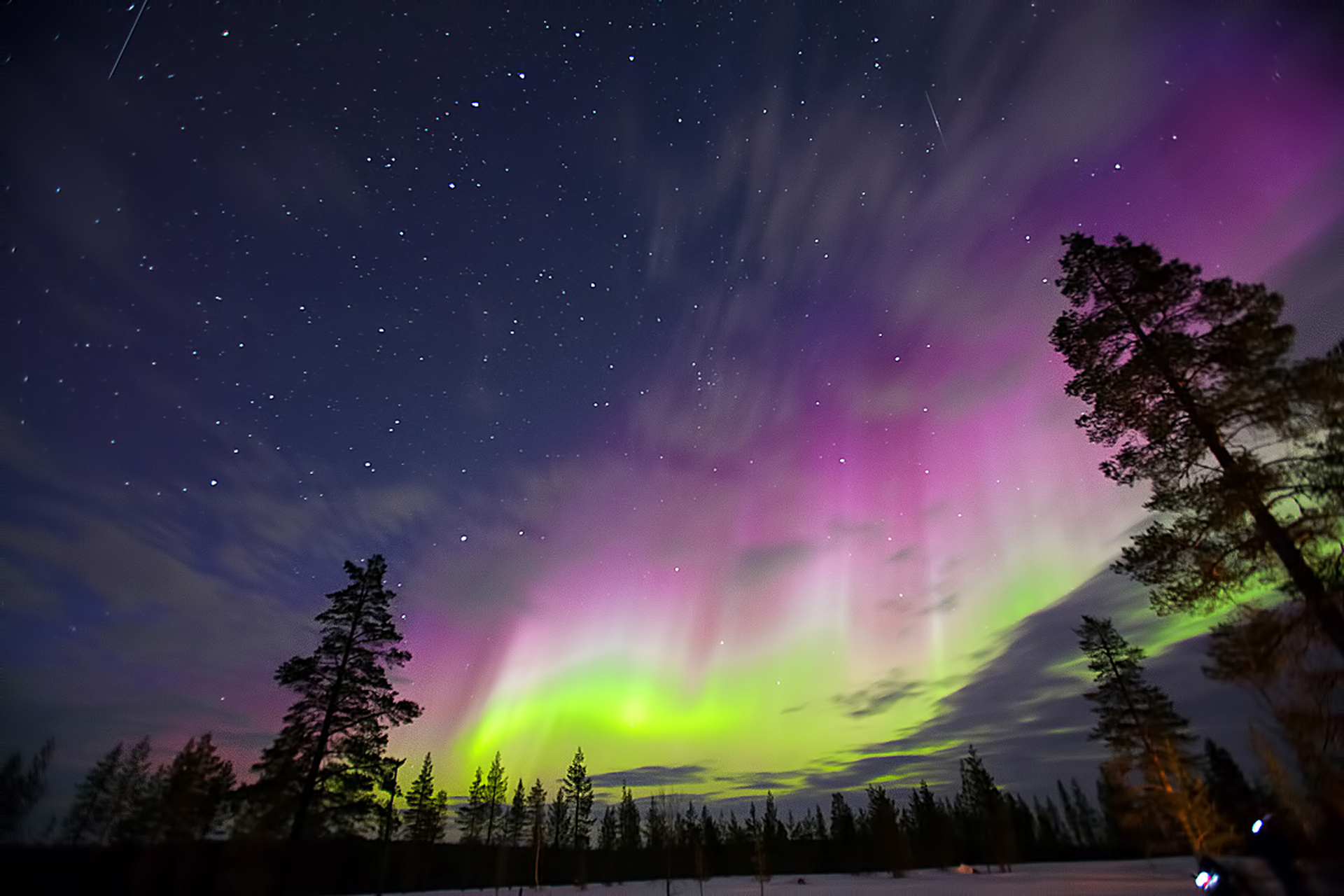
Oslo - Helsinki (Northbound)
Savour the Northern Lights on The North Cape Line - North
A winter Northern Lights adventure from Norway to Finland by land and sea
October - December 2027
14 days
5 Places
All-inclusive
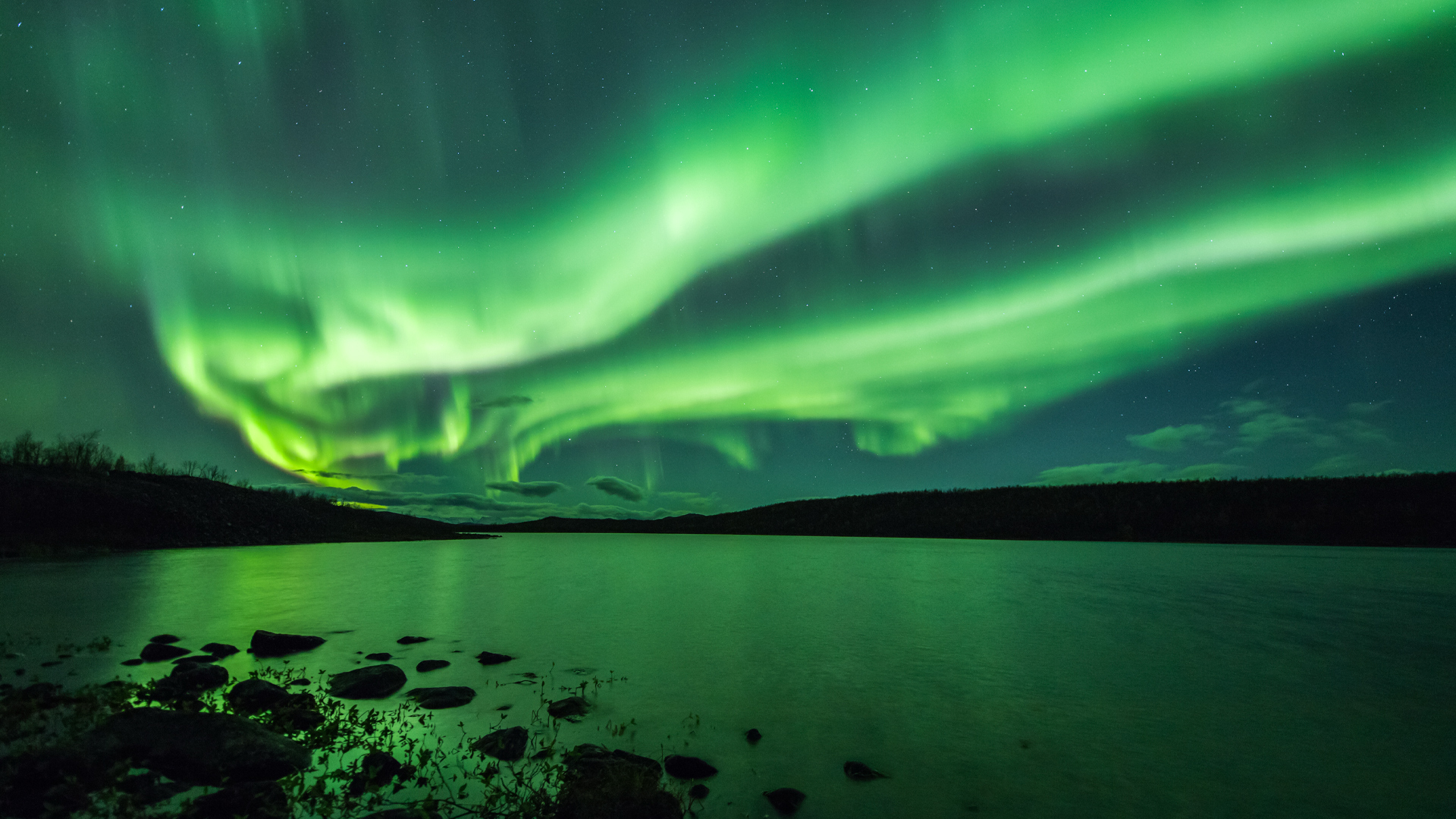
Helsinki - Oslo (Southbound)
Savour the Northern Lights on The North Cape Line - South
A winter Northern Lights adventure from Finland to Norway by land and sea
October - December 2027
14 days
5 Places
All-inclusive
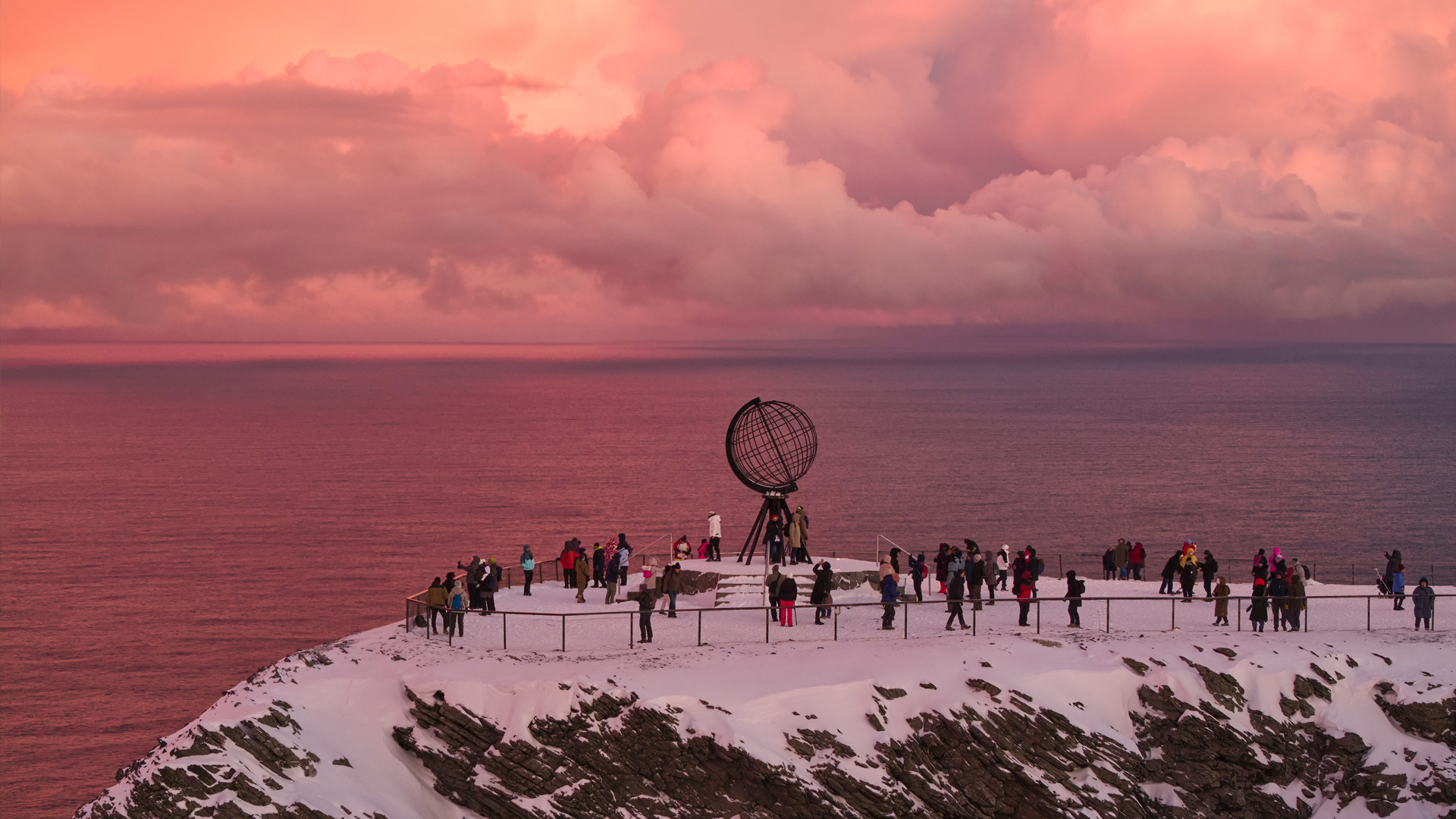
Copenhagen - Helsinki (Northbound)
Savour the Northern Lights on The Arctic Line - North
A winter Northern Lights adventure visiting Denmark, Norway and Finland by land and sea
Regular departures
19 days
5 Places
All-inclusive
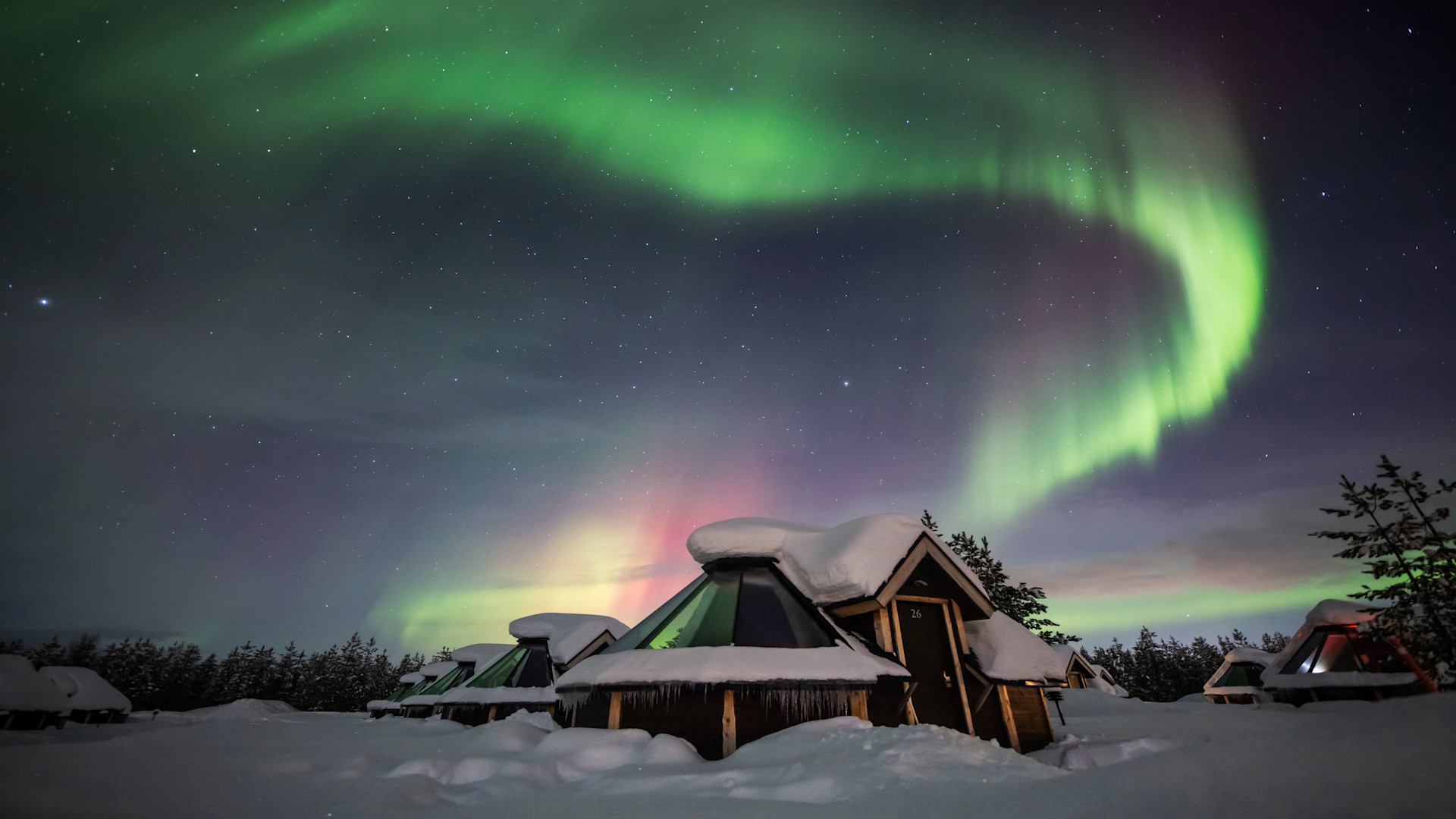
Helsinki - Copenhagen (Southbound)
Savour the Northern Lights on The Arctic Line - South
A winter Northern Lights adventure from Finland to Denmark via Norway
Regular departures
18 days
5 Places
All-inclusive