Bergen - Ålesund - Bergen (Roundtrip)
The Inner Fjords Explorer
Limited Collection voyage around Norway’s iconic Western Fjords
- April 2027 - May 2028
- 8 days
- 6 Places
- All-inclusive
Powerful waterfalls, world-famous hikes and fruit-laden orchards: welcome to Hardangerfjord, Norway’s queen of the fjords.
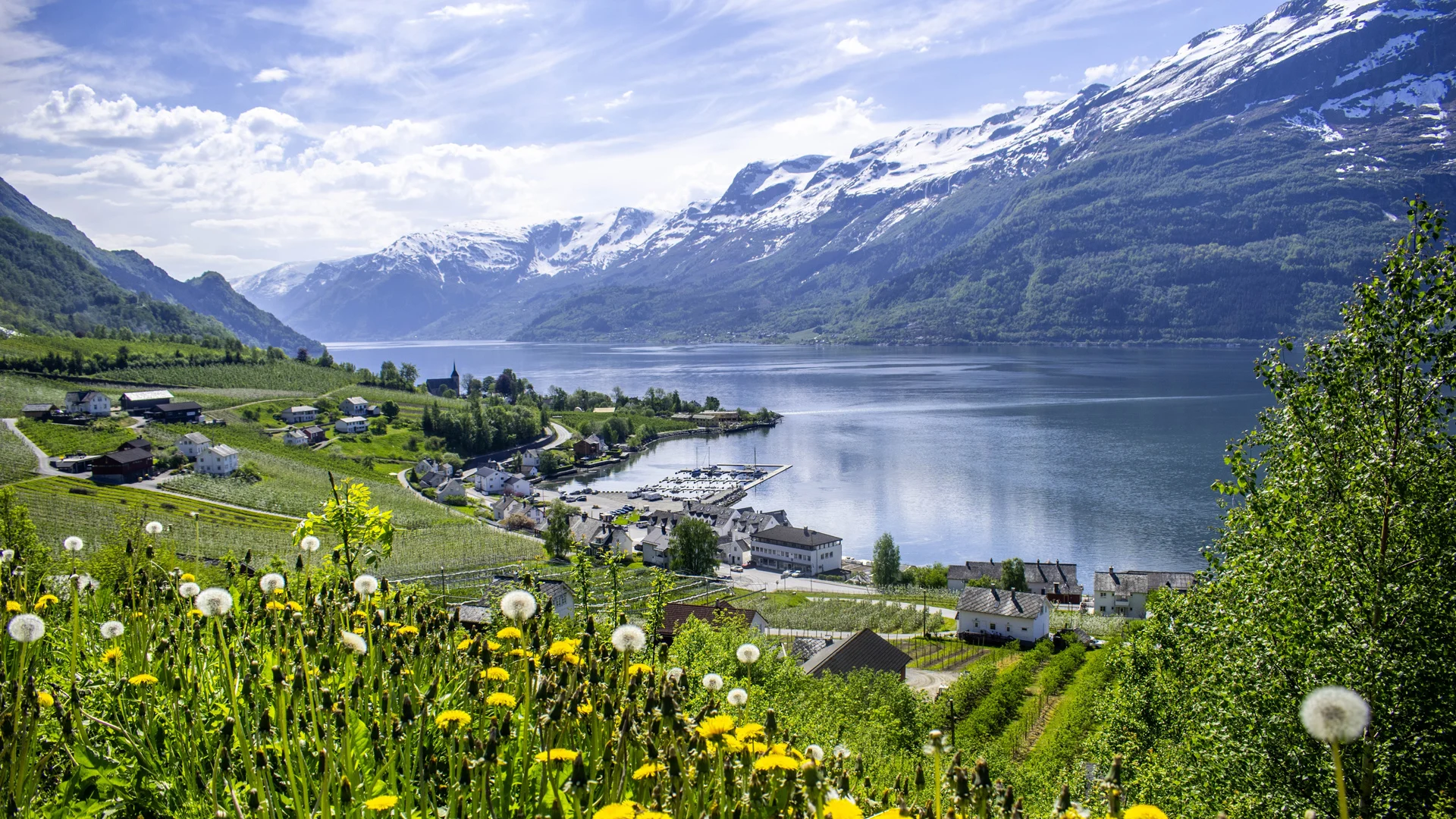
Located in south-western Norway, in Vestland county, Hardangerfjord is Norway’s second-longest fjord and the third longest in the world. Stretching 179km deep into the heart of the Hardanger region, this far-reaching waterway is framed by green slopes, epic waterfalls and frosted mountain peaks.
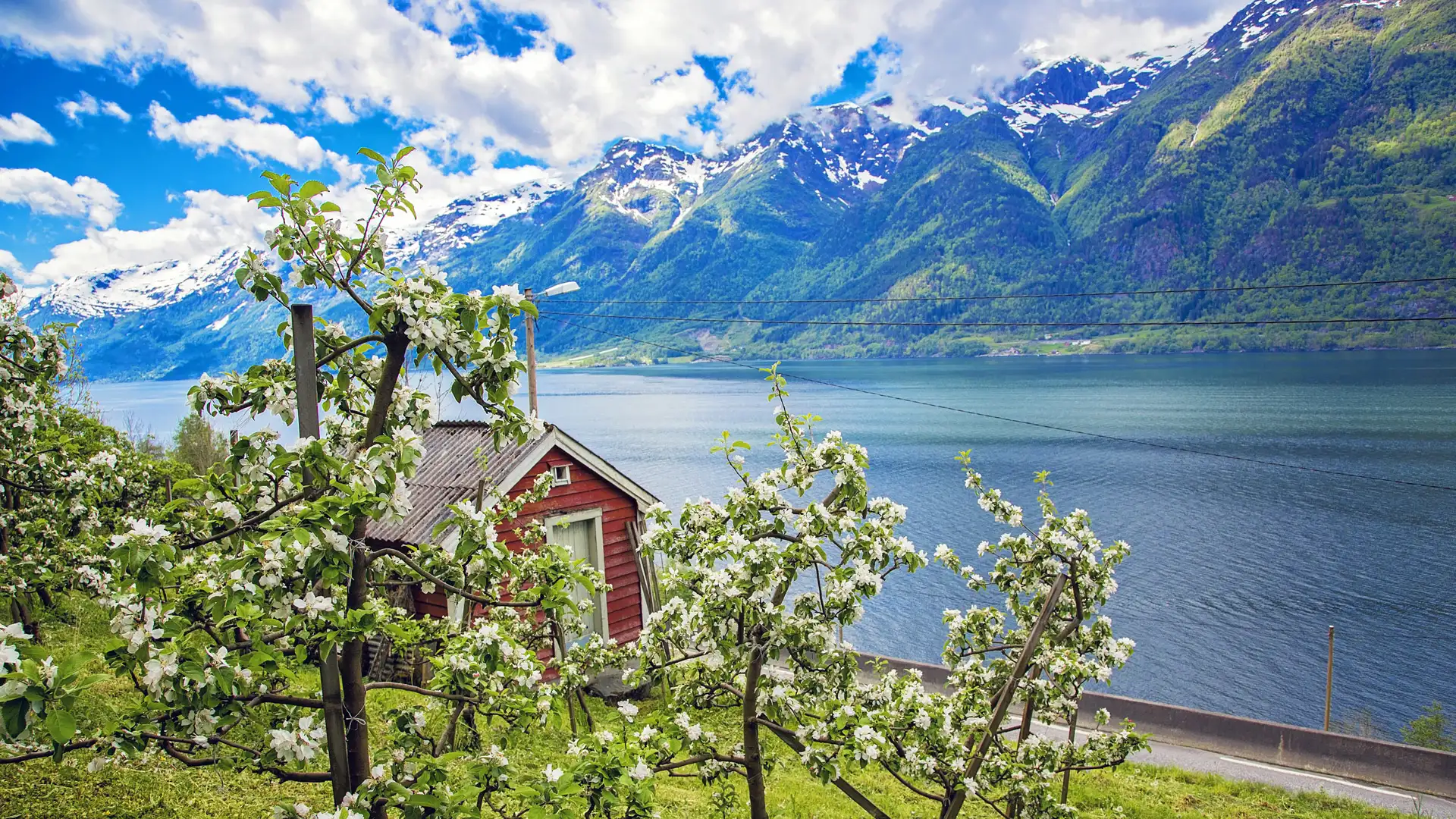
But there’s not only grand views on offer. This fjord is famous for its bucolic scenery, thanks to the many fruit orchards lining its shores. Hardangerfjord is the place to try locally made Norwegian cider, along with jams, baked goods and farm-fresh apples – this is Norway’s premier apple-growing region, after all.
Hardangerfjord branches into several narrow side fjords, each with its own character. Sørfjorden has fruit-growing villages while Eidfjorden is home to mountain plateaus and some of the area’s most dramatic viewpoints. Sørfjorden, a 38km-long side fjord, is best known for the Trolltunga – Troll's Tongue – hike up to an overhanging rock formation towering 700m above Ringedalsvatnet Lake.
Whether you hike, climb, kayak or taste your way around Hardangerfjord, the best way to get here is by water. Our fjord cruise, the Inner Fjords Explorer, sails deep into the fjord, calling at the tranquil village of Eidfjord, before heading to Sognefjord – the king to Hardangerfjord’s queen.
As with most of the Norwegian fjords, Hardangerfjord was created in the Ice Age by glaciers that forged deep valleys, leaving behind steep rock walls and a branching network of fjords. This glacial shaping is easiest to read in the fjord’s side arms, such as Sørfjorden and Eidfjorden, where the landscape narrows and mountains rise sharply from the water.
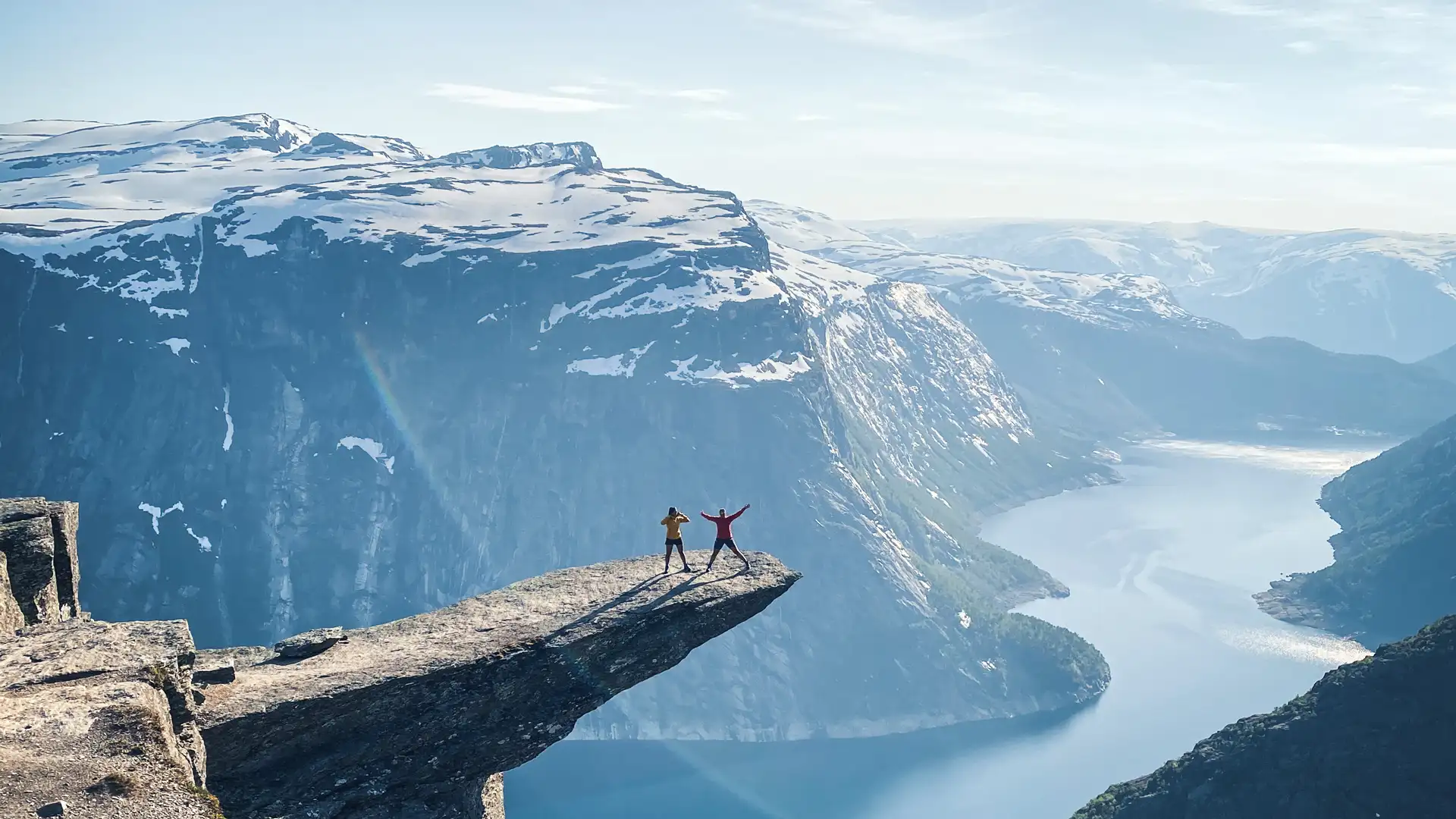
In Sørfjorden, glacial activity created one of Norway’s most famous attractions: the Trolltunga rock. During the last Ice Age, slow-moving rivers of ice ploughed through the mountains, leaving a narrow slab of hard rock jutting from the peak’s edge – the tongue-shaped ledge you see today. Or, as Norwegian folklore tells it, a mischievous troll was turned to stone by the sun’s rays. We know which origin story we prefer.
Folgefonna glacier sits nearby, feeding rivers that cut through valleys and spill into the fjord as waterfalls. In the wider Hardanger area, this includes famous falls such as Vøringsfossen (near Eidfjord) and Låtefossen (near Odda). Both offer spectacular views.
Hardangerfjord’s human history has also been influenced by nature. For centuries, the fjord was the main route between Viking settlements, supporting fishing, trade and travel along the shoreline. In the more sheltered inner reaches, a favourable local climate helped fruit farming take hold, and Hardanger became known for its orchards – a tradition that still defines the region today.
From bucket-list hikes to cider tasting, these are our top activities in Hardangerfjord.
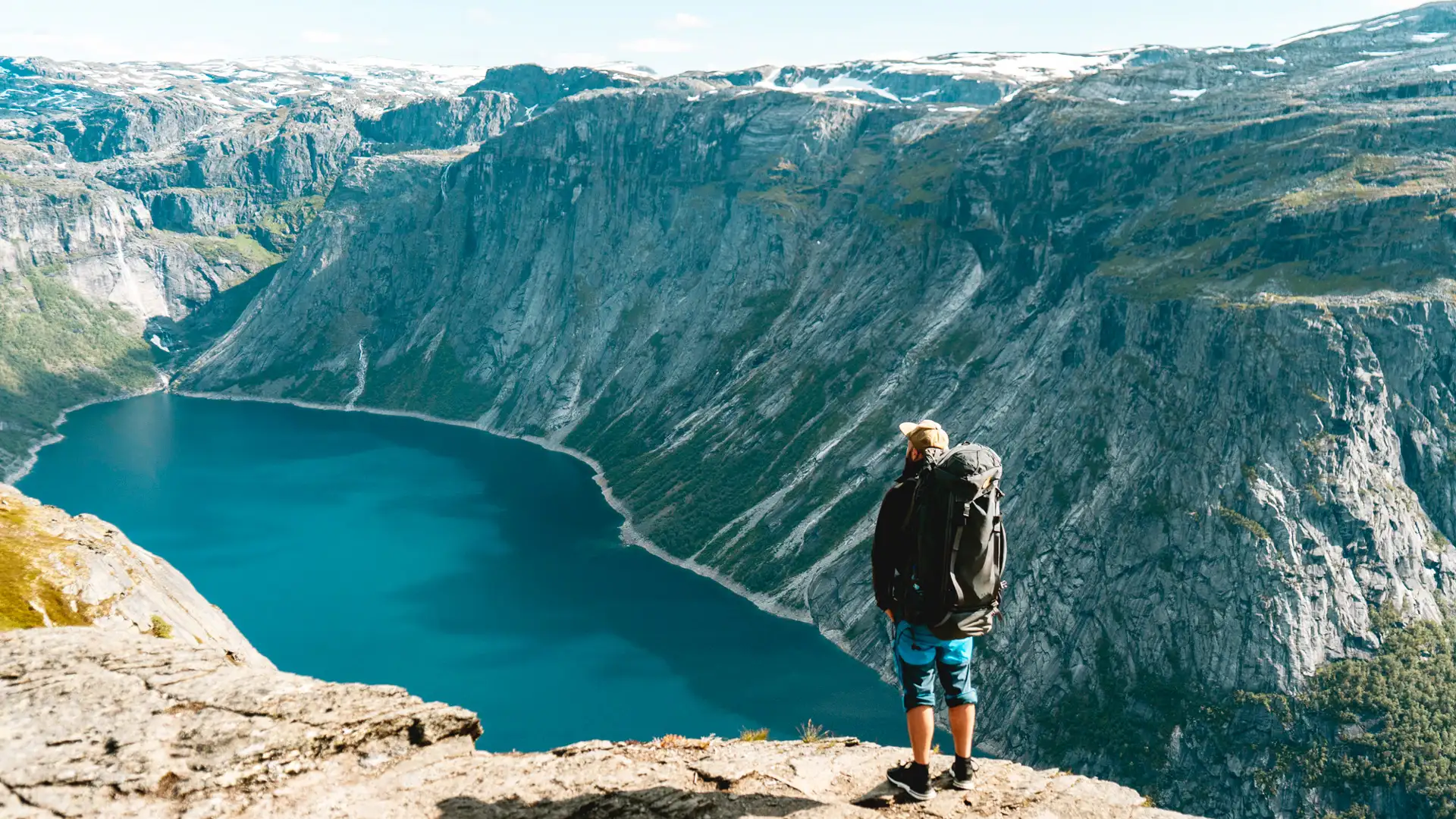
Imagine standing on the edge of a mountain, 700m above sparkling waters with views across the fjord. Trolltunga is one of our most awe-inspiring hikes – and it’s easy to see why. It’s a 27km round-trip from Skjeggedal on a well-marked trail, or you can start from Mågelitopp which reduces the distance to 20km, with less elevation gain too.
Although good fitness and proper outdoor clothing are needed, this hike is hugely rewarding. The trail passes by Tyssestrengene waterfall, an impressive sight with a freefall of 300m, before reaching the Trolltunga. It’s possible to stand on the rock platform, just be careful at the edge – and not because of mischievous trolls.
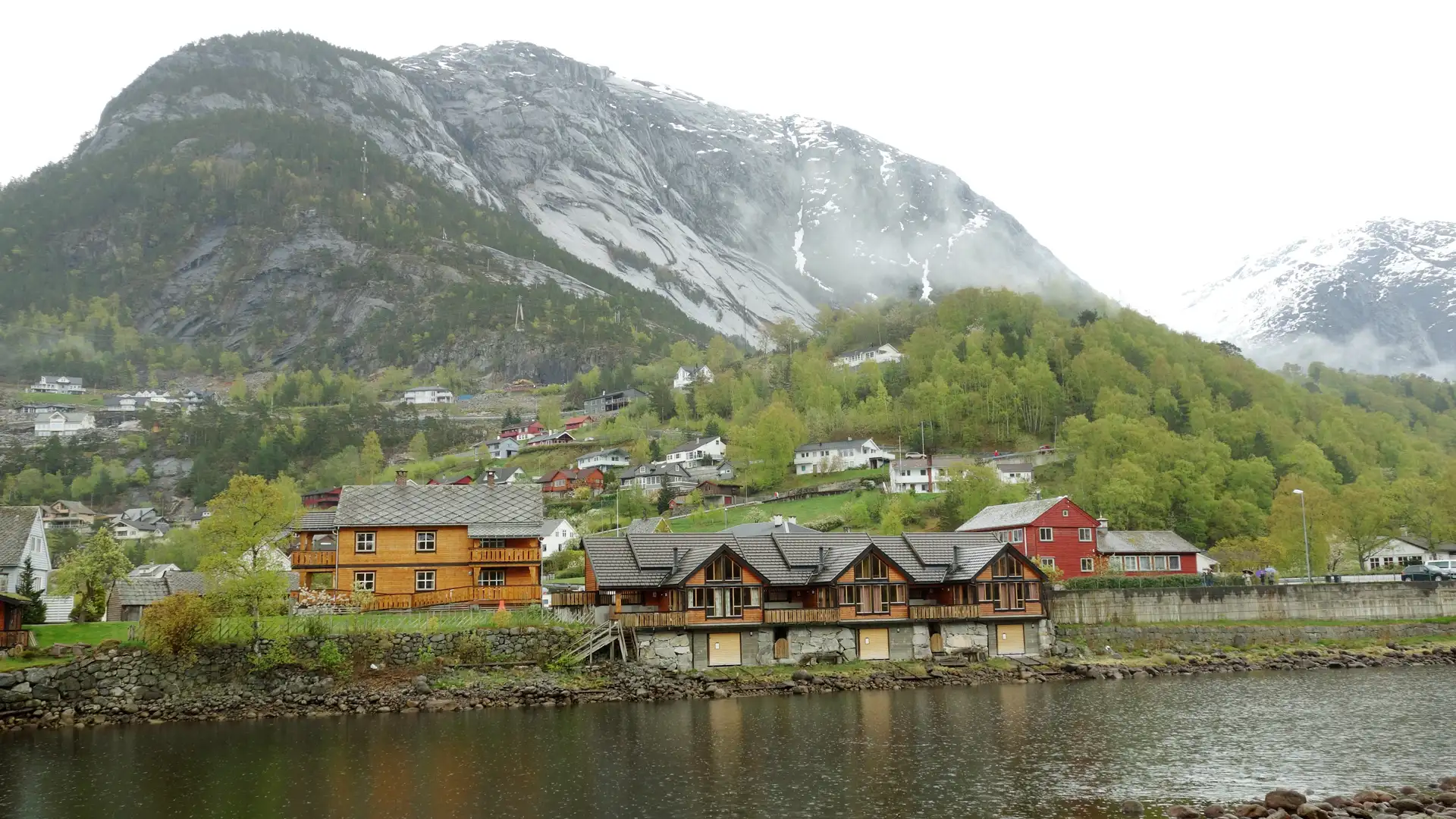
Grand landscapes and countryside charm come together in Eidfjord, a scenic village at the inner end of Hardangerfjord. It’s a gateway to the Hardangervidda, the largest mountain plateau in northern Europe, and a base for all types of fjord activities, from waterfall hikes to learning about folk traditions.
Up above the village sits Vøringsfossen, an impressive 182m-high waterfall, while Skytjefossen (another waterfall and one of Norway’s highest) is about 12km north in the Simadalen valley. After marvelling at nature’s wonders, learn about Norwegian fauna and flora at the Norway Natursenter – three floors of interactive exhibits and a modern cinema room showing immersive nature films.
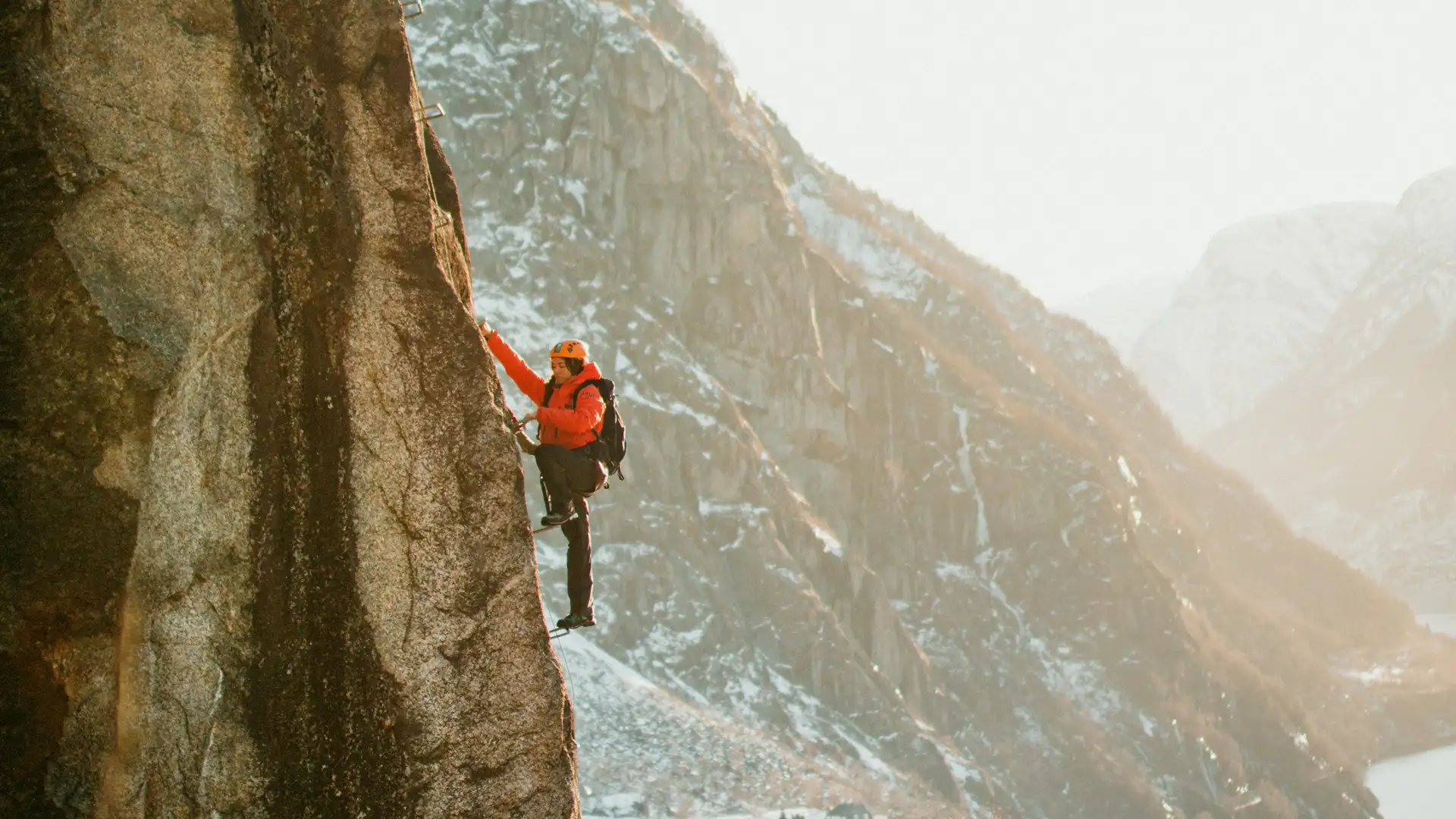
Get closer to the geology of the Hardangerfjord by scaling its peaks and even spending the night sleeping against the rockface. Via Ferrata is a style of assisted climbing, usually combined with hiking, where you scale a slope using permanent rungs, holds and ladders.
This region offers various Via Ferrata experiences, including the Tyssedal Via Ferrata which involves scaling the mountain alongside huge penstocks installed for the hydroelectric power station below, and the Trolltunga Via Ferrata. This exhilarating activity offers panoramic views of the fjord and the famous Trolltunga rock.

Seeing Hardangerfjord from the water allows you to appreciate every layer of the fjord’s landscapes, from azure waves and green valleys to granite-grey peaks. Whether you prefer the thrill of speeding across the waves on a RIB boat or the serenity of paddling along sheltered coves in a kayak, nothing beats getting out on the water.
But if you want to see more in less time, our Inner Fjords Explorer voyage sails to Hardangerfjord in spring and autumn as part of our itinerary across the Western Fjords. We call at Rosendal, where you can visit Folgefonn Centre (the official visitor centre for Folgefonna National Park), and Eidfjord. On your voyage, there’s even the potential for scenic cruising down the arm of Sørfjord too.
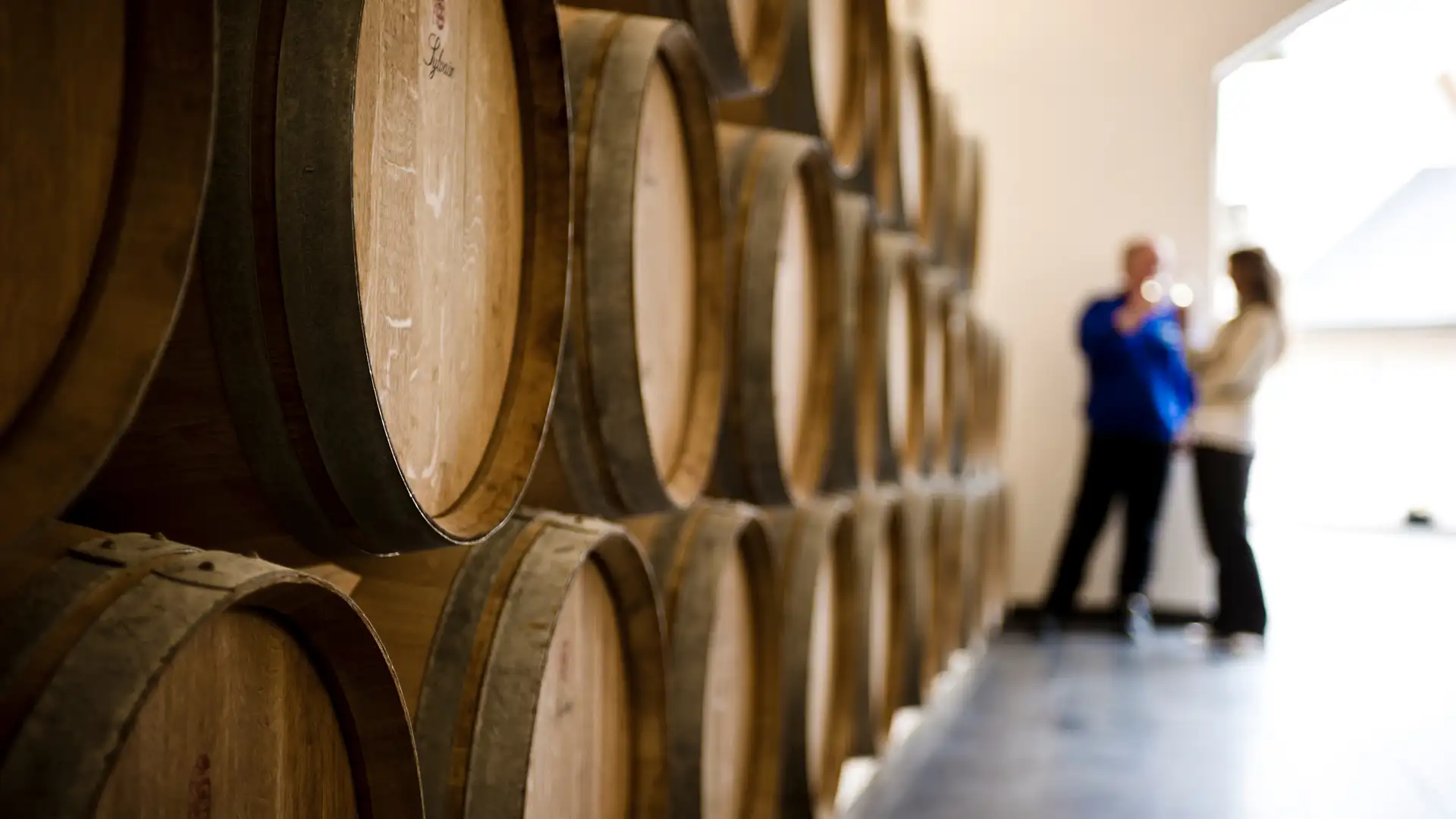
Where better to try Norwegian cider than in the region it was made? For centuries, Hardangerfjord has been the hub of fruit growing in Norway. All kinds of orchard fruits are grown here, including cherries, pears and plums, but apples are the speciality.
Around the fjord you’ll see orchards offering cider and apple juice tasting, as well as selling fresh fruit and other delicious treats, such as apple pie and jams. Visit a local fruit farm to learn about traditional growing methods and sample cider made from apples grown metres away. We sail to Hardangerfjord in autumn – perfect timing for the apple harvest.
(Image Credit: VisitNorway.com)
From apple blossoms to harvest produce, each season brings different scenery and activities to enjoy.
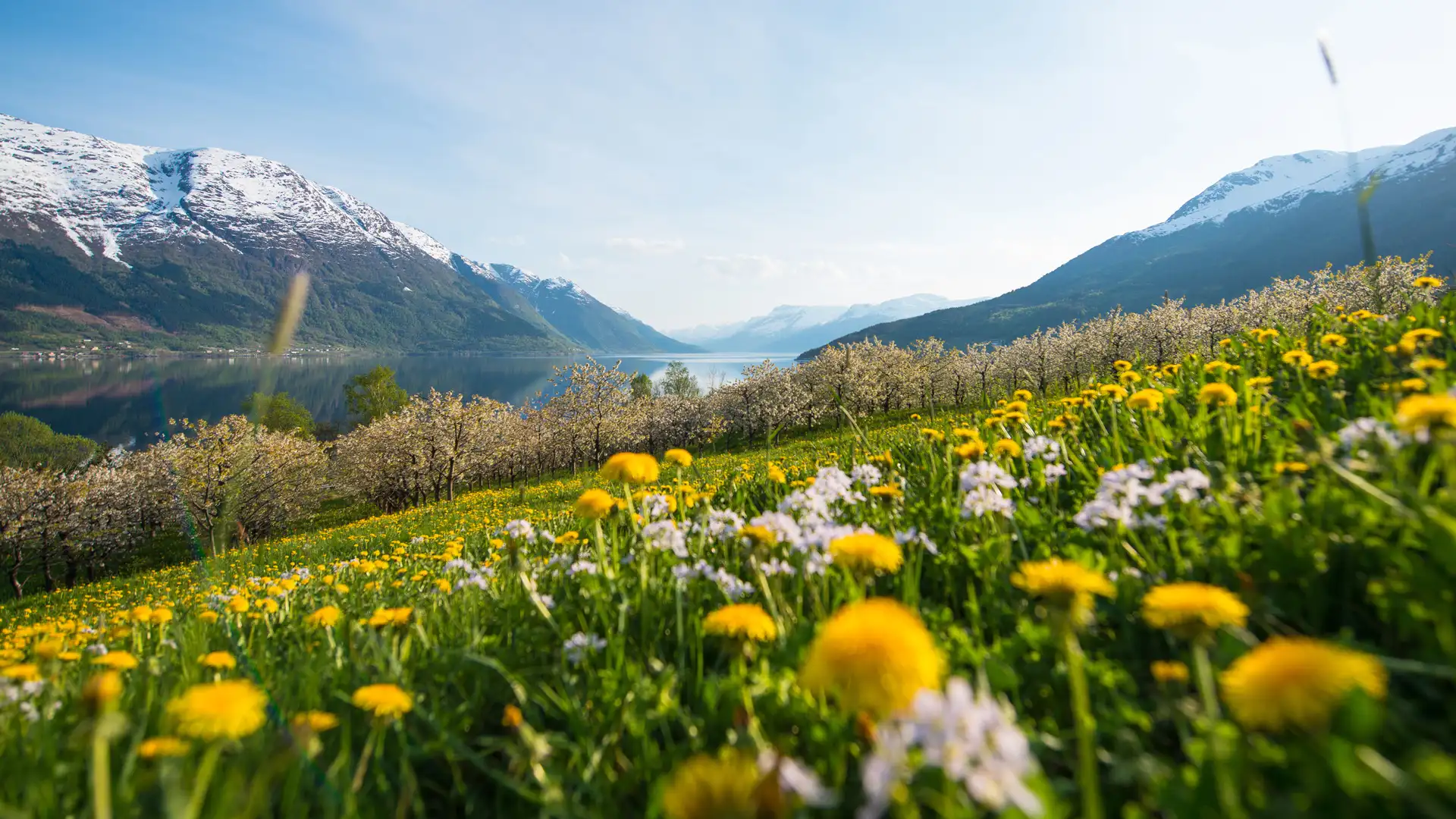
Spring is less busy than the summer months and brings fresh air, new greenery and flower blossoms. This is a great time for daytime exploring, hiking to waterfalls and enjoying the peaceful atmosphere. Experience springtime on our Inner Fjords Explorer cruise, with sailings in April and May.
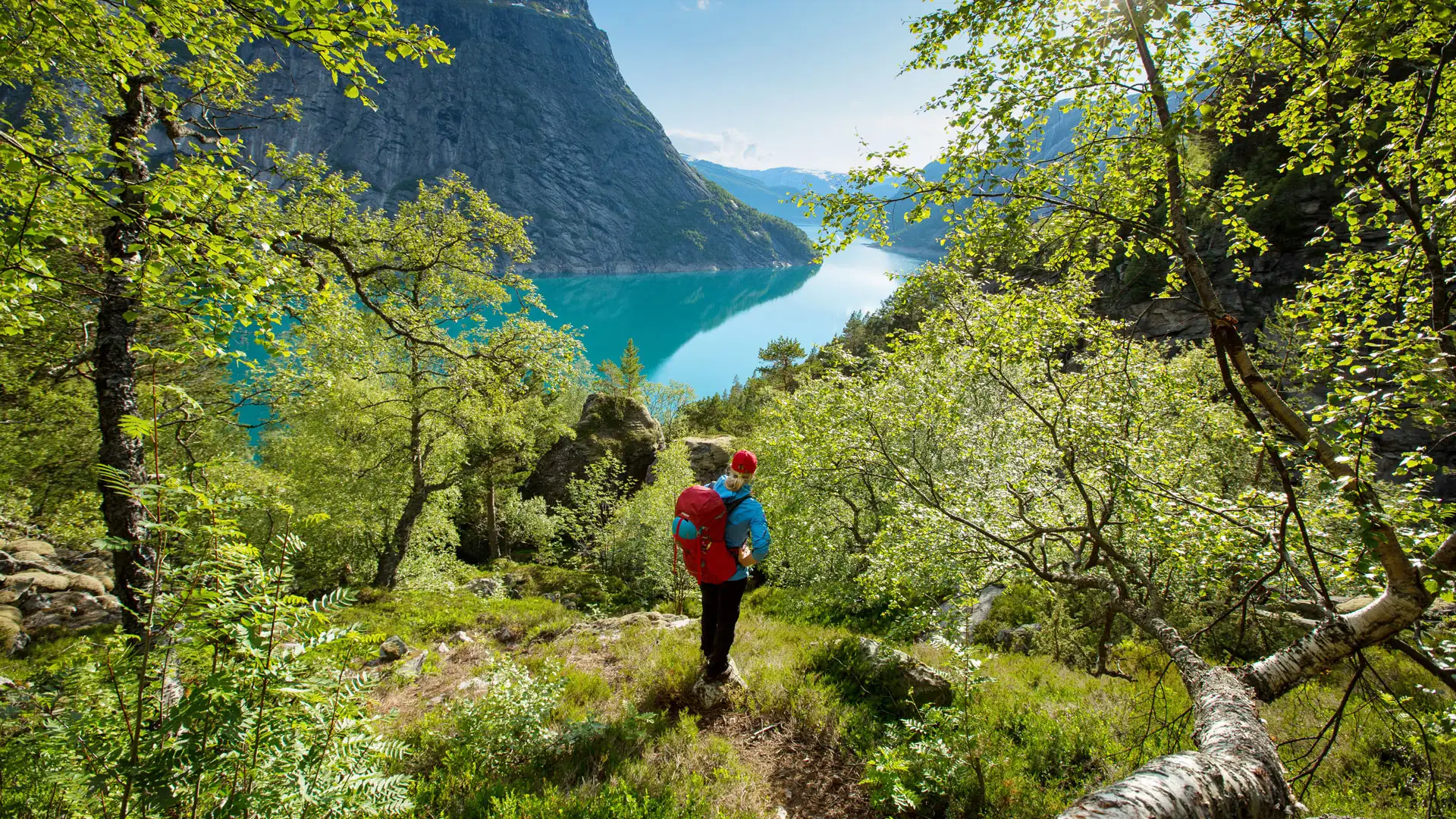
Summer means more reliable weather for outdoor activities but it’s also peak tourist season. Enjoy hiking, kayaking and Via Ferrata climbs with more hours of daylight – around 18-20 sunlight hours in high summer – and warmer temperatures too. Plus, orchards growing cherries will be harvesting the ruby-red fruits.
(Image Credit: VisitNorway.com)
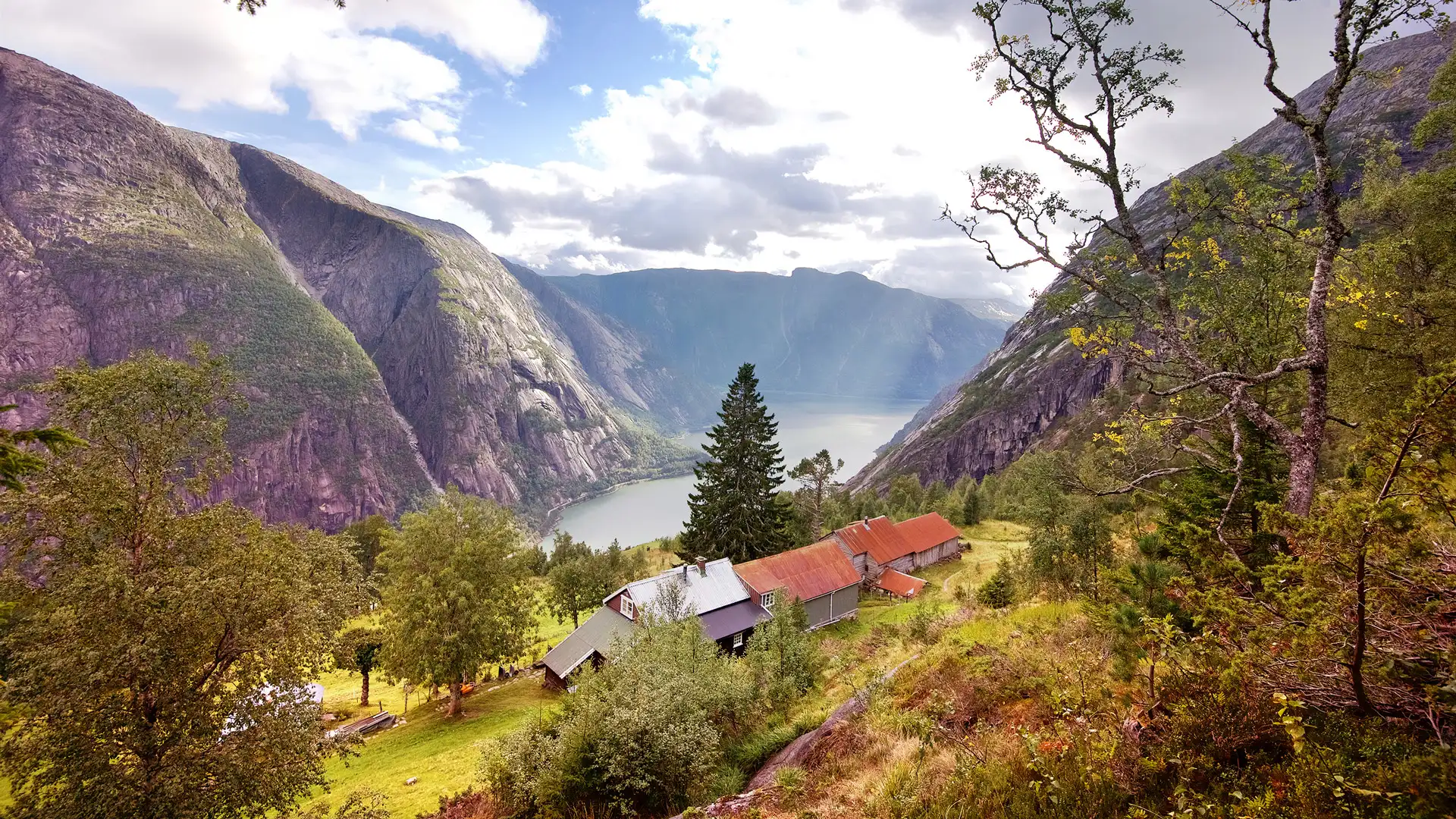
Expect cooler temperatures and golden light in autumn, with postcard-perfect colours from the leaves turning amber and red. It’s also harvest season for many apple orchards, meaning plenty of fresh fruit and tasty baked goods. Our Inner Fjords Explorer itinerary sails to Hardangerfjord in September, showing you the best of autumn before winter arrives.
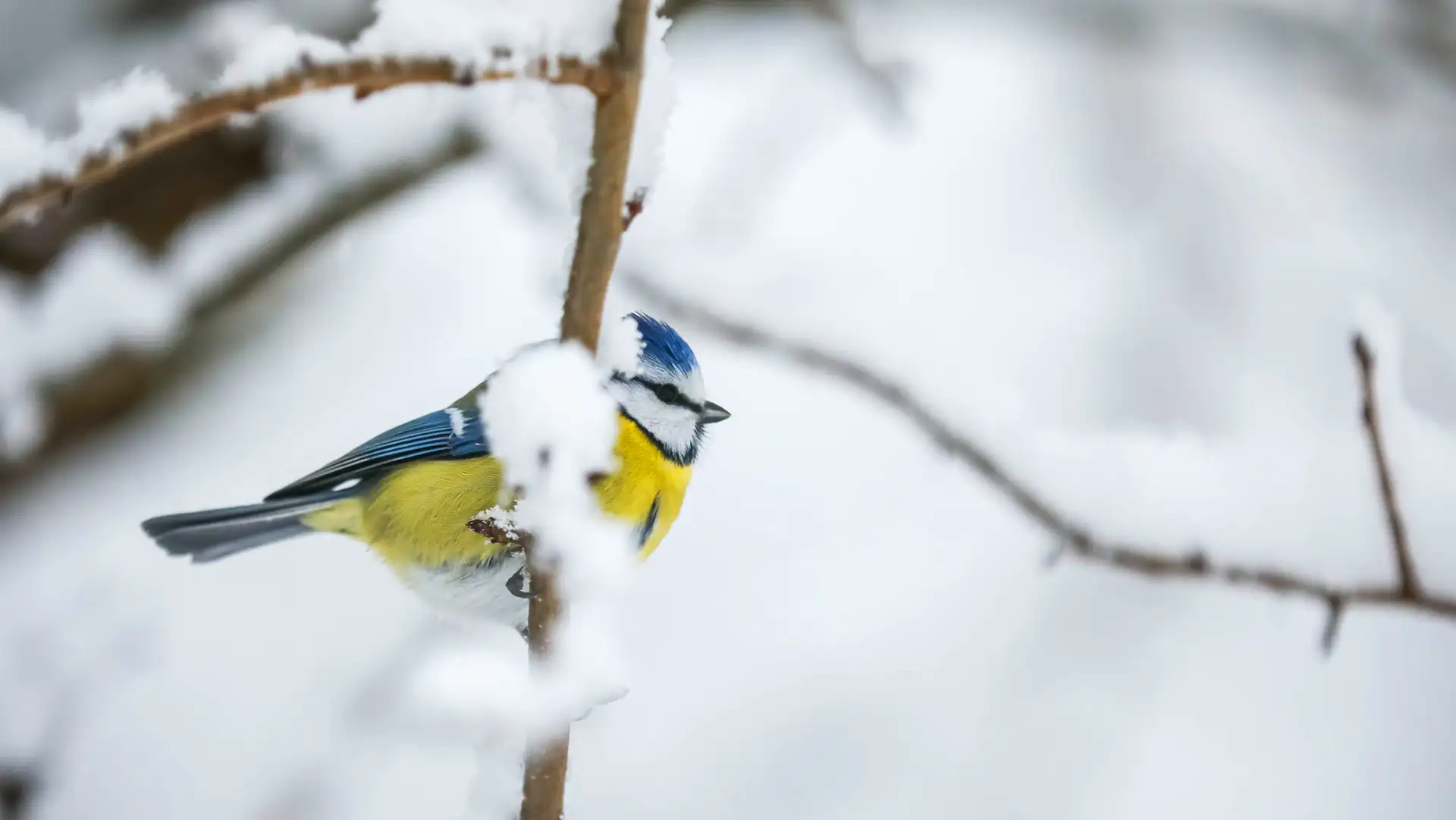
The winter months bring colder weather and snow to some of the fjord’s peaks. Expect temperatures from -5°C to 5°C and changeable conditions. Life in the fjord will be quiet and tranquil with some businesses closed for the season, but the scenery is spectacular – think snow-capped mountains and icy inlets.
Yes. Hardangerfjord is one of Norway’s standout fjord regions, with dramatic scenery, charming villages and some of the country’s highest waterfalls. In spring and early summer, blossom season in the orchards is a real highlight.
Most travellers go via Bergen, then continue by road and ferry into the fjord region. Common gateways include Voss, Norheimsund, Eidfjord and Odda. For an all-in-one adventure, consider our Inner Fjords Explorer cruise which sails from Bergen into Hardangerfjord and several other iconic fjords.
Expect classic fjord scenery: steep mountains, waterfalls and small settlements along the shoreline. Our fjord cruise to Hardangerfjord sails in spring and autumn, so expect fresh greenery and flower blossoms or harvest fruit and orange-hued trees, depending on which season you choose.
Like much of Norway, weather can be changeable year-round. Summer is usually mild, while spring and autumn can be cool with a mix of sun and showers. Winter is colder, especially at higher elevations. Read our packing guide for advice on what to bring for each season.
Two to three days is ideal for the main highlights without rushing, but you can still appreciate the region’s natural beauty in one day. We spend 6-8 hours in Eidfjord on our Inner Fjords Explorer itinerary, as well as the time spent sailing in and out of the fjord.
Trolltunga is a challenging, full-day hike and is best suited to experienced hikers who are comfortable with long distances and changing mountain conditions. The route is long and exposed in places, with steep sections.
Most people should allow around 10 to 12 hours for the round trip, depending on pace, conditions and how busy the trail is. Regardless of your fitness level, consider going with a local guide and always check the latest safety advice before setting out.

Only 100 metres wide at its narrowest point, this deep-blue fjord is one of Norway's most majestic.

The “King of the Fjords” is our longest and deepest. Visit its UNESCO-listed arm, Nærøyfjord, experience local village life, or ride the spectacular Flåm Railway through the mountains.

A fjord surrounded by soaring mountain peaks and far from the crowds, it’s no wonder this dramatic fjord is a national treasure.
Receive special offers, exciting new itineraries and fascinating articles delivered straight to your inbox.