Lighthouses in Norway
Hundreds of lighthouses and navigational lights dot the Norwegian coastline, where they’ve been guiding sailors and navigators to safety for centuries.
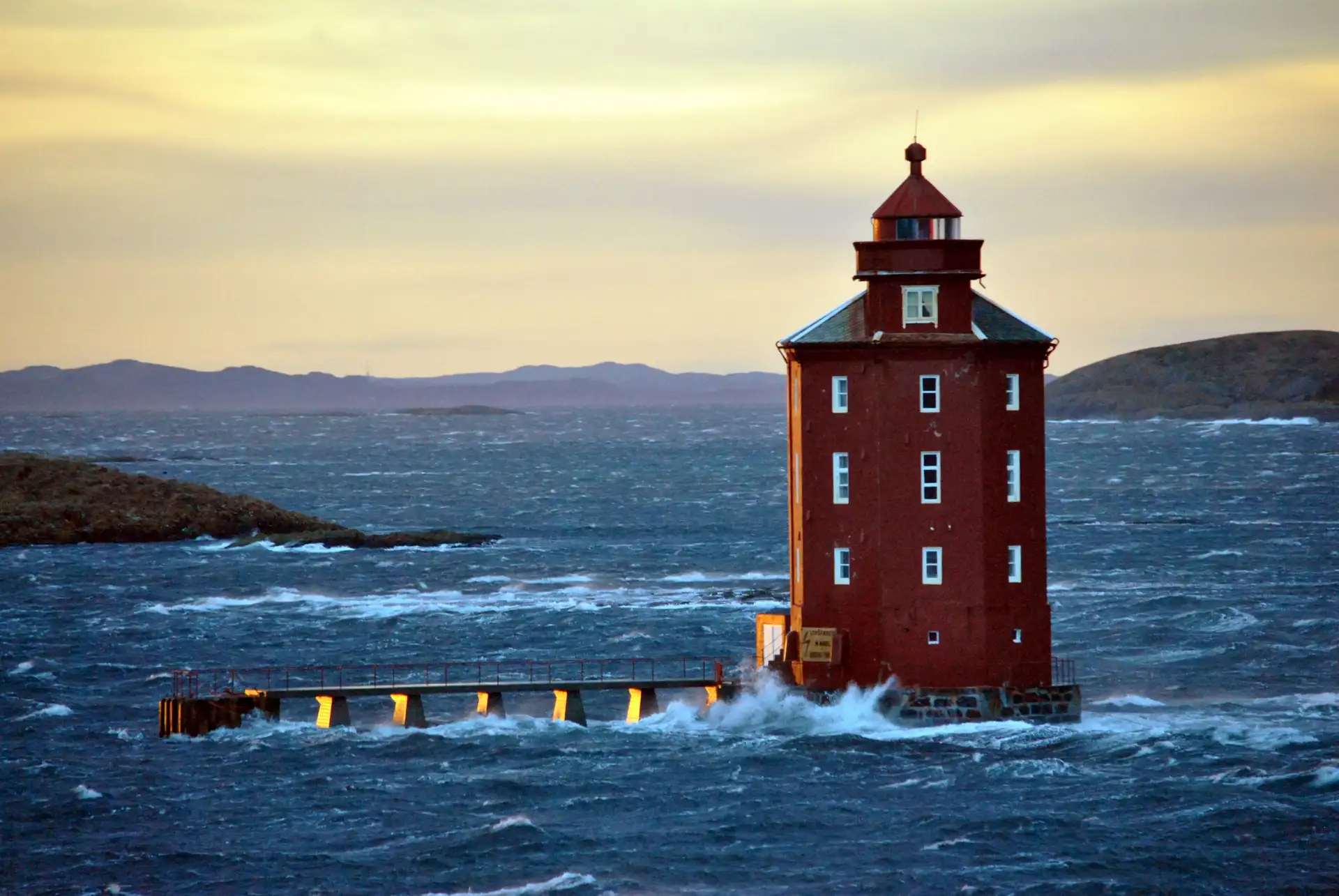
The humble lighthouse, or fyr, is an iconic symbol of Norway’s coast. Norwegian lighthouses come in all shapes and sizes and are a common sight along our coastline, the second longest in the world.
Modern GPS and navigational systems mean lighthouses are less essential than they once were. But the often-temperamental weather in the North and Barents seas ensures that over 100 lighthouse stations have to remain functioning along Norway’s shores, in addition to hundreds of other navigational lights. Lucky for us they do, considering we sail up and down Norway’s coast every day of the year.
When sailing on a Hurtigruten ship, there are few more traditional and reassuring sights than seeing a beacon of light shining through the sea fog. These useful structures bring Norway’s maritime history to life. Below, you can find out where the top lighthouses in Norway are, when they were erected and which ones can be easily visited.
Our guide to lighthouses in Norway
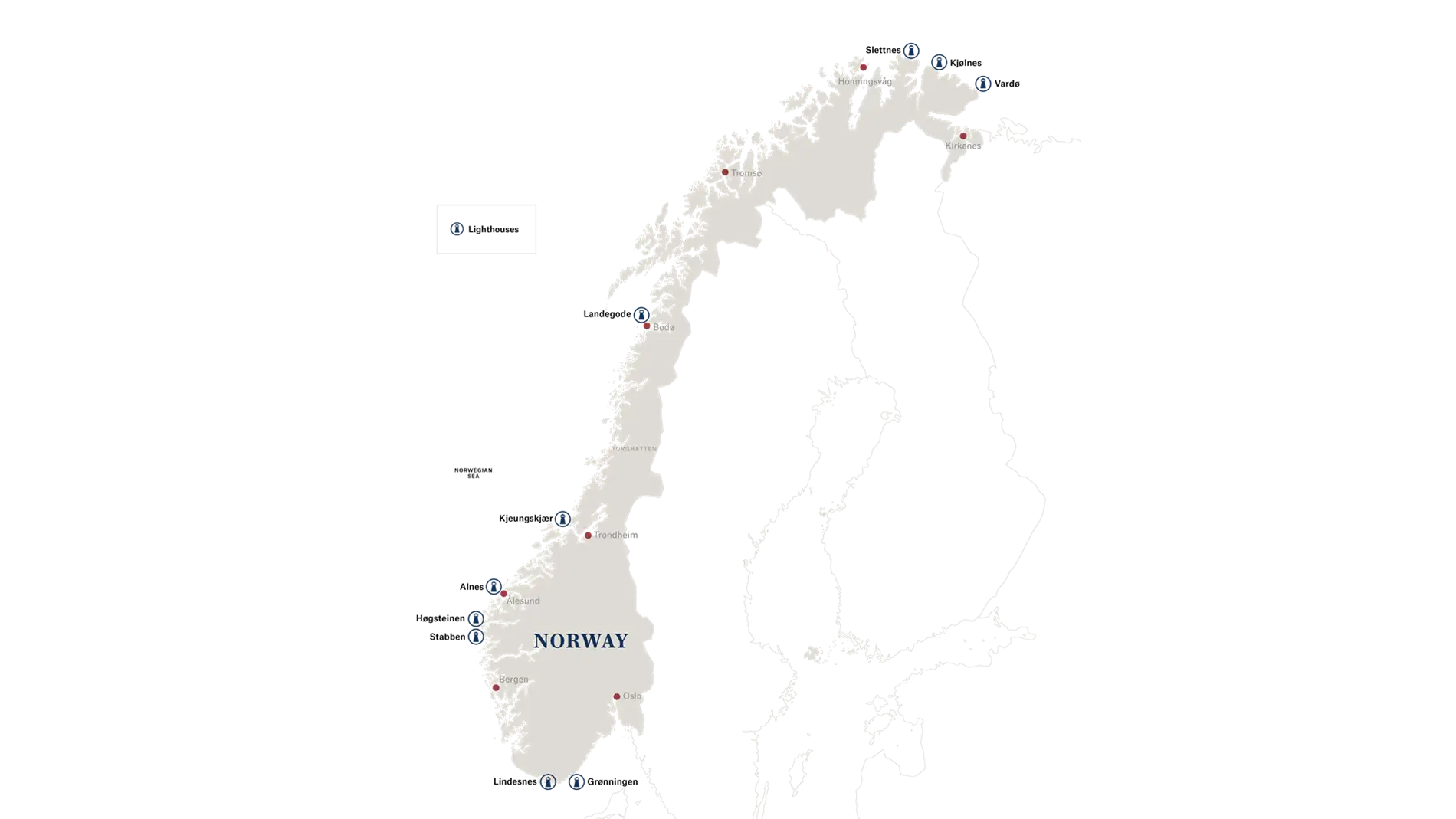
Discover some of Norway’s best lighthouses, from Agder in the south all the way to Finnmark in the north.
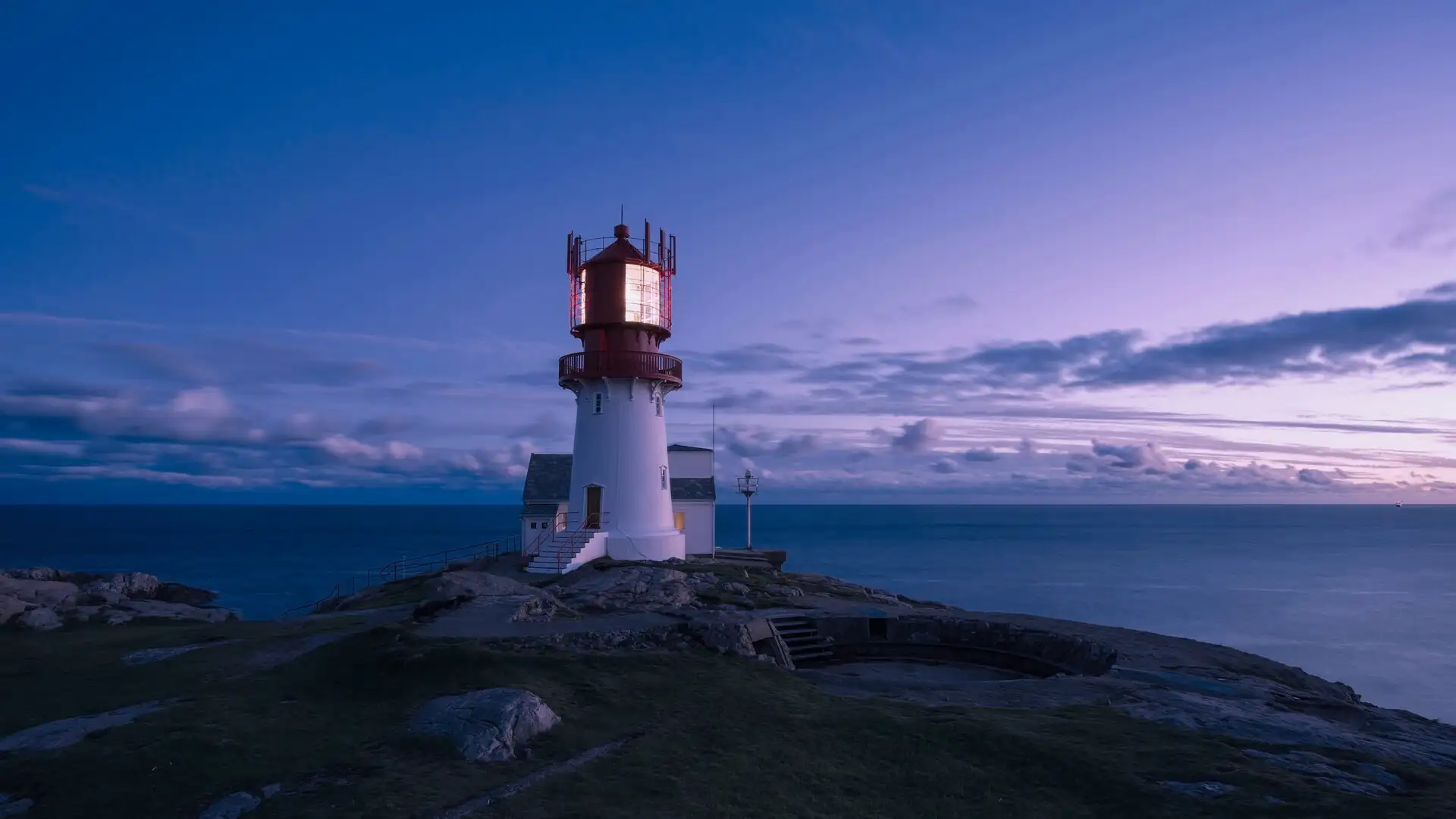
Lindesnes Fyr
Location: about 10km southwest of the village of Høllen in Agder
Closest port: Kristiansand
Erected: the present lighthouse was erected in 1915, but the station was first built in 1656
Height: 16.1m
This is Norway’s oldest lighthouse station and the country’s southernmost cape point. Lindesnes Fyr has long acted as an essential beacon for guiding ships through an important trade route between the North Sea and the Baltic countries. Today, the station is a protected cultural monument, and it houses a museum, cinema, gift shop and café, making it a popular (and accessible) tourist attraction.
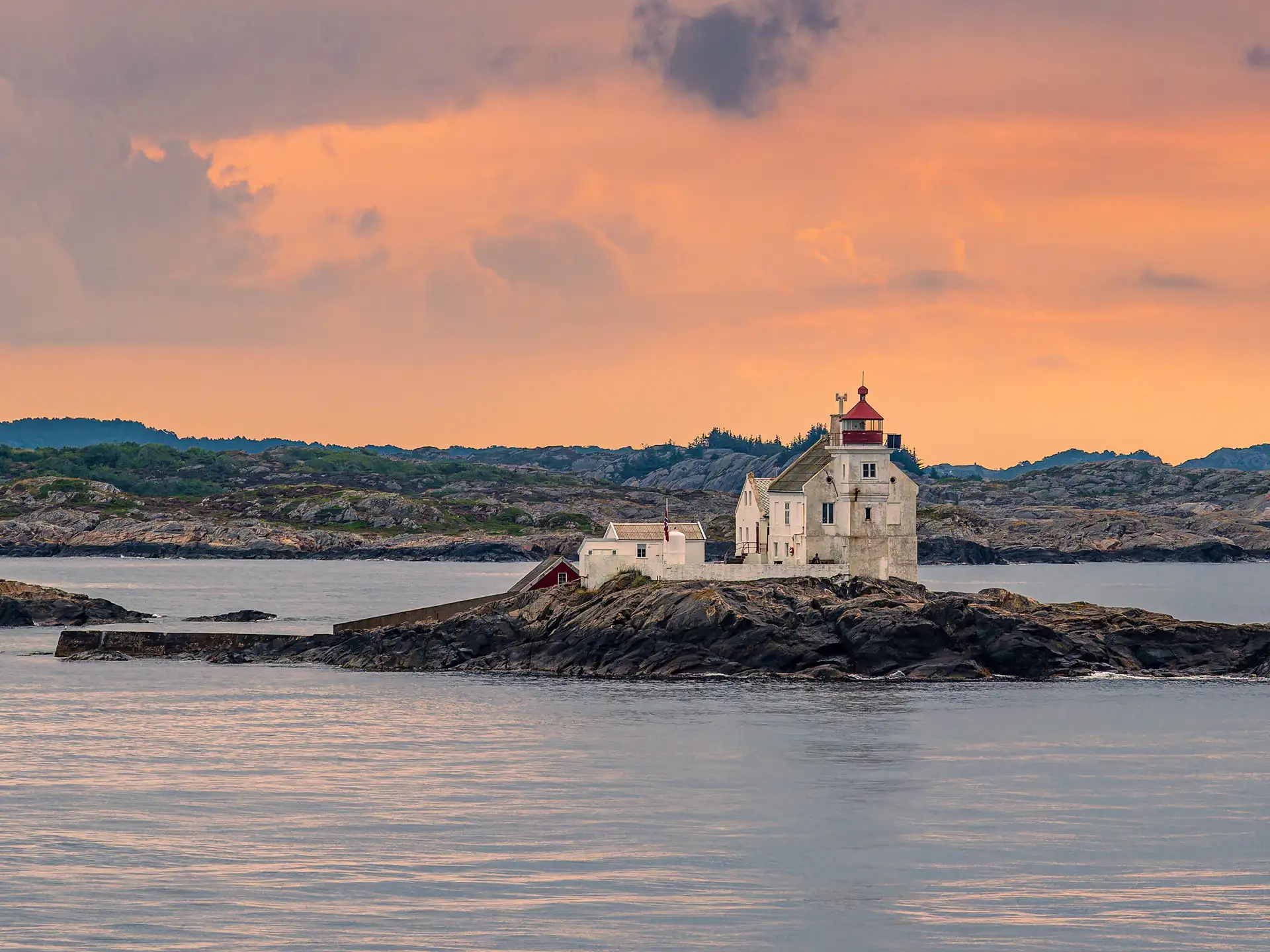
Grønningen Fyr
Location: on Grønningen islet in the Kristiansandsfjord, in Agder
Closest port: Kristiansand
Erected: 1878
Height: 18.8m
Located on a rocky islet, Grønningen Fyr was built to improve navigation and safety for ships entering Kristiansand harbour, particularly in poor visibility and rough seas. For centuries, this approach has been a key gateway linking southern Norway with continental Europe. Today, Grønningen Fyr is open to visitors and even functions as a seasonal hostel, offering guests a rare opportunity to stay overnight in a lighthouse station.
Stabben Fyr
Location: at sea near Florø in Vestland
Closest port: Florø
Erected: 1867
Height: 10m
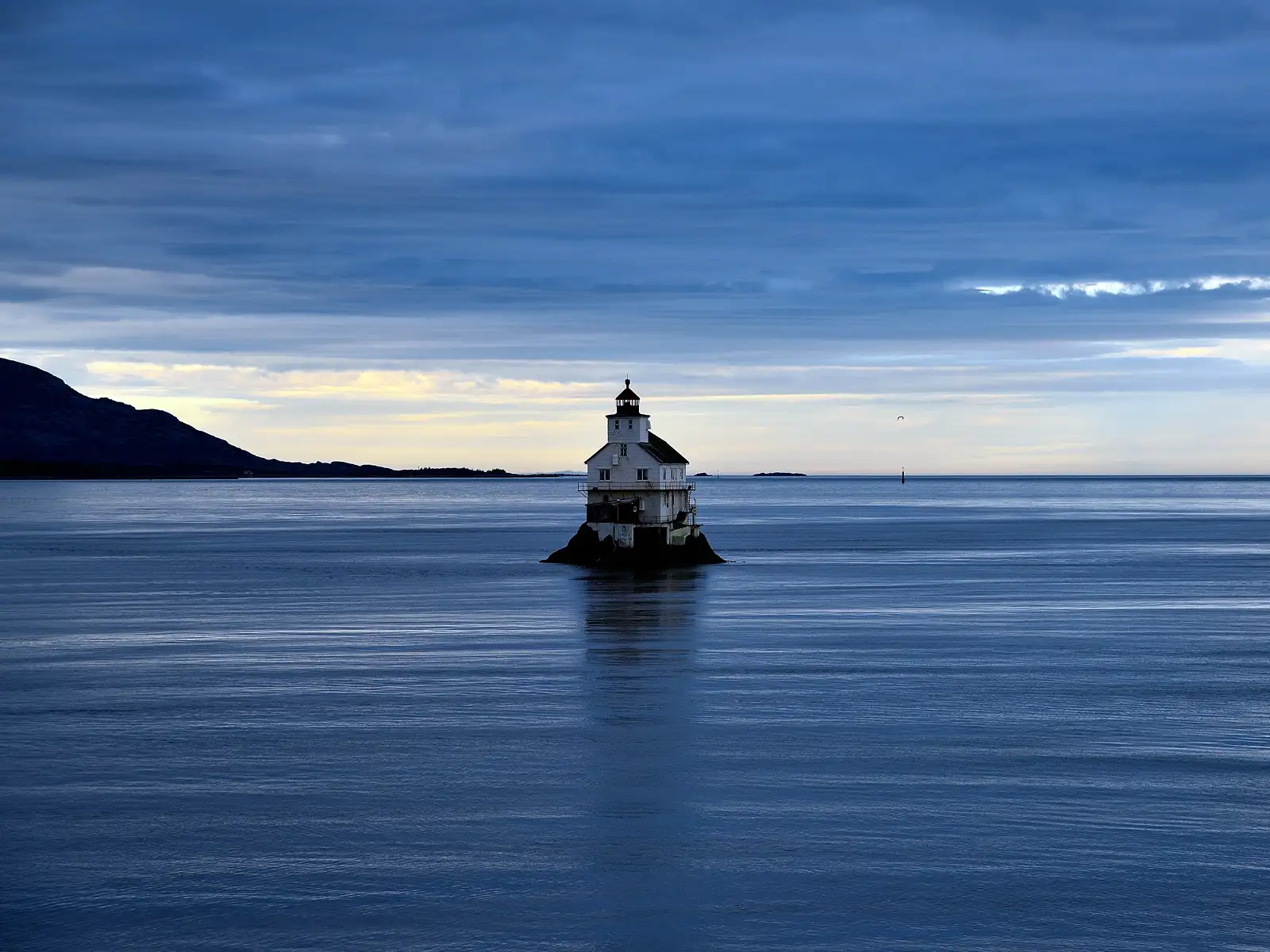
Stabben Fyr is one of Norway’s most recognisable lighthouse stations, built directly onto a tiny rock in the middle of the shipping lane into Florø. The lighthouse was built during the height of coastal trade, when dangerous currents and hidden skerries caused frequent shipwrecks. Its distinctive shape – where the tower rises directly from the keeper’s house – allows the entire station to fit onto the tiny skerry, giving the lighthouse its name, meaning ‘chopping block’.
Høgsteinen Fyr
Location: on Godøy island in Møre og Romsdal
Closest port: Ålesund
Erected: 1857
Height: 11m
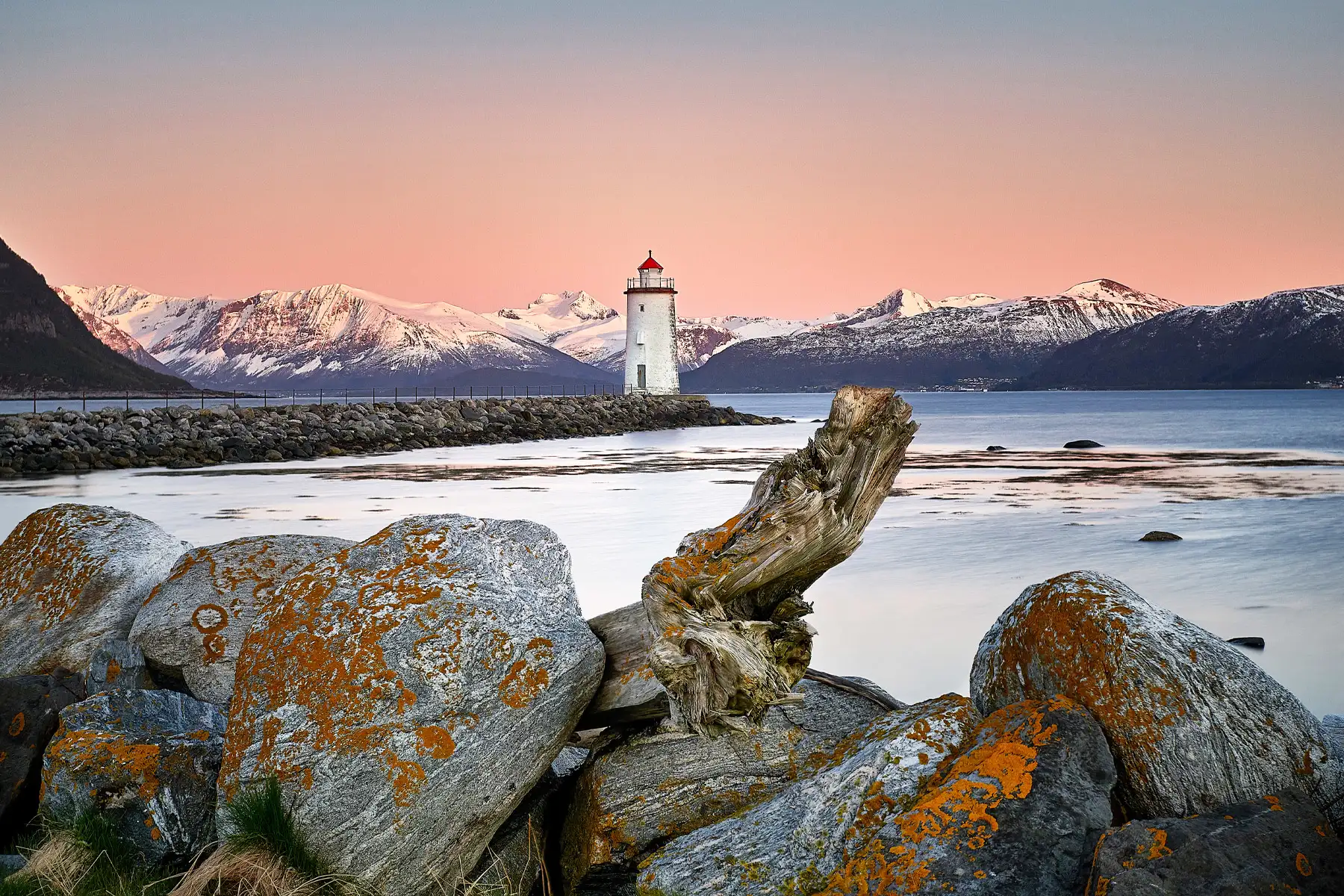
Høgsteinen Fyr sits on an exposed headland on the island of Godøy. It was constructed to guide ships through the busy Breisundet approach to Ålesund, a major hub for fishing and coastal trade. The lighthouse is now a protected cultural monument and is popular with photographers, thanks to its dramatic setting and sweeping views of the Sunnmøre Alps.
Alnes Fyr
Location: on Godøy island in Møre og Romsdal
Closest port: Ålesund
Erected: 1876
Height: 22.5m
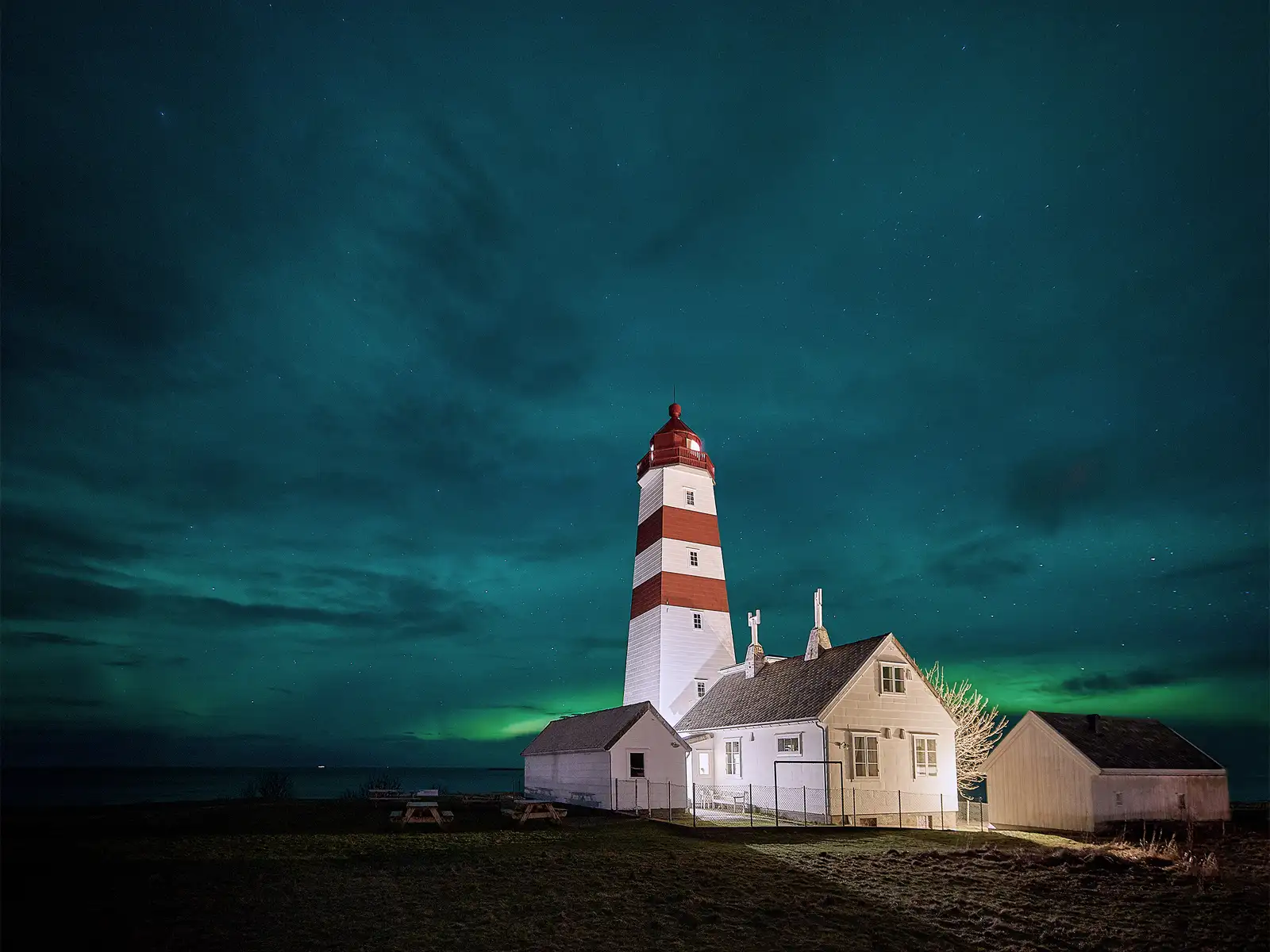
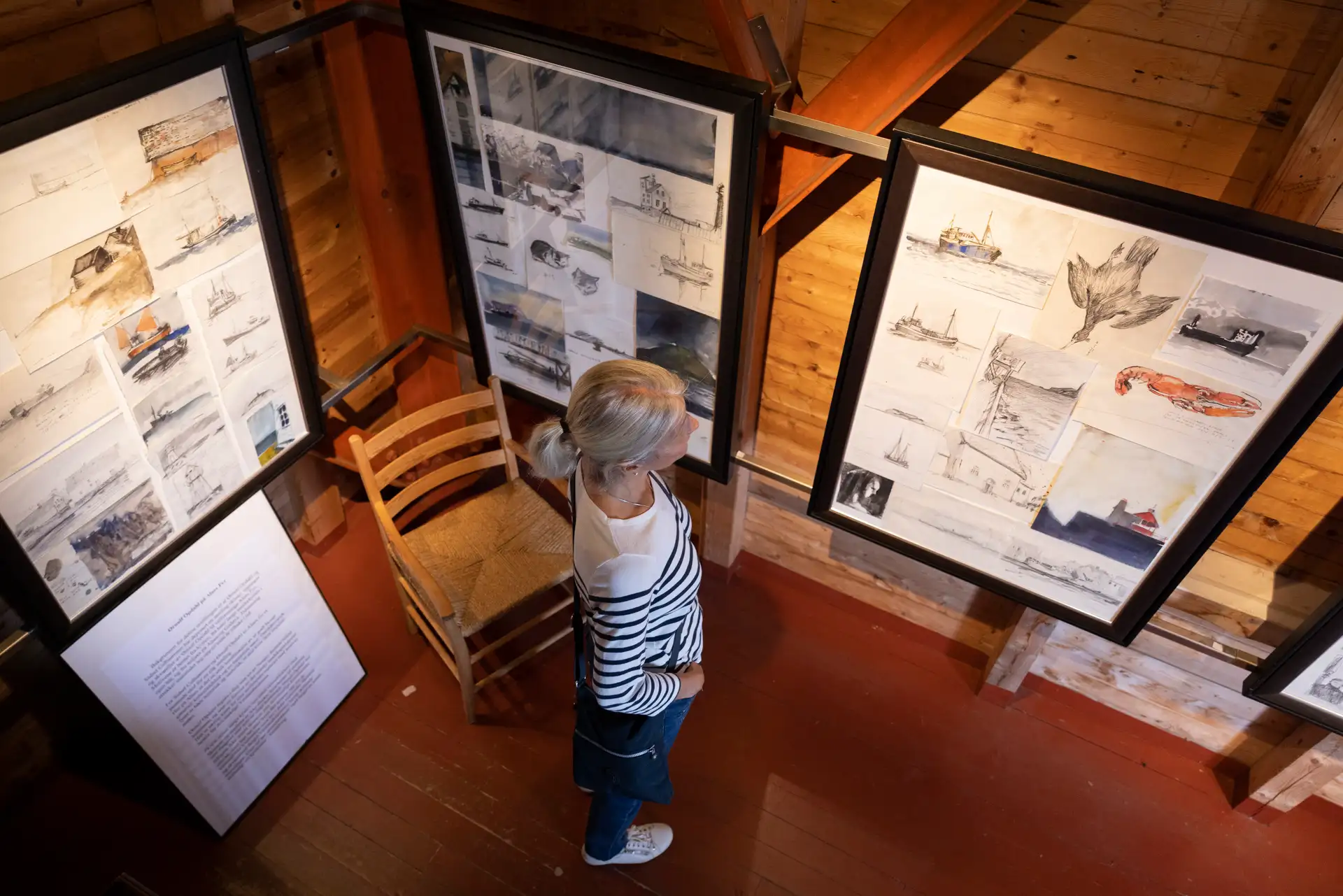
Alnes Fyr stands on a windswept headland overlooking the Norwegian Sea and was first established to help local fishermen safely return to the small village of Alnes. The distinctive white tower with red bands has become one of Norway’s most recognisable lighthouses and now doubles as a cultural centre, with art exhibitions, a café and a viewpoint inside the tower.
Kjeungskjær Fyr
Location: at the mouth of the Bjugnfjord in Trøndelag
Closest port: Trondheim
Erected: 1880
Height: 20.6m
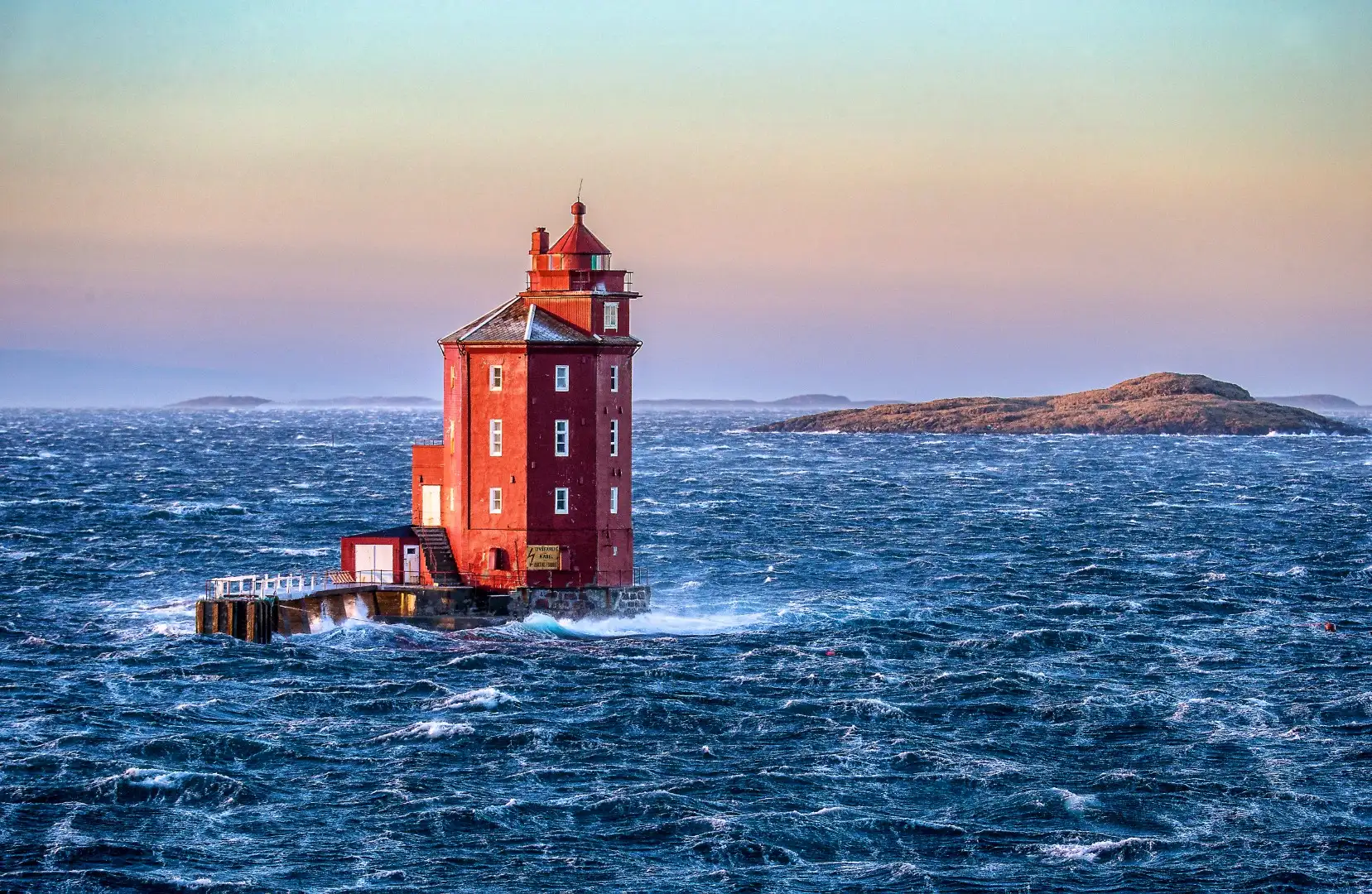
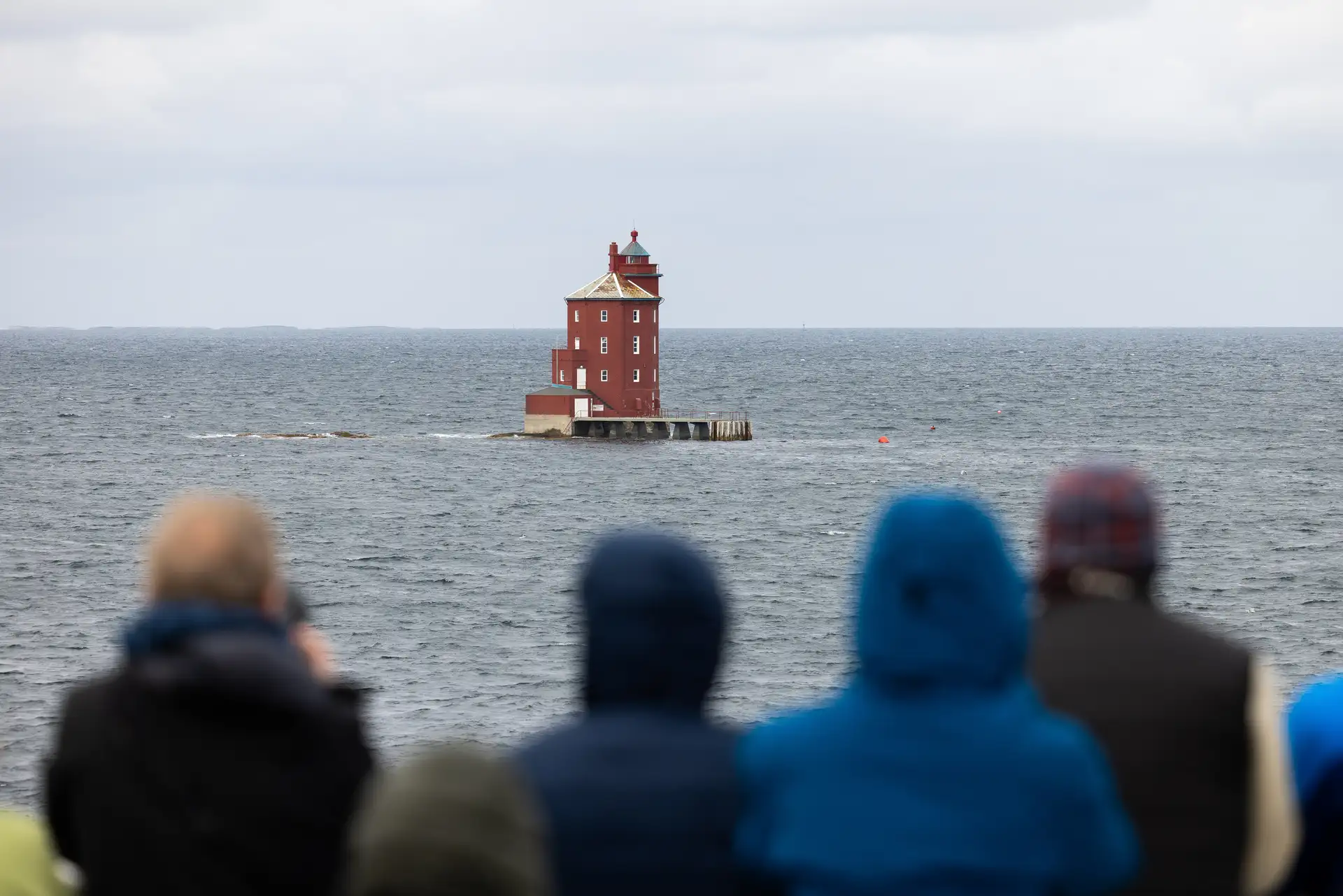
Kjeungskjær Fyr, which stands on a tiny skerry where Bjugnfjord meets the open sea, was built to guide ships through one of Central Norway’s busiest sailing routes. Its striking octagonal shape and deep red colour have led seafarers to call it “The Red Sailor”. Today it is protected as a cultural monument and is one of the most photographed lighthouses along the Norwegian coast.
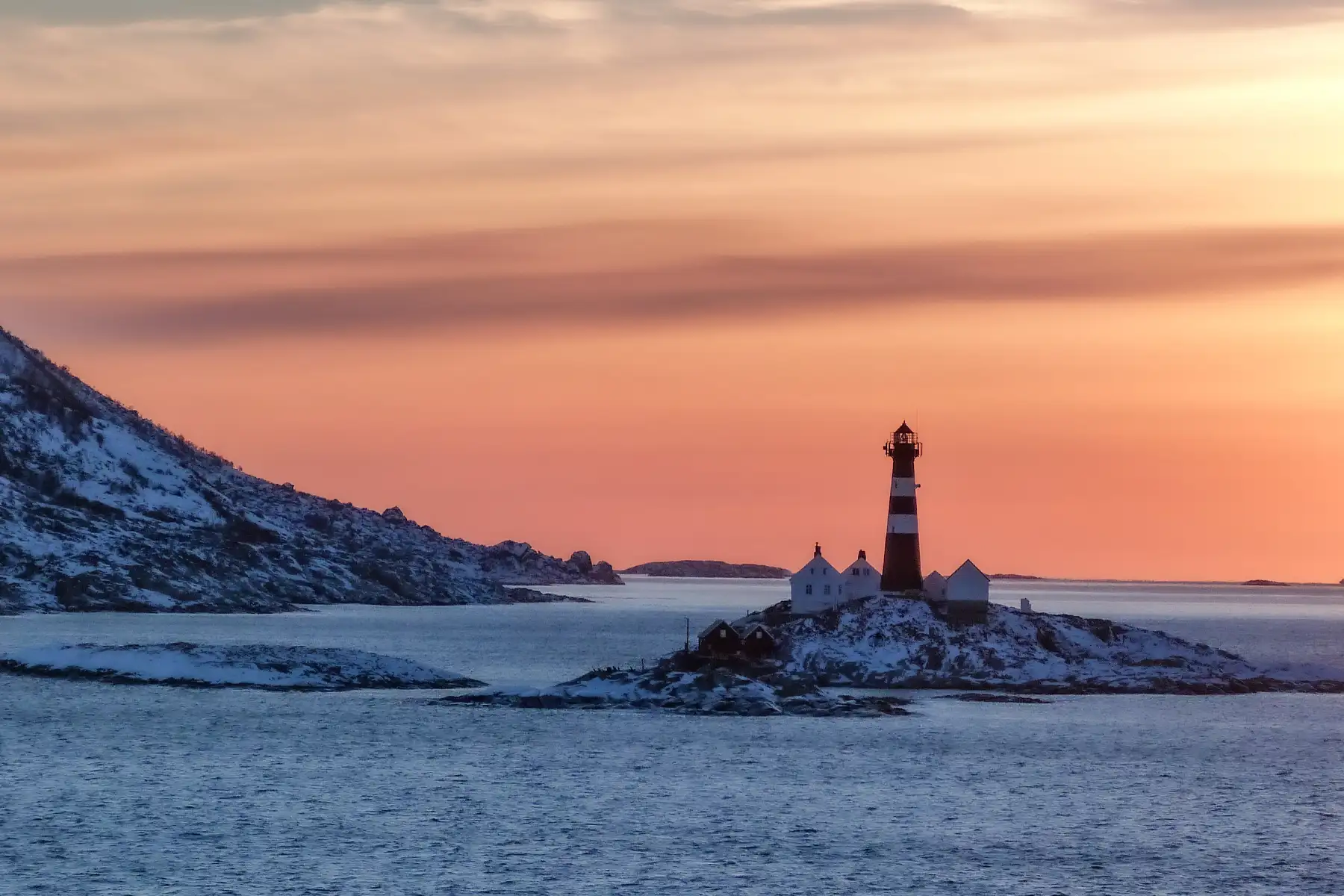
Landegode Fyr
Location: on Eggløysa, just north of Landegode, in Nordland
Closest port: Bodø
Erected: 1902
Height: 29m
Landegode Fyr was built to secure the important sea route into Bodø at the turn of the 20th century, when year-round shipping and the Hurtigruten service dramatically increased traffic along the Nordland coast. Its tall cast iron tower, painted red with white bands, ensures high visibility in Arctic conditions. This cultural heritage site is one of Northern Norway’s most powerful and recognisable coastal lights, standing watch over the Vestfjord.
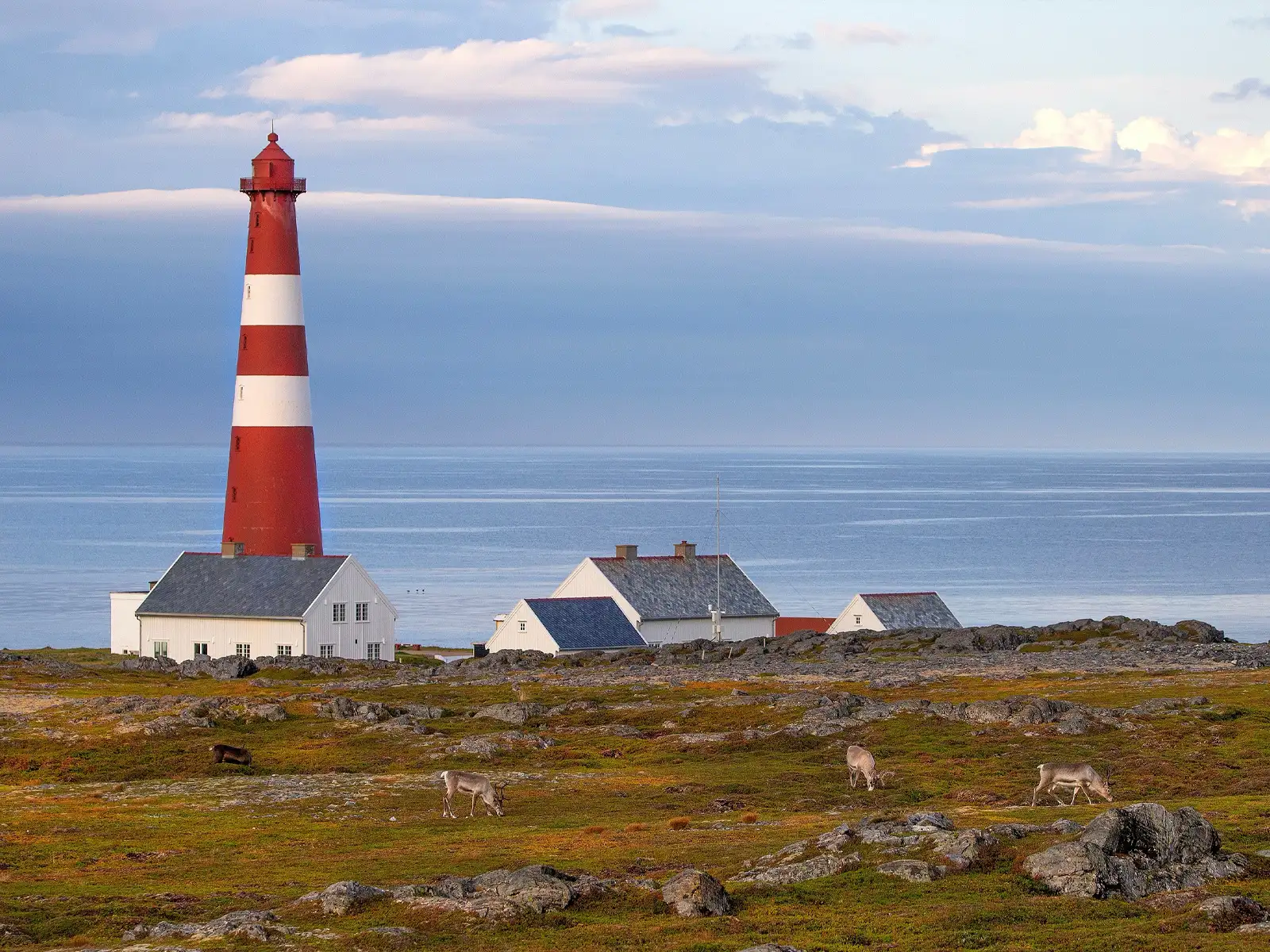
Slettnes Fyr
Location: on the northern coast of Finnmark’s Nordkinn Peninsula
Closest port: Mehamn
Erected: 1905
Height: 39m
Slettnes Fyr was built to safeguard ships sailing along the exposed Barents Sea coast and today stands as the world’s northernmost mainland lighthouse. Constructed in cast iron between 1903 and 1905, it endured heavy wartime damage when in 1944 German forces destroyed much of the station. Carefully rebuilt after the war, Slettnes Fyr was preserved as a cultural monument in 1998 and now acts as a historic guesthouse.

Kjølnes Fyr
Location: on the Varanger Peninsula in Finnmark
Closest port: Berlevåg
Erected: 1916
Height: 22m
Kjølnes Fyr was established to guide vessels safely past the exposed coastline east of Berlevåg, marking the approach from the Barents Sea. The original lighthouse, built in 1916, was destroyed during the German retreat in 1944. The rectangular structure you see today was rebuilt in concrete in 1949, based on designs by architects Gudolf Blakstad and Herman Munthe-Kaas. Like most lighthouses in Northern Norway, the beacon is not used during the summer months when the Midnight Sun phenomenon brings endless daylight.
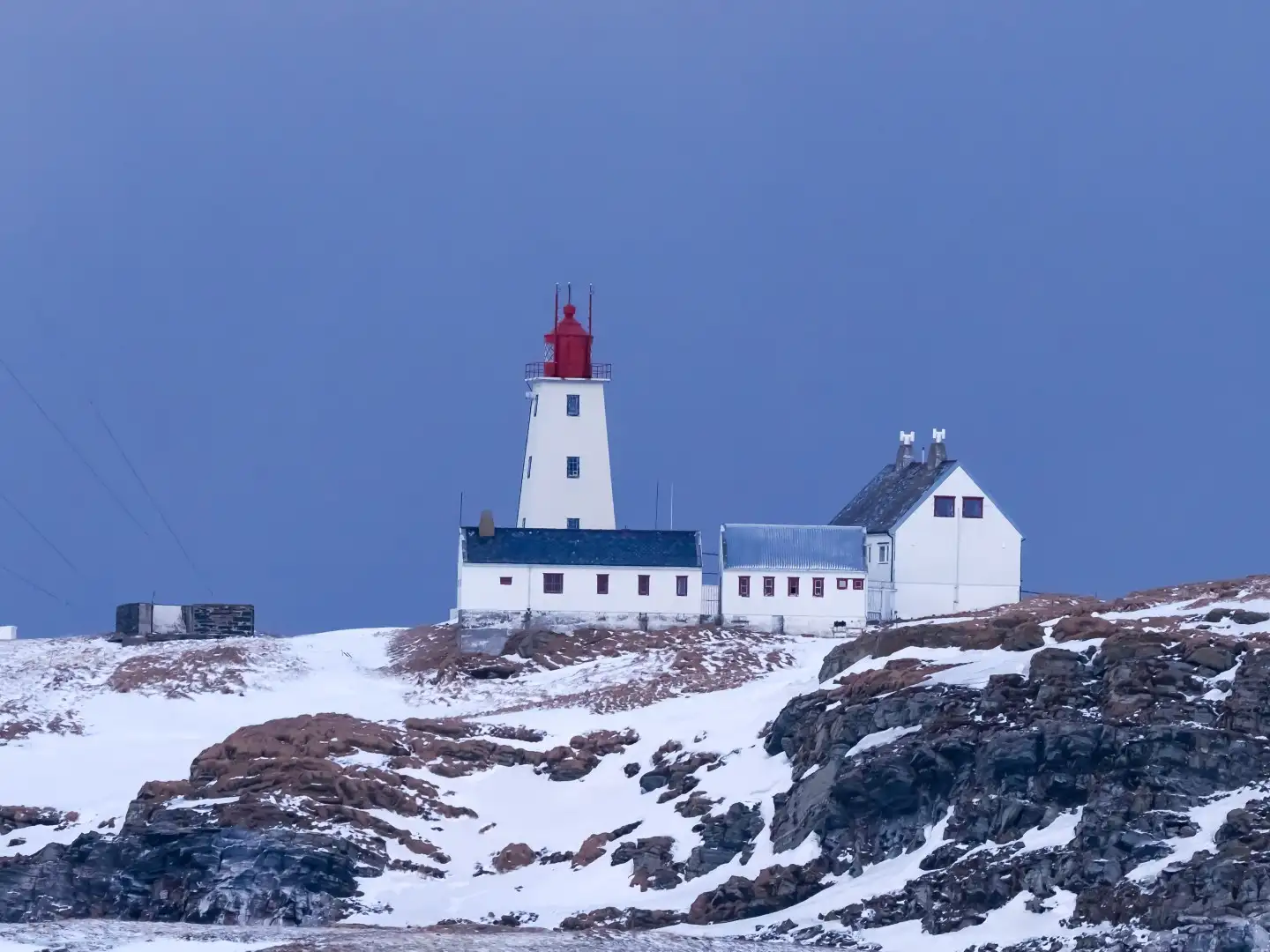
Vardø Fyr
Location: on Hornøya near Vardø, in Finnmark
Closest port: Vardø
Erected: 1896
Height: 20m
Vardø Fyr was established in 1896 to mark the approach to Vardø and secure navigation along Norway’s far eastern coastline. Built on the island of Hornøya, it is the country’s easternmost lighthouse and guards the entrance to the Barents Sea routes. This landmark is not open to the public, but the island it sits on, and the surrounding region, is a hotspot for birdwatching where you can see Atlantic Puffins and other seabirds.
Why are lighthouses key to Norway’s history?
It mostly comes down to geography. Norway’s coastline is not only exceptionally long, but intricately shaped by endless fjords, islands and skerries. Ships don’t just sail along the coastline – they often navigate in and out of fjords, weaving through narrow passages and island channels, some only a few hundred metres wide.
Pair that with Norway’s famously changeable weather, including unpredictable sea fog, storms and long winter darkness, and it’s easy to see why lighthouses were (and still are) essential.
For centuries, the sea was Norway’s main transport network. Coastal ships (beginning with Hurtigruten in 1893) connected small, isolated communities long before road or railway, and lighthouses were vital public infrastructure.
Today, even with modern navigation systems, we’ve kept so many of our lighthouses. Partly for backup during harsh storms but also as historic sites or cultural monuments. They stand as proud testament to our connection with the sea.
Can I see lighthouses on a Hurtigruten cruise?
When you sail the length of Norway’s coast with us, seeing a lighthouse or two is almost guaranteed. Depending on which voyage you choose, several lighthouses can be seen from the ship deck, including Stabben Fyr, Kjeungskjær Fyr and Slettnes Fyr.
If you want to know which lighthouses you can see on your voyage, speak to the Expedition Team – they'll be happy to point out where and when to spot each of them.
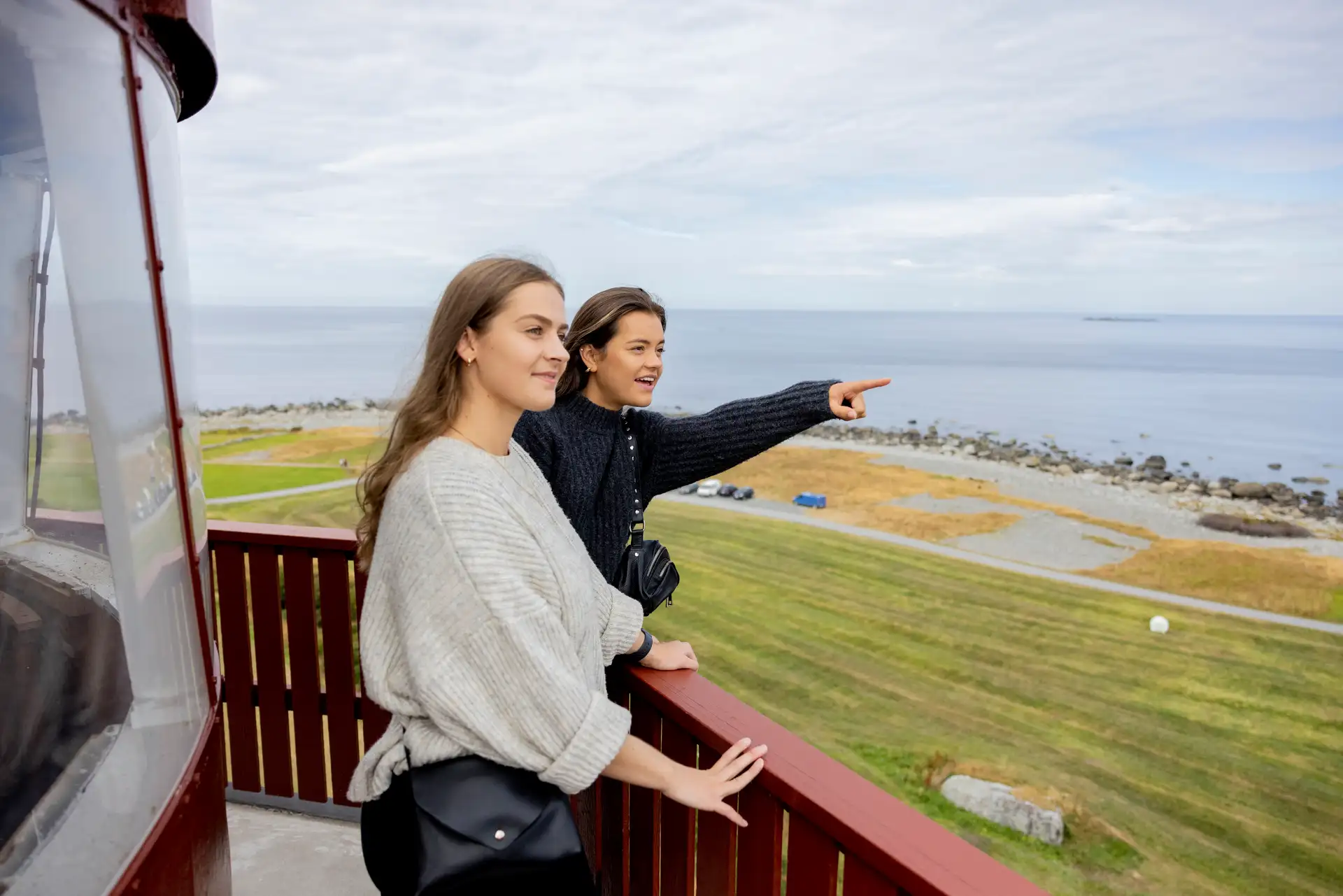
On our North Cape Line or Coastal Express voyages, you can choose to visit Alnes Fyr. Starting and finishing in Ålesund, our Alnes Lighthouse excursion takes you to the islands of Giske and Godøy, before visiting the charming red and white lighthouse.
Visit the museum and climb the stairs of the lighthouse tower for fantastic sea views, then enjoy coffee and cake at the onsite café.
Discover Norwegian coastal culture with Hurtigruten

FAQs: Lighthouses in Norway
Norway has around 200 historic lighthouse stations, supported by thousands of smaller navigation lights, way markers and beacons. 212 lighthouse stations have existed in Norway historically with no more than 154 operating at the same time.
Yes, many lighthouses are still in use in Norway. Just over 100 historic lighthouse stations still show official lights, maintained by the Norwegian Coastal Administration (Kystverket), and form part of a wider coastal safety network designed to guide vessels through narrow passages, exposed waters and busy shipping lanes. However, most Norwegian lighthouses are now automated, not manned by a traditional lighthouse keeper.
The best time to visit Norway’s lighthouses depends on what kind of experience you’re looking for. Late spring to early autumn (May to September) is ideal for most visitors, as longer daylight hours, milder weather and calmer seas make coastal travel and lighthouse access easier, with many historic stations open to the public during this period. Summer also brings the Midnight Sun north of the Arctic Circle, making it easier to see lighthouses at all hours.
For a more atmospheric experience, autumn and winter (October to March) offer the chance to see lighthouses in their most traditional role, shining through darkness and bad weather – though access can be limited and conditions more unpredictable.
It depends which ones you want to visit. Alnes Fyr on Godøy is easily reached by road from Ålesund – we take you there on our Alnes Lighthouse excursion. Lindesnes Fyr and Høgsteinen Fyr can be also reached by car. But, as most Norwegian lighthouses are built on rugged coastal terrain, often out at sea, many can only be seen by ship, and in the right conditions.
Yes! Several Norwegian lighthouse stations have been turned into unique accommodation.
Lindesnes Fyr in Agder offers one of the country’s best-known and most accessible lighthouse stays, where you can sleep in the restored keeper’s building. While in Grønningen Fyr (also in Agder), guests can experience staying in an offshore lighthouse during the summer months.
Slettnes Fyr in Finnmark operates as a historic guesthouse, allowing visitors to stay at the world’s northernmost mainland lighthouse. Lodging is seasonal and weather‑dependent, but it’s one of the most atmospheric lighthouse stays in Norway, especially under the Midnight Sun or Northern Lights.
Fýrr is the Old Norse word for fire, and that is literally what lighthouses were before the use of electricity. Beacons known as fyrtårn, or fire towers, were stacked with wood and – later – coal and oil, which was set alight either as a warning to seafarers, or to convey other information, such as the arrival of invaders. These days they might use powerful electric beams, but the old name for them has stuck.